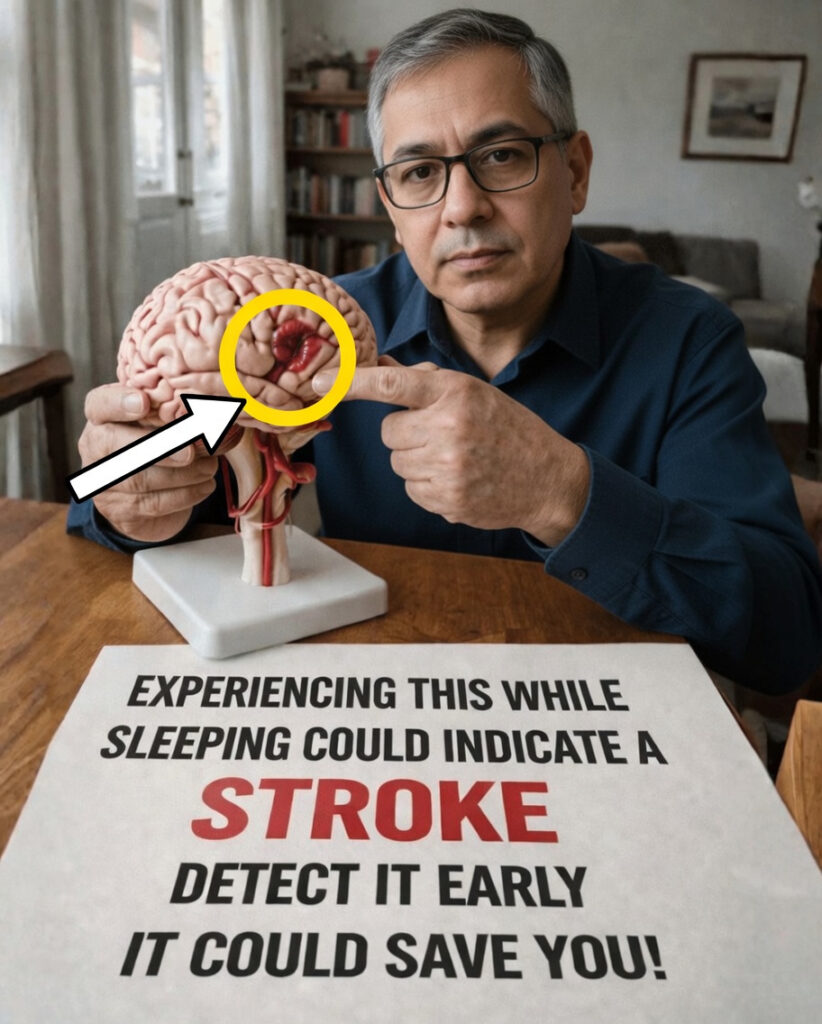
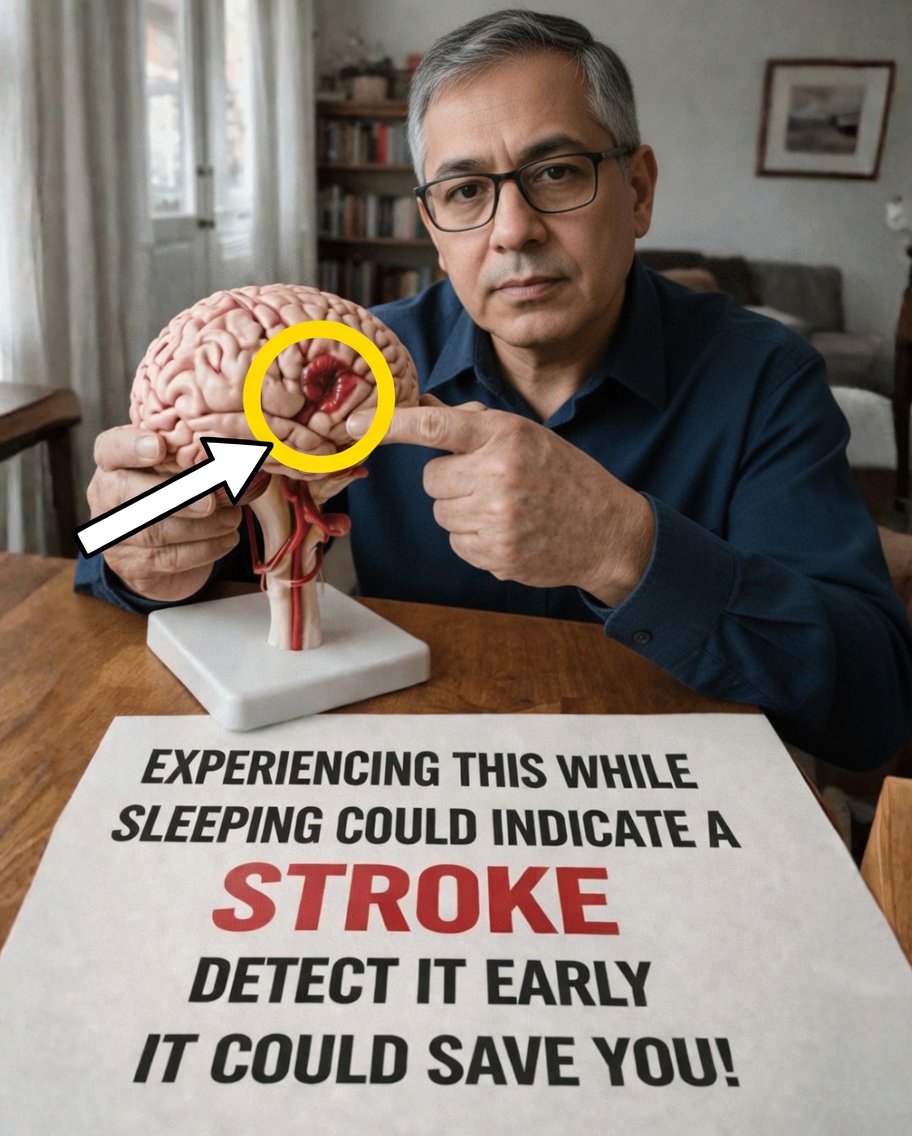
Why Unusual Nighttime Symptoms Should Never Be Ignored
You may shift in bed and notice something feels strange, or suddenly wake up in the middle of the night with a sensation that seems unusual. It is easy to blame it on poor sleep, an awkward position, or simply aging. Still, when that discomfort keeps returning, it can leave you wondering whether your body is signaling something more serious.
Those quiet changes may seem minor at first, but paying attention to them can help you better understand what is happening with your health during sleep. The good news is that awareness can help you act early and make wiser decisions for your long-term well-being.
The Surprising Link Between Sleep and Brain Health
Your brain does not fully power down when you sleep. During the night, it works to repair tissue, remove waste, and support healthy blood flow. Studies from trusted health organizations show that steady, high-quality sleep helps circulation and reduces stress on blood vessels.
Because of this, changes that appear while you are sleeping—or immediately after waking—can sometimes offer clues about how well those processes are working. This is not a reason to panic. It is simply a reminder that noticing patterns matters.
What Medical Experts Want You to Know
Health authorities such as the American Heart Association and Mayo Clinic explain that some brain-related warning signs can begin during sleep or become obvious upon waking. These may appear as an unexpected shift in movement or sensation on one side of the body. For some people, that could mean tingling, weakness, or even drooling if facial muscles are affected.

What makes this important is how easy these symptoms are to dismiss. Many people assume they just slept in an awkward position. However, research suggests that recognizing these changes quickly and seeking medical attention can improve outcomes. The goal is not self-diagnosis—it is knowing when something deserves a closer look.
Use the FAST Method to Recognize Urgent Changes
A simple way to remember key warning signs is the FAST checklist. It is useful whether symptoms happen during the day, in the middle of the night, or right after waking.
- Face: Does one side of the face droop when smiling or speaking?
- Arms: Can both arms be lifted evenly, or does one drift downward?
- Speech: Does speech sound slurred, confused, or difficult to understand?
- Time: If any of these signs appear, seek emergency help immediately.
These symptoms are sometimes first noticed in bed, which is why nighttime awareness is so valuable. Keeping a small notebook near your bed can help you record anything unusual so you can discuss it clearly with a doctor.
Daily Habits That Support Better Sleep and Brain Function
Simple routines can make a meaningful difference. Consider starting with these practical habits:
- Go to bed and wake up at the same time each day to support stable blood pressure and better sleep quality.
- Keep your bedroom cool, dark, and quiet. A temperature of 60–67°F (15–19°C) is often recommended for better rest.
- Avoid large meals, alcohol, and screen exposure for at least two hours before bedtime.
- Stay physically active during the day, even if it is just a 30-minute walk, to promote healthy circulation.
- Check your blood pressure from time to time at home or at a local pharmacy with free monitoring services.
These steps are straightforward, but they can improve how your body recovers overnight and how refreshed you feel in the morning.
Another Important Step: Consider Sleep Apnea Screening
There is one more issue worth discussing with your doctor: sleep apnea. If you snore loudly or wake up gasping for air, it may be worth getting evaluated. Research has linked untreated sleep apnea to a greater risk of brain and cardiovascular problems.

A screening can help identify solutions, which may include a CPAP device, weight management, or other lifestyle adjustments. The empowering part is that you do not need to wait for a major health event before taking action. You can start protecting yourself now.
Why This Matters Even More for Older Adults
As people get older, natural shifts in sleep quality and blood vessel health can make warning signs more difficult to recognize. That is why many healthcare professionals encourage adults over 55 to pay extra attention to unusual nighttime sensations.
This is not about fear. It is about staying informed so you can protect your independence, energy, and quality of life in the years ahead.
Easy Actions You Can Take Tonight
If you want a few practical steps to begin right away, try these:
- Do a quick body scan before sleep and notice whether one side feels different from the other.
- Ask a partner or family member to watch for drooling or uneven facial movement during sleep.
- Set a soft reminder on your phone to review any sleep notes each morning.
- Book a yearly health check-up and mention any nighttime symptoms you have experienced.
- Try light neck and shoulder stretches before bed to encourage comfortable circulation.
These habits only take a few minutes, but they can offer reassurance and help you spot patterns early.
Final Thoughts
Sleep is supposed to restore you, not leave you feeling uneasy. Understanding how certain nighttime symptoms may connect to brain health is a smart and proactive step. Keep the FAST signs in mind, build healthy sleep routines, and contact a healthcare professional whenever something feels unusual.
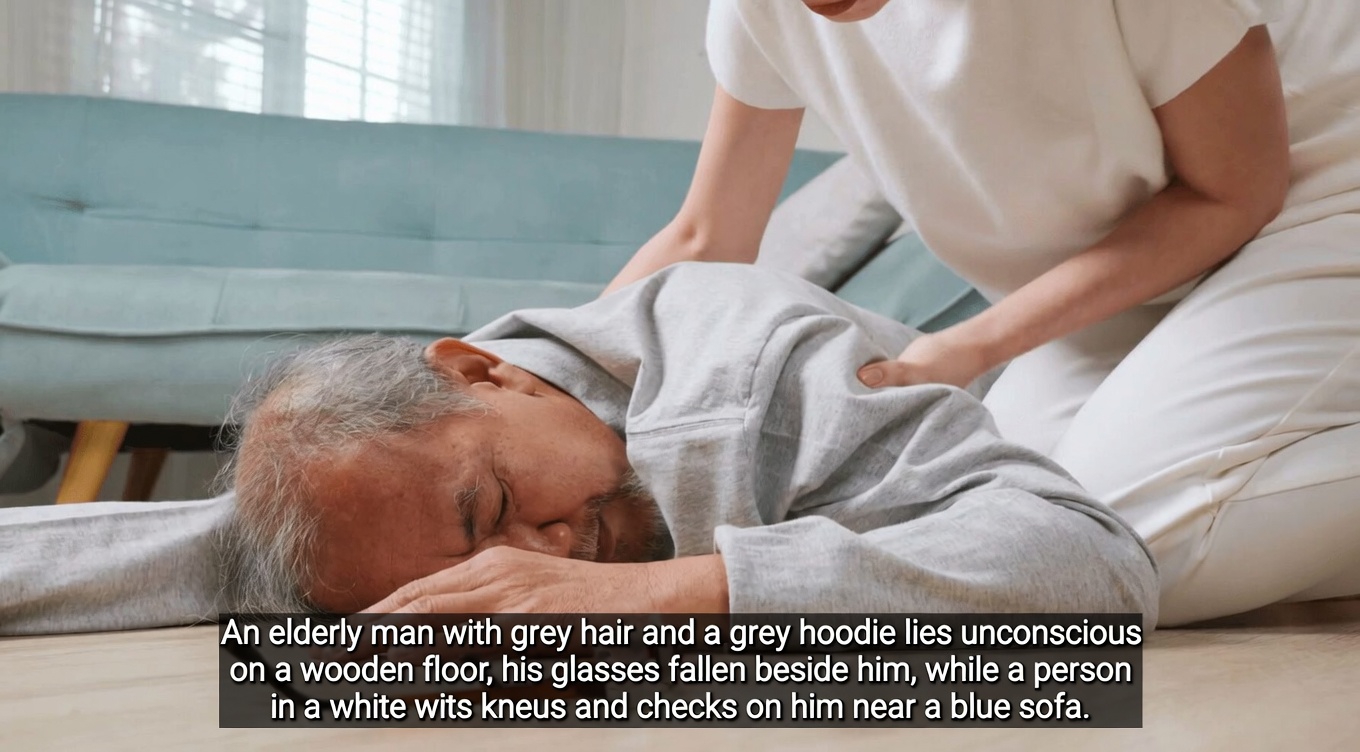
Paying attention today could make a major difference for your future health.
Frequently Asked Questions
What should I do if I notice a strange symptom during sleep?
Write down what happened, when it started, how long it lasted, and whether you noticed anything else unusual. If the symptom matches the FAST signs, seek emergency care right away. When it comes to possible brain-related symptoms, early evaluation is the safest approach.
Do all sleep problems point to a serious brain issue?
No. Many nighttime disturbances are caused by stress, food choices, poor sleep habits, or minor physical discomfort. The key concern is when symptoms are sudden, one-sided, or do not go away quickly.
Can lifestyle changes really reduce risk?
Yes. Research shows that regular sleep, physical activity, and healthy blood pressure management can support better brain health over time. Small daily choices often create meaningful long-term benefits.
Disclaimer
This article is for informational purposes only and does not replace professional medical advice, diagnosis, or treatment. Always speak with a qualified healthcare provider about your symptoms and personal health concerns.