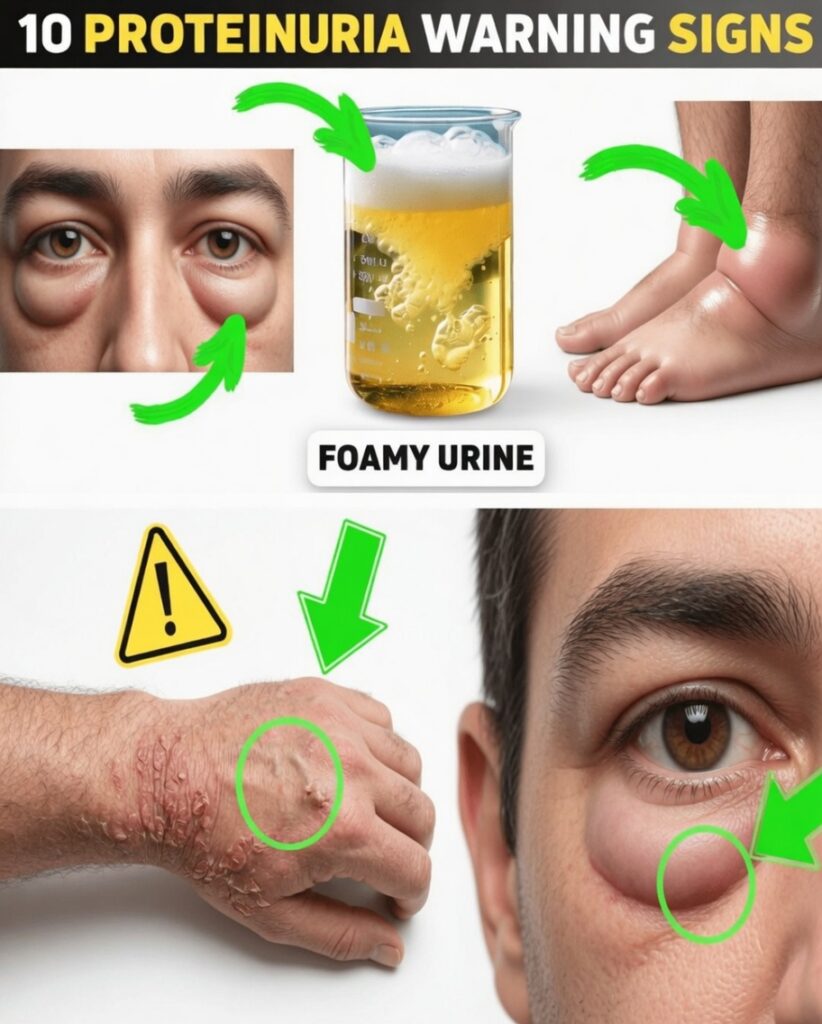
10 Warning Signs of Proteinuria and Kidney Problems You Shouldn’t Ignore
Many adults notice small day-to-day changes—like feeling unusually tired, waking up puffy, or seeing something different in their urine—and quickly blame stress, aging, or a busy lifestyle. Over time, this can create quiet, persistent anxiety about what these changes might mean for long‑term kidney health.
Some of these early clues are classic signs of proteinuria (protein in the urine) and underlying kidney problems, yet they are often dismissed or misunderstood. Understanding them can help you speak with your doctor sooner, easing uncertainty and protecting your future health.
One of the most common everyday signs is something almost everyone sees but rarely connects to kidney issues—and it might be the reminder you need to get checked.
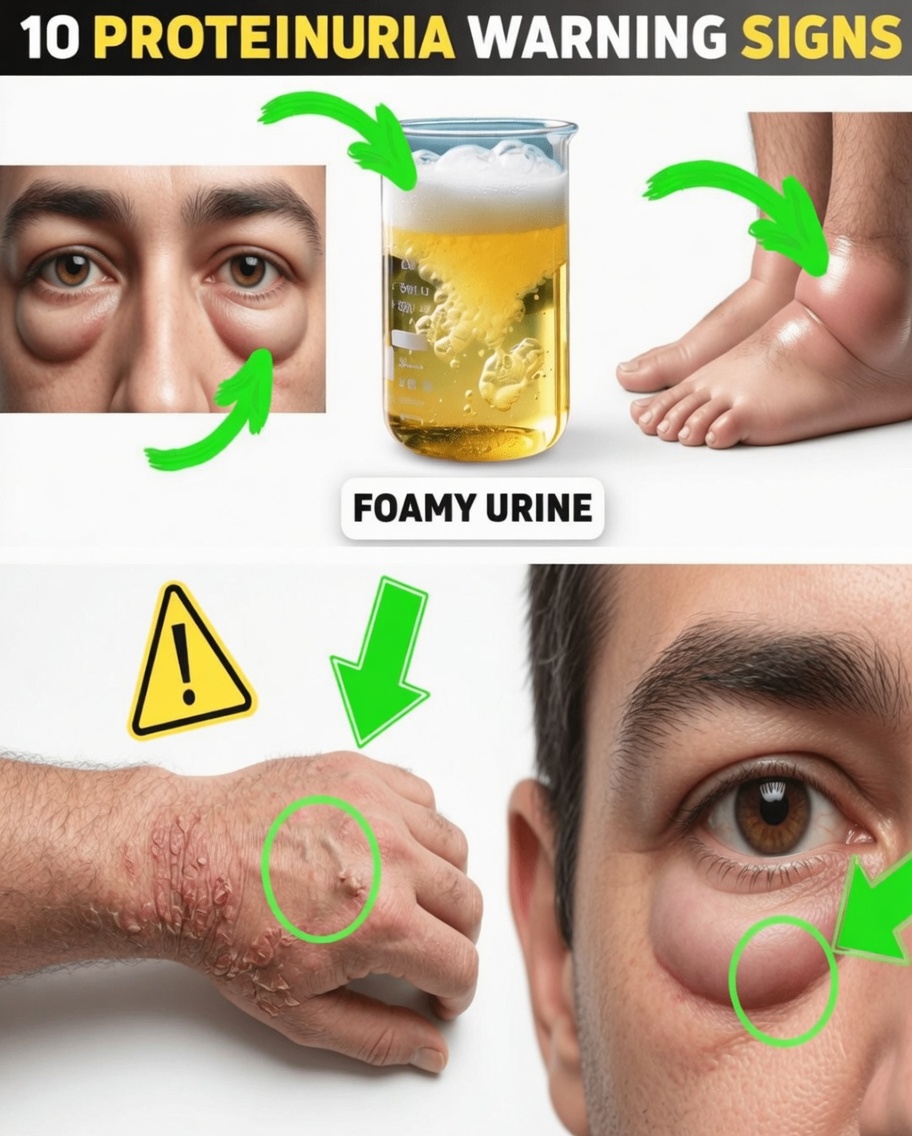
In this guide, you’ll learn the 10 key warning signs of proteinuria and kidney problems, starting with the symptom doctors frequently highlight, plus practical steps you can take to stay on top of your kidney health.
Warning Sign 1: Foamy Urine
Foamy or bubbly urine that remains frothy in the toilet for several minutes can be a classic sign of proteinuria. While occasional bubbles are normal, persistent foam that appears regularly—especially without forceful urination—may indicate that protein is leaking from the blood into the urine.
Excess protein reduces the surface tension of urine, which leads to stable, lingering foam.
Many people, like a 54‑year‑old office worker, notice this change but ignore it for months, assuming it is nothing serious. Later, when they learn it can be linked to kidney damage, they often experience heightened worry and regret for not seeking advice sooner.
Foamy urine is often one of the first visible clues, but swelling is another easily noticed warning sign.
Warning Sign 2: Swelling and Edema
Unexpected puffiness—especially around the ankles, feet, hands, or under the eyes in the morning—can signal kidney problems and protein loss in the urine.
When the kidneys leak protein, the blood’s ability to hold fluid in the vessels is reduced. Fluid then seeps into surrounding tissues, causing swelling (edema).
A school bus driver lived with swollen feet and puffy eyelids for years, attributing it to long days and allergies. Only later did they discover it was tied to kidney issues, fueling worry about how long the problem had been progressing.
Swelling often comes hand in hand with another troubling symptom: persistent fatigue.

Warning Sign 3: Ongoing Fatigue
Feeling unusually exhausted, even after resting or sleeping well, can be associated with proteinuria and declining kidney function. This type of fatigue goes beyond normal tiredness; it can make everyday tasks feel overwhelming.
Damaged kidneys may produce fewer hormones that help the body make red blood cells. Fewer red blood cells mean less oxygen delivery to your tissues, contributing to anemia and deep, persistent fatigue.
If your energy levels have noticeably dropped and you can’t explain why, consider whether this might be part of a broader pattern of kidney-related symptoms.
Another subtle but important signal often shows up in your mouth.
Warning Sign 4: Metallic Taste or Ammonia Breath
A strange metallic taste in your mouth, food suddenly tasting “off,” or breath that smells like ammonia can be linked to kidney problems and proteinuria.
When kidney function declines, waste products such as urea can build up in the blood. Bacteria in the mouth convert urea into ammonia, which can lead to:
- A metallic or bitter taste
- Bad breath with an ammonia-like odor
- Reduced enjoyment of food
One long‑haul truck driver noticed this for months but assumed it was poor oral hygiene or diet. Only after a medical check did they learn it was related to kidney issues, adding to their anxiety about how long toxins had been building up.
Changes in taste often go along with a decreasing desire to eat.
Warning Sign 5: Loss of Appetite and Unintentional Weight Loss
A reduced interest in food, early fullness, or unexplained weight loss may also point toward kidney problems, including proteinuria.
When waste products accumulate in the bloodstream, they can:
- Dampen appetite
- Alter taste
- Make eating feel like a chore rather than a pleasure
Over time, this can lead to poor nutrition, muscle loss, and worry about declining strength.
If you notice your eating habits changing without a clear reason, especially alongside other symptoms on this list, it is worth discussing with a healthcare professional.
Warning Sign 6: Brain Fog and Trouble Concentrating
Difficulty focusing, short‑term memory slips, or feeling mentally “foggy” can also be connected to chronic kidney issues.
When the kidneys are not filtering properly, toxins and metabolic waste can affect the brain, leading to:
- Slowed thinking
- Trouble concentrating on reading or work
- More frequent “senior moments,” even in middle age
These cognitive changes can be unsettling, raising concerns about aging or neurological problems, when in some cases kidney function may be part of the picture.
If reading, problem‑solving, or following conversations feels harder than before, consider whether this may be occurring alongside other kidney-related signs.
Warning Sign 7: Hard-to-Control Blood Pressure
High blood pressure and kidney disease are tightly linked. The kidneys help regulate blood pressure by balancing fluid and salt levels and controlling certain hormones.
When kidneys are damaged:
- Blood pressure can rise
- Existing hypertension can become harder to control, even with medications
- A cycle of damage can develop, where high blood pressure worsens kidney health and vice versa
If your blood pressure readings remain elevated or fluctuate widely despite treatment, it may be a clue to look closely at kidney function and possible proteinuria.
Regular home blood pressure monitoring and sharing those readings with your doctor is a valuable part of kidney health awareness.
Warning Sign 8: Frequent Nighttime Urination
Needing to get up multiple times at night to urinate (nocturia) can disrupt sleep and is sometimes linked to kidney issues.
As the kidneys lose their ability to concentrate urine properly, you may:
- Produce more urine overall
- Need to urinate more often, especially at night
- Feel tired and irritable from fragmented sleep
A mechanic, for example, brushed off frequent nighttime bathroom trips for years, blaming age and late‑night drinks. Only later did testing reveal underlying kidney problems, making them realize how long they had been missing an important warning sign.
Warning Sign 9: Blood or Cloudy Urine
Any change in urine color that shows pink, red, rust-colored, or cloudy urine should be taken seriously.
Possible causes related to kidney function include:
- Blood leaking into the urine (hematuria)
- Inflammation or damage in the filtering units of the kidneys (glomeruli)
- Urinary tract infections, which can coexist with other kidney issues
Seeing blood or persistent cloudiness in your urine often triggers immediate fear, and rightly so—it is a clear signal to seek medical evaluation. Even if it appears only occasionally, it should not be ignored.
Warning Sign 10: Itchy Skin
Persistent, widespread itching—especially without a visible rash or clear skin condition—can also be associated with chronic kidney disease and proteinuria.
As kidney function declines, imbalances in minerals and the build‑up of waste products can irritate nerve endings in the skin, causing:
- Generalized itchiness
- Worsening at night
- Limited relief from typical moisturizers or over‑the‑counter creams
If lotions and allergy medications are not helping your itch, and you notice other symptoms from this list, consider whether your kidneys might be involved.
What to Do If You Notice Possible Signs of Proteinuria or Kidney Problems
If you recognize one or more of these warning signs and they persist, contact your healthcare provider for a proper evaluation. Do not self-diagnose or wait for symptoms to become severe.
Your doctor may recommend tests such as:
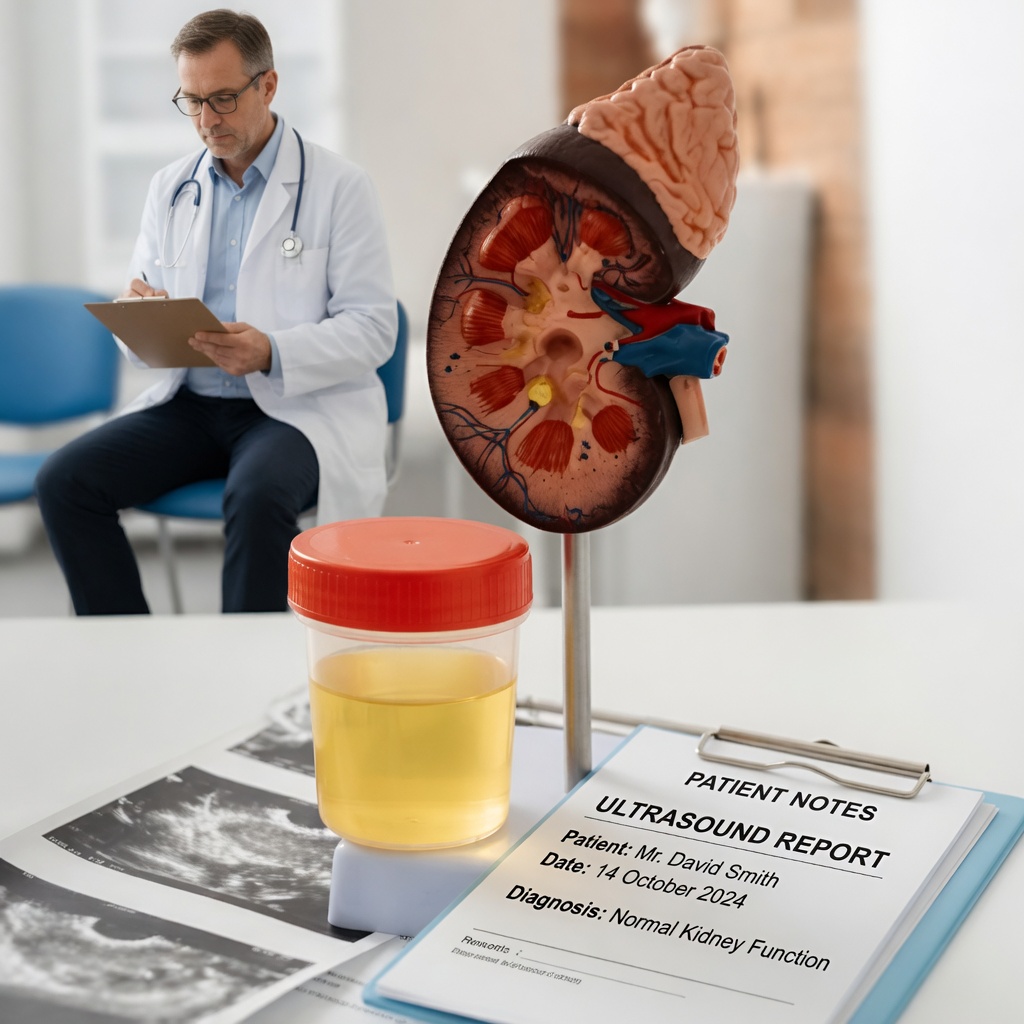
- Urinalysis – to check for protein, blood, or other abnormalities
- Urine albumin-to-creatinine ratio (ACR) – to measure how much protein is leaking
- Blood tests – to assess kidney function (e.g., eGFR, creatinine, urea)
- Blood pressure monitoring – to evaluate cardiovascular and kidney risk
- Additional imaging or specialist referral if needed
Early detection allows for earlier intervention, which can slow or sometimes prevent further kidney damage.
Daily Risk Factors and Actions for Better Kidney Awareness
Use the table below to connect everyday habits with practical actions that support kidney awareness and health:
| Risk Factor | Daily Action | Benefit for Kidney Awareness and Health |
|---|---|---|
| High blood pressure | Check BP at home and record readings | Helps you and your doctor spot trends that may signal kidney stress or proteinuria |
| Unbalanced diet (high in salt/processed foods) | Reduce sodium and ultra-processed foods | Lightens the workload on your kidneys and may help control blood pressure |
| Physical inactivity | Add regular walks or light exercise | Supports circulation, blood pressure control, and overall resilience |

30-Day Kidney Awareness Plan
Use the next month to become more proactive about your kidney health and potential signs of proteinuria:
-
Week 1: Track and Reflect
- Write down any symptoms you notice (fatigue, swelling, urine changes, etc.).
- If something concerns you, schedule a visit with your healthcare provider.
-
Week 2: Monitor Key Numbers
- Check and record your blood pressure at home if possible.
- Pay attention to urine appearance and frequency, especially at night.
-
Weeks 3–4: Build Healthier Habits
- Gradually improve your meals: more whole foods, less salt and processed snacks.
- Incorporate regular movement, such as daily walks, stretching, or light exercise.
- Continue symptom and BP tracking to see how changes affect how you feel.
Small, steady steps can reduce anxiety, give you a clearer picture of your health, and help you have more informed discussions with your doctor.
Why Knowing the Signs of Proteinuria Matters
Recognizing the early signs of proteinuria and kidney problems can:
- Reduce uncertainty and fear about unexplained symptoms
- Encourage timely medical checks instead of silent worry
- Improve your chances of slowing or preventing further kidney damage
Awareness is not about alarm—it is about giving yourself the information and time to act.
FAQ
1. How common are proteinuria and kidney issues?
Protein in the urine and reduced kidney function are relatively common, especially in older adults and people with conditions like diabetes or high blood pressure. Many cases are silent at first, which is why awareness of early signs is so important.
2. What causes proteinuria and kidney problems?
Proteinuria can result from a wide range of issues, including diabetes, high blood pressure, infections, autoimmune conditions, certain medications, or inherited kidney diseases. Only a healthcare professional can determine the cause in your specific situation.
3. Should I be worried if I have just one of these signs?
Not every symptom automatically means you have kidney disease. However, any persistent or unexplained change—such as ongoing foamy urine, swelling, or high blood pressure—deserves medical attention. Getting checked can either identify a problem early or reassure you that your kidneys are functioning well.
This article is for informational purposes only and does not replace professional medical advice, diagnosis, or treatment. Always consult your healthcare provider with questions or concerns about your kidneys, proteinuria, or any symptoms you are experiencing.