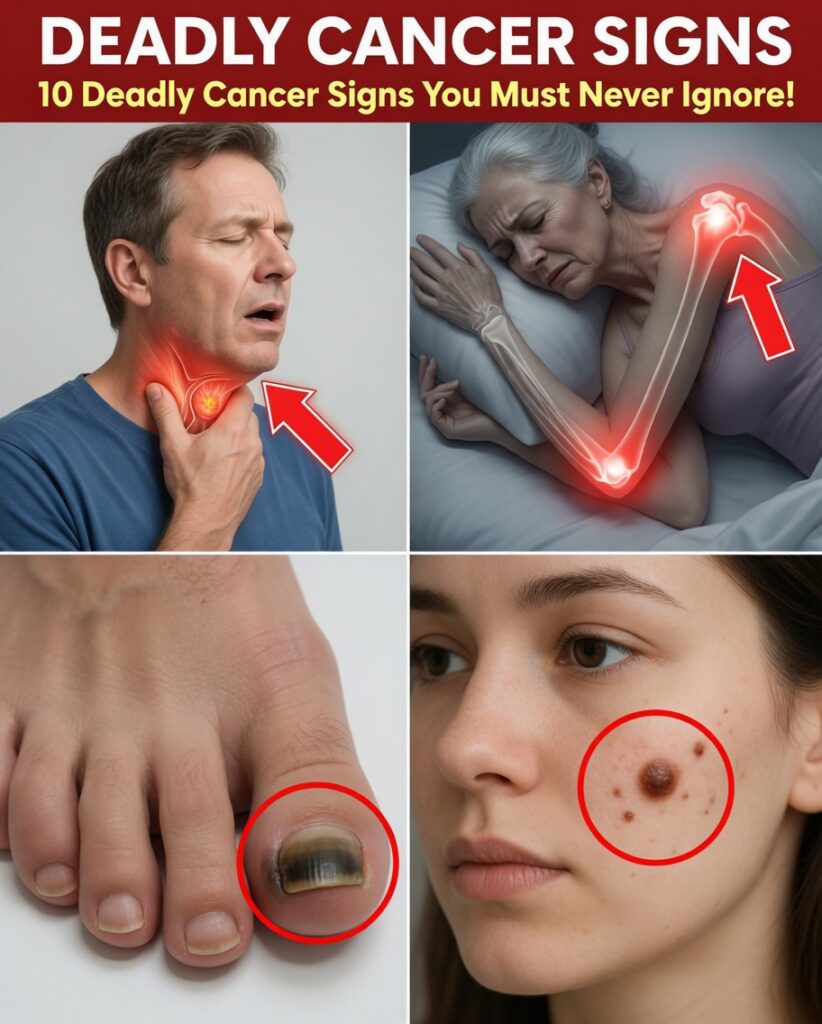
Subtle Body Changes You Shouldn’t Ignore
Many busy adults juggle work, family, and endless responsibilities while quietly noticing new aches, lingering tiredness, or other small body changes. When these issues start interfering with your job or time with loved ones, it can create stress and uncertainty: Is this just getting older, or is something else going on?
It becomes even more frustrating when extra rest or over-the-counter medication does not make things better, leaving you to wonder whether there could be a more serious underlying cause. Brushing off these concerns can delay crucial conversations with your healthcare provider.
Building awareness of possible cancer warning signs—and paying attention to them early—is a smart, proactive step many people find empowering. What most people overlook, however, is how much a simple symptom journal can improve your next doctor’s visit. Tracking these warning signs over time can give your doctor clearer information and help you get more accurate answers.
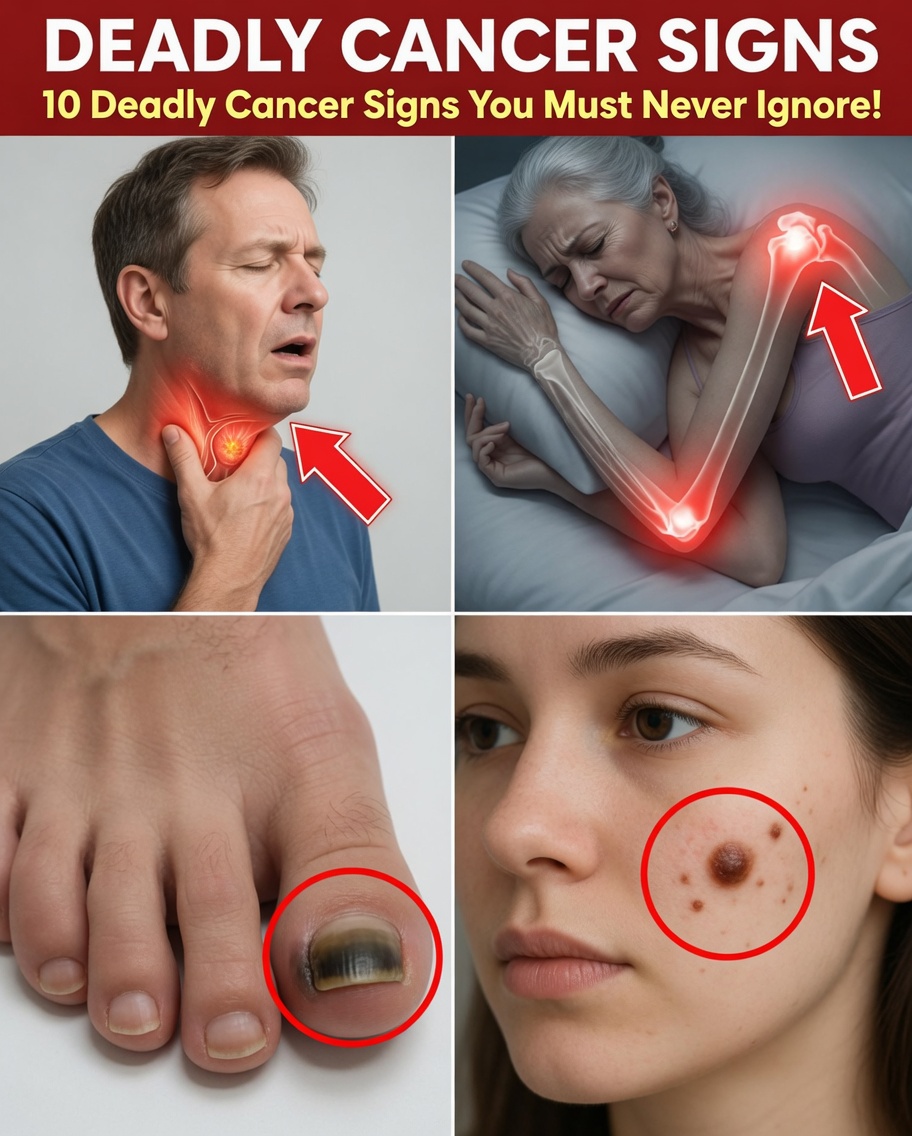
Below are 10 important cancer warning signs to know, plus tips on how to monitor them effectively.
1. Persistent Pain – A Common Cancer Warning Sign
Ongoing pain that does not ease up can gradually push you away from favorite activities like walking, exercising, or playing with your children or grandchildren. It often brings worry and frustration, especially when rest does not help.
Persistent, unexplained pain can sometimes be linked to cancer, particularly when it occurs in areas such as:
- The back
- The bones
- The pelvis
In some cases, this type of pain may be related to pressure, inflammation, or damage caused by abnormal cell growth.
Self-check tip:
- Rate your pain on a scale from 0 to 10.
- If the pain is unexplained and regularly above 5 out of 10, write it down:
- When did it start?
- Where is it located?
- What makes it better or worse?
Bring these notes to your doctor so you do not rely on memory during your visit.
2. Unexplained Fatigue – Draining and Persistent
Deep, unrelenting fatigue that lingers even after a full night’s sleep can make it hard to concentrate at work, enjoy social activities, or keep up with family responsibilities. This can take a heavy emotional toll and lower your overall quality of life.
Unlike normal tiredness, cancer-related fatigue:
- Does not improve much with rest
- Feels more like a constant heaviness or exhaustion
- May come on gradually and then persist
Research suggests that this type of fatigue can be the body’s reaction to underlying health changes, including cancer.
Self-check tip:
- Rate your energy level from 1 to 10 (1 = no energy, 10 = full of energy).
- Note how often you feel unusually exhausted, and what activities you can or cannot manage.
If your energy level stays low over weeks without a clear reason, it is worth a professional evaluation.
3. Changes in Skin Appearance – Visible Clues
New or changing moles, spots, or patches on your skin can be unsettling, particularly when they alter how you look and affect your self-confidence.
Key skin-related cancer warning signs include:
- Asymmetry: One half of the mole doesn’t match the other
- Border: Edges look irregular, ragged, or blurred
- Color: Multiple colors or uneven color
- Diameter: Larger than about 6 mm (¼ inch), though smaller spots can still be concerning
- Evolving: Any change in size, shape, color, or sensation (itching, bleeding)
This “ABCDE” rule is commonly recommended by experts for spotting potential skin cancers.
Self-check tip:
- Look over your skin from head to toe, including your back and scalp (use a mirror or ask for help).
- Rate any change you notice from 1 to 10 based on how different it looks compared to before.
- Photograph spots that concern you so you can see if they evolve over time.
Bringing notes and photos to your doctor can make skin examinations more effective.
4. Persistent Cough or Hoarseness – Respiratory Red Flags
A cough that hangs on for weeks—or a voice that stays hoarse—can disrupt sleep, work meetings, and conversations, adding to daily stress and fatigue. While many long-lasting coughs are caused by infections or allergies, they can occasionally be associated with cancers of the lungs, throat, or other areas.
Warning signs to pay attention to include:
- A dry or productive cough that lasts more than a few weeks
- Hoarseness that does not resolve
- Coughing up blood
- Associated symptoms such as chest pain or shortness of breath
Health organizations advise that any persistent cough or hoarseness that does not improve should be evaluated by a professional.
Self-check tip:
- Track how long the cough has lasted (in days or weeks).
- Note whether it is getting better, worse, or staying the same.
- Record any additional symptoms, such as pain, wheezing, or weight loss.
Mid-Article Quiz: Reflecting on These Cancer Warning Signs
Take a moment to pause and check in with yourself about what you have read so far:
- How many cancer warning signs have we covered so far? (4)
- Which of these warning signs concerns you the most right now? Write it down.
- What do you think the next cancer warning sign might be?
- On a scale of 1–10, how concerned are you about these warning signs compared to when you started reading?
- Are you ready to learn more signs and how to track them?
This brief pause helps you process the information and connect it to your own health.

5. Unusual Bleeding – A Serious Signal
Noticing blood where it should not be—such as in your stool, urine, spit, or from unusual vaginal bleeding—can be frightening and deeply unsettling, especially when it happens during an otherwise normal day.
Unexplained bleeding is considered one of the more urgent cancer warning signs because it may indicate problems that need prompt medical attention, including cancers of the digestive tract, urinary system, reproductive organs, or other areas.
Self-check tip:
- Note where the bleeding appears and how often it occurs.
- Rate the severity of any episode on a scale from 1 to 5.
- Record accompanying symptoms: pain, weight loss, fatigue, or changes in bowel/bladder habits.
Do not delay seeking medical advice if you experience unexplained bleeding, even if it happens only once.
6. Unexplained Weight Loss – When Pounds Drop Without Trying
Losing weight without changing your diet or activity level can be confusing and alarming. While some people might initially welcome weight loss, ongoing, unintentional loss can signal a problem—especially if it comes with weakness, reduced appetite, or low energy.
Doctors often consider significant weight loss over a few months—for example, more than 5% of your body weight—as a potential warning sign that should be checked.
Some cancers can alter your metabolism or appetite, leading to weight loss without effort.

Self-check tip:
- Track your weight regularly (weekly or monthly).
- Note how much you have lost in the past 3–6 months.
- Record any related changes: appetite, bowel habits, or fatigue.
Bring this information to your healthcare provider for a more informed discussion.
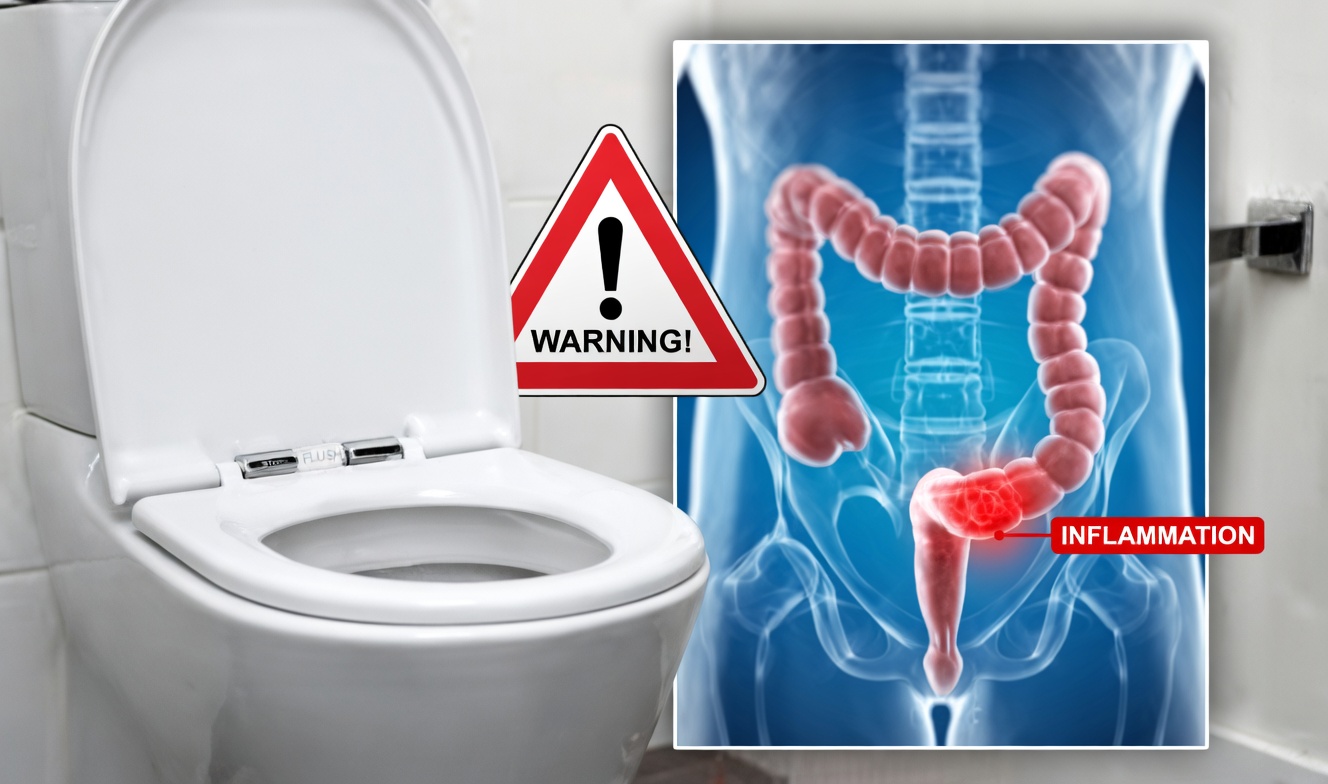
7. Changes in Bowel or Bladder Habits – Everyday Disruptions
Shifts in how often or how easily you use the bathroom can be both uncomfortable and embarrassing. These changes can interfere with social situations, work life, and travel plans.
Bowel and bladder warning signs to watch include:
- Persistent diarrhea or constipation
- A feeling that you cannot completely empty your bowels
- Narrower stools than usual
- Needing to urinate more often or urgently
- Pain or burning during urination
When these changes last for weeks rather than days, they may point to underlying issues, including possible cancers of the colon, rectum, bladder, or prostate.
Self-check tip:
- Keep a simple log of:
- Frequency of bowel movements and urination
- Stool consistency or color changes
- Pain, urgency, or leakage
- Note whether symptoms are getting better, worse, or staying the same.
8. Difficulty Swallowing – Making Meals a Challenge
When swallowing becomes hard or uncomfortable, even simple meals can turn into stressful experiences. You might eat less, take much longer to finish food, or avoid certain textures, which can lead to weight loss and nutritional concerns.
Persistent difficulty swallowing (dysphagia) can be associated with cancers of the throat, esophagus, or other parts of the digestive system.
Self-check tip:
- Notice whether the problem is with liquids, solids, or both.
- Record when it started and whether it is worsening over time.
- Note any sensations of food “sticking” or pain when swallowing.
If this symptom continues, especially along with weight loss or heartburn, seek evaluation.
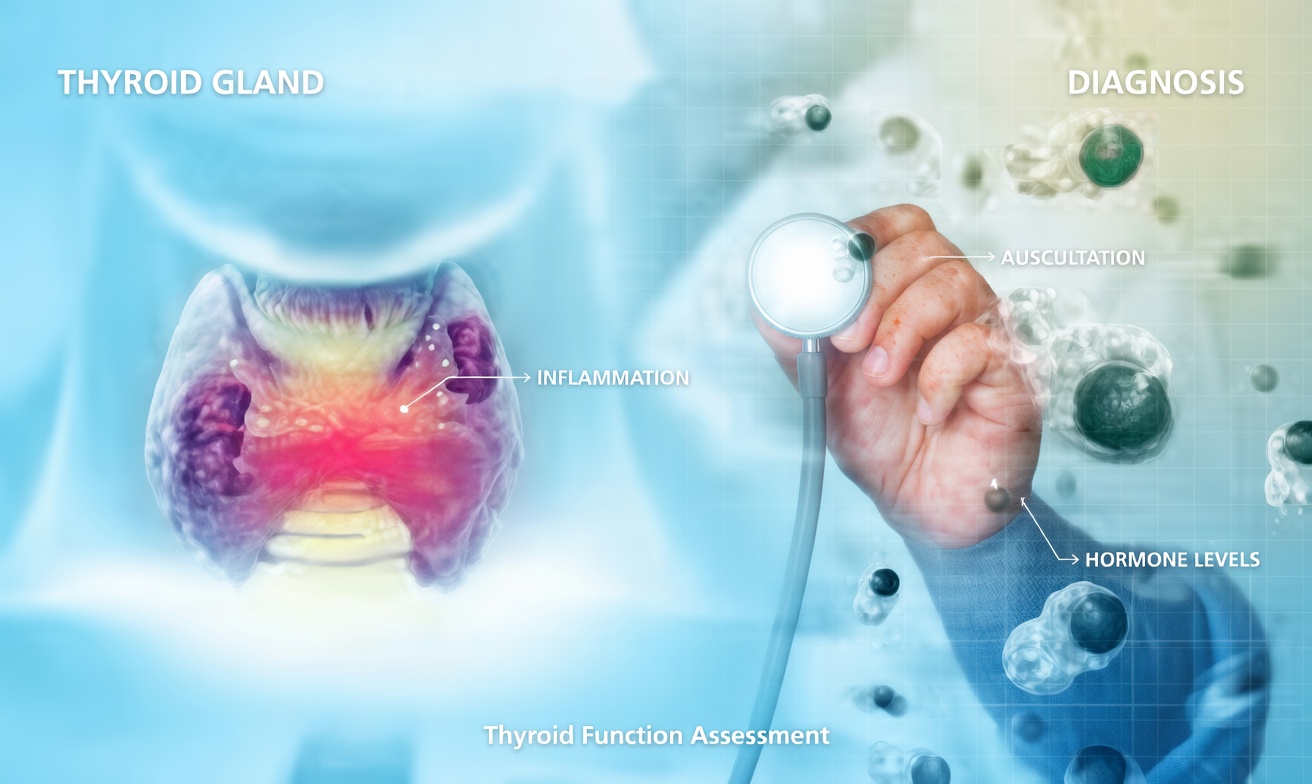
9. Swollen Lymph Nodes or Unusual Lumps – Noticeable Changes
Feeling a painless lump or swollen area—often in the neck, armpit, groin, or elsewhere—can cause immediate worry and make it hard to relax or sleep.
Lymph nodes can swell for many reasons, including infections. However, persistent, unexplained swelling or firm, fixed lumps can sometimes be linked to cancers such as lymphoma, leukemia, or metastatic disease.
Self-check tip:
- Gently feel common areas (neck, under jaw, armpits, groin, breasts, testicles) during routine self-checks.
- Note:
- Size, shape, and location of any lump
- Whether it is painful or painless
- How long it has been there and whether it is changing
Report any concerning lump that lasts more than a few weeks or is growing.
10. Persistent Night Sweats or Fever – Disruptive Nighttime Symptoms
Waking up drenched in sweat or dealing with unexplained fevers can leave you exhausted and on edge, especially when these episodes repeat night after night. Poor sleep can then affect your mood, focus, and overall health.
When night sweats or fevers occur without a clear cause—such as infection, menopause, or medication—and especially when combined with other symptoms (like weight loss or swollen lymph nodes), they can be a cancer warning sign.
Self-check tip:
- Track:
- How often night sweats or fevers occur
- Your temperature during episodes (if possible)
- Any associated symptoms (chills, fatigue, weight loss)
- Rate the impact on your sleep and comfort from 1 to 10.
Quick Reference Table: Key Cancer Warning Signs and Their Impact
| Cancer Warning Sign | Common Impact on Daily Life | Why Talk to Your Doctor? |
|---|---|---|
| Persistent Pain | Limits movement, disrupts sleep | Helps identify possible causes and needed tests |
| Unexplained Fatigue | Lowers productivity and motivation | Addresses ongoing energy problems and root causes |
| Skin Changes | Affects self-confidence and comfort | Supports timely skin exams and early detection |
| Persistent Cough/Hoarseness | Interrupts conversations and sleep | Checks for respiratory or throat-related issues |
Practical Tips for Tracking Cancer Warning Signs
Monitoring your symptoms does not have to be complicated. A simple, consistent approach can make a big difference in the quality of your medical care.
-
Keep a daily symptom journal
Note when each symptom appears, how long it lasts, how severe it feels, and what seems to trigger or relieve it. -
Schedule regular check-ups
Use routine appointments to review any ongoing symptoms rather than waiting for a crisis. -
Use smartphone apps or notes
Log pain levels, energy, sleep, weight, and other changes so you can share clear patterns with your doctor. -
Share your family health history
Let your provider know about any family history of cancer or chronic diseases to help them assess your risk. -
Combine awareness with recommended screenings
Symptom tracking works best when paired with age-appropriate screenings (such as mammograms, colonoscopies, or Pap tests) as advised by your healthcare professional.
Putting It All Together: Staying Alert to Cancer Warning Signs

Paying close attention to your body’s signals is not about living in fear; it is about gaining clarity and peace of mind. The uncertainty that comes from ignoring possible cancer warning signs can be far more stressful than taking proactive, informed steps.
By:
- Noticing persistent changes
- Recording your symptoms in a simple journal
- Bringing detailed notes to your healthcare visits
you give yourself and your doctor a stronger starting point for evaluation and early detection.
Start today by choosing just one tip—such as rating your pain, tracking your energy level, or logging any new symptoms—and put it into practice. Small, consistent actions can help protect your health and support more confident, informed decisions about your future.