

A Simple Bedtime Cocoa Habit That May Support Eye Health After 60
As the years go by, changes in eyesight become increasingly common and can affect everyday comfort in noticeable ways. Reading small text may become harder, eyes may feel more fatigued by evening, and details that once seemed sharp can start to blur. These shifts can make routine activities more frustrating and often serve as a reminder of aging itself. That is why many people look for realistic, enjoyable ways to support long-term eye wellness.
What may surprise you is that a very simple evening habit—a small scoop of a natural ingredient before bed—could become a helpful part of your eye-care routine.
If you are curious about how it works, what research says, and how to use it safely, the information below may change the way you think about your nighttime routine.
Why Vision Changes Become More Noticeable After 60
For most adults, age-related vision changes are a normal part of life. Over time, the eye’s lens tends to lose flexibility, the retina may respond less efficiently to light, and the tiny blood vessels that nourish the eyes may become less resilient. As a result, tasks like driving at night, doing detailed hobbies, or recognizing faces from a distance can feel more difficult.
Many people over 60 say they feel as though they are losing some of the clarity that helps them fully enjoy daily life.
The encouraging part is that daily habits can make a difference. Along with a healthy lifestyle, even small choices about what you eat or drink in the evening may help support overall eye wellness. One habit that is receiving growing attention is drinking a small amount of unsweetened cocoa before bedtime.
How Cocoa Flavanols May Help Support Eye Wellness
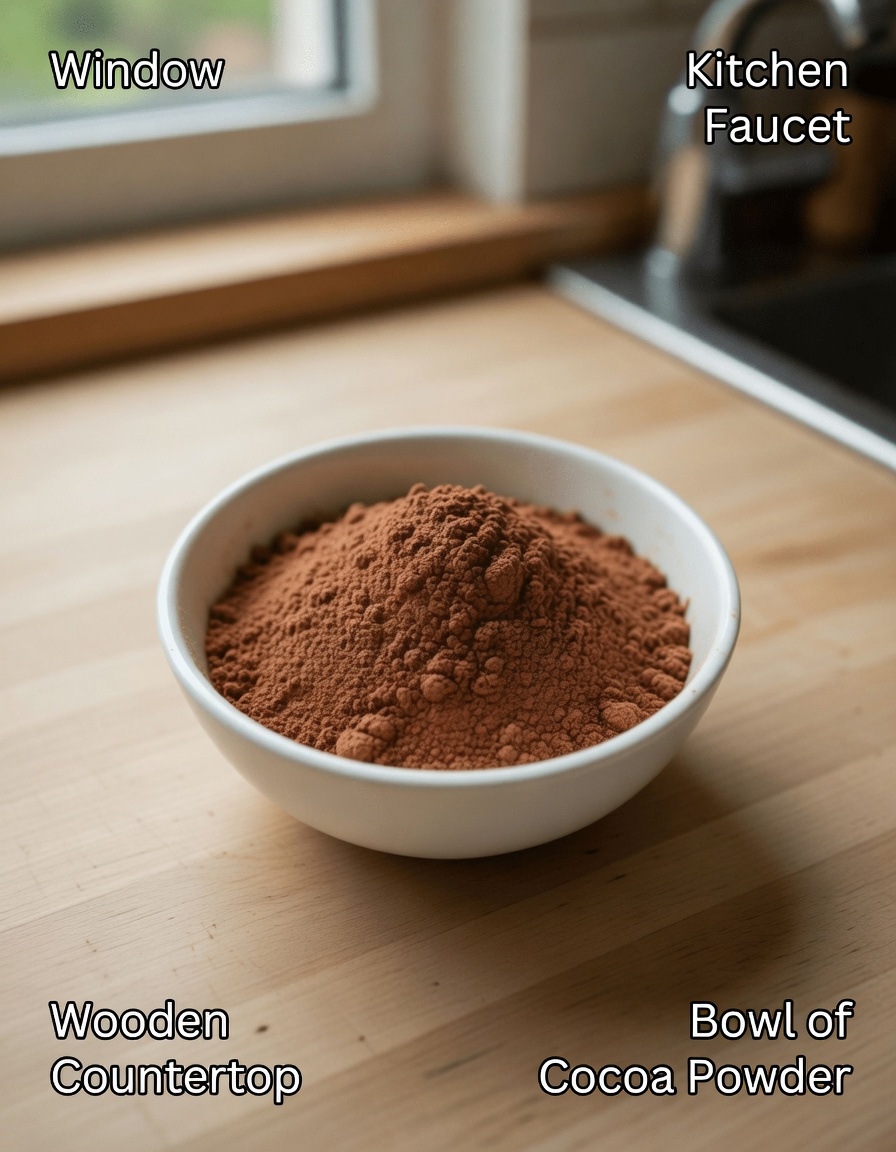
This is where the science becomes especially interesting. Cocoa naturally contains flavanols, which are plant compounds known for their antioxidant properties. Researchers have studied these compounds for their potential role in circulation, brain function, and overall wellness.
Some smaller clinical studies suggest cocoa flavanols may also have a positive effect on visual performance. In one randomized trial, participants who consumed dark chocolate rich in cocoa flavanols showed measurable improvements in visual acuity and contrast sensitivity within two hours. Another study using pure cocoa powder—around 2.5 grams—noted improved daytime visual sharpness in healthy adults.
Researchers believe these effects may be linked to better blood flow to the retina and brain. Cocoa also contains theobromine, a naturally occurring compound related to caffeine, which may provide a mild stimulating effect without being as intense for many people.
That said, it is important to stay realistic. Not every study has shown major long-term benefits. Larger trials, including the eye-health component of the COSMOS study, did not find an overall reduction in age-related macular degeneration risk after years of cocoa extract use, although some early short-term signals were observed during the first years.
In other words, cocoa flavanols are not a cure or miracle solution. However, they may offer gentle support as part of a broader eye-health lifestyle.
There is another reason cocoa is worth attention: the same flavanols that may support healthy circulation have also been associated in separate studies with cardiovascular benefits. Since the eyes depend heavily on a healthy blood supply, this connection may matter more than many people realize.
Why Taking Cocoa Before Bed Can Be a Practical Choice
Evening can be an ideal time to build this habit. A warm cocoa drink feels soothing and enjoyable, making it easier to stick with than a routine that feels like a task. It can become a comforting part of winding down at night.
Some early research suggests the effects of cocoa flavanols may peak within a couple of hours after intake, which aligns well with the time many people spend relaxing before sleep.
Compared with a morning coffee, cocoa usually offers a gentler effect. Its theobromine tends to feel smoother and less jittery for most people. Because cocoa naturally contains much less caffeine than coffee, it can fit more comfortably into a calming bedtime routine.
How to Start a Bedtime Cocoa Routine
If you want to try this approach, keeping it simple is best. Follow these steps:
-
Choose the right cocoa
- Use unsweetened, natural cocoa powder
- If possible, select a non-Dutch-processed option
- Look for products that mention high flavanol content, ideally around 200 mg per serving or more if listed
- Avoid sugary instant cocoa mixes
-
Use a small amount
- Start with 1 to 2 teaspoons, or roughly 2.5 to 5 grams
- This is similar to the amounts used in short-term studies with positive findings
-
Prepare it gently
- Mix the cocoa into 6 to 8 ounces of warm liquid
- Good options include:
- Milk
- Almond milk
- Water
- For taste, add:
- A little honey
- A pinch of cinnamon
-
Time it well
- Drink it about 1 to 2 hours before bedtime
- This gives your body time to absorb the flavanols
-
Stay consistent
- Try it nightly for at least two weeks
- Pay attention to how your eyes feel during reading, screen use, or other daily activities
A helpful tip: combine this routine with healthy sleep habits, such as dimming lights in the evening, reducing screen exposure, and keeping your bedroom cool and comfortable. These steps may help support overnight recovery for tired eyes.

Other Daily Habits That Help Protect Eye Health
Cocoa can be a supportive addition, but it should not be the only strategy. Eye wellness is strongest when multiple healthy habits work together.
Consider these evidence-based practices:
-
Eat more foods rich in lutein, zeaxanthin, and omega-3s
- Leafy greens
- Brightly colored berries
- Fatty fish
-
Protect your eyes from light stress
- Wear UV-blocking sunglasses outdoors
- Use blue-light-filtering glasses during evening screen use if helpful
-
Stay well hydrated
-
Keep blood pressure and blood sugar in a healthy range, as both directly affect retinal health
-
Book regular eye exams, especially after age 60
What Results Can You Realistically Expect?
Some people say their eyes feel less tired or strained after using cocoa consistently for a few weeks. However, results vary from person to person.
It is best to think of bedtime cocoa as one helpful part of a bigger wellness plan, not as a stand-alone fix. The short-term visual improvements reported in studies tended to appear within hours, while any long-term support is more likely to depend on overall healthy living.
Final Thoughts: A Small Nightly Habit With Potential Benefits
Adding a modest serving of cocoa to your bedtime routine is simple, affordable, and supported by intriguing research on flavanols, circulation, and visual function. Whether you are already focused on protecting your eyesight or just beginning to pay closer attention to it, this small ritual may be an enjoyable way to support your eyes.
Try it gently, observe how you feel, and combine it with smart everyday habits that promote healthy vision. Over time, those small choices may add up in meaningful ways.
Frequently Asked Questions
How much cocoa powder is safe before bed?
Most studies used relatively small servings, such as 2.5 grams, which is about one level teaspoon. A practical range is 1 to 2 teaspoons of unsweetened cocoa powder. If you have a medical condition or take medication, speak with your doctor first.
Can dark chocolate replace cocoa powder?
Yes, it can. Choose dark chocolate with 70% cacao or higher and as little added sugar as possible. A small portion of about 20 to 30 grams may provide similar flavanols. Still, pure cocoa powder gives you better control over sweetness and calorie intake.
Is this suitable for people with diabetes or high blood pressure?
Unsweetened cocoa powder is generally low glycemic and may support healthy circulation. Even so, if you have diabetes, high blood pressure, or take medication related to blood sugar or blood pressure, consult your healthcare provider before making it a regular habit.
Disclaimer
This article is intended for informational and educational purposes only. It does not provide medical advice, diagnosis, or treatment. Always consult a qualified healthcare professional before starting any new supplement, changing your diet, or beginning a wellness routine, especially if you have existing medical conditions or take prescription medications. Individual responses may vary.