Taking Vitamins and Supplements Together After 60: What Seniors Need to Know
Many older adults rely on daily vitamins and supplements to support energy, immunity, and bone strength as they enjoy their retirement years. However, certain combinations can interfere with absorption or create imbalances in the body, especially as metabolism and digestion change with age. Large studies suggest that thousands of emergency room visits each year are linked to dietary supplements, underscoring the importance of using them wisely.
The good news: by adjusting the timing and pairing of what you take, you may get more benefit from the same vitamins and supplements. This guide walks through common combinations used by seniors, explains why timing matters, and ends with smarter pairings and practical tips to help you feel more energized and supported.

Why Combining Vitamins and Supplements Deserves Extra Attention in Older Adults
Reaching your 60s and beyond often brings new health goals: maintaining stamina, supporting joints, and keeping your mind sharp. Supplements can help fill nutritional gaps—but your digestive system can only handle so much at once.
Many nutrients share the same absorption pathways in the gut. When several are taken together, they can compete, reducing how much of each your body actually uses. Some combinations may also amplify effects (such as thinning the blood) and require monitoring.
Age-related changes add another layer:
- Stomach acid levels often decline, affecting vitamin B12 and mineral absorption.
- Kidney and liver function may slow, altering how your body processes supplements.
- Common medications—like blood thinners, blood pressure drugs, or diabetes medicines—can interact with certain herbs and nutrients.
Multivitamins and “all-in-one” formulas can seem convenient, but they sometimes pack competing ingredients into a single pill. The result: you may not be getting the full benefit you expect.
Small shifts in when and how you take supplements can make a meaningful difference. Let’s look at some key combinations.

1. Vitamin C and Vitamin B12: A Duo That May Work Better When Separated
Vitamin C and vitamin B12 are both popular for energy and immune support, especially in older adults. However, in higher doses taken at the same time, vitamin C’s acidity may affect the stability of vitamin B12 in the digestive tract before it can be fully absorbed. This effect can be more noticeable in seniors who already have lower stomach acid.
Over time, less effective B12 absorption may contribute to:
- Persistent tiredness
- Feeling mentally “foggy” or less sharp
- Mood changes
You might ask yourself: on a scale from 1 to 10, how clear-headed do you feel on most days? If your number is lower than you’d like, timing could be one small factor among many.
Practical approach:
Many people find it helpful to take vitamin B12 earlier in the day (for example, with breakfast) and vitamin C a couple of hours later or with another meal. Separating them gives your body a better chance to absorb each.
2. Zinc and Copper: Immune Support vs. Hidden Deficiency
Zinc is widely used for immune support and wound healing, especially during cold and flu season. Copper plays a role in energy production, iron metabolism, and the health of connective tissues.
When taken in higher amounts at the same time, zinc can interfere with copper absorption in the intestines. Over the long term, this can contribute to low copper levels, which may show up as:
- Ongoing fatigue
- Weakness
- Changes in blood counts or immune function
These symptoms are often written off as “just getting older,” but sometimes they’re linked to how supplements are combined.
Practical approach:
If your routine includes both zinc and copper, many experts suggest taking them at different times of day, separated by at least two hours. This spacing can help reduce competition for absorption.
3. Ginkgo Biloba and Omega‑3s: Important to Discuss With Your Doctor
Ginkgo biloba is a popular herbal supplement often used for memory and circulation support. Omega‑3 fatty acids (from fish oil or algae) are commonly taken for heart, brain, and joint health. Both can mildly influence blood flow and clotting.
When ginkgo biloba and omega‑3s are used together—especially in higher doses—their effects on blood thinning may add up. This can be more relevant if you:
- Take prescription blood thinners (e.g., warfarin or similar drugs)
- Use aspirin or other pain relievers regularly
- Have a history of bleeding problems or upcoming surgery
Research suggests that these combinations should be approached carefully in older adults.
Practical approach:
If you take (or are considering taking) both ginkgo and omega‑3s, it’s wise to review this with your healthcare provider. They can help you decide whether the combination makes sense for you and whether any dose adjustments or monitoring are needed.
4. Calcium and Magnesium: Supporting Bones and Muscles Without Conflict
Calcium is essential for bone strength and is a staple in many osteoporosis-prevention routines. Magnesium helps muscles relax, supports heartbeat rhythm, and plays a role in nerve function and sleep quality.
Both minerals are important, but large doses taken at the exact same time may compete for absorption. This can reduce how much of each mineral your body actually uses.
An imbalanced intake can contribute to:
- Muscle cramps or twitches
- Digestive discomfort
- Suboptimal bone and muscle support
Some research points to an often-cited calcium-to-magnesium ratio of around 2:1 as a reasonable target for many adults, though individual needs differ.
Practical approach:
- Consider taking calcium and magnesium at different times of day (for example, calcium with breakfast and lunch; magnesium with dinner or before bed).
- Taking mineral supplements with a meal that includes some healthy fat (such as olive oil, avocado, nuts, or seeds) may support better overall absorption.
Mid‑Article Check-In: Reflect on Your Current Routine
Take a brief pause and think about how you’re currently using vitamins and supplements:
- How many of the combinations discussed so far show up in your daily routine?
- Which possible interaction concerns you the most?
- If you rated your energy level right now, has your perception changed as you’ve learned more?
- Which supplement timing tweak feels easiest to try first?
When you’re ready, let’s look at a few more combinations that matter—especially for energy and nutrient absorption.
5. Green Tea Extract and Iron: Timing Matters for Iron Levels
Green tea extract appears in many “antioxidant” and weight management formulas. Iron is frequently used to address low energy related to iron deficiency or to support healthy blood.
Certain compounds in green tea (including tannins) can bind to iron in the digestive tract. When taken too close together, this can reduce iron absorption—particularly for non‑heme iron found in plant-based supplements or foods.
For someone using iron to address fatigue or low ferritin levels, reduced absorption may slow progress.
Practical approach:
- Try to separate green tea extract and iron by at least two hours.
- If you drink brewed tea often, you may also want to avoid taking iron with tea and instead take it with water or juice.
- Some people benefit from combining iron with a vitamin C–containing food or supplement (at a different time from tea), which can enhance iron absorption.
If you still feel unusually tired despite taking iron, it may be worth reviewing both your supplement timing and your lab results with a healthcare professional.
6. Vitamins D, E, and K: Fat‑Soluble Vitamins to Space Out
Vitamins D, E, and K are fat‑soluble, meaning they are absorbed along with dietary fats and stored in the body’s tissues. They are often combined in formulas for bone health, antioxidant support, and normal blood clotting.
When taken in high doses at the same time, these fat‑soluble vitamins can share absorption pathways. In some cases, this may reduce how effectively your body uses each one and, over the long term, may contribute to imbalances.
Practical approach:
- Spread vitamins D, E, and K across different meals during the day rather than taking large doses all at once.
- Take them with meals that include healthy fats (such as olive oil, nuts, seeds, eggs, or fatty fish) to support better absorption.
- Work with your healthcare provider to determine appropriate dosages, especially if you already take prescription medications that affect blood clotting or bone metabolism.
Smart Supplement Pairings and Practical Steps to Feel More Energized
While some combinations require caution, others can work well together when used thoughtfully. Here are a few examples many seniors discuss with their healthcare providers:
-
Vitamin D with Calcium (and Often Magnesium):
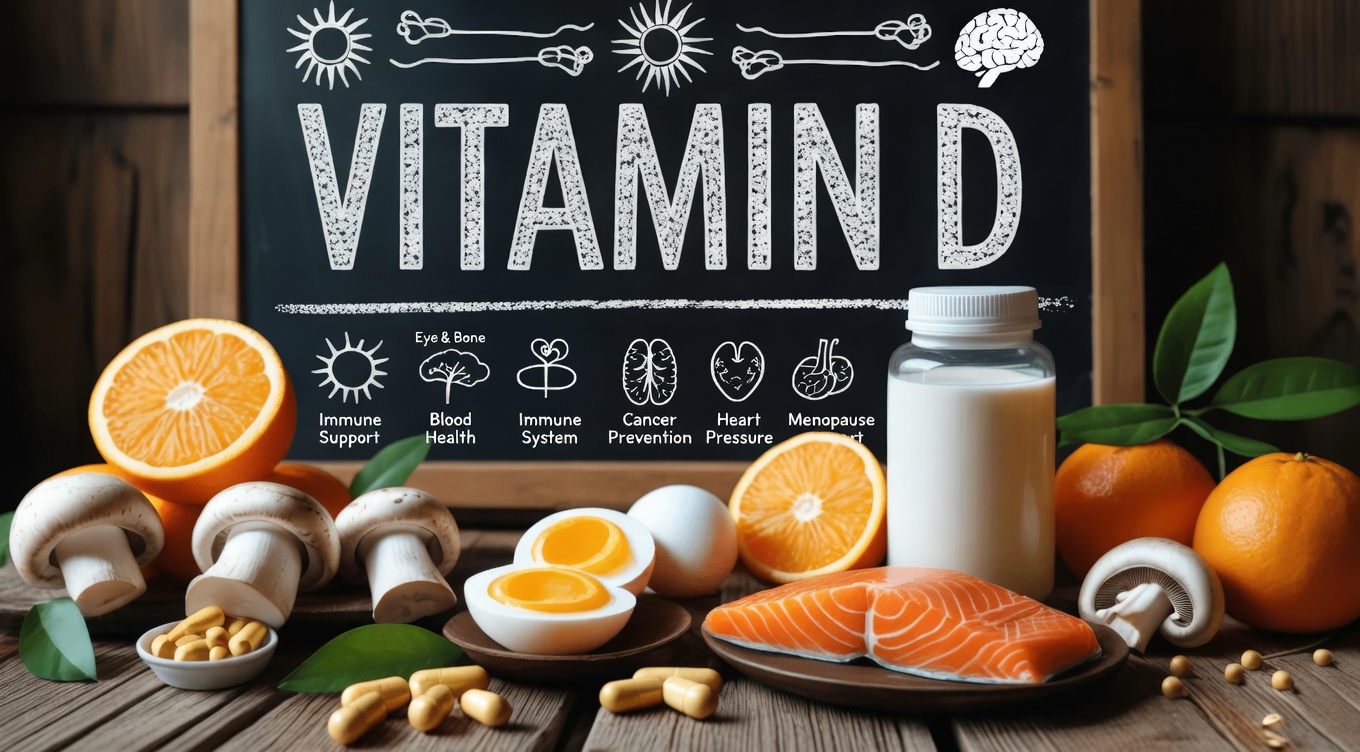
Vitamin D helps your body absorb calcium, making this a common pairing for bone support. Magnesium also plays a role in bone structure and vitamin D metabolism. Balancing these three—rather than taking very high doses of just one—can be helpful under professional guidance. -
Vitamin C with Iron (At a Different Time From Tea or Coffee):
Vitamin C can enhance iron absorption, particularly from plant-based sources. Many people take iron with a small amount of vitamin C, but avoid pairing it with tea, coffee, or calcium at the same time. -
Magnesium in the Evening:
Magnesium can support muscle relaxation and may be more comfortable to take later in the day for some people. If higher doses upset your stomach, dividing it into two smaller doses—spaced away from calcium—may be easier to tolerate.
To get more from your vitamins and supplements while staying safe:
- Make a simple schedule: Write down what you take, when you take it, and with which meals.
- List your medications and supplements together: Share this list with your doctor or pharmacist to check for interactions.
- Start low and go slow: Adding one new supplement at a time makes it easier to notice how your body responds.
- Prioritize food first: A nutrient-rich diet provides the foundation; supplements are there to fill gaps, not replace balanced meals.
By paying attention to combinations, timing, and your body’s signals, you can use vitamins and supplements more effectively as you age—and support your health in a way that’s both smarter and safer. Always consult your healthcare provider before making significant changes to your supplement routine.