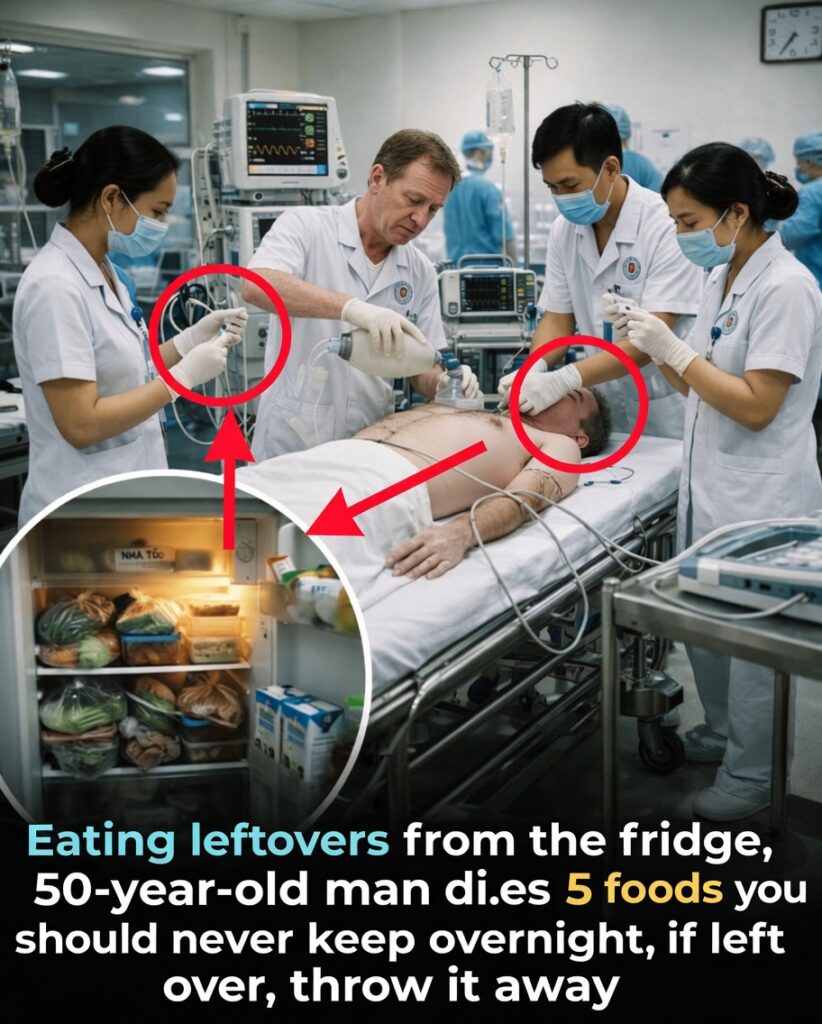
5 Common Foods You Should Never Keep Overnight (and How to Stay Safe)
You open the fridge the next day, spot last night’s delicious dinner, and think, “Perfect, an easy lunch.” For thousands of people in their 40s and 50s, that same habit has ended in sudden nausea, sharp stomach cramps, and days of exhaustion that derail work, plans, and family time. What looks like harmless rice, chicken, or pasta can turn into a perfect breeding ground for bacteria if it’s not cooled and stored correctly.
In one widely shared case online, a 50‑year‑old man tragically died after eating contaminated leftovers from his refrigerator. Stories like this are rare but highlight a real risk: some everyday foods are far more dangerous as leftovers than others.
The part most people don’t know? There are 5 specific, very common foods you should never keep overnight. Knowing which ones to throw out instead of reheat can dramatically reduce your risk of food poisoning and give you real peace of mind.
Keep reading to learn:
- Which 5 foods you should never keep overnight
- Why they become so risky
- Simple steps to make your kitchen and leftovers safer for everyone at home
Why Certain Leftovers Become Dangerous in the Fridge
Food safety specialists at organizations like the CDC and USDA explain that bacteria grow fastest in what they call the “danger zone”: between 40°F and 140°F (about 4°C to 60°C). Food that spends too long in this temperature range — even before it reaches your fridge — can become unsafe very quickly.
Moist, nutrient-rich foods are especially vulnerable. Many of the foods you should never keep overnight fall into this category, which is why they’re linked with sudden bouts of vomiting, diarrhea, and stomach pain after reheating.
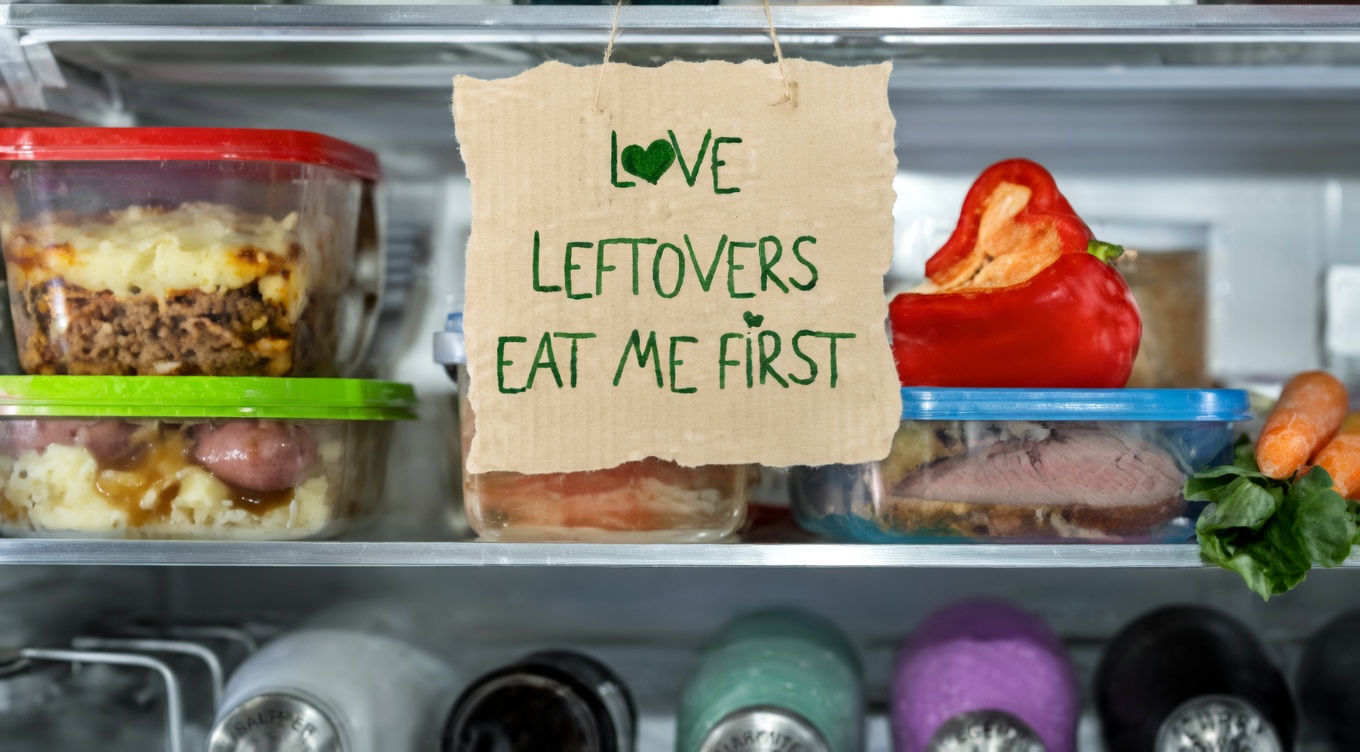
For adults in midlife and beyond, these infections can hit harder and last longer. Our immune systems tend to slow down as we age, making it more difficult to bounce back from foodborne illness. That is why understanding which foods you should never keep overnight is more than just a money-saving tip — it’s a real health safeguard for you and your family.
1. Cooked Rice: One of the Riskiest Foods to Keep Overnight
Cooked rice is one of the classic “do not keep overnight” foods because of a bacterium called Bacillus cereus. This organism is responsible for what’s often known as “fried rice syndrome.”
If cooked rice is left out too long before refrigerating, or stored for too long, Bacillus cereus can multiply and produce toxins. The dangerous part is that these toxins can survive reheating, even if the rice is steaming hot.
Common problems linked to mishandled rice include:
- Sudden vomiting
- Watery diarrhea
- Intense stomach cramps
Many food safety guidelines urge you to be extremely cautious with rice:
- Do not eat rice that has been left out at room temperature for more than 2 hours
- Be very careful about rice that has been kept overnight, even in the fridge, if you’re unsure how quickly it was cooled
If you often keep rice leftovers “just in case,” you may be taking a bigger health gamble than you realize. When in doubt, it’s safer to discard cooked rice than risk a miserable day of food poisoning.
2. Cooked Pasta: Another Starchy Leftover That Can Turn Toxic
Pasta seems harmless, but cooked pasta can carry similar risks to rice and is also one of the foods you should avoid keeping overnight. Once again, Bacillus cereus is a major concern if the pasta cools slowly or sits out on the counter too long before refrigeration.
Illness from spoiled pasta can bring:
- Nausea
- Stomach cramps
- Vomiting and diarrhea
There have been serious, even life-threatening cases reported after people ate improperly stored pasta that had been left out or kept too long. These incidents highlight that even familiar comfort foods can become dangerous if mishandled.
To reduce your risk:
- Refrigerate cooked pasta as soon as possible (within 2 hours of cooking)
- If pasta has been left overnight at room temperature, do not try to “save” it by reheating — throw it away
- When in doubt about how long it has been sitting or how it was stored, it’s safer not to eat it
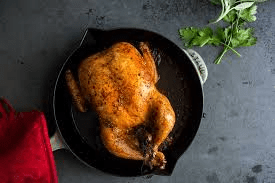
3. Cooked Chicken: A High-Risk Leftover You Should Treat Carefully
Cooked chicken is near the top of the list of foods you should never keep overnight if you are unsure about how it was stored. Poultry is especially vulnerable to harmful bacteria such as Salmonella and Campylobacter. Even in the fridge, if the chicken was not cooled promptly or stored properly, these pathogens can survive and cause illness.
Typical symptoms of chicken-related food poisoning include:
- Fever and chills
- Abdominal cramps
- Diarrhea and fatigue
Food safety authorities consistently emphasize:
- Refrigerate cooked chicken within 2 hours of cooking (within 1 hour if the room is very warm)
- Store it in shallow, covered containers so it cools quickly
- Ideally eat it within 1 day if you are in a higher-risk group (including older adults or those with health conditions)
That leftover chicken curry or roast may seem too good to waste, but if it sat out for too long or has been lingering in the fridge overnight and you’re unsure of its history, the safest choice is not to eat it.
4. Egg Dishes: A Surprisingly Risky Category to Keep Overnight
Many people are surprised to learn that egg-based dishes belong on the list of foods you should never keep overnight. Items such as:
- Scrambled eggs
- Quiches and frittatas
- Breakfast casseroles
- Custard-style dishes
can all become risky if they are not cooled and stored correctly. Eggs are a common source of Salmonella, which can multiply quickly in moist, protein-rich dishes.
Symptoms often include:
- Stomach upset
- Diarrhea
- Nausea and sometimes fever
Older adults and anyone with a weakened immune system are particularly vulnerable to complications from egg-related food poisoning. To protect yourself:
- Eat egg dishes fresh whenever possible
- Do not leave egg-based meals sitting at room temperature
- If you are unsure how long an egg dish has been in the fridge, err on the side of throwing it out rather than reheating it
That leftover omelette may look fine, but the potential cost to your health is rarely worth the risk.
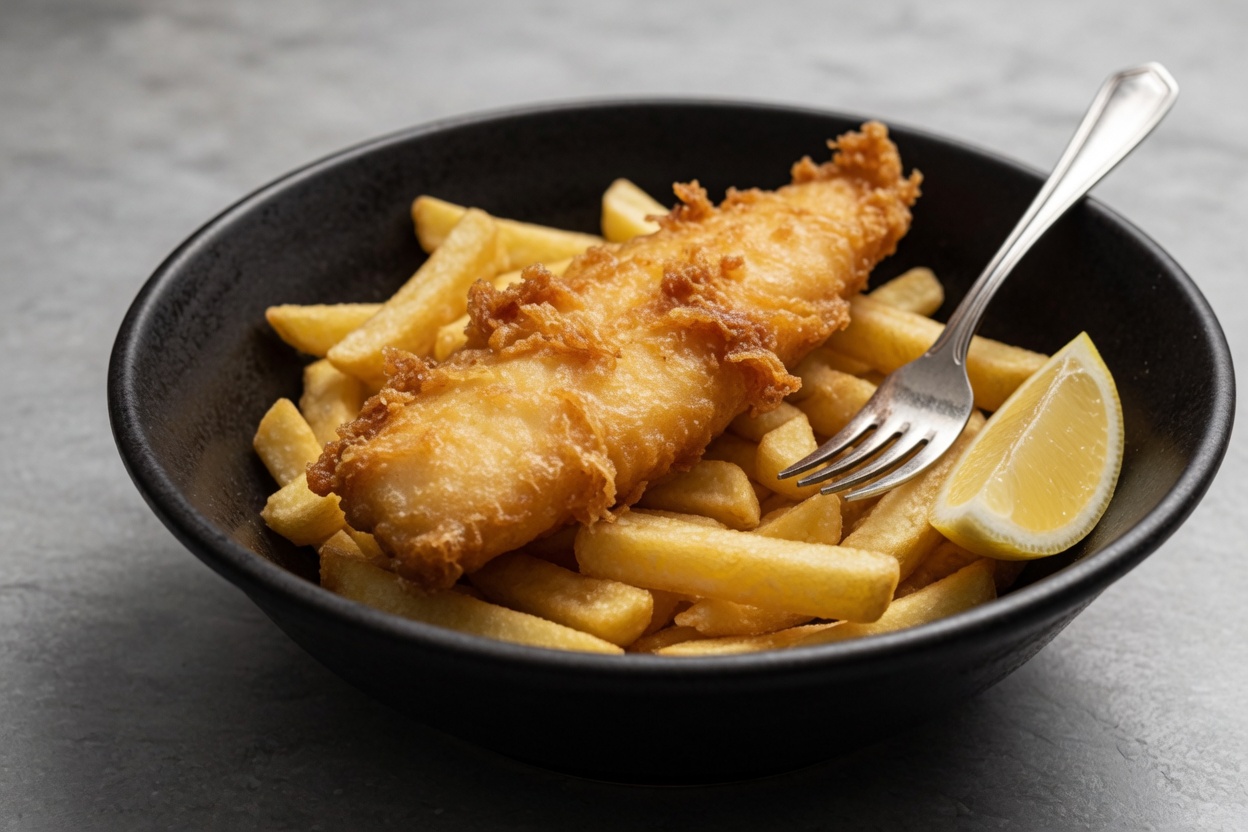
5. Cooked Seafood: The Fastest Spoiling Food You Should Never Keep Overnight
Seafood — including fish, shrimp, shellfish, and other ocean or freshwater foods — spoils far more quickly than most people realize. That makes cooked seafood one of the highest-risk foods to keep overnight.
Bacteria such as Vibrio and other pathogens can grow rapidly in seafood that has not been cooled quickly enough. In some cases, certain fish can also develop toxin-related issues that reheating will not fix.
Seafood-related food poisoning may cause:
- Severe nausea and vomiting
- Diarrhea
- Dehydration and weakness
Many people in their 50s and beyond report that a “bad seafood leftover” was one of the worst bouts of food poisoning they ever experienced. Because fish and shellfish are so delicate, experts often recommend being especially strict with leftover seafood:
- Refrigerate immediately after the meal (within 1–2 hours)
- If seafood has been kept overnight and you are unsure about how it was cooled or stored, do not risk it
When it comes to seafood, a cautious approach is often the safest one for your health.

Quick Risk Snapshot: Foods You Should Never Keep Overnight
| Food | Main Safety Concern | Common Symptoms | Expert Advice for Leftovers |
|---|---|---|---|
| Cooked rice | Bacillus cereus toxins | Vomiting, diarrhea, cramps | Discard if left out > 2 hours; avoid uncertain overnight rice |
| Cooked pasta | Bacillus cereus | Nausea, stomach pain, diarrhea | Refrigerate immediately or throw away |
| Cooked chicken | Salmonella, Campylobacter | Fever, fatigue, abdominal cramps | Cool and refrigerate within 2 hours; eat very promptly |
| Egg dishes | Salmonella | Digestive upset, diarrhea, nausea | Best eaten fresh; be cautious with overnight storage |
| Cooked seafood | Vibrio and other bacteria | Severe nausea, diarrhea, dehydration | Store very quickly; many experts advise discarding leftovers |
Safer Habits So You Don’t Rely on Risky Leftovers
The positive news: a few smart habits can dramatically reduce your risk of foodborne illness, especially with foods you should never keep overnight. Good handling and storage practices help protect your health, even if you occasionally decide not to keep certain leftovers at all.
General safety tips include:
- Cool hot food within 2 hours (1 hour in hot weather)
- Use airtight, shallow containers so food chills quickly and evenly
- Label containers with the date so you know how long they’ve been stored
- Reheat leftovers thoroughly to at least 165°F (74°C)
- Never leave perishable food sitting out for long “just to snack on later”
- When in doubt about smell, appearance, or storage time, throw it out
These simple rules help many families avoid stressful, preventable illnesses linked to leftovers.
Step-by-Step Guide to Handling Leftovers Safely
Follow this practical sequence every time you cook more than you can eat in one sitting:
-
Serve smart
- Only place as much food on the table as you expect to eat. Keep the rest in the kitchen, ready to cool and store quickly.
-
Cool quickly
- Within 2 hours of cooking (or 1 hour in a warm room), transfer hot food into small, shallow containers to speed up cooling.
-
Cover and store
- Seal containers with airtight lids and place them in the refrigerator promptly. Do not stack hot containers tightly; allow air to circulate so they chill faster.
-
Label clearly
- Mark each container with the date (and contents). This makes it easier to follow safe time limits and avoid forgotten items at the back of the fridge.
-
Reheat thoroughly
- When you’re ready to eat, reheat leftovers until they reach at least 165°F (74°C) all the way through. Stir or rotate food to heat it evenly.
-
Be extra cautious with high-risk foods
- For cooked rice, pasta, chicken, egg dishes, and seafood, be particularly careful. If they were not cooled properly or have been sitting overnight and you’re uncertain, it is safer not to eat them.
-
Trust your instincts — and the rules
- If something smells off, looks unusual, or you simply can’t remember how long it’s been there, follow the golden rule: when in doubt, throw it out.
By knowing which foods you should never keep overnight — and how to handle all leftovers more safely — you can enjoy convenient meals without sacrificing your health or peace of mind.