Natural Relief for Tired Eyes in a Screen-Focused World
Long stretches in front of a computer or phone can leave your eyes feeling gritty, overworked, and slow to refocus. Tasks that once felt effortless—reading small text, driving at night, or working under bright office lights—may now demand extra effort. These gradual shifts, often linked to age, fatigue, and daily stress, can be frustrating if you’re looking for gentler solutions than medicated drops or invasive procedures.
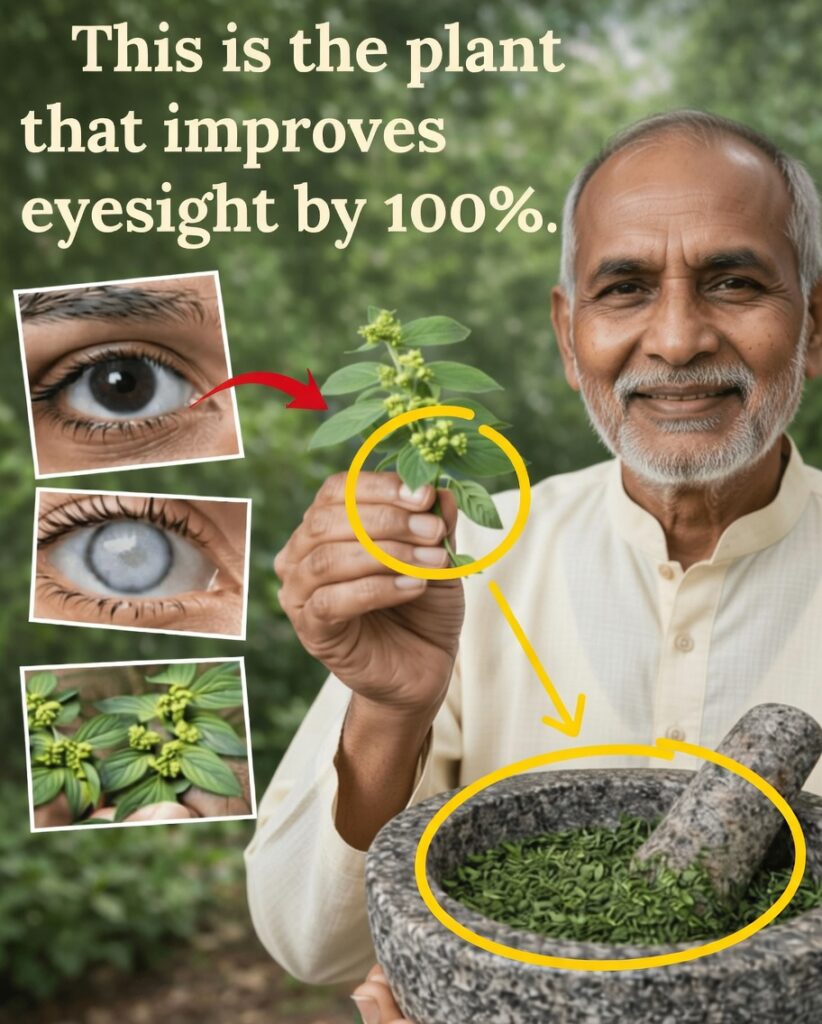
This is where traditional herbs like Euphorbia hirta enter the conversation. Long used in folk medicine, this modest plant is now attracting interest as a potential ally for eye comfort—when used correctly and cautiously. Below, you’ll learn how Euphorbia hirta has been used historically, what early research suggests, and how it might fit safely into a modern eye-care routine for adults over 40.
What Is Euphorbia hirta?
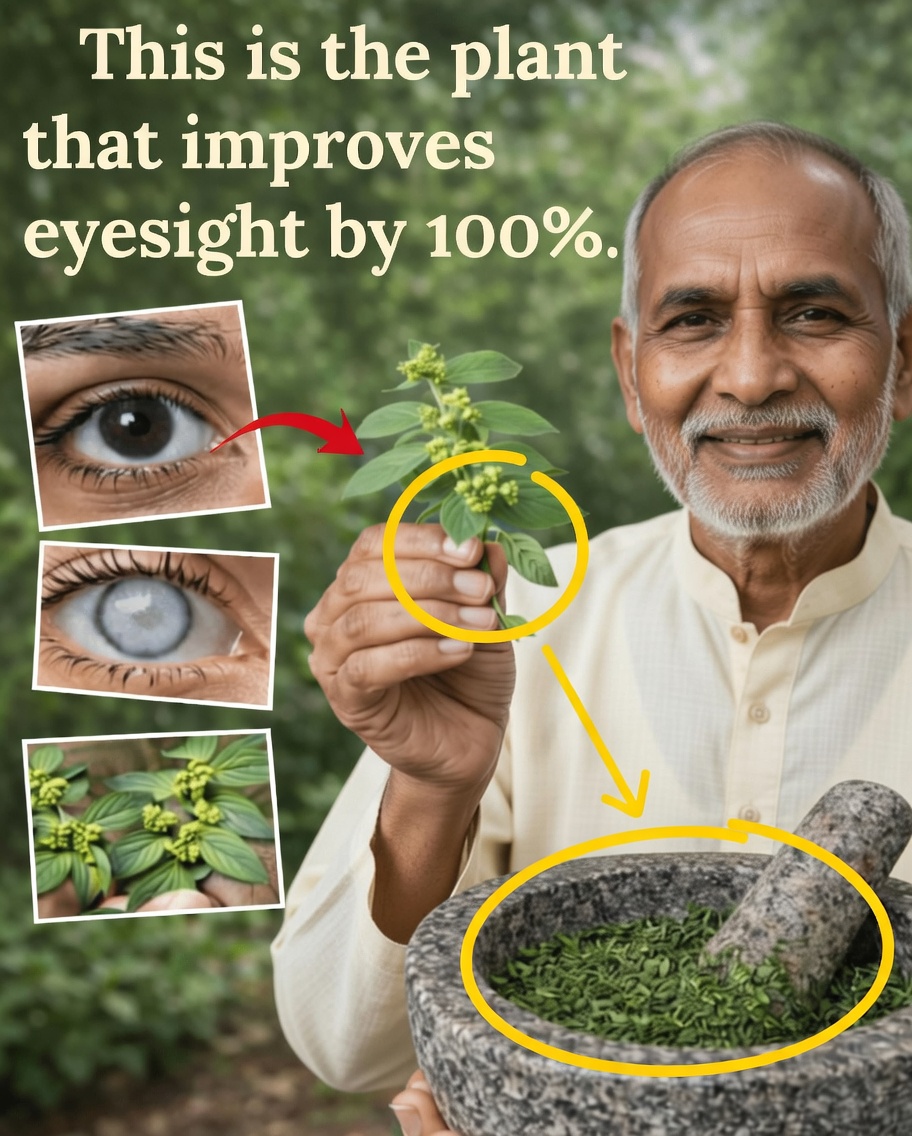
Euphorbia hirta is a small, ground-hugging herb with tiny green leaves and a milky sap, commonly found in warm, tropical regions. In many communities it has earned a place in traditional medicine cabinets for broad wellness support, including respiratory comfort and skin applications.
Often nicknamed “asthma weed,” Euphorbia hirta is now being revisited for its traditional reputation in easing eye fatigue and surface irritation. However, one point is critical:
Euphorbia hirta should never be used raw or placed directly into the eyes. Its sap can be irritating and must only be used in forms and methods approved by qualified professionals.

Traditional Uses for Eye Comfort in Folk Medicine
Across parts of Asia, Africa, and Latin America, Euphorbia hirta has appeared in folk remedies for minor eye discomfort linked to daily strain, dust, or mild surface irritation.
In traditional settings, people have:
- Prepared diluted herbal washes or infusions under guidance
- Used leaf poultices or compresses over closed eyelids
- Applied it as part of broader rituals to ease general eye tiredness
Euphorbia hirta has been valued for its perceived ability to:
- Soothe redness and mild irritation
- Provide comfort for styes or minor surface sores
- Help eyes feel less strained after long days of focused work
Even so, traditional knowledge has always approached this plant with respect, recognizing that it is powerful and must be handled carefully. Today, Euphorbia hirta is best seen as a supportive add-on, not a replacement for professional eye care—especially if you’re noticing age-related changes in vision.
What Modern Research Is Starting to Show
Science is beginning to explore how Euphorbia hirta might support eye health at a cellular level, especially in the context of oxidative stress from blue light exposure and aging.
Early laboratory and animal studies suggest that:
- Natural flavonoids and tannins in Euphorbia hirta may help slow certain lens changes associated with oxidative damage.
- Extracts of the plant show antioxidant activity, which could, in theory, support lens clarity over time.
- Some experiments point to anti-inflammatory effects, aligning with its traditional use for surface irritation.
These findings are preliminary and mostly based on non-human models, meaning they cannot yet be translated into proven medical benefits for people. Still, they hint that Euphorbia hirta might complement preventive eye-care habits such as good nutrition, UV protection, and regular breaks from screens.
Traditional vs. Scientific View: A Quick Comparison
| Aspect / Concern | Traditional or Folk Use | Early Scientific Clues | Caution & Safety Notes |
|---|---|---|---|
| Eye sores / styes | Sap or crushed leaves applied to eyelids | Antibacterial activity observed in lab | Sap can be irritating; never put in the eye |
| Conjunctivitis (red eyes) | Mentioned in ethnobotanical records | Anti-inflammatory effects in studies | No clinical trials; infections require medical care |
| General eye tiredness | Compresses or poultices over closed lids | Antioxidant and calming compounds noted | External use only; patch test and seek guidance first |
This overview helps explain why many people are cautiously curious about Euphorbia hirta for day-to-day eye comfort, particularly as part of a holistic wellness plan.
Easing Modern Eye Strain with Traditional Wisdom
Long hours on digital devices often leave the eyes feeling dry, heavy, and overworked. Within holistic wellness circles, Euphorbia hirta is sometimes used to help with:
- Surface discomfort after a full day of screen time
- A sense of heat or burning around the eyes
- Mild redness and fatigue related to visual overuse
When prepared and used safely, a warm compress made from properly processed Euphorbia hirta is described as offering a cooling, relaxing sensation over closed eyelids. In combination with rest and proper hydration, this approach may help your eyes feel less tight and strained in the evening.

Antioxidant Support for Long-Term Eye Comfort
Daily exposure to UV light, pollution, and blue light from screens produces oxidative stress, which is thought to play a role in how quickly the eyes show signs of aging.
Research indicates that Euphorbia hirta contains:
- Flavonoids
- Tannins
- Other phytochemicals with antioxidant potential
These compounds may help neutralize free radicals in experimental settings, suggesting Euphorbia hirta could be a subtle ally when combined with:
- A diet rich in leafy greens, berries, and healthy fats
- UV-blocking sunglasses
- Regular breaks from artificial light
While not a cure or stand-alone solution, the plant’s antioxidant profile makes it an interesting addition to a preventive eye-care lifestyle for adults in midlife and beyond.
Anti-Inflammatory Benefits That May Matter for Your Eyes
Inflammation—whether triggered by pollen, pollution, extended focus, or simple fatigue—can intensify everyday eye discomfort. In various studies, Euphorbia hirta has demonstrated anti-inflammatory actions, which align with its traditional use for:
- Mild surface irritation
- Puffy or tired eyelids
- “On edge” eyes that feel easily aggravated
Thoughtfully integrated, Euphorbia hirta may help your eyes feel:
- Calmer throughout the day
- Less reactive to minor environmental triggers
- More relaxed in the evening when you finally step away from screens
For many people, this gentler route is appealing compared with relying on eye drops at every sign of discomfort.
Real-Life Experience: Maria’s Story
Maria, 62, had long battled recurring dryness and light irritation that made it harder to enjoy her favorite novels at night. After consulting her eye doctor and discussing herbal options, she decided to carefully try professionally prepared Euphorbia hirta in the form of warm compresses over closed eyes.
Within a few weeks:
- Her eyes felt less scratchy by bedtime
- She noticed fewer evenings cut short by discomfort
- The ritual itself became a calming signal that her day was winding down

For Maria, Euphorbia hirta did not replace her regular eye checkups or prescribed care. Instead, it became a gentle, supportive layer—a small change that quietly improved how her eyes felt from day to day.
The Whole-Body Link: Why Overall Wellness Matters
Eye strain doesn’t exist in isolation. Poor sleep, ongoing stress, and overall fatigue can all make focusing harder and increase the sense of visual burnout.
Traditionally, Euphorbia hirta has also been used to support:
- Respiratory comfort
- General systemic balance
- Recovery from everyday fatigue
By contributing to broader wellness, Euphorbia hirta may indirectly ease the burden on your eyes:
- Better sleep often means less dryness and redness
- Reduced stress can decrease tension around the eyes and forehead
- A more balanced body tends to handle screen time more gracefully
This holistic perspective is one reason Euphorbia hirta appears in wellness discussions for adults over 40 who are looking to support both vision comfort and overall vitality.
How to Add Euphorbia hirta to Your Eye-Care Routine (Safely)
If you already follow basic eye-care practices—like the 20-20-20 rule, staying hydrated, and eating nutrient-rich foods—Euphorbia hirta can be explored as a complement, not a replacement.
Here is a cautious, step-by-step approach:
-
Speak with a professional first
- Consult your eye doctor and, if possible, a qualified herbal practitioner.
- Get a baseline eye exam so you can track changes accurately.
-
Choose reputable preparations only
- Use Euphorbia hirta products from trusted sources (such as standardized teas or extracts).
- Ensure they are clearly labeled for external use if you plan to use them near the eyes.
-
Consider a warm compress over closed eyes
- Prepare as directed by your practitioner (for example, using a clean cloth soaked in a warm, diluted infusion).
- Place the compress gently over closed eyelids for 5–10 minutes, then discard and rinse the cloth well.
-
Use herbal rinses only under guidance
- If your practitioner approves, a cooled, diluted infusion may be used for external rinsing around the eye area—never directly into the eye itself.
- Always monitor closely for any sign of irritation.
-
Pair with proven eye-care habits
- Continue regular screen breaks, a nutrient-rich diet, sufficient water intake, and proper lighting.
- Sleep hygiene and stress reduction techniques amplify any benefits you may notice.
-
Track how your eyes feel over time
- Keep a simple journal, noting dryness, redness, or strain on a weekly basis.
- Adjust usage—or discontinue—based on professional advice and your own observations.
Important Safety Reminders

Because Euphorbia hirta is a potent plant, safety should always come first when considering it for eye comfort:
- Never apply raw sap or unprocessed plant material directly into the eyes.
- Do not self-treat serious eye issues. Sudden vision loss, intense pain, severe redness, trauma, or discharge require immediate medical attention.
- Patch test first. Even for external use around the eye area, test on a small area of skin (such as the inner forearm) to check for allergies or sensitivity.
- Avoid internal use without professional guidance. Euphorbia hirta can interact with medications or underlying health conditions.
- Pregnant or breastfeeding individuals should only use Euphorbia hirta if a healthcare provider explicitly approves it.
- Stop use immediately if you notice burning, swelling, rash, worsening redness, or changes in vision, and seek medical care.
- Keep all herbal products away from children and pets.
Key Takeaways
- Euphorbia hirta is a traditional herb with a long history of use for general wellness and minor eye comfort—when handled responsibly.
- Early lab research points to antioxidant and anti-inflammatory properties, which may support eye health as part of a broader preventive strategy.
- For adults over 40 facing growing eye strain from screens, Euphorbia hirta can be explored as a gentle, supportive addition—not a cure and not a substitute for professional care.
- Safe use always involves professional guidance, high-quality preparations, external-only application around the eyes, and careful monitoring of your body’s response.
Used thoughtfully and respectfully, Euphorbia hirta may offer the soothing, natural support your eyes have been quietly needing—fitting smoothly into a lifestyle that already values prevention, balance, and mindful self-care.