Subtle Early Signs of Vascular Dementia Most People Miss
Many people notice slight changes in how fast they think, how clearly they plan, or how steadily their mood holds. These shifts are often blamed on stress, a busy life, or “just getting older.” But when they start to interfere with paying bills, driving familiar routes, or enjoying family time, they can trigger deep worry about losing independence.
The emotional impact grows for both the person affected and their loved ones, especially when no one understands why simple tasks suddenly feel confusing or exhausting. Recognizing possible early signs of vascular dementia can help you start the right conversations with your doctor and protect brain health sooner.
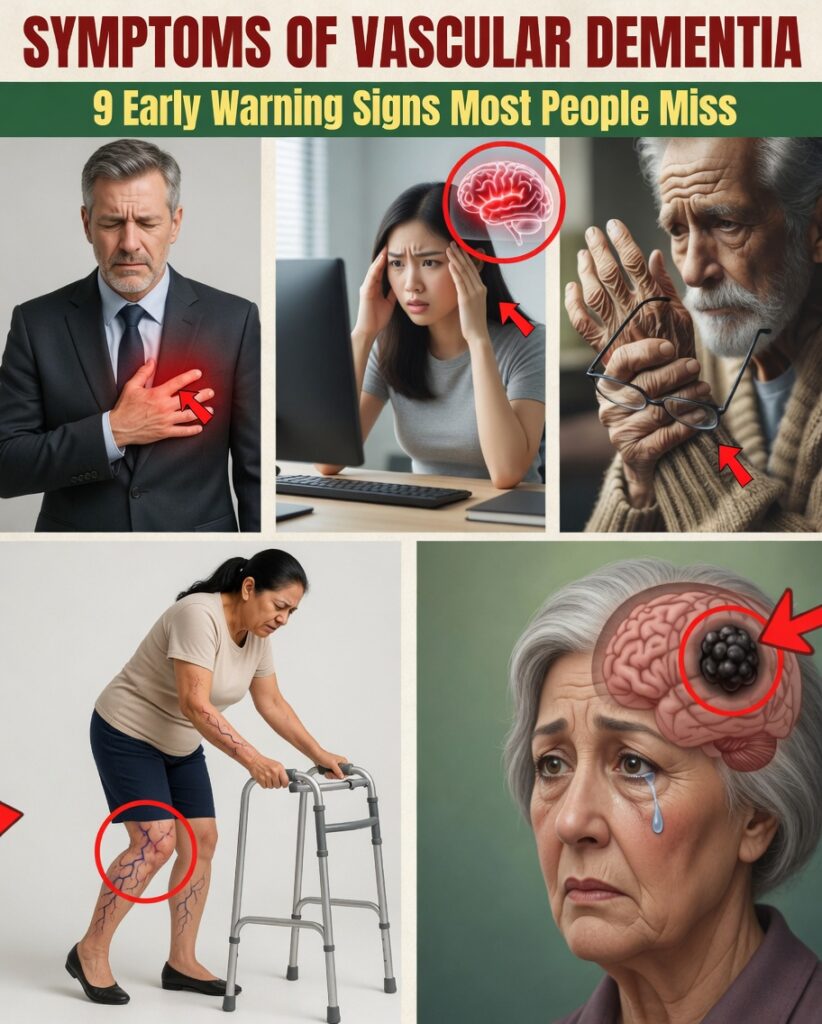
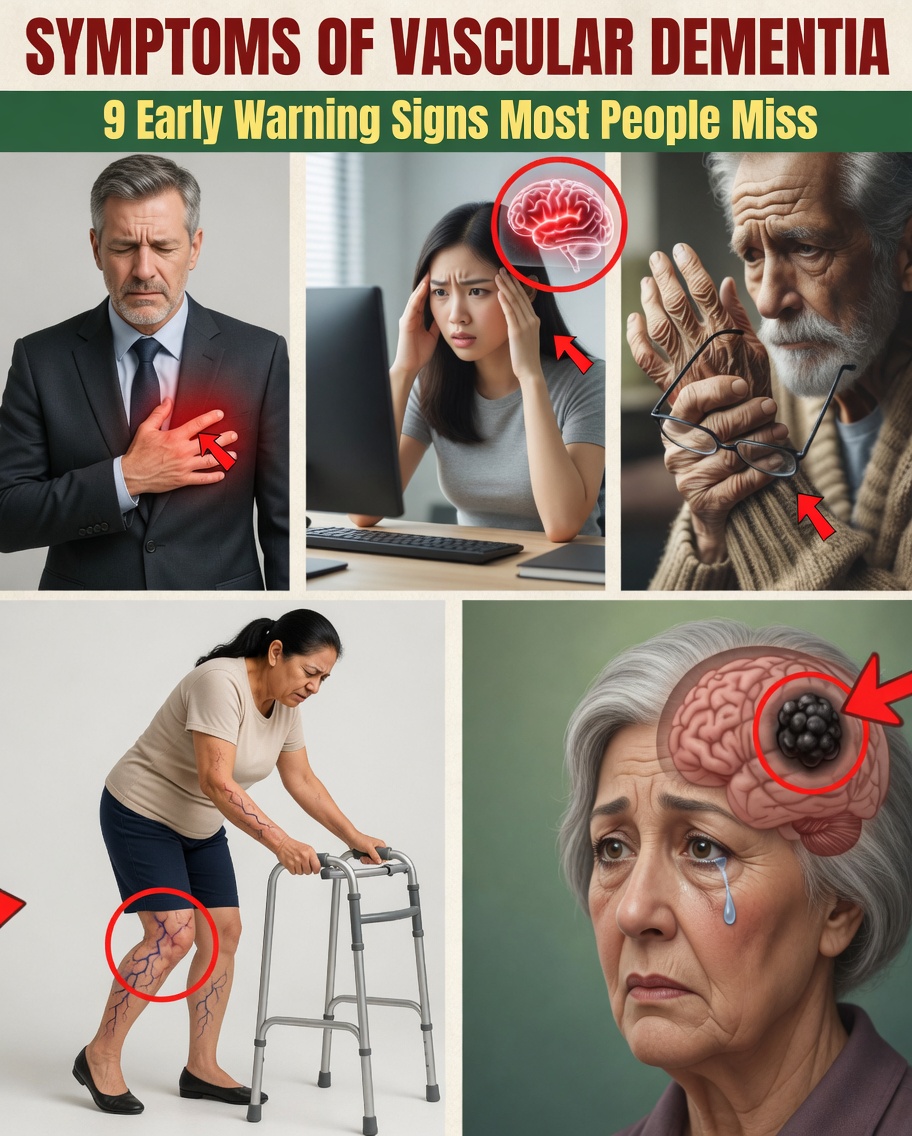
What if the nine early signs of vascular dementia that so many people overlook—especially #3—are actually your brain’s quiet signal that it needs attention right now?
Why Vascular Dementia Often Goes Unnoticed at First
🧠 Vascular dementia usually develops gradually, often after repeated small disruptions in blood flow to the brain. When these changes are brushed off as normal aging, the loss of independence can creep in slowly and silently.
Unlike some other dementias, vascular dementia often affects planning, focus, and mental speed before obvious memory loss appears. That mismatch creates anxiety and frustration: you may feel something is wrong, yet still remember many details clearly.
Research from organizations such as the Mayo Clinic and the National Institute on Aging indicates that vascular dementia commonly impacts frontal brain circuits early on. Despite this, many people assume they are just tired, stressed, or reacting to medication—and never consider a vascular cause.
If your recent “senior moments” feel different, more frequent, or more distressing, that inner doubt is a signal worth listening to. Awareness truly matters.
Here’s what most people miss: early vascular dementia signs can be brief or inconsistent at first. That makes them easy to dismiss—but it also creates a critical window of time when taking action can make a meaningful difference.

⚠️ Early Sign 1: Brief Confusion or Slurred Speech After a “Mini-Stroke” (TIA)
Short episodes of confusion, difficulty speaking clearly, or trouble finding words that resolve within minutes or hours may be linked to a transient ischemic attack (TIA), often called a “mini-stroke.” These episodes are a major warning sign for vascular dementia.
Because these symptoms fade, many people shrug them off as stress, fatigue, or low blood sugar. Yet they can be early signals that blood flow to the brain is being disrupted.
One retired teacher noticed that, during a phone call, her speech suddenly became slurred and her thoughts felt jumbled. The episode passed quickly, and she didn’t seek help right away—something she later regretted after learning about the link to vascular dementia.
If anything similar has happened to you, especially if you suspect a TIA, it’s important to consult a doctor immediately rather than waiting to see if it happens again.
⚠️ Early Sign 2: New Difficulty Planning, Organizing, or Managing Daily Tasks
Struggling to organize a simple to-do list, feeling stuck when balancing a checkbook, or repeatedly forgetting steps in a familiar recipe may signal early changes in “executive function”—the brain’s planning and organizing system.
When vascular dementia begins to affect these skills, everyday activities that once felt automatic can become overwhelming. This can lead to frustration, embarrassment, and a sense of losing control at home or at work.
A former accountant first noticed trouble when household finances started to feel confusing and disorganized. It took nearly two years before anyone connected these problems to vascular changes in the brain.
Spotting this pattern early and sharing it with a healthcare provider can lead to earlier evaluation and support.
⚠️ Early Sign 3: Slower Thinking and Processing Speed (Often Overlooked)
Needing more time to answer questions, follow conversations, or react while driving familiar roads is one of the most commonly missed early signs of vascular dementia.
This slowing of thinking speed can be subtle. You might still remember events well but feel like your “mental gears” turn more slowly. Many people chalk this up to normal aging, yet it can be an early marker of vascular damage in the brain.
Neurology research has linked slowed processing speed to changes in the brain’s white matter—areas often affected by poor blood flow in vascular dementia. Because memory might still feel mostly intact, people tend to ignore this warning sign until it becomes more obvious.
Take a moment to ask yourself: do mental tasks that used to feel simple now require noticeably more time or effort? That honest self-check can be a powerful starting point for getting help.

⚠️ Early Sign 4: Trouble Sustaining Attention or Staying on Task
Re-reading the same sentence repeatedly because your mind keeps drifting, losing your place in a TV show, or zoning out in the middle of conversations can indicate early changes in attention networks often affected in vascular dementia.
This persistent difficulty staying focused can turn previously enjoyable activities—like reading, crafting, or following a recipe—into frustrating chores. Over time, it may lead to self-doubt, irritability, and withdrawal from hobbies or social situations.
A part-time librarian noticed she suddenly couldn’t maintain focus while shelving books or reading for pleasure. Only after vascular evaluations did she learn that small vessel changes were playing a role.
Recognizing ongoing attention problems, especially when they’re new or worsening, can prompt timely assessment and support.
⚠️ Early Sign 5: New Apathy, Low Motivation, or Emotional Flatness
Losing interest in hobbies, social events, or family gatherings—without feeling clearly sad or upset—can be an early emotional sign of vascular dementia.
This can show up as:
- Reduced motivation to start activities
- Less emotional reaction to good or bad news
- Appearing “flat” or indifferent, even to meaningful events
This emotional shift often strains relationships. Loved ones may interpret it as depression, burnout, or disinterest, while the person experiencing it may feel numb and confused.
A retired engineer gradually stopped participating in family activities and hobbies he once loved. Months passed before anyone considered that reduced blood flow in certain brain regions could be driving the change.
If changes in mood or motivation appear alongside other cognitive or physical symptoms, a medical evaluation can help clarify what’s going on.

⚠️ Early Sign 6: New Balance Problems, Unsteady Walking, or Poor Coordination
Changes in your walking pattern—such as shuffling steps, shorter strides, or feeling unsteady—can be an early sign that vascular changes are affecting brain regions involved in movement and coordination.
You might notice:
- Bumping into furniture more often
- Feeling off-balance when turning or starting to walk
- Hesitating when stepping up or down
Fear of falling can quickly limit your independence, making even short walks around the house feel risky. Many people recall experiencing these subtle mobility changes years before any obvious memory problems appeared.
Any new or worsening balance issues, particularly if accompanied by other cognitive changes, should prompt a medical checkup to reduce fall risk and address possible vascular causes.
⚠️ Early Sign 7: Memory That Comes and Goes (Fluctuating Cognition)
Having “good days” when memory feels fairly sharp followed by “bad days” with striking forgetfulness—especially for recent events—can be a hallmark of vascular dementia.
These fluctuations may include:
- Sometimes recalling conversations clearly, other times not at all
- Remembering appointments one week and forgetting them the next
- Inconsistent performance on tasks you usually manage well
This unpredictability can be deeply unsettling. You and your family may feel unsure how much you can rely on your memory from day to day, increasing anxiety about driving, managing medications, or handling finances.
A former nurse began documenting her clear days and foggier days in a journal. Her notes later helped her doctors recognize that these ups and downs were meaningful clues pointing toward a vascular cause.
If your memory seems unusually inconsistent, rather than steadily declining, it’s important to bring this pattern to your doctor’s attention.

⚠️ Early Sign 8: Sudden or Frequent Urinary Urgency or Incontinence Without Infection
A new pattern of needing to rush to the bathroom, increased nighttime urination, or unexpected accidents—especially when tests show no infection—can sometimes reflect changes in brain areas that help control bladder function.
These symptoms can be:
- Embarrassing, leading to avoidance of social events
- Stressful, due to fear of leaking or not finding a bathroom in time
- Misattributed to aging, childbirth, or prostate issues alone
Mayo Clinic findings indicate that urinary urgency and incontinence can show up earlier in vascular dementia than in some other dementia types. While they can have many causes, unexplained urinary changes paired with cognitive shifts merit attention.
Any significant change in bladder habits should be discussed with a healthcare professional, particularly if other potential early signs of vascular dementia are present.
⚠️ Early Sign 9: New Difficulty with Visual–Spatial Tasks
Struggling with tasks that rely on judging distance, direction, or space can also signal early vascular dementia. These changes may appear as:
- Misjudging distances while parking or changing lanes
- Getting disoriented in familiar neighborhoods or buildings
- Trouble following maps or understanding directions
- Difficulty navigating crowded rooms or doorways
These visual–spatial challenges can raise serious safety concerns, especially related to driving and independent travel. Losing the confidence to move around freely often causes emotional distress for both the individual and their family.
Because these changes can be linked to specific areas of the brain affected by reduced blood flow, they should never be ignored. Any new or worsening spatial confusion deserves prompt evaluation.
What to Do If You Notice Possible Early Signs of Vascular Dementia
🛡️ If you recognize one or more of these signs in yourself or someone you love, the next best step is not to panic—but to plan. Scheduling a medical appointment in the near future can help clarify what is happening and what can be done.
If symptoms appear suddenly, severely, or involve signs of stroke (such as facial drooping, arm weakness, or slurred speech), seek emergency care right away using the FAST rule:
- F – Face: Ask the person to smile. Does one side droop?
- A – Arms: Ask them to raise both arms. Does one drift downward?
- S – Speech: Is speech slurred or strange?
- T – Time: If you see any of these signs, call emergency services immediately.
For non-emergency concerns, your healthcare provider can start with straightforward tests to explore possible early signs of vascular dementia, such as:
- Cognitive screening (e.g., MoCA or similar tools)
- Blood tests to check vascular risk factors (cholesterol, blood sugar, inflammation)
- Brain imaging (MRI or CT) when recommended, to look for changes in blood vessels or brain tissue
- Carotid artery assessments if blood flow to the brain may be reduced
The goal is not just to label the problem, but to find ways to protect brain function, manage risk factors, and support day-to-day life.

Steps That May Help Protect Brain Health When Vascular Dementia Is a Risk
📊 Many vascular dementia risk factors are related to blood vessel health—and can be influenced by everyday choices and medical care. Managing these factors won’t reverse existing damage, but it may help slow progression and support overall brain function.
Below are key risk factors and practical actions to discuss with your doctor:
| Risk Factor | Action You Can Take Today | How It May Help Brain Health and Vascular Dementia Risk |
|---|---|---|
| High Blood Pressure | Monitor at home, reduce salt, follow treatment plan | Helps maintain steadier blood flow to the brain and reduces risk of further vessel damage |
| Diabetes or High Blood Sugar | Follow a diabetes care plan, adjust diet, stay active | Supports healthier blood vessels and may slow small-vessel injury in the brain |
| High Cholesterol | Choose heart-healthy foods, take prescribed statins | Lowers buildup in arteries that can restrict brain blood flow |
| Smoking | Seek support to quit, use cessation aids if needed | Improves circulation and reduces stroke and mini-stroke risk |
| Physical Inactivity | Aim for regular walking or gentle exercise most days | Enhances blood flow and supports both heart and brain health |
| Sleep Problems or Sleep Apnea | Get evaluated for snoring, poor sleep, daytime fatigue | Better oxygen delivery at night may protect brain cells and blood vessels |
| Obesity and Poor Diet | Focus on balanced meals (e.g., Mediterranean-style) | Supports vascular health, blood pressure, and metabolic balance |
Even small, consistent changes—such as taking a daily walk, checking blood pressure regularly, or improving sleep quality—can contribute to better vascular health over time.
If you’re worried about early signs of vascular dementia, combining medical evaluation with proactive lifestyle steps offers a more hopeful, informed way forward—for you and for those who care about you.