Subtle Early Warning Signs of Diabetes in Midlife
Many people in their 40s and 50s start to notice unexplained fatigue, strange body changes, or shifts in mood and energy that gradually interfere with work, family time, and enjoyment of life. It’s easy to blame everything on stress, long hours, or “just getting older,” which can make the frustration and worry about losing your vitality even stronger—especially when you don’t know what’s really going on.
Over months or years, these issues can slowly drain your energy and peace of mind as you push through busy days feeling constantly worn out. Some of these changes may actually be early warning signs of diabetes. Recognizing them early gives you valuable information to discuss with your healthcare provider and helps you get proper testing and guidance.
There’s also a surprising link between certain everyday habits and these early warning signs of diabetes—more on that toward the end, so stay with this until you finish.
Key Tests That Reveal Early Warning Signs of Diabetes
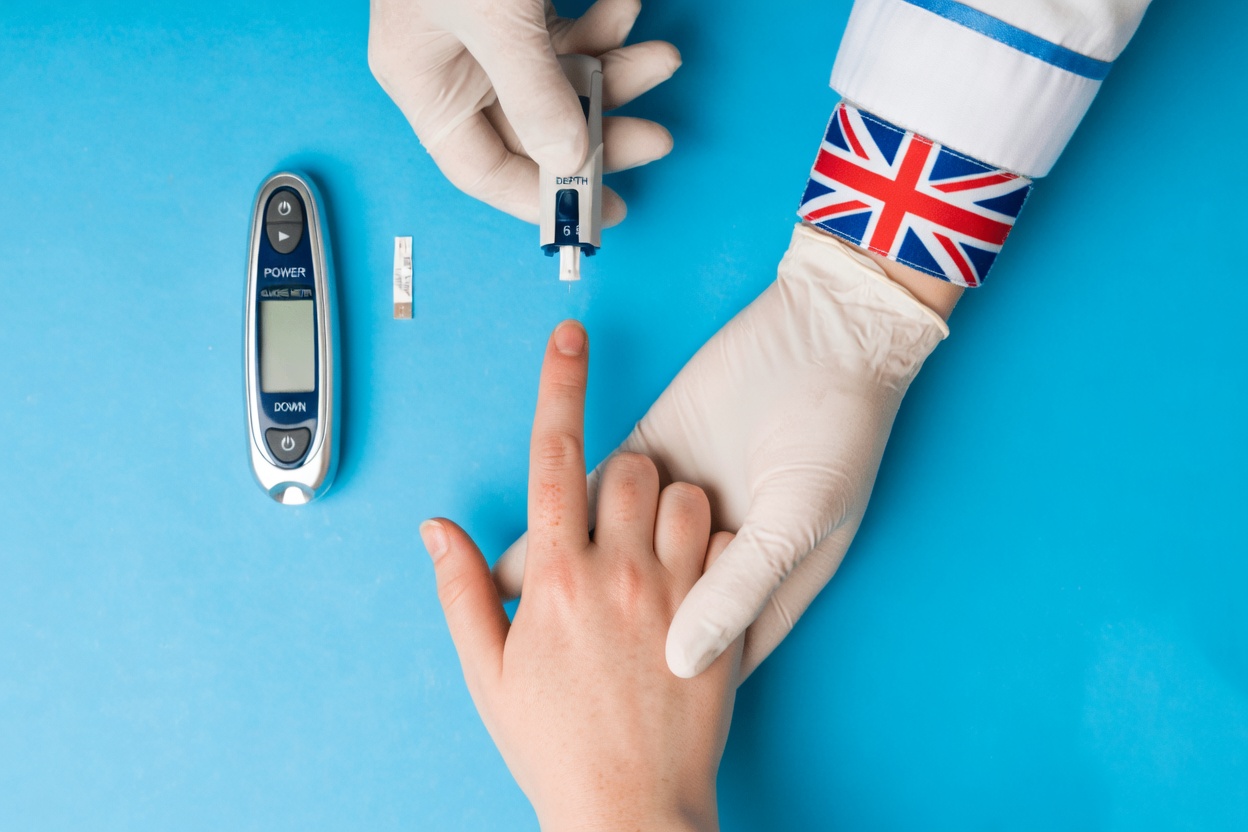
In many adults over 40, diabetes starts silently. The first changes often show up as subtle shifts in energy, mood, and physical comfort long before you receive a diagnosis. Medical tests can detect these early changes, sometimes even before symptoms seriously disrupt your life.
Common tests include:
-
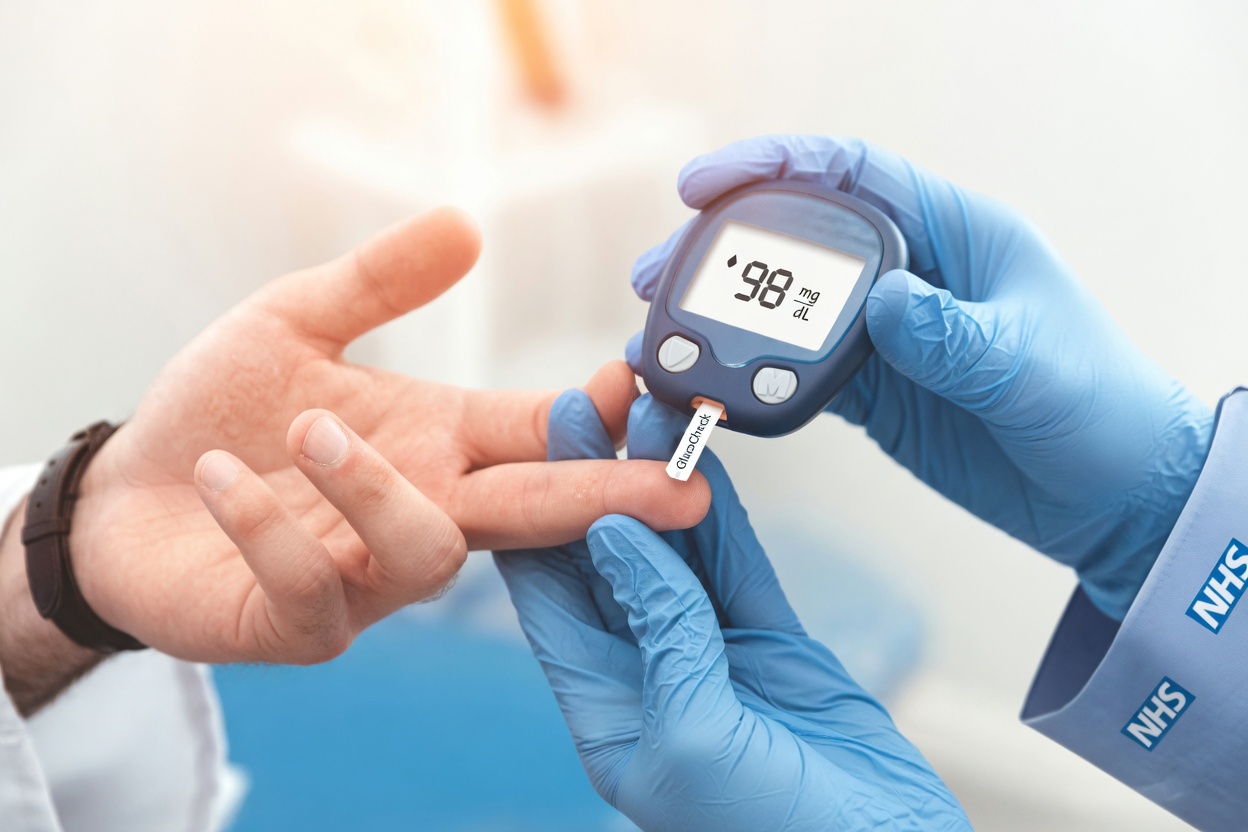
Fasting Plasma Glucose (FPG)
This test measures your blood sugar after you have not eaten for 8–12 hours.- Normal: typically under 100 mg/dL
Repeated values above normal can signal that your body is having trouble managing blood sugar, even if you only feel “a bit off.”
- Normal: typically under 100 mg/dL
-
HbA1c (A1C) Test
This test shows your average blood sugar level over the past 2–3 months.- It can help explain persistent, unexplained fatigue, one of the classic early warning signs of diabetes.
- Even mildly elevated results may indicate that your blood sugar has been running high for some time.
-
Oral Glucose Tolerance Test (OGTT)
For this test, your blood sugar is measured, then you drink a sugary solution, and it is checked again after a set time.- It reveals how well your body handles a sudden glucose load.
- Abnormal or borderline responses can align with early symptoms like shakiness after meals, intense thirst, or sudden energy crashes.
Feeling “not yourself” without clear answers is extremely common when these early warning signs appear. Professional evaluation and the right tests can bring clarity and peace of mind, whether the result is diabetes, prediabetes, or something else entirely.
15 Early Warning Signs of Diabetes You Should Watch For
Below are 15 early warning signs of diabetes that many adults over 40 experience but don’t immediately connect to blood sugar issues. Each one can chip away at your energy, focus, and confidence in daily life. Notice which ones sound familiar so you can discuss them with your doctor.
1. Tingling, Burning, or Numbness in Hands and Feet
A pins-and-needles sensation, burning, or numbness in your fingers, toes, hands, or feet can be an early sign of nerve changes related to diabetes.
- It can make it harder to sleep, exercise, or stay active.
- Over time, this discomfort may interfere with work tasks and daily routines.
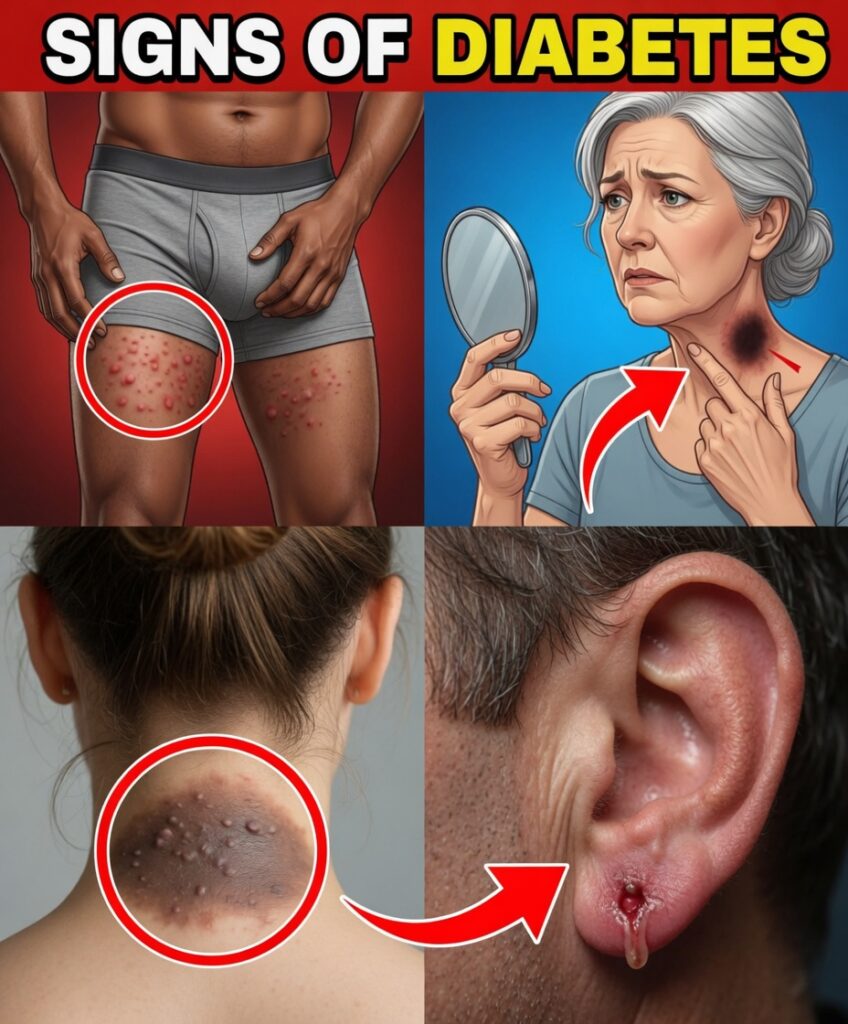
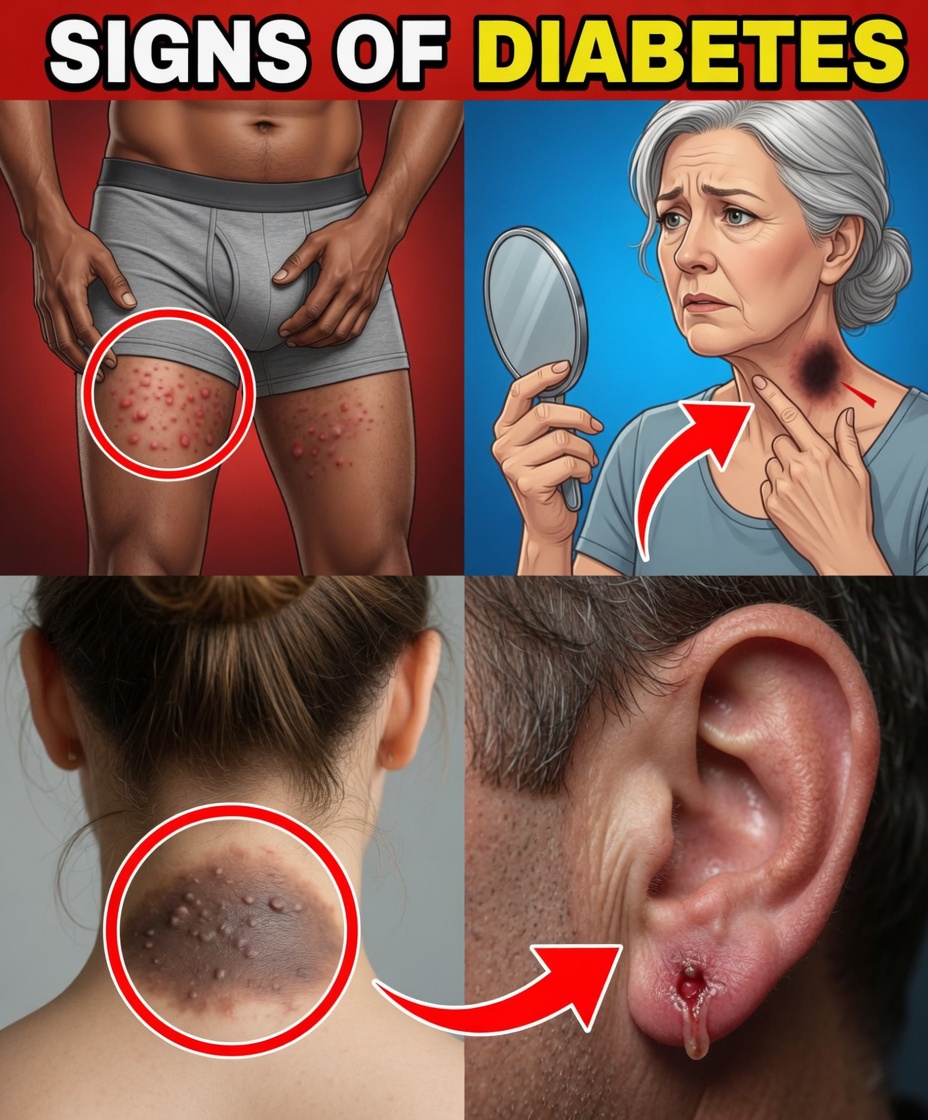
2. Dark, Velvety Skin Patches
Darkened, velvety-looking patches of skin—often on the neck, armpits, or around skin folds—are frequently linked to insulin resistance.
- This skin change, sometimes called acanthosis nigricans, can be one of the visual early warning signs of diabetes.
- It may affect self-confidence at an age when appearance can still play a role in both personal and professional life.
3. Feeling Overly Full or Slow Digestion
Feeling unusually full, bloated, or uncomfortable after eating only a small or normal-sized meal can signal that digestion and blood sugar control are out of sync.
- Meals that once felt satisfying can start to feel heavy and unpleasant.
- Over time, this can make social meals or business lunches less enjoyable and more stressful.
But these are just the beginning. Some of the most telling clues appear in how your body reacts to everyday eating habits.
4. Shakiness After Carb-Heavy Meals
Feeling shaky, weak, sweaty, or unusually irritable a few hours after eating a carbohydrate-rich meal can reflect blood sugar swings.
- This “rollercoaster” can leave you on edge during important work meetings or family moments.
- It’s a common early warning sign of diabetes and related blood sugar imbalances.
5. Sweet-Smelling Urine That May Attract Insects
Urine with a noticeably sweet or sugary odor—sometimes even attracting insects in toilets or outdoor settings—can occur when excess sugar is being excreted.
- This surprising sign often raises questions for busy adults who otherwise feel they are managing life well.
- It’s a strong cue that blood sugar levels may be too high.
6. Blurry or Fluctuating Vision
Vision that becomes blurry, clearer, then blurry again—or seems to change over short periods—may be due to fluid shifts in the eye caused by high blood sugar.
- Reading, working on screens, or driving (especially at night) may become more difficult.
- Safety and productivity can both be affected, particularly for adults who rely heavily on their vision.
7. Cuts, Scratches, or Bruises That Heal Slowly
If small cuts, scrapes, or bruises take longer than usual to heal, it can be a sign of impaired circulation and immune response.
- You might notice that a minor injury lingers for weeks instead of days.
- This not only limits physical activity but also creates ongoing worry about your health.
8. Unexplained Weight Loss
Losing weight without trying—even while eating your usual amount or more—can be a serious early warning sign of diabetes.
- When cells can’t use glucose properly, the body may start burning fat and muscle for energy.
- For many in their 40s and 50s, this unexpected change can feel alarming and confusing.
9. Persistent Fatigue and Low Energy
Crushing tiredness that doesn’t improve with sleep or rest is one of the most common early signs.
- Your body may not be using sugar effectively for fuel, leaving you drained throughout the day.
- This constant exhaustion can strain relationships, lower work performance, and reduce your ability to enjoy hobbies and family time.
10. Frequent Gum or Mouth Problems
Recurring gum infections, swollen or bleeding gums, and frequent mouth issues are often noticed by dentists before anyone else.
- High blood sugar can create an environment where bacteria thrive.
- Dental treatments, discomfort, and additional costs add to the stress many midlife adults already carry.

11. Constant, Intense Hunger
Feeling ravenous even after eating a full meal can occur when your cells aren’t getting the energy they need from blood sugar.
- Your brain keeps sending hunger signals, pushing you to eat more.
- This can lead to frustrating eating patterns, weight changes, and guilt around food choices.
12. Unquenchable Thirst
Being extremely thirsty all the time, needing to drink water repeatedly, and waking up at night to drink are classic early warning signs of diabetes.
- When blood sugar is high, your kidneys work to flush out the excess, which pulls water from your body.
- This can disrupt sleep, cause frequent bathroom trips, and lead to dehydration headaches.
13. Unusual Breath Odor
A fruity, sweet, or nail-polish-remover-like breath smell can, in some cases, be associated with high blood sugar and the way the body is breaking down fat.
- This can feel embarrassing in close social or work interactions.
- It’s a sign that should always be discussed with a healthcare professional.
14. Hormonal or Menstrual Cycle Changes
For some individuals, shifts in hormones—such as irregular menstrual cycles or changes in premenstrual symptoms—may be influenced by blood sugar imbalances.
- These changes can affect mood, energy, and emotional balance during an already complex life stage.
- While hormones naturally shift in midlife, persistent changes deserve medical attention.
15. Recurring Infections
Frequent infections—for example, yeast infections, urinary tract infections (UTIs), or skin infections—may occur when elevated blood sugar weakens immune defenses.
- Dealing with the same problems again and again drains time, energy, and emotional reserves.
- For adults balancing careers, caregiving, and personal health, this can be especially overwhelming.
Quick Reference: Early Warning Signs of Diabetes and Why They Matter
The table below summarizes several key early warning signs of diabetes, how they may arise, and why they are especially important for adults over 40.
| Sign | Possible Mechanism | Why It Matters for Adults 40+ |
|---|---|---|
| Tingling in hands or feet | Early nerve involvement | Disrupts sleep, mobility, and daily productivity |
| Dark, velvety skin patches | Insulin resistance | Impacts self-image and may signal rising diabetes risk |
| Unexplained weight loss | Body using fat/muscle for fuel | Raises concern about sudden, unexplained body changes |
| Constant thirst | Kidneys flushing excess sugar | Disturbs hydration, sleep, and overall comfort |
| Recurring infections | Impaired immune response | Drains energy needed for work, family responsibilities, and life |
These warning signs can appear gradually and may seem unrelated at first. Seeing them together, however, can reveal an important pattern worth investigating.

Addressing vs. Ignoring Early Warning Signs of Diabetes
Many people manage to “power through” their days despite these symptoms, convincing themselves that things are fine. But overlooking early warning signs of diabetes can:
- Allow blood sugar problems to quietly worsen over months or years.
- Lead to more serious complications that are harder to reverse.
- Prolong the stress and uncertainty of not knowing what’s wrong.
In contrast, paying attention and seeking professional evaluation can:
- Help identify diabetes or prediabetes early, when lifestyle changes and treatment are most effective.
- Restore more stable energy, clearer thinking, and better mood.
- Provide reassurance and a concrete plan instead of ongoing guesswork and worry.
What to Do If These Signs Feel Familiar
If several of these early warning signs of diabetes sound like your daily life, consider taking the following practical steps:
-
Track Your Symptoms
- Use your phone notes or a simple journal to record what you feel each day: fatigue, thirst, vision changes, tingling, infections, or anything unusual.
- Note what you ate, how you slept, and your stress level. Patterns over a few weeks can be very revealing.
-
Schedule a Checkup and Blood Tests
- Ask your doctor about tests such as fasting plasma glucose, HbA1c, or an oral glucose tolerance test.
- Share your symptom log so your provider can see the full picture and recommend appropriate next steps.
-
Support Your Body With Everyday Habits
While only a healthcare professional can diagnose diabetes, these general habits support overall health while you wait for evaluation:- Aim for balanced meals that combine protein, healthy fats, and fiber-rich carbohydrates.
- Incorporate regular, gentle movement—like walking, stretching, or light exercise—most days of the week.
- Prioritize consistent sleep and stress-management techniques, such as deep breathing or short breaks during the day.

These everyday habits are closely connected to many of the early warning signs of diabetes: what and when you eat, how much you move, how well you sleep, and how you manage stress can all influence your blood sugar and how your body feels. Noticing changes early and taking action—both medically and through lifestyle—can help you protect your energy, health, and quality of life in your 40s, 50s, and beyond.