
Managing High Creatinine Levels After 40: The Protein Choices That Make a Difference
When your blood test comes back showing elevated creatinine—especially after 40—it can quietly sit in the back of your mind, creating a steady undercurrent of worry. Symptoms like ongoing fatigue, swollen ankles, mental fog, or unusually foamy urine can make everyday activities feel harder than they should. Suddenly, every plate of food raises a question: “Is this helping or hurting my kidneys?”
Many people in this situation wonder whether the protein they eat is supporting their health or putting extra pressure on kidneys already working overtime. Keep reading, because by the end you’ll learn a simple protein-pairing strategy that many readers say helps them feel lighter and more in control while managing high creatinine levels.

Why High Creatinine Levels Are a Serious Signal
Creatinine is a waste product your kidneys normally filter out of the blood. When blood tests show high creatinine levels, it often means the kidneys are under stress. This can be related to aging, high blood pressure, blood sugar imbalances, or other underlying conditions, particularly in your 40s and 50s.
For many adults, this shows up as:
- Persistent tiredness
- Swelling in the feet, ankles, or hands
- Disrupted sleep
- Less enjoyment in daily life
Health organizations estimate that millions of adults live with reduced kidney function without realizing it until routine tests pick up changes like high creatinine levels. The good news: understanding how protein affects your kidneys gives you a practical, everyday lever to support better numbers and better energy.

Protein and High Creatinine: Essential Fuel or Extra Burden?
Protein is crucial. It helps maintain muscle, repair tissues, and support your immune system. However, breaking down protein also creates waste products—such as urea and creatinine—that kidneys have to filter out.
When creatinine is already elevated:
- Large amounts of protein
- Or certain types of protein
can increase the workload on your kidneys.
Research suggests that quality and moderation matter more than sheer quantity. People who are mindful of the types of protein they eat often report feeling less heavy or bloated after meals and more comfortable overall when they have high creatinine levels.
Here’s the key takeaway:
The kind of protein you choose can be just as important as how much you eat when kidney health and creatinine levels are a concern.

3 Kidney-Friendly Protein Options for High Creatinine Levels
Choosing gentler protein sources can make daily meals easier on your kidneys and more pleasant for you. The following options tend to create less metabolic waste, support steady energy, and fit comfortably into a kidney-conscious eating pattern.
1. Egg Whites: Clean, High-Quality Protein
Egg whites are often considered a “clean” protein source for people monitoring high creatinine levels. They are:
- High in high-quality protein
- Very low in phosphorus
- Naturally low in fat
Three egg whites provide around 11 grams of protein with minimal byproducts for your kidneys to filter. Many people say they feel energized—not weighed down—after an egg-white-based meal.
Ideas to try:
- Lightly scrambled egg whites with herbs
- Egg white omelet with vegetables
- Egg whites added to a breakfast wrap
These simple meals can support your protein needs while being more considerate of kidney function.
2. White Fish (Cod, Tilapia, Haddock): Lean and Gentle
White fish such as cod, tilapia, or haddock deliver about 20 grams of protein per serving and usually contain fewer purines than many red meats. This can mean less waste buildup overall, which is an advantage when creatinine levels are elevated.
Benefits include:
- Lean, low-fat protein
- Mild flavor that’s easy to enjoy regularly
- Less “heavy” feeling after meals
Try baking white fish with lemon, herbs, and a drizzle of olive oil. Enjoy it a few times per week alongside vegetables and whole grains as part of a kidney-friendly meal pattern.
3. Quinoa: Plant-Based Complete Protein
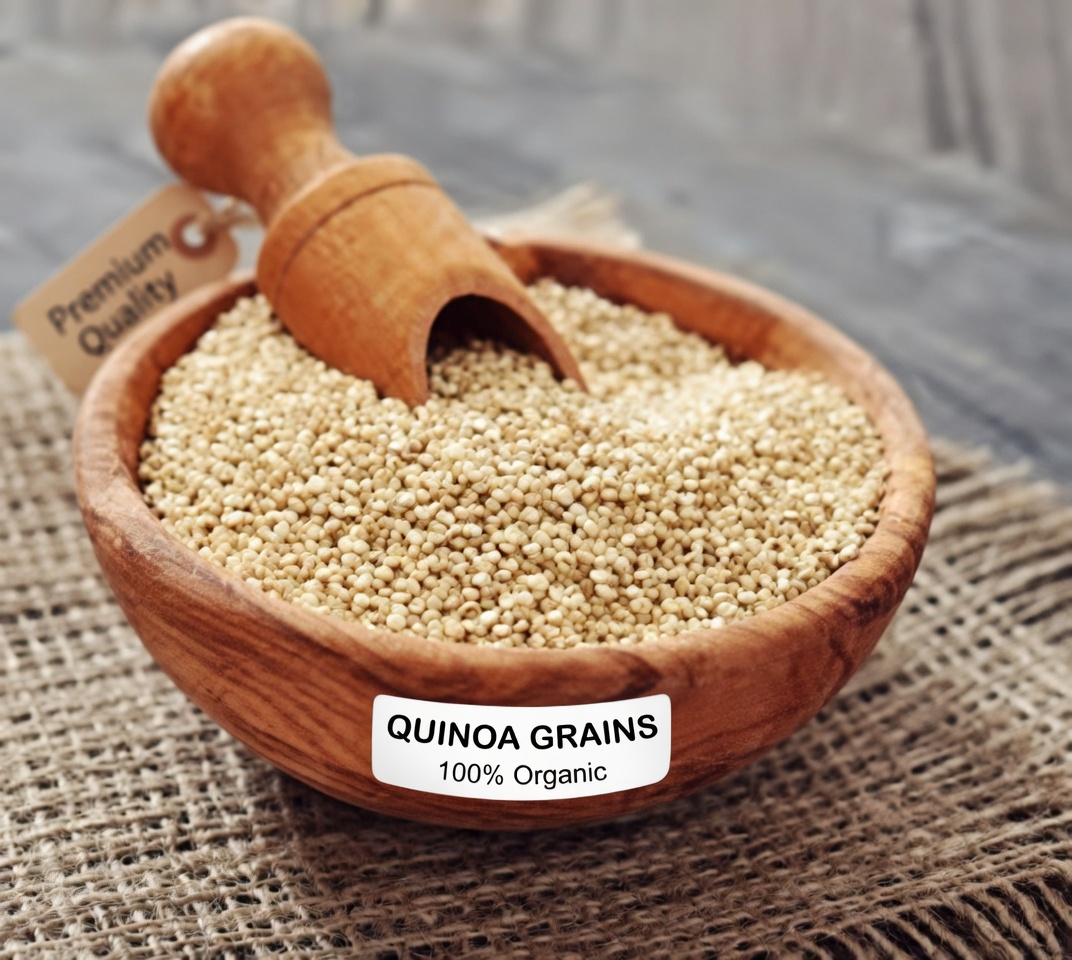
Quinoa stands out among plant foods because it is a complete protein, meaning it contains all essential amino acids. For people with high creatinine levels, it brings additional advantages:
- Provides protein plus fiber to aid digestion
- Has a lower acid load than many animal proteins
- Supports steadier blood sugar and energy
- Contains magnesium, which many adults fall short on
Ways to use quinoa:
- As a base for warm grain bowls
- Tossed into salads
- As a side dish instead of rice or pasta
Many people find that quinoa-based meals leave them feeling sustained rather than sluggish, which is helpful when managing kidney health and creatinine numbers.
3 Protein Sources to Limit with High Creatinine Levels
Some protein choices can place unnecessary stress on kidneys that are already under pressure. While everyone’s situation is unique and should be discussed with a healthcare provider or dietitian, the following protein sources are often recommended to reduce or limit when dealing with high creatinine levels.

1. Processed Deli Meats: Additives That Work Against You
Processed meats like ham, salami, bologna, and many pre-packaged cold cuts typically contain:
- Very high sodium levels
- Phosphate additives
- Preservatives and other chemicals
These additives can be particularly challenging for kidneys that are already struggling. High sodium can also raise blood pressure, which further affects kidney function.
Many people who cut back on deli meats notice:
- Less swelling in their hands and feet
- Reduced feelings of heaviness
- Better blood pressure readings alongside other changes
Choosing fresh, minimally processed meats or plant-based proteins instead is often a meaningful step toward supporting healthier creatinine levels.
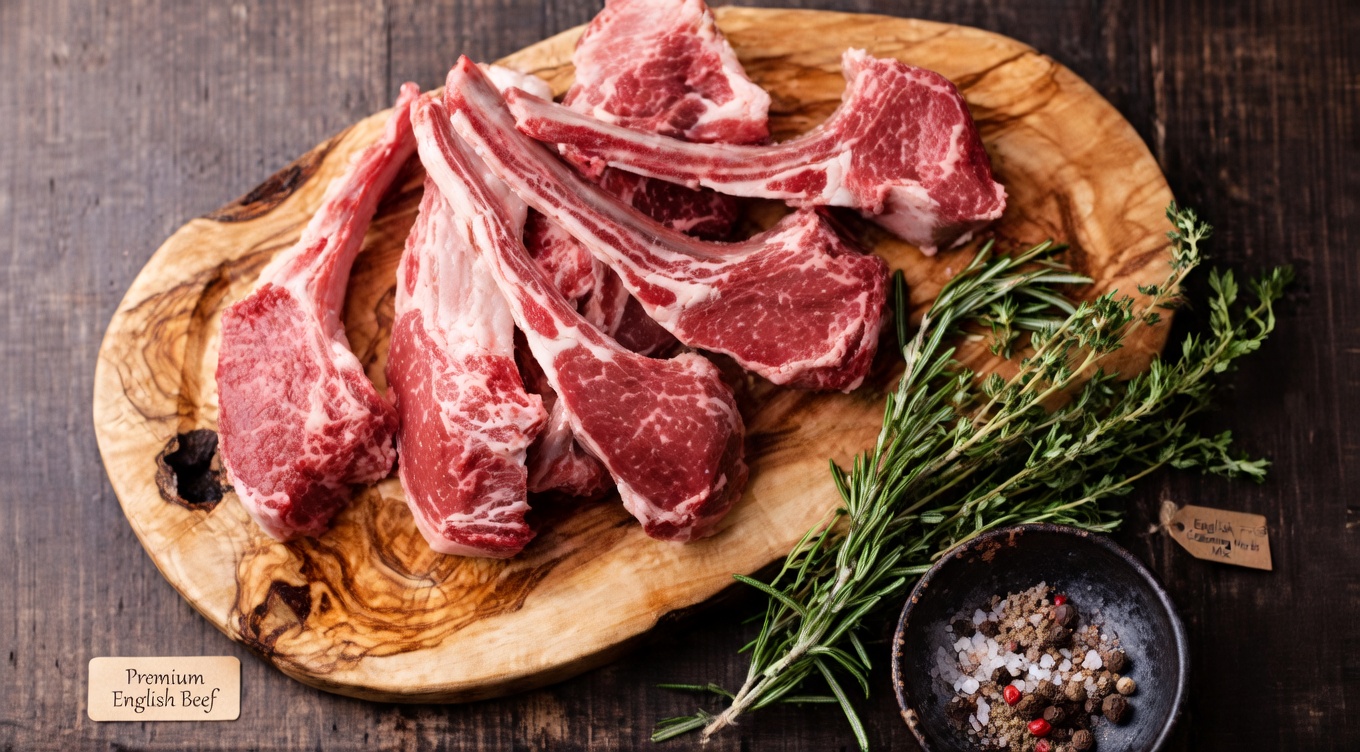
2. Red Meat (Beef, Lamb, etc.): Heavy on the Kidneys
Red meats are naturally rich in creatine, which your body converts into creatinine. When your creatinine level is already high, large or frequent portions of red meat can add to the load.
Potential issues with excessive red meat include:
- Higher acid load, which can strain kidneys
- More metabolic waste to filter
- Possible increases in fatigue after eating
You don’t always have to eliminate red meat completely, but many people feel better when they:
- Reduce portion sizes
- Eat red meat less often
- Pair it with plenty of vegetables and fiber-rich sides
This gentler approach can ease some of the extra burden on your kidneys.
3. Whey Protein Powders: Fast Hit, Fast Waste
Whey protein powders are popular for convenience and muscle-building. However, they are rapidly absorbed, which can result in a quick surge of waste products for your kidneys to handle.
Concerns with whey powders:
- Sudden increase in protein breakdown
- Additives, artificial sweeteners, and fillers in many brands
- Extra filtration work for kidneys already under strain
For people monitoring high creatinine levels, whole food protein sources—like the egg whites, white fish, and quinoa mentioned earlier—usually provide more gradual, kidney-friendly support.
Many individuals report feeling lighter and more stable after switching from heavy supplement use to more natural, whole-food protein sources.
A Simple but Powerful Bonus: Hydration
Staying well hydrated is a small habit with big impact. Adequate fluid intake helps your kidneys:
- Flush out waste products more effectively
- Support smoother filtration
- Work more efficiently overall
This doesn’t mean overdoing water, especially if your doctor has given you specific fluid restrictions, but it does mean being consistent with the amount that’s appropriate for your situation.
Real-Life Stories: Navigating High Creatinine Levels
Hearing how others manage high creatinine can make the process feel less overwhelming.
Sarah, 48: From Exhausted to Steadier Energy
Sarah, a 48-year-old teacher, felt constantly drained before she understood the connection between her food choices and her kidney numbers. After her lab tests showed high creatinine levels, she shifted her focus toward:
- Lighter proteins like egg whites and white fish
- More plant-based meals with quinoa
- Less processed and red meat
Over time, she noticed:
- Swelling in her feet and ankles decreased
- Her daily energy improved
- Follow-up tests showed more promising trends in her kidney markers
Her experience highlights how mindful protein selection can support both how you feel and what your lab results show.
Mike, 55: Rethinking Supplements
Mike, 55, had been using multiple protein supplements daily when his tests revealed high creatinine. After discussing it with his healthcare provider, he:
- Cut back on whey protein powders
- Emphasized whole food protein sources instead
- Simplified his overall supplement routine
He soon noticed that he felt lighter, clearer, and more energetic. The positive shift in his numbers and how he felt inspired him to stick with these changes long-term.
Stories like Sarah’s and Mike’s show that small, consistent nutrition shifts can make a tangible difference for people living with high creatinine levels.
Quick Check-In: Reflect on Your High Creatinine Journey
Take a minute to check in with yourself:
- How many kidney-supportive proteins did we cover?
→ Answer: 3 (egg whites, white fish, quinoa) - Which protein in your current routine feels hardest to reduce or adjust?
- On a scale from 1–10, how would you rate your energy right now while living with high creatinine levels?
- Are you willing to try one new change this week related to your protein choices?
If you’re thinking seriously about these questions, you’re already ahead of many people who simply ignore their lab results.
12 Ways Smarter Protein Choices Support High Creatinine Levels
Thoughtful adjustments to your protein intake can benefit far more than just a lab number. They can influence how you feel from morning to night.

Here are 12 potential benefits of kidney-friendly protein choices when dealing with high creatinine levels:
-
Lower Waste Production
Gentler proteins create fewer metabolic byproducts, easing filtration demands on your kidneys. -
Improved Mineral Balance
Reducing certain additives and excess phosphorus can help lessen mineral buildup risks. -
Reduced Acid Load
Choosing more plant-based and lighter proteins may lower acid load, supporting both bones and kidneys. -
Steadier Daily Energy
Balanced protein sources help avoid that heavy, sluggish feeling many people notice after rich, heavy meals. -
Less Inflammation and Discomfort
A more kidney-conscious diet can support overall comfort and reduce some inflammatory triggers. -
Blood Pressure Support
Pairing better proteins with fiber-rich foods can contribute to more stable blood pressure—important for kidney health. -
High-Quality Nutrition Without Overload
You still get essential amino acids and nutrients, just without overwhelming your kidneys. -
Better Digestion
Including options like quinoa and other fiber-rich foods can improve digestion and overall comfort. -
More Stable Lab Results Over Time
Thoughtful eating may support stability in your creatinine and other kidney-related markers. -
Enhanced Vitality
When your kidneys are under less strain, many people experience improved focus, mood, and stamina. -
Long-Term Wellness Habits
These changes encourage a sustainable way of eating that supports your kidneys year after year. -
More Enjoyable Eating
With smart swaps, you can still enjoy satisfying, flavorful meals while being kind to your kidneys and mindful of high creatinine levels.