
Recognizing Colon Cancer Symptoms After Age 45
Many people in their mid-40s and beyond begin to notice gradual changes in digestion, energy, or bathroom habits. These shifts are easy to blame on aging, stress, or diet, yet they can quietly affect daily comfort and confidence. Knowing the typical colon cancer symptoms can help you decide when it is wise to contact a doctor for proper evaluation and advice.
Several specific changes in bowel habits, energy levels, and overall health deserve more attention than most people realize—especially after age 45.

1. Blood in the Stool
Seeing blood when you use the bathroom can be alarming, particularly for adults in their 40s and 50s. One of the more recognizable colon cancer symptoms is the appearance of bright red blood on toilet paper or in the toilet, or darker, tar-like changes in the stool.
Many people initially assume bleeding is caused by hemorrhoids or minor irritation. However, any new or unexplained rectal bleeding should be monitored closely and discussed with a healthcare professional. A medical check can clarify the cause and provide reassurance or timely treatment.
2. Persistent Changes in Bowel Habits
If your bowel routine has been fairly predictable for years and then shifts noticeably, it is worth paying attention. Ongoing changes such as:
- Frequent diarrhea
- Long-lasting constipation
- Thinner or “pencil-like” stools
can all be potential colon cancer symptoms.
When these bowel changes continue for several weeks or more, doctors often recommend further evaluation. Addressing these shifts early can improve comfort, support regularity, and help detect any serious issues sooner.
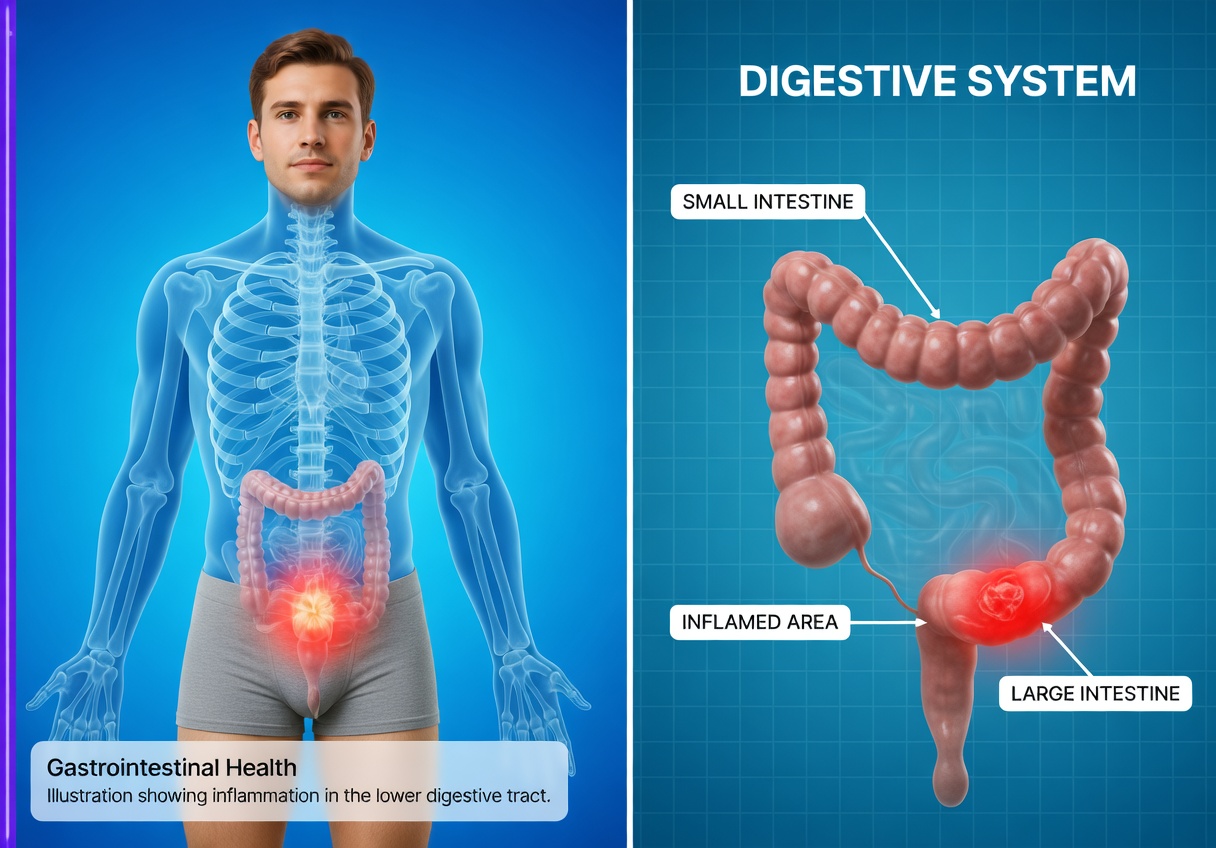
3. Ongoing Abdominal Discomfort
Many adults over 40 report vague abdominal symptoms that seem to linger, such as:
- Cramping or mild pain
- Bloating or gas
- A feeling of fullness that does not go away
Unlike occasional indigestion or a one-time stomach upset, persistent or recurring abdominal discomfort can be one of the warning signs of colon cancer.
If these sensations keep returning or gradually worsen, it is important to discuss them with your healthcare provider. A thorough evaluation can help determine whether the cause is something minor or a sign of a deeper problem that needs attention.
4. Unexplained Fatigue
Feeling unusually tired despite getting enough sleep is another symptom many people over 45 bring up with their doctors. When fatigue is persistent and cannot be explained by workload, stress, or lack of rest, it may be a more general sign of illness, including colon cancer.
This type of deep, ongoing tiredness can reduce motivation, make daily tasks feel harder, and affect overall quality of life. Because fatigue can be related to anemia or chronic blood loss—both sometimes linked to colon cancer—it is important not to ignore it.
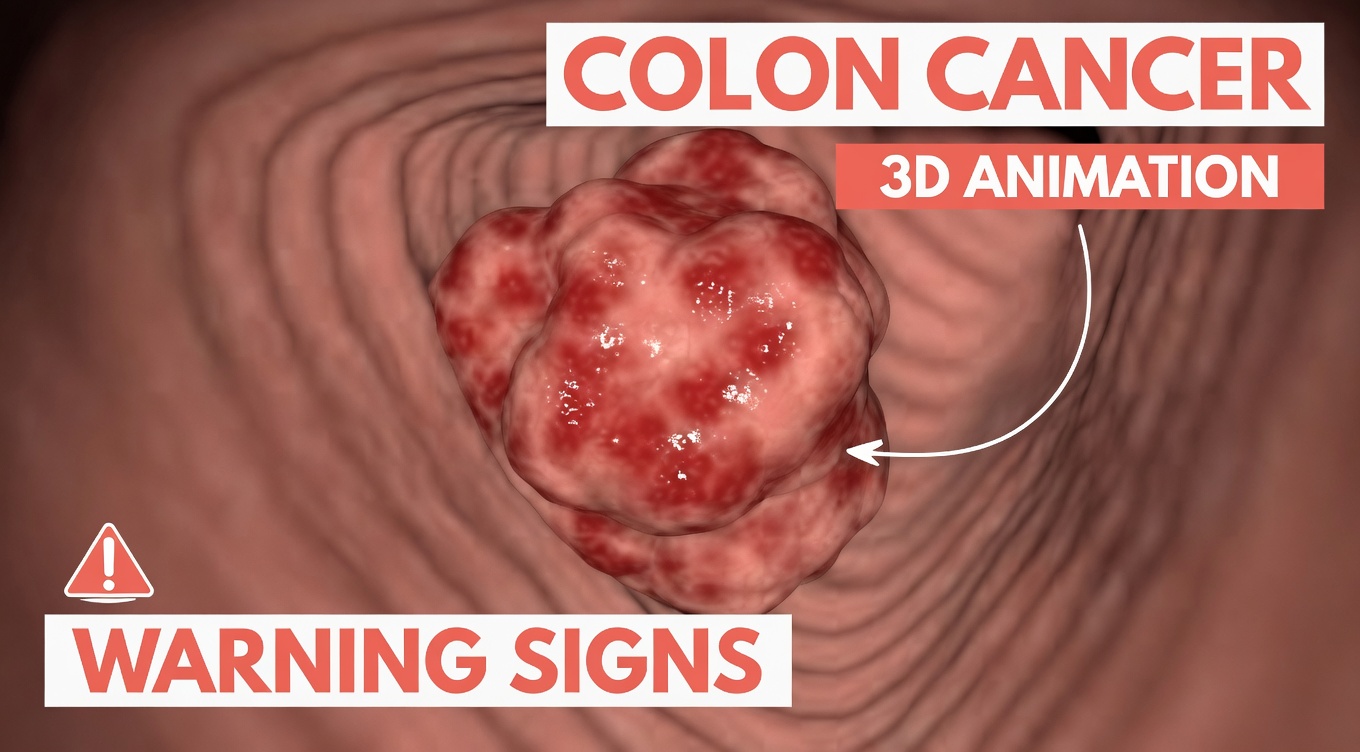
5. Unintentional Weight Loss
Losing weight without trying, especially during midlife, should be taken seriously. If you notice pounds coming off even though you have not changed your diet or exercise routine, it may be one of the colon cancer symptoms doctors watch for.
Other related changes, such as reduced appetite, feeling full quickly, or eating less without meaning to, can also be connected. Tracking changes in weight and appetite over time helps you and your healthcare provider decide what kind of evaluation or testing is appropriate.
6. Iron-Deficiency Anemia
Sometimes the first sign of a problem appears on routine blood work. Discovering low iron levels or anemia when your diet has not changed and there is no obvious reason for it can raise questions.
Iron-deficiency anemia, especially in adults over 40 without a clear cause, may indicate slow, chronic blood loss in the digestive tract. Because this can be associated with colon cancer, doctors often investigate further to rule out serious conditions. Your provider may recommend additional tests to get a complete picture of your health.
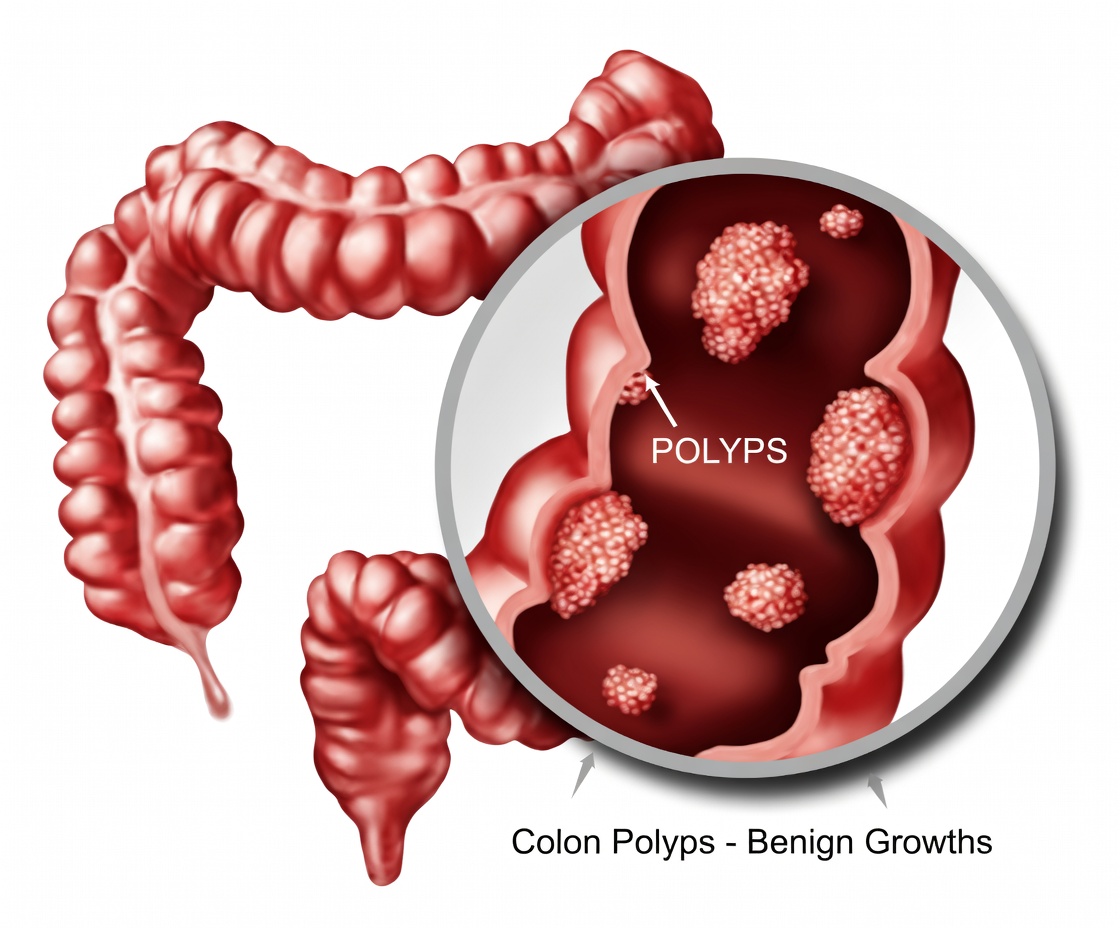
7. A Lump or Swelling in the Abdomen
Feeling a new area of firmness, a lump, or swelling in the abdominal region is less common but should never be ignored. In some cases, a detectable mass may be related to more advanced colon cancer.
Although this is not a frequent symptom, it underscores the importance of being aware of changes in your body. Any new or unusual abdominal finding should be examined by a medical professional to determine the cause and next steps.
8. Severe Bowel Changes or Obstruction Symptoms
In more serious situations, colon cancer can lead to partial or complete blockage of the bowel. Symptoms may include:
- Severe or persistent constipation
- Marked bloating or abdominal distension
- Difficulty passing stool or gas
When these more dramatic digestive changes occur and do not improve, they require prompt medical attention. Early evaluation supports better treatment options and can prevent complications.

Quick Checklist: Common Colon Cancer Symptoms After 45
Consider talking with your doctor if you notice one or more of the following:
- Blood in the stool or changes in stool color
- Ongoing changes in bowel habits (diarrhea, constipation, or narrower stools)
- Persistent abdominal discomfort, cramping, or bloating
- Unexplained fatigue, weakness, or low energy
- Unintentional weight loss
- Signs of anemia or low iron on blood tests
Remember that having one or more of these symptoms does not mean you have colon cancer. Many other, less serious conditions can cause similar issues. Only a healthcare professional can make an accurate diagnosis.
Practical Steps If You Notice Possible Colon Cancer Symptoms
If you begin to notice changes that concern you, a bit of tracking can be very helpful.
Keep a Simple Symptom Record
Over a couple of weeks, jot down:
- What symptoms you experience
- How often they occur and how long they last
- Any links to meals, stress, or activity
These notes give your doctor clearer insight into what is happening.
Tips for Talking With Your Doctor
To make your appointment more productive, you may want to:
- Track when symptoms started and whether they are getting better, worse, or staying the same.
- Note any changes in energy, appetite, or weight.
- Prepare questions about screening tests, such as colonoscopy or stool-based tests.
- Share any family history of colon polyps, colon cancer, or other digestive diseases.
- Be open about lifestyle factors, including smoking, alcohol use, exercise, and diet.
When to Reach Out
Contact a healthcare professional if you notice:
- Symptoms that persist longer than 2–4 weeks
- Any rectal bleeding or blood in the stool
- Ongoing, unexplained fatigue or weakness
- A strong family history of colon cancer or other digestive concerns
Even if the cause turns out to be something minor, getting checked can bring peace of mind and help you protect your long-term health.
Supporting Your Digestive Health
Staying alert to possible colon cancer symptoms is one important part of taking care of your health after 40. Small steps—such as noticing changes early, documenting symptoms, and seeking medical advice—can all contribute to better long-term outcomes.
Regular screening plays a major role as well. Many guidelines now recommend that average-risk adults begin routine colon cancer screening at age 45. Screening can detect precancerous polyps and early-stage cancers, often before symptoms appear.
FAQ
1. Are all changes in bowel habits signs of colon cancer?
No. Most changes in digestion are caused by benign issues such as infections, diet, stress, or irritable bowel syndrome. However, if bowel changes are persistent or gradually worsening, it is wise to discuss them with your doctor so that possible colon cancer symptoms—and other conditions—can be properly evaluated.
2. At what age should I start paying closer attention to colon cancer symptoms?
Greater awareness is especially important from around age 45 onward. People with a family history of colon cancer, inflammatory bowel disease, or other risk factors may need to be alert earlier and may also require earlier screening. Your doctor can advise you based on your personal risk profile.
3. Can lifestyle changes help reduce concerns about colon cancer symptoms?
Yes. While lifestyle changes cannot guarantee prevention, they can support overall digestive health and may lower your risk. Helpful steps include:
- Eating a balanced diet rich in fiber, fruits, and vegetables
- Limiting processed meats and excessive red meat
- Staying physically active on a regular basis
- Maintaining a healthy body weight
- Avoiding smoking and limiting alcohol
Combined with regular screening and prompt evaluation of any concerning symptoms, these habits can contribute to better colon health over time.