
Why That Constant Phlegm in Your Throat Won’t Go Away
Do you keep feeling a thick, sticky layer of mucus sitting in the back of your throat all day long? If so, you know how frustrating it can be. It can make you clear your throat repeatedly, interrupt conversations, make swallowing unpleasant, and even disturb your sleep when postnasal drip gets worse at night. Over time, that lingering discomfort can affect your concentration, drain your energy, and make ordinary moments feel less enjoyable.
The encouraging part is that relief may be simpler than you think. Once you understand why your body is making extra mucus, a few practical daily changes can often help ease the problem. In many cases, straightforward home habits can make your throat feel more comfortable and less irritated.
Common Reasons You May Have Extra Mucus in Your Throat
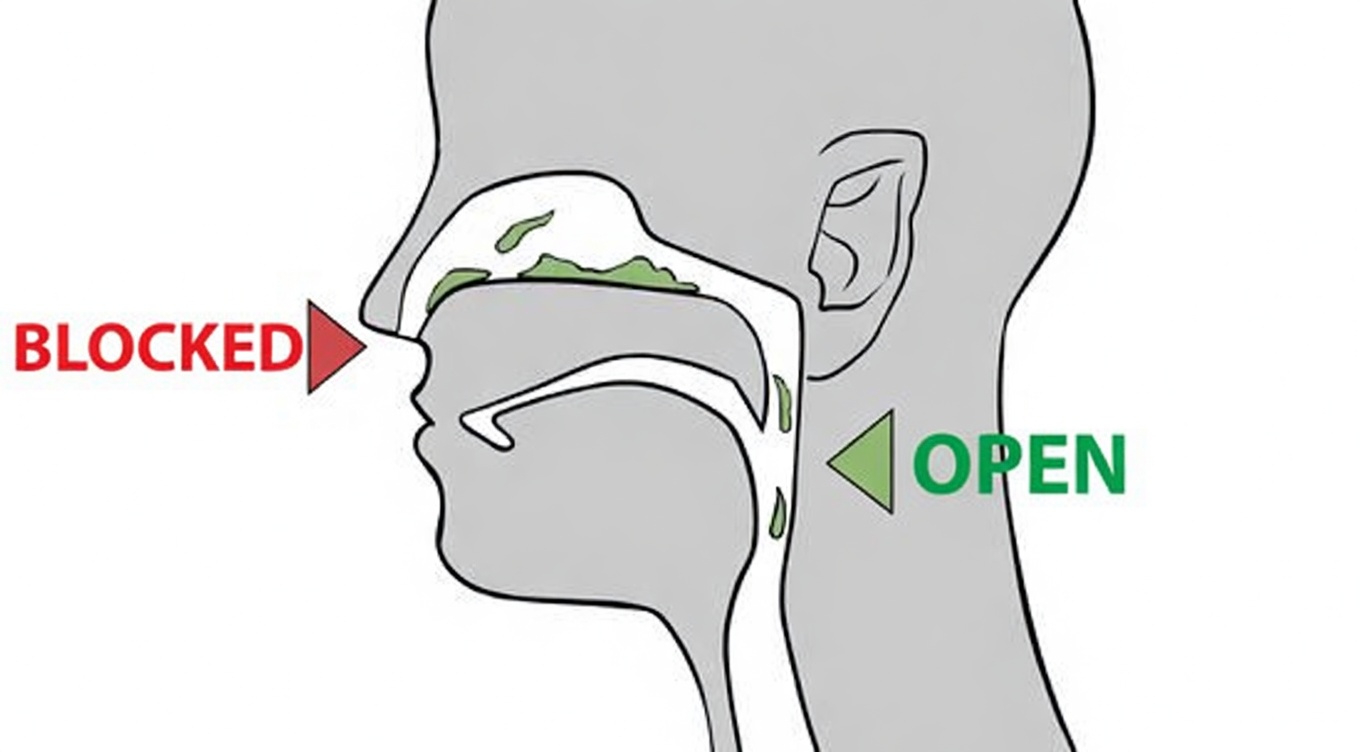
Mucus is not always a bad thing. Your body produces it every day to protect the airways by trapping dust, bacteria, and other irritants. Trouble starts when that production increases, leaving you with a constant need to swallow or clear your throat.
Health experts, including those at the Cleveland Clinic, note that several common triggers can lead to excess phlegm. In many people, more than one factor is involved, which is why the issue can feel persistent.
Frequent causes include:
- Respiratory infections: Colds, sinus infections, and bronchitis often cause the body to make more mucus to help remove germs and calm irritated tissues.
- Allergies: Pollen, pet dander, mold, and dust mites can trigger inflammation and increase mucus production.
- Acid reflux or GERD: When stomach acid travels upward into the throat, it can irritate the lining and prompt the body to create extra mucus as protection.
- Environmental triggers: Dry indoor air, pollution, cigarette smoke, and strong chemical smells may all irritate the airways.
- Dehydration and lifestyle habits: Not drinking enough fluids can make mucus thicker, and smoking can worsen irritation and buildup.
Once you identify what may be triggering your symptoms, it becomes much easier to take steps that actually help.
Daily Habits That May Be Making It Worse
In some cases, the problem is not caused by a major illness but by routine habits that keep the cycle going. Spending hours in dry rooms, drinking a lot of coffee without enough water, or leaving seasonal allergies untreated can all contribute. Even stress may increase throat sensitivity and irritation in some people.
The good news is that improvement does not usually require a dramatic lifestyle change. Small, steady adjustments are often enough to make mucus easier to manage and reduce that constant throat-clearing feeling.
Easy At-Home Ways to Relieve Phlegm Discomfort
If you want to start feeling better, begin with simple habits that hydrate the throat, loosen mucus, and reduce irritation. These steps are easy to add to your day and can offer meaningful relief when done consistently.
Helpful home remedies to try:
- Drink more fluids: Warm water, herbal tea, and broth can help thin mucus so it is easier to clear.
- Gargle with salt water: Mix half a teaspoon of salt into a cup of warm water, gargle for 30 to 60 seconds, and repeat two or three times a day.
- Use steam: A hot shower or steam from a bowl of warm water can add moisture to the airways and loosen thick mucus.
- Avoid irritants: Reduce exposure to smoke, dust, perfumes, and strong cleaning products whenever possible.
- Try soothing ingredients: Ginger, honey, and lemon are popular home staples that many people use to calm throat discomfort.
- Sleep with your head raised: An extra pillow may help reduce postnasal drip overnight and improve morning comfort.
When these habits are practiced regularly, they may gradually reduce irritation and help your throat feel clearer.
Natural Ingredients That May Help Soothe the Throat
Some simple kitchen ingredients can support your home care routine. While they are not instant cures, many people find them comforting when used regularly.
Popular options include:
| Ingredient | Simple Way to Use It | Why People Use It |
|---|---|---|
| Ginger | Add fresh slices to warm tea | Often used for its soothing qualities |
| Honey | Stir into warm herbal tea | May coat the throat gently |
| Lemon | Squeeze into water or tea | Adds flavor and encourages hydration |
These ingredients work best when combined with good hydration, steam, and other supportive habits rather than relied on alone.

A Simple Daily Routine You Can Start Today
If you prefer a clear plan, this quick routine can help you build supportive habits without taking much time.
Sample routine:
- Morning: Start the day with a glass of warm water and lemon.
- After lunch: Gargle with warm salt water.
- Afternoon: Take a 10-minute steam break.
- Evening: Sip warm ginger tea with a little honey.
- Before bed: Elevate your head with an extra pillow.
Staying consistent matters most. Many people notice that their throat begins to feel less irritated after one to two weeks of following a steady routine.
Final Thoughts: Small Changes Can Bring Real Relief
Excess phlegm can be annoying, uncomfortable, and tiring, but it does not have to run your life. By learning what may be triggering it, adjusting a few everyday habits, and using simple home remedies, you may be able to reduce discomfort and feel more like yourself again.
The best part is that these strategies are practical, affordable, and easy to start at home. Pay attention to how your body responds and keep the habits that help you the most.
Frequently Asked Questions
How long does excess phlegm usually last?
That depends on the cause. A mild cold or seasonal allergy flare may improve within one or two weeks, while ongoing triggers such as dry air or reflux can make the problem last longer until the root issue is addressed.
Can food make phlegm worse?
For some people, yes. Dairy products or very spicy meals may seem to thicken mucus or increase throat irritation temporarily. Since reactions vary, it can help to track what you eat and how you feel afterward.
When should I see a healthcare professional?
You should speak with a doctor if the problem continues for more than a couple of weeks or if it comes with symptoms such as fever, breathing difficulty, or unexplained weight loss.
Disclaimer
This article is for informational purposes only and should not be considered medical advice. Always consult a qualified healthcare professional if you have concerns about your health.