How to Handle Bed Bugs in Your Garden and Patio
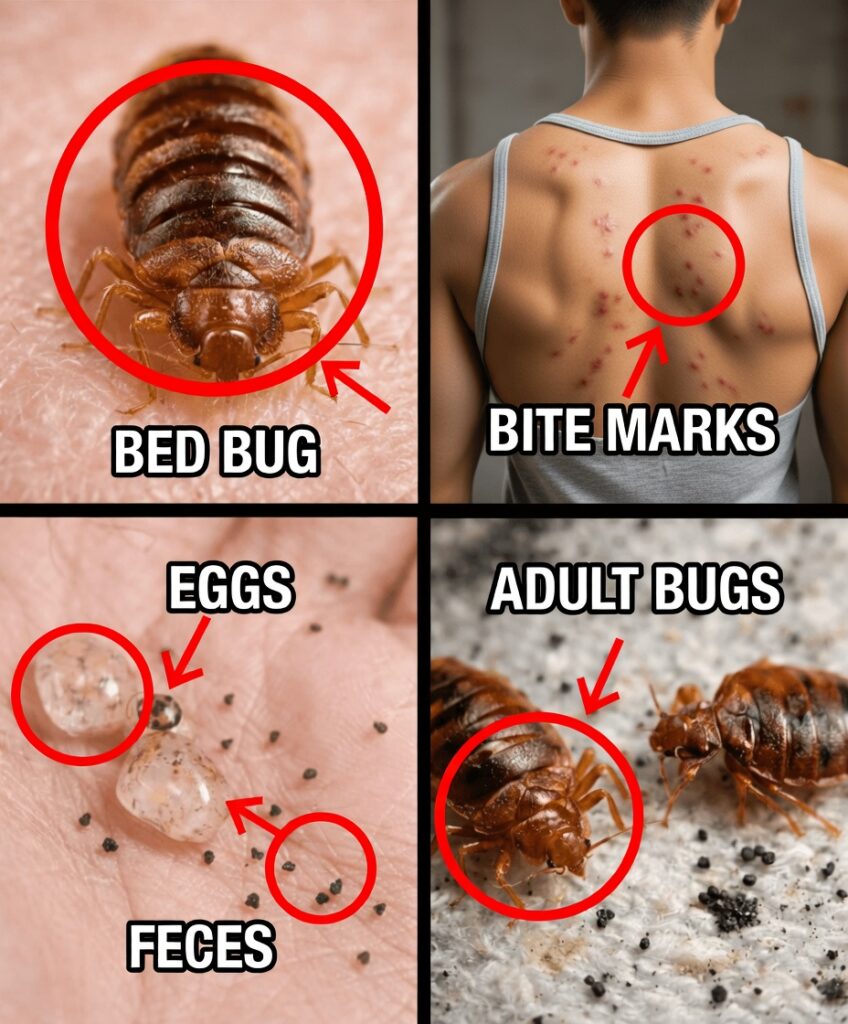
Noticing tiny reddish‑brown insects crawling over your patio chairs or hiding in garden cushions can instantly shatter the calm of an evening outdoors. When those bugs turn out to be bed bugs, the concern is very real—will they end up in the house, bite the grandkids, or turn your favorite outdoor spot into a source of constant anxiety?
For many people over 40 who just want a peaceful place to unwind, this can be especially upsetting. The encouraging news: outdoor bed bug sightings are usually manageable, and there are practical, safe ways to deal with them. The most effective strategy may be different from the “instant fix” tricks you’ve seen online.
The Real Story: Do Bed Bugs Really Live in Gardens?
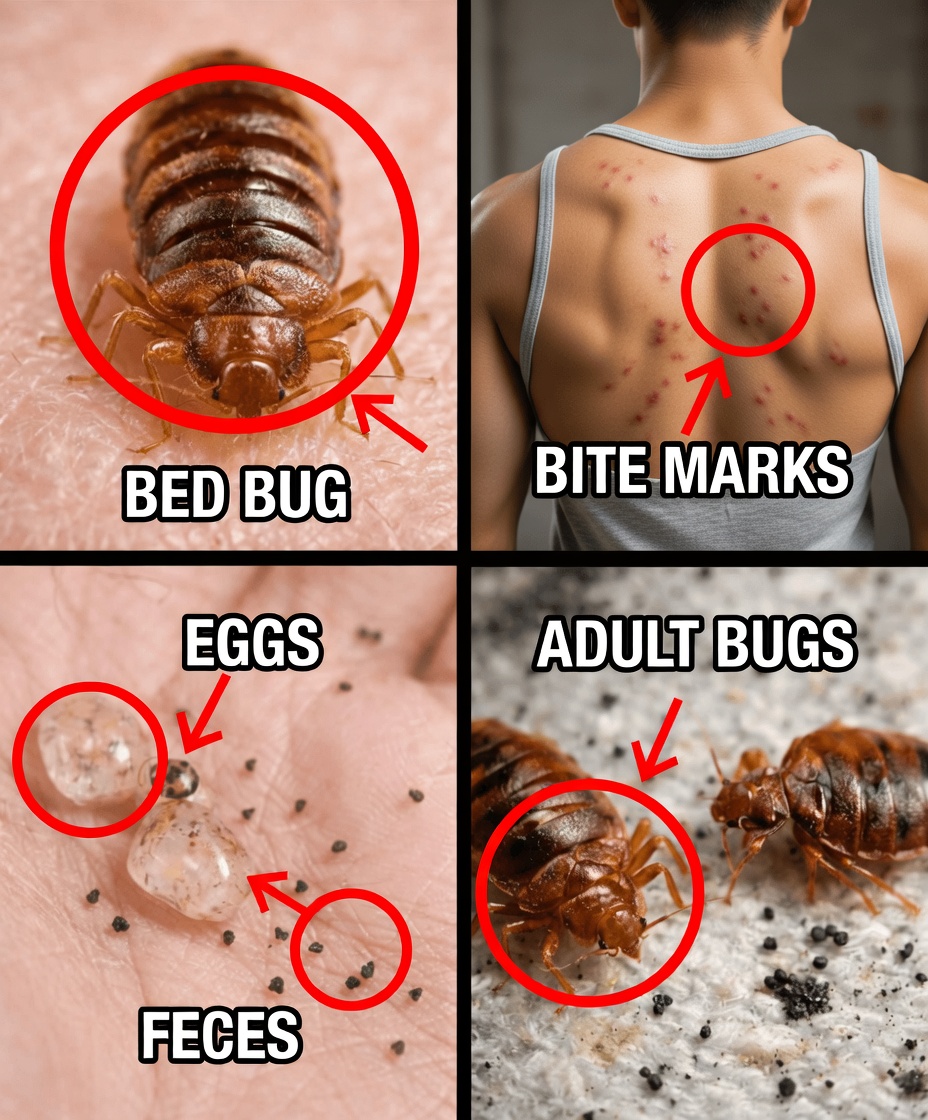
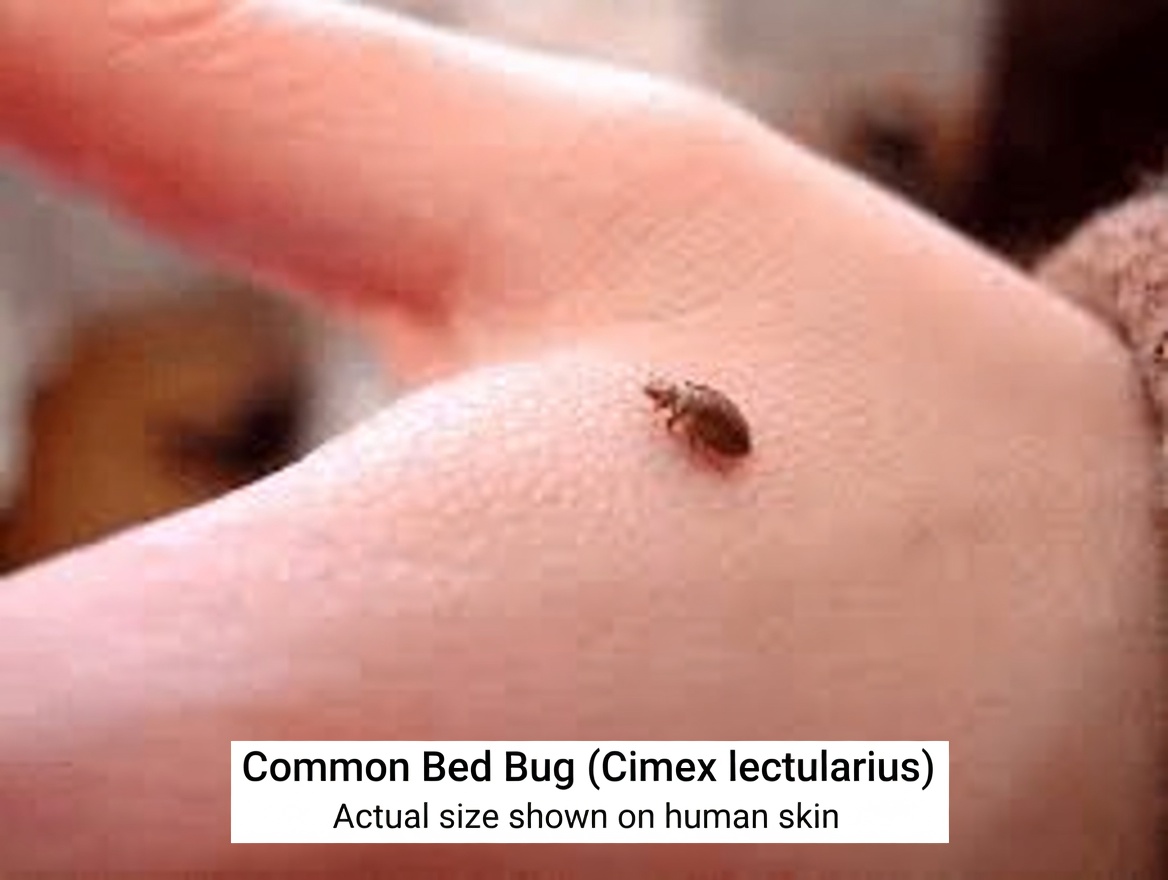
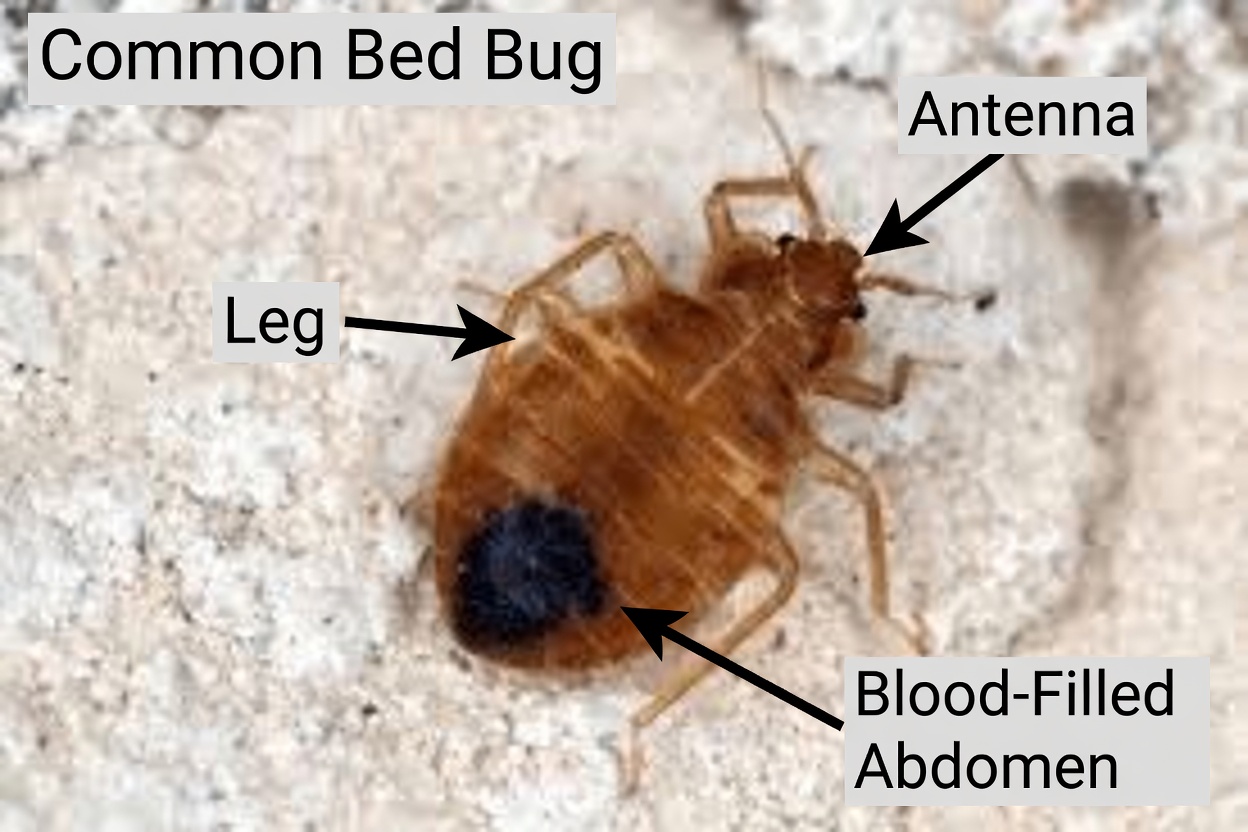
Bed bugs are primarily indoor pests. They rely on human blood to survive and typically live close to where people sleep or rest. Because of this, true “garden infestations” are extremely uncommon.
In most cases, bed bugs you see outside are:
- Temporary hitchhikers carried on clothing, blankets, or bags
- Bugs that arrived on used or discarded furniture
- Strays from a neighbor’s problem during warmer months
Outdoors, they tend to hide in:
- Cushion seams
- Gaps in wooden benches or decks
- Cracks in patio furniture
So if you’ve found bed bugs in your garden, you’re usually dealing with a few stragglers, not an established colony. That difference matters: isolated bugs are much easier to control quickly. But before you reach for the “magic” solution you saw in a viral video, it’s worth understanding why those promises often fall short.
Why “Gone in Minutes” Bed Bug Tricks Are Often Misleading
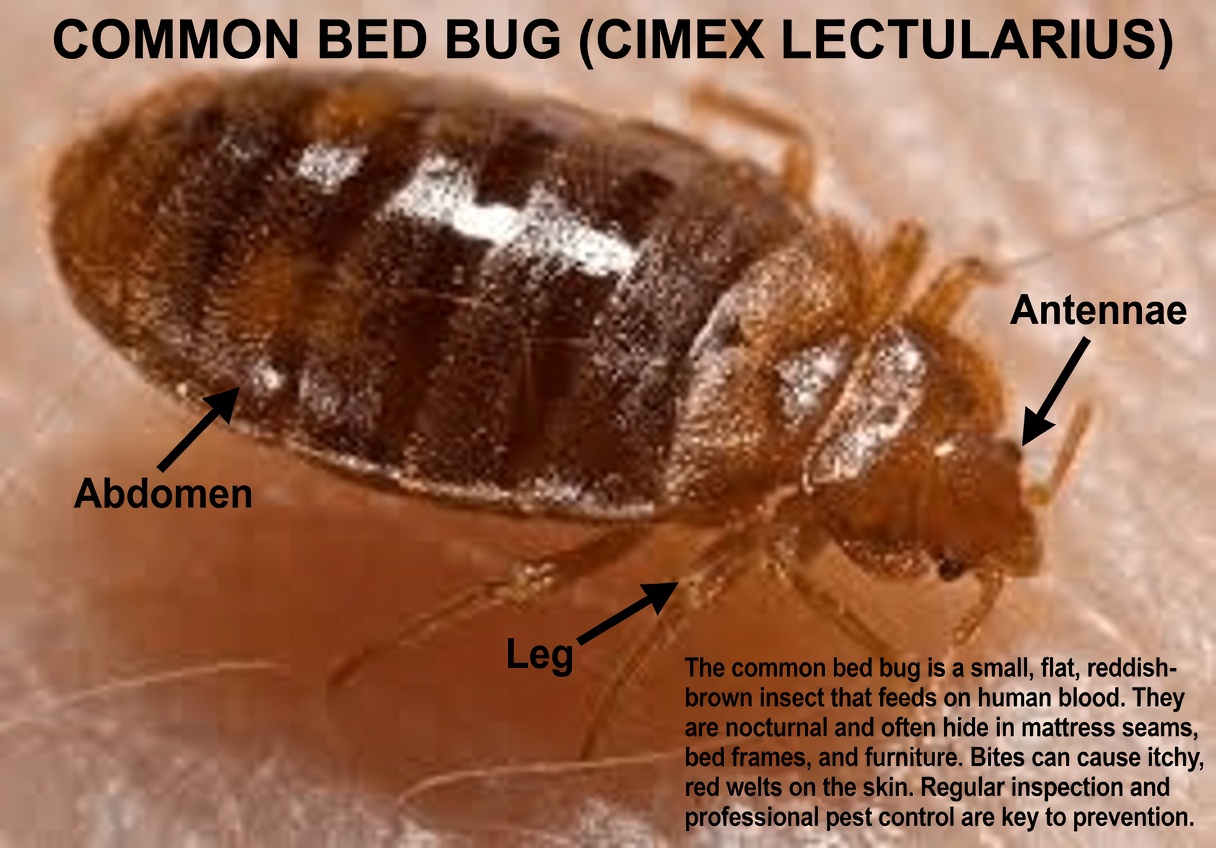
Online videos often promote a single miracle spray or pour‑on solution that supposedly makes bed bugs disappear instantly. While some of these methods can kill individual bugs on contact, they rarely solve the full problem.
Here’s what’s really happening:
- Boiling water or strong vinegar can kill bed bugs they touch directly by damaging their bodies.
- However, these methods only affect the insects you can see and reach.
- Eggs and tiny nymphs hidden in seams, cracks, or folds often survive and reappear later.
- Spraying strong mixtures over large garden areas can harm plants, damage surfaces, and affect soil health.
Scientific studies show that bed bugs die quickly at temperatures above about 120°F (49°C), but achieving and maintaining that level of heat outdoors, safely and evenly, is difficult without professional tools.
Vinegar can:
- Kill or repel exposed bed bugs on contact
- Fail to penetrate deep hiding spots where they shelter
That’s why experienced homeowners and gardeners tend to rely on a combination of proven steps rather than hoping for an instant miracle.
The upside: there are actions you can take today that dramatically cut down the number of bed bugs you see.
Fast Spot Treatments for Bed Bugs You Can See
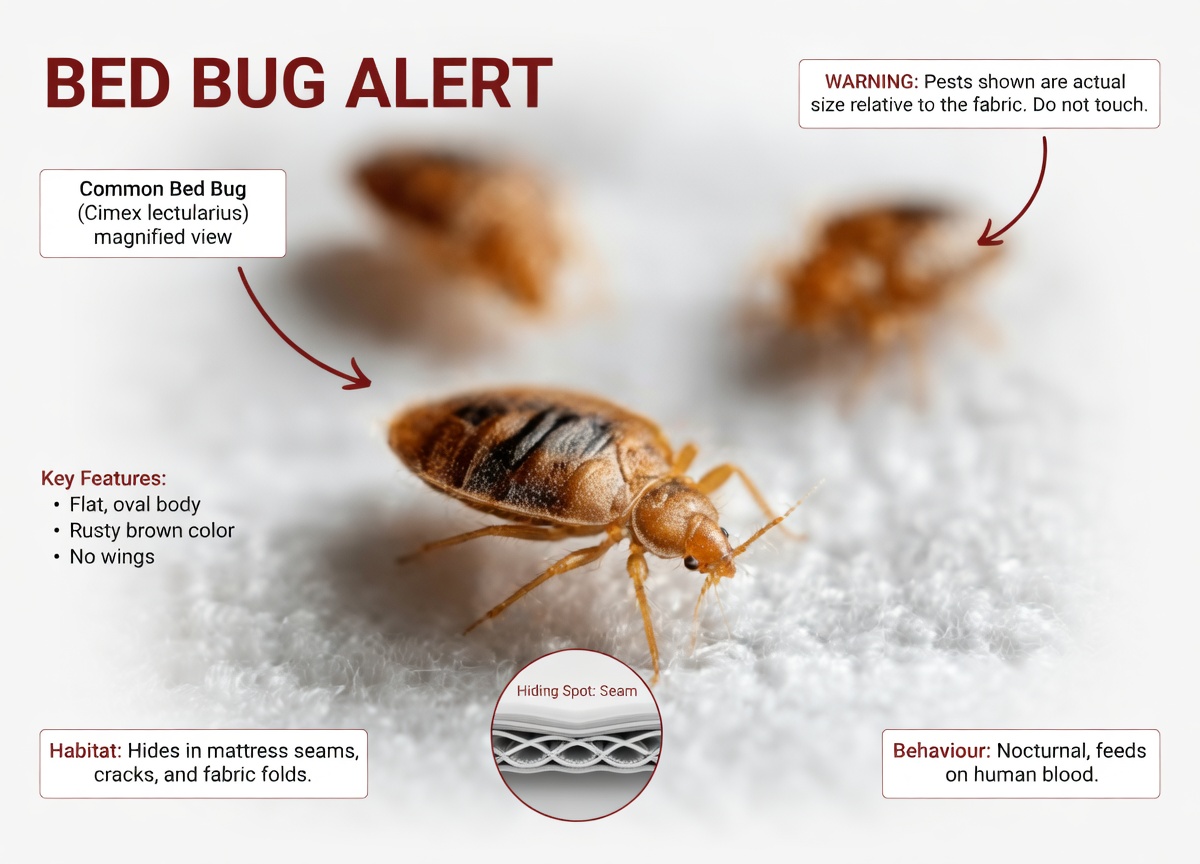
When you suddenly spot bed bugs moving across your patio or furniture, it’s natural to feel a surge of stress. Acting quickly with targeted methods can noticeably reduce visible bugs in a short time.
1. Boiling Water on Hard Surfaces
- Carefully pour boiling water directly onto bed bugs on hard, non‑plant surfaces such as:
- Stone paths
- Metal or tile furniture
- Concrete floors
- Boiling water kills them almost instantly on direct contact.
- Avoid using this near plants or on delicate materials, and always protect yourself from burns.
2. Undiluted White Vinegar Spray
- Fill a spray bottle with undiluted white vinegar.
- Spray directly onto any bed bugs you can see.
- The acetic acid in vinegar can disable bed bugs within minutes when applied straight to their bodies.
- Test on a small, hidden area of surfaces first to ensure it doesn’t damage finishes.
3. Vacuuming or Sweeping
- Use a shop vacuum or strong household vacuum to suck up bed bugs you see on:
- Floors
- Chair legs
- Under furniture
- After vacuuming, seal and discard the bag (or contents) well away from your house. This prevents any live bugs from finding their way back.
These spot treatments can quickly reduce the number of bed bugs you notice. However, for lasting relief, you also need to tackle where they hide.
Remove and Isolate Bed Bug Hiding Places
Even outdoors, clutter and soft furnishings give bed bugs ideal refuge. Cushions, throws, and stored items can become “hot spots” that raise your stress level every time you walk outside.
Inspect and Treat Cushions and Fabrics
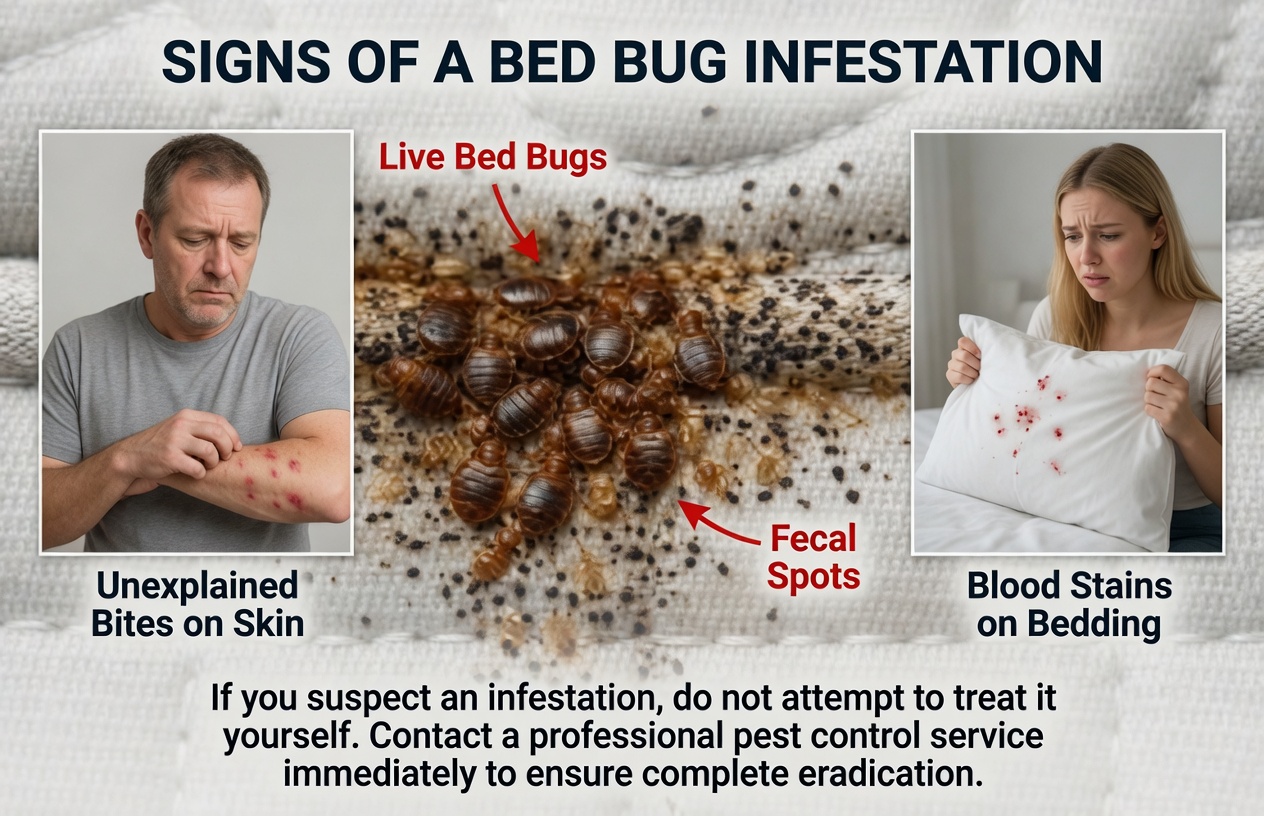
- Carefully check all outdoor cushions, pillows, and fabric covers for:
- Live bugs
- Tiny dark spots (droppings)
- Pale eggs or shed skins
- If covers are removable, wash them in hot water (at least 120°F / 49°C) and dry them on the highest heat setting your dryer allows.
- High heat is one of the most reliable ways to kill bed bugs, including eggs.
Store Clean Items in Sealed Containers
- Once items are washed and thoroughly dried, store them in:
- Thick plastic bags with tight seals, or
- Lidded storage bins
- Only bring them out when needed. This:
- Removes potential hiding spots from your garden
- Reduces the chance that bed bugs move from outside to indoors later
Many people notice fewer outdoor sightings within days of decluttering and sealing away rarely used fabrics.
Long-Term Prevention: Make Your Garden Less Attractive to Bed Bugs
Prevention is just as important as treatment. Extra clutter, stored junk, or bringing in used items can all invite bed bugs to linger in your outdoor space.
To keep bed bugs from becoming a recurring issue:
- Keep furniture clean and off the ground
- Use slightly elevated furniture when possible.
- Regularly wipe down chair legs and undersides.
- Be cautious with second‑hand items
- Avoid placing used mattresses, sofas, or wooden furniture directly in your yard or on your patio without inspecting them.
- Seal cracks and gaps
- Check wooden fences, benches, decks, and pergolas for crevices.
- Seal gaps where bed bugs could hide during the day.
- Maintain a simple, clutter‑free patio
- Store cardboard boxes, fabric items, and unused objects away from your seating area.
Routine inspections become your best long‑term shield. A quick weekly check is usually enough to catch stray bed bugs before they turn into a bigger worry.
Comparing Outdoor Bed Bug Control Methods
Different methods work in different ways. Using them together is typically more effective than relying on just one.
| Method | Speed of Action | Effectiveness on Visible Bed Bugs | Outdoor Suitability | Key Safety Notes |
|---|---|---|---|---|
| Boiling Water | Instant on direct contact | High (only where water hits) | Best for hard, non‑plant surfaces | Risk of burns; keep away from plants and feet |
| Vinegar Spray | Within minutes on contact | Moderate to good | Works on most surfaces if tested | Strong odor; test on small area first |
| Vacuuming / Sweeping | Immediate removal | High for visible bugs | Excellent for patios and decks | Seal and discard contents far from the house |
| Sealed Storage | Hours to days | High for preventing re‑infestation | Ideal for cushions and fabrics | Use thick bags or solid containers |
| Professional Help | Varies by treatment | Very high | Recommended for persistent issues | Usually the safest, most thorough long‑term fix |
This comparison shows why a combined approach—spot treatment, cleaning, and prevention—works best for managing bed bugs in garden and patio areas.
How to Fit These Steps into Your Garden Routine
You don’t need a complicated system. A few simple habits can blend easily into your existing outdoor routine and dramatically reduce bed bug worries.
Build a Quick Check-In Routine
- Do a brief evening inspection of your patio or seating area.
- Use a flashlight to look along cushion seams and under chair frames.
- Deal with any bed bugs you see immediately using boiling water (on hard surfaces only), vinegar spray, or vacuuming.
After Any Sighting
- Vacuum the area thoroughly to remove live bugs and debris.
- Wash and heat‑dry any fabric items that might be affected.
- Store cleaned textiles in sealed bags or containers until you’re ready to use them again.
Practical Usage Tips for Handling Bed Bugs
- Inspect outdoor cushions once a week as part of your garden care.
- Vacuum the area every time you spot a bed bug.
- Keep seldom‑used items sealed when not in use to limit hiding spots.
Safety Guidelines for Common Bed Bug Methods
Whenever you use DIY methods, safety comes first—for you, your family, and your garden.
Method-by-Method Safety Notes
-
Boiling water
- Use only on hard surfaces like stone, tile, or metal.
- Keep away from plants, pets, and bare skin.
- Pour slowly to avoid splashing and burns.
-
Vinegar spray
- Test on a small, hidden area of the surface first.
- Be prepared for a strong, lingering smell.
- Avoid spraying directly onto delicate plants unless tested.
-
Vacuuming
- After use, empty or discard the bag far from your home.
- Seal the bag in another plastic bag before putting it in the trash.
-
Professional inspection
- If bed bugs continue to reappear, contact a licensed pest control professional.
- This is often the safest way to ensure the problem is fully resolved.
These tips are general guidelines—always follow product labels, protect your skin and eyes, and use common sense when working with heat or chemicals in your garden.
Answering Common Concerns About Outdoor Bed Bugs
Many people think, “How can this be happening in my clean, well‑kept garden?” Bed bugs are expert hitchhikers, and their appearance is not a sign of poor hygiene or neglect. They can arrive on guests’ clothing, second‑hand items, or even from nearby properties.
“Will outdoor bed bugs move into my house?”
They can, but they don’t have to. Quick action using the steps above—spot treatment, washing, sealing items, and reducing hiding spots—greatly lowers the chance that outdoor bugs migrate indoors.
“Will these treatments damage my plants or furniture?”
Used correctly:
- Boiling water and vinegar should be kept to hard surfaces and away from plant roots.
- Vinegar should always be tested on a small patch of furniture to check for discoloration.
- Vacuuming and sealed storage are generally safe for both garden setups and household furniture.
Reclaim Your Outdoor Space from Bed Bugs
There’s no reason bed bugs should steal the joy from your patio or garden. By combining:
- Quick spot treatments for visible bugs
- Thorough cleaning and hot washing of fabrics
- Clutter reduction and sealed storage
- Simple prevention habits and inspections
you can sharply reduce bed bug sightings and enjoy your outdoor space with confidence again.
You can start tonight: grab a flashlight, check your cushions, and take action on anything you find. Your garden is meant to be a place of calm and comfort—not a constant worry about what might be hiding under the seat.