

A Tiny Bedtime Ritual That Has Many Adults Curious
As evening arrives, many people in their 40s, 50s, and later years deal with a familiar pattern: racing thoughts that refuse to settle, restless legs under the sheets, or a dry, uncomfortable feeling even after drinking water all day. Instead of ending the day calm and restored, they lie awake, tired but unable to fully relax.
That is why more wellness-minded adults are experimenting with a very small nighttime habit: mixing a pinch of pink Himalayan salt into warm water before bed. It sounds simple, almost too simple. But can this gentle ritual actually help the body ease into rest, or are there downsides that often go unnoticed?
Why Himalayan Salt Before Bed Is Getting Attention
Himalayan salt has long attracted interest because it is different from standard table salt. Its soft pink color comes from trace minerals found in ancient salt deposits deep within the Himalayan region. Along with sodium chloride, it contains tiny amounts of minerals such as iron, magnesium, potassium, and calcium.
The reason people use it at night is tied to the idea that these minerals may support hydration balance and muscle comfort as the body prepares for sleep. Those who follow this habit often describe the effect as mild rather than dramatic. About 30 to 60 minutes after drinking it, they notice a subtle sense of calm that makes bedtime feel smoother.
Still, the key question remains the same: is this bedtime practice backed by science, or is it mainly driven by personal stories and online wellness trends?
How Himalayan Salt Differs From Regular Table Salt
Ordinary table salt is heavily processed and typically loses most of its natural trace minerals during refinement. Himalayan salt, by contrast, retains small amounts of those original elements. That difference is one reason it has become popular for nighttime use.
Supporters often point to potassium and magnesium, believing these minerals may help muscles feel looser and reduce minor nighttime cramping. At the same time, sodium itself plays a major role in fluid regulation and nerve signaling, both of which affect how the body functions overnight.
Research on electrolytes suggests that balanced levels matter for overall body rhythms, including rest and recovery. However, the amount provided by a single pinch of salt is still quite small. For people who sweat a lot, live in dry climates, or tend to feel depleted in the evening, that tiny addition may seem helpful, even if it is not a major solution.
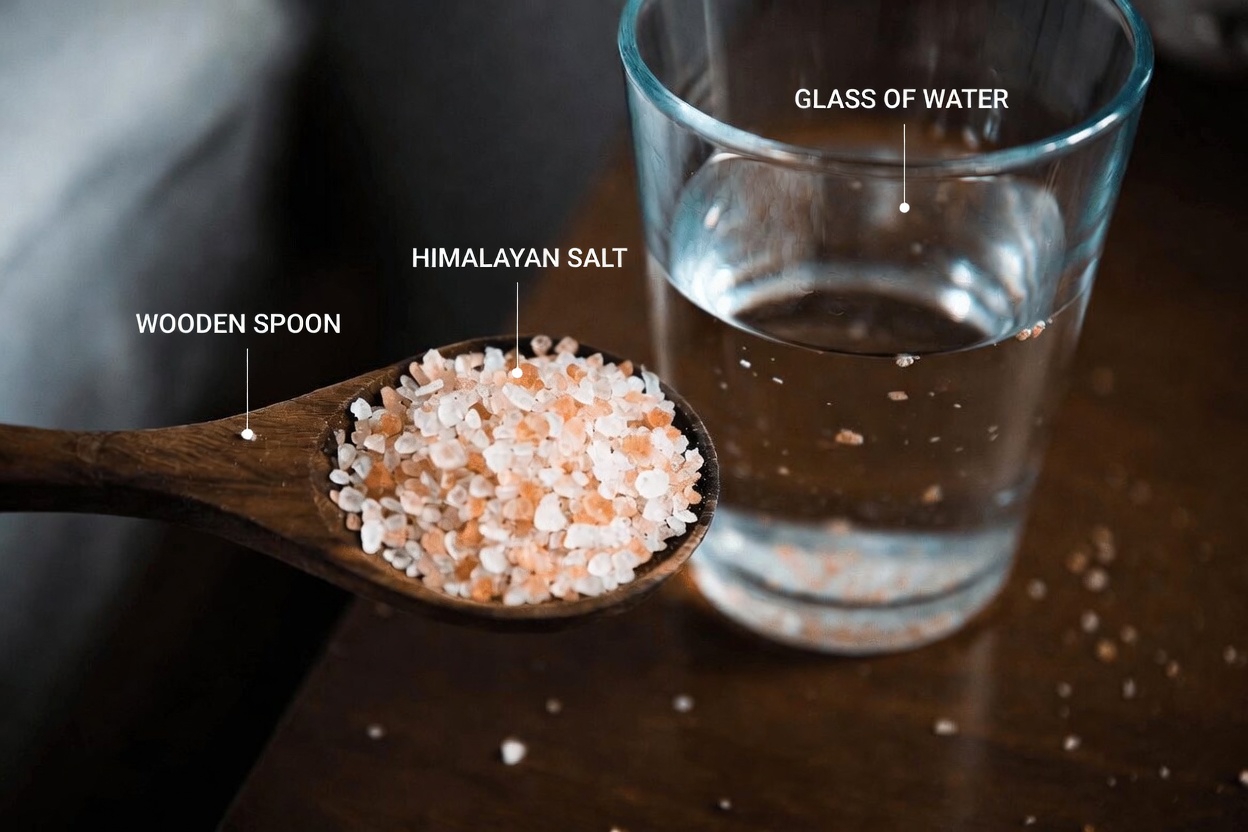
Possible Benefits of Drinking Himalayan Salt Water Before Bed
It is important to be realistic: this is not a miracle sleep remedy. Any effects are likely to be modest and highly personal. Still, a small amount of Himalayan salt in warm water may offer a few gentle benefits based on the way electrolytes function in the body.
Potential benefits may include:
- Supporting hydration balance overnight, especially after an active day
- Helping some people feel less muscle discomfort or fewer restless-leg sensations
- Providing a small amount of sodium that may help the body shift more comfortably into a resting state
The trace minerals in Himalayan salt often get the most attention, especially magnesium and potassium, because both are involved in relaxation processes. That said, much richer sources of these nutrients include foods like bananas, seeds, nuts, and leafy greens. The appeal of the salt ritual is less about high mineral content and more about the soothing experience of sipping a warm drink slowly before bed.
Some people say they wake up feeling more steady and less groggy after trying it. Others notice no difference at all. Personal response varies widely.
Important Risks and Cautions to Consider
While a small pinch may sound harmless, too much sodium at night can work against you. Excess salt before bed may contribute to water retention, overnight puffiness, or more frequent bathroom trips that interrupt sleep.
Himalayan salt is not low in sodium. It contains nearly the same amount as regular salt, around 2,200 mg per teaspoon. That is why the recommended amount, if someone tries this habit, stays very small.
Other things to keep in mind:
- Replacing iodized table salt entirely could reduce iodine intake over time
- Drinking salty water without staying properly hydrated during the day may backfire
- People with high blood pressure, kidney concerns, or certain medications should be especially cautious
Health experts regularly note that most adults already consume enough sodium through regular meals. In many cases, adding more does not provide meaningful benefits unless there is a genuine need. Moderation matters far more than following a wellness trend.
The Smartest Way to Try Himalayan Salt Before Bed
If you want to test this ritual for yourself, the safest approach is to keep it minimal and easy to track. Start small, observe your response, and avoid turning it into a large dose.
Here is a simple method:
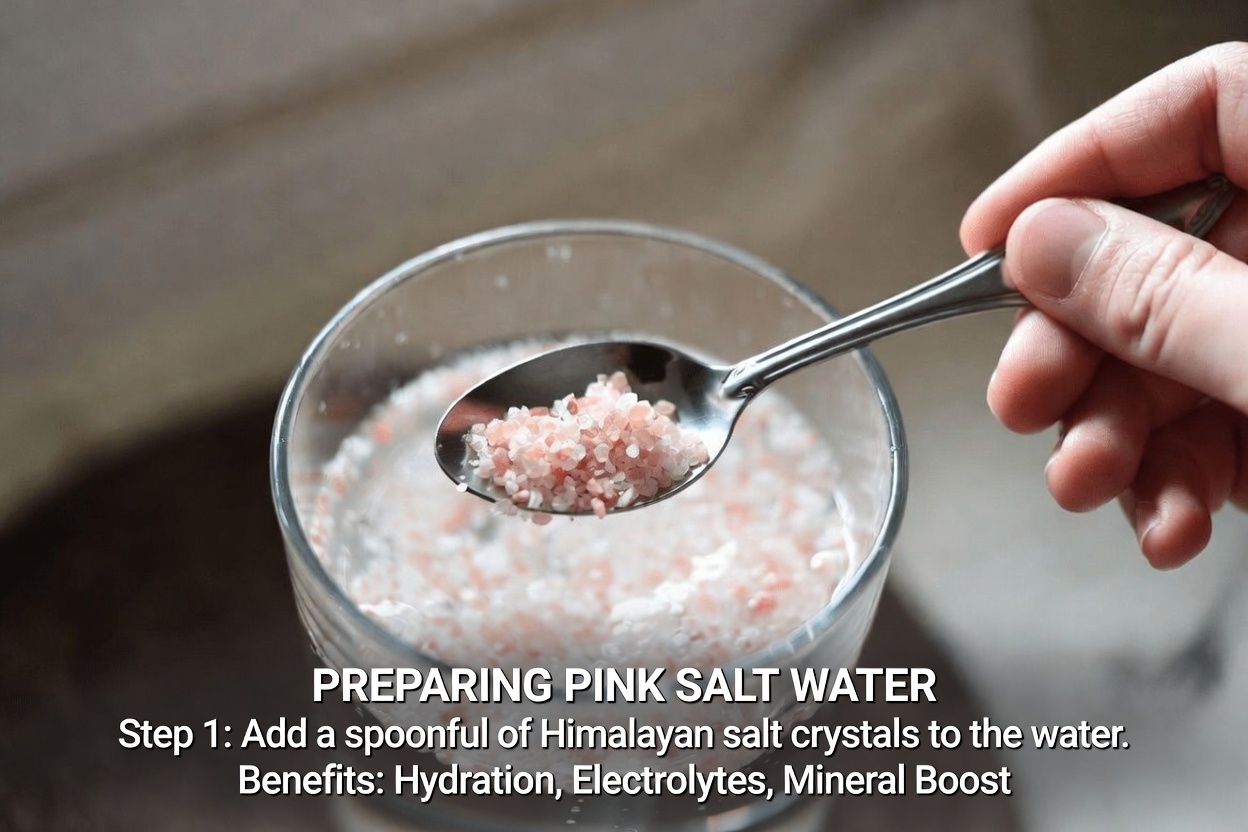
- Dissolve about 1/8 teaspoon of Himalayan salt in 8 to 12 ounces of warm water.
- Drink it slowly 60 to 90 minutes before bedtime.
- Pay attention to how you feel the next morning, including sleep quality, energy, bloating, or thirst.
- Try it for 3 to 5 nights before deciding whether it helps.
- Continue drinking plain water normally throughout the day.
Comparing Bedtime Options
Below is a simple comparison of common evening choices and what they may offer:
| Approach | Possible Benefit | Approximate Sodium | Notes |
|---|---|---|---|
| Pinch of Himalayan salt in warm water | Mild electrolyte support, gentle calming ritual | 200–300 mg | Keep the amount very small; monitor blood pressure |
| Plain warm water | Hydration only | 0 mg | Low risk and suitable for most people |
| Chamomile or herbal tea | Natural relaxation support | 0 mg | A gentle bedtime option for many adults |
| Epsom salt bath | Relaxation, external magnesium exposure | Minimal ingested | A good alternative without added sodium |
This comparison helps explain why many people prefer starting with the tiniest possible amount, or skipping salt entirely if warm water or herbal tea already works well.
What People Are Saying Online
Online wellness communities are full of mixed experiences. Some users say a small glass of warm salt water reduced restless legs after long days and helped them fall asleep faster. Others report waking up with less fatigue and feeling more balanced in the morning.
But not everyone notices a benefit. Some people experience no change at all, while others say the added fluid or sodium led to more nighttime bathroom trips. In many cases, the result may come from a combination of hydration, routine, and the calming act of slowing down before bed.
That is why individual biology matters so much. A habit that feels helpful for one person may do absolutely nothing for another.
Bedtime Habits That May Help Even More
In reality, better sleep usually comes from steady routines rather than a single ingredient. If you are curious about Himalayan salt before bed, it makes more sense to combine it with proven habits that support relaxation.
Helpful evening practices include:
- Lowering indoor lighting about an hour before sleep
- Doing 5 minutes of slow breathing or light stretching
- Going to bed and waking up at the same time each day
- Eating magnesium-rich foods earlier in the evening instead of relying on one bedtime fix
These small changes often create a stronger effect together than any one nighttime drink.
Final Thoughts on Himalayan Salt Before Bed
Himalayan salt before bed is a simple ritual that appeals to many people because it feels natural, calming, and easy to try. For some, a tiny pinch in warm water may offer mild support for hydration and nighttime comfort. But the benefits appear modest, and the response is highly individual.
The main takeaway is simple: keep the amount very small, be mindful of total sodium intake, and pay attention to how your body responds. If you choose to experiment, do it thoughtfully and treat it as one small part of a healthier evening routine, not a cure-all for sleep problems.