Feeling More Tired With Age? These 6 Seeds May Help Support Energy, Digestion, and Daily Wellness
As the years go by, it is natural to notice lower energy, slower digestion, or small changes in how you feel from morning to evening. Even minor shifts can make daily activities seem more demanding and leave you searching for an easy way to feel better. One simple habit can help: adding a few nutrient-dense seeds to your meals. Some varieties are especially valuable, and the best part is how easy they are to use right away.
Why Seeds Belong in a Senior-Friendly Diet
Seeds may be tiny, but they are packed with nutrition. They provide fiber, beneficial fats, vitamins, and important minerals in a compact form. For older adults, they can be a practical and gentle addition to everyday meals, helping support digestion, heart health, and more stable energy levels without requiring a major diet overhaul.
Studies suggest that eating certain seeds regularly may help maintain healthy cholesterol and improve the body’s ability to use nutrients as we age. Their biggest advantage, however, is how effortlessly they can be combined with ordinary foods you already enjoy.
6 Seeds to Add to Your Daily Routine
Below are six excellent seeds that fit especially well into a balanced lifestyle for seniors.
1. Flaxseeds: A Simple Source of Plant Omega-3s
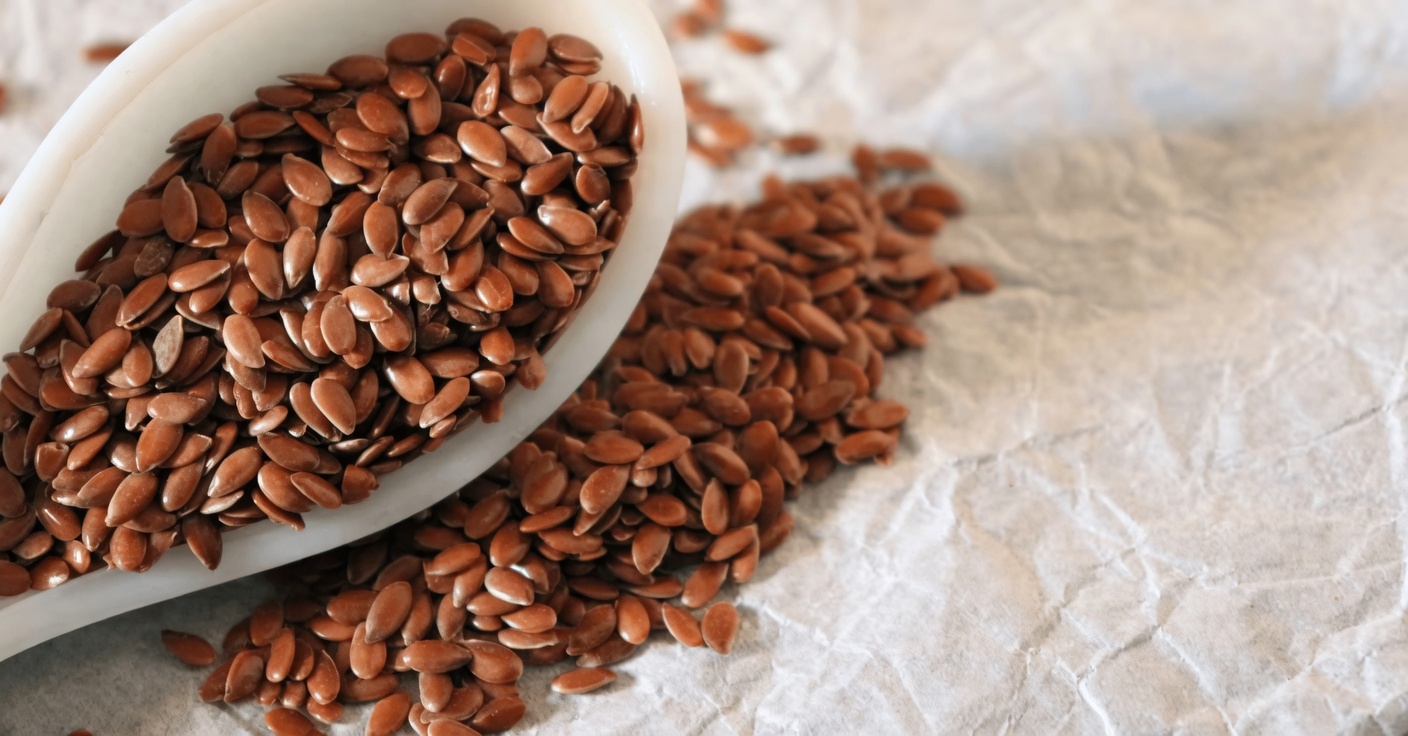
Flaxseeds are small brown seeds with impressive nutritional value. They are rich in fiber and plant-based omega-3 fatty acids, two nutrients many older adults appreciate for digestive comfort and everyday wellness. Flax also contains lignans, natural compounds that may help support a healthy inflammatory response.
For best absorption, use them ground rather than whole. A good starting point is about one tablespoon per day.
2. Chia Seeds: Great for Hydration, Fullness, and Steady Energy
Chia seeds absorb liquid and form a gel-like texture, which makes them ideal for yogurt, puddings, and overnight oats. They offer a helpful mix of fiber, protein, and calcium in a very small serving.
Many people find that chia helps them feel satisfied longer and may reduce afternoon energy dips. Some research has also linked chia consumption with healthier blood sugar balance, which can be especially useful for active older adults.
3. Pumpkin Seeds: Magnesium Support for Muscles and Sleep
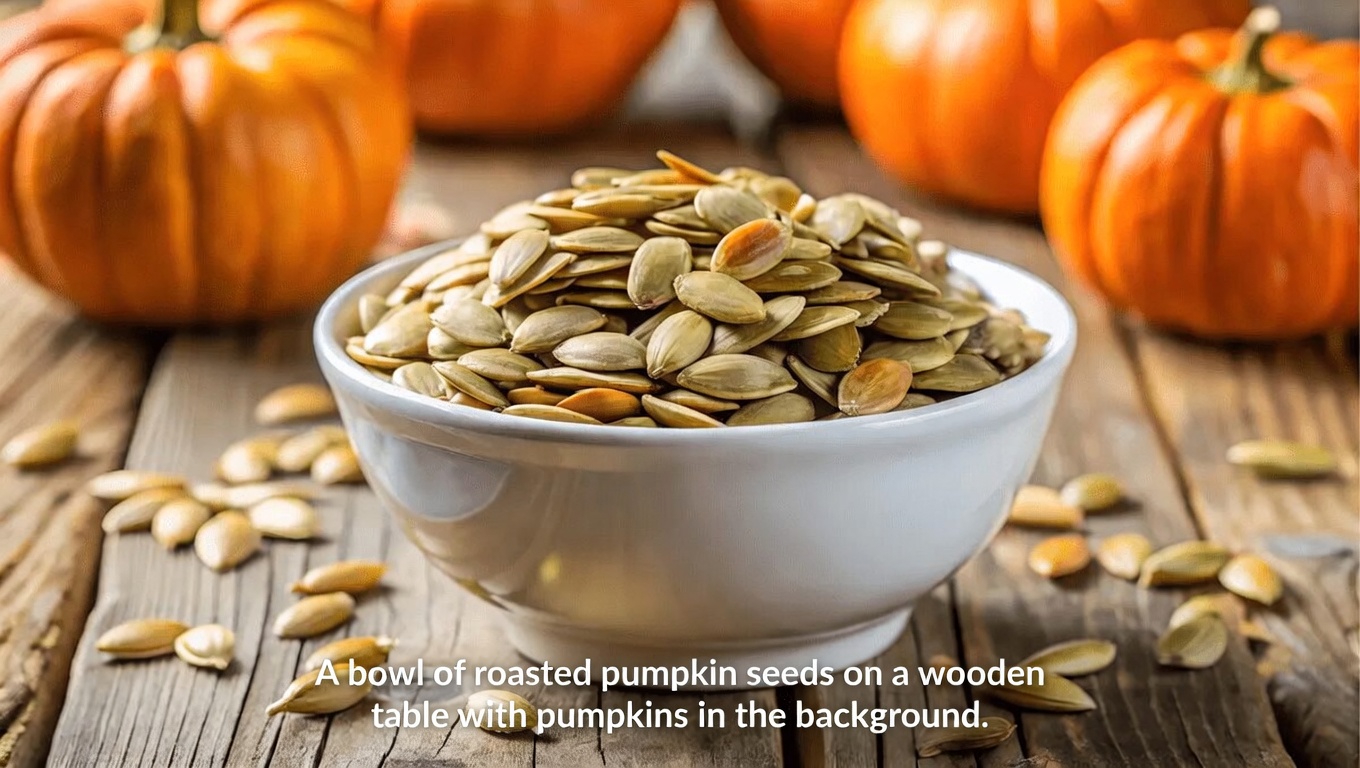
Pumpkin seeds, with their natural green color, are a strong source of magnesium. This mineral plays an important role in muscle relaxation and restful sleep. They also provide nutrients that may support normal blood pressure.
A small handful of roasted pumpkin seeds makes an easy snack, and they also work well sprinkled over salads or soups.
4. Sunflower Seeds: Vitamin E for Heart, Skin, and Immunity
Sunflower seeds add crunch and flavor while supplying a generous amount of vitamin E. This antioxidant helps support skin health and immune function, and nutrient-rich diets that include vitamin E may also contribute to long-term heart wellness.
They are easy to use in everyday meals. Try adding them to oatmeal, salads, or smoothies for a simple nutritional boost.
5. Sesame Seeds: Small Seeds With Big Calcium Benefits
Sesame seeds are often overlooked, but they can be a valuable source of calcium and healthy fats. In fact, they provide more calcium per serving than many people expect, making them a smart option for those looking to vary their sources of this important mineral.
They also contain compounds that may help support joint comfort. Lightly toasted sesame seeds are delicious over rice, cooked vegetables, or grain bowls.
6. Hemp Seeds: Complete Protein for Strength and Maintenance
Hemp seeds are unique because they contain all essential amino acids, making them a complete protein source. They are also easy to digest, which can be helpful for seniors focused on preserving muscle mass and staying active.
Their mild, nutty flavor makes them especially versatile. Blend them into a smoothie, stir them into yogurt, or mix them into homemade dressings.
Easy Ways to Start Using These Seeds This Week
If you want a simple plan, begin with small daily habits like these:
- Morning: Mix one tablespoon of ground flaxseed and one tablespoon of chia into yogurt or oatmeal.
- Afternoon: Keep a small portion of pumpkin and sunflower seeds nearby for a convenient snack.
- Dinner: Sprinkle sesame and hemp seeds over vegetables, soup, or a grain dish.
- Portion tip: Begin with 1 to 2 tablespoons total per day so your digestive system can adjust comfortably.
- Storage tip: Store seeds in airtight containers in the refrigerator to help preserve freshness and nutrients.
Seed Benefits at a Glance
| Seed | Main Nutrient Highlight | Easy Way to Enjoy It | Potential Wellness Support |
|---|---|---|---|
| Flaxseeds | Omega-3s and fiber | Ground into smoothies | Digestion and daily comfort |
| Chia seeds | Protein and calcium | Soaked in overnight pudding | Steady energy and hydration |
| Pumpkin seeds | Magnesium and zinc | Roasted as a snack | Muscle relaxation and rest |
| Sunflower seeds | Vitamin E | Sprinkled on salads | Skin and immune support |
| Sesame seeds | Calcium and healthy fats | Toasted over vegetables | Joint comfort |
| Hemp seeds | Complete protein | Blended into dressings | Muscle maintenance |
This comparison makes it easier to choose the seeds that match your needs and the ingredients already in your kitchen.
Why These Seeds Can Feel So Effective
One of the most important things to remember is that regular use matters more than perfection. You do not need to eat all six every day to see value. Even adding two or three of them several times a week can support noticeable improvements over time.
Their fiber may help digestion stay regular, their healthy fats can keep you full longer, and their minerals may support the energy and strength needed for hobbies, walks, family time, and other everyday activities.
Frequently Asked Questions
How much seed should I eat each day?
A common recommendation is to start with 1 to 2 tablespoons total per day. That amount is usually easy to add to meals and less likely to upset your stomach.
Should I eat seeds whole or ground?
Some seeds are better prepared before eating. Flaxseeds are best ground, and chia seeds are often easier to digest when soaked. The rest can usually be eaten whole.
Should I talk to my doctor before adding more seeds to my diet?
Yes, that is a wise idea if you take blood thinners, have digestive concerns, or manage a health condition. It is always best to check with your healthcare provider before making major dietary changes.
Final Thoughts
Adding these six nutritious seeds to your routine is one of the easiest ways to support daily wellness. They are affordable, easy to store, and simple to mix into meals once you discover the combinations you like best. Start with small amounts, stay consistent, and pay attention to how your comfort and energy improve over time.
Disclaimer: This article is for informational purposes only and is not intended to diagnose, treat, or cure any medical condition. Always consult your healthcare provider before making significant changes to your diet, especially if you have existing health concerns or take medications. Individual results may vary.