Rediscovering a Brighter Smile After 40
For many adults in their 40s and beyond, a once-bright smile slowly looks duller over time. Daily coffee, tea, red wine, and the natural aging process all leave behind stains that can make teeth look yellow or tired. This change doesn’t just affect appearance; it can influence how you feel at work, in social situations, or even in family photos.
You might catch yourself smiling with your lips closed in meetings or avoiding laughing freely with friends because you feel self-conscious. That quiet loss of confidence is one reason some people turn to natural teeth whitening using simple ingredients they already have in the kitchen. These at‑home options can seem like an affordable, accessible way to gently tackle surface stains.
The real secret, however, is learning how to use natural teeth whitening methods safely so you can support a brighter smile without harming your teeth or gums.
The Emotional Side of Stained Teeth – and Why Natural Teeth Whitening Appeals to Midlife Adults
After 40, tooth discoloration often becomes a subtle but powerful confidence drain. You may notice:
- Hesitation when someone pulls out a camera
- Avoiding close‑up photos or video calls
- Holding back full laughter in social or professional moments
Because of this, natural teeth whitening has become increasingly appealing. It promises:
- A gentler approach than many harsh chemical options
- Lower cost compared to in‑office cosmetic procedures
- A sense of control, since you can experiment at home
Understanding these emotional triggers matters. Research suggests that a brighter smile can affect how friendly, youthful, and approachable others perceive you to be. For many midlife adults, working on tooth color becomes part of reclaiming confidence and presence.
How Tooth Stains Develop – and Where Natural Remedies Can Help
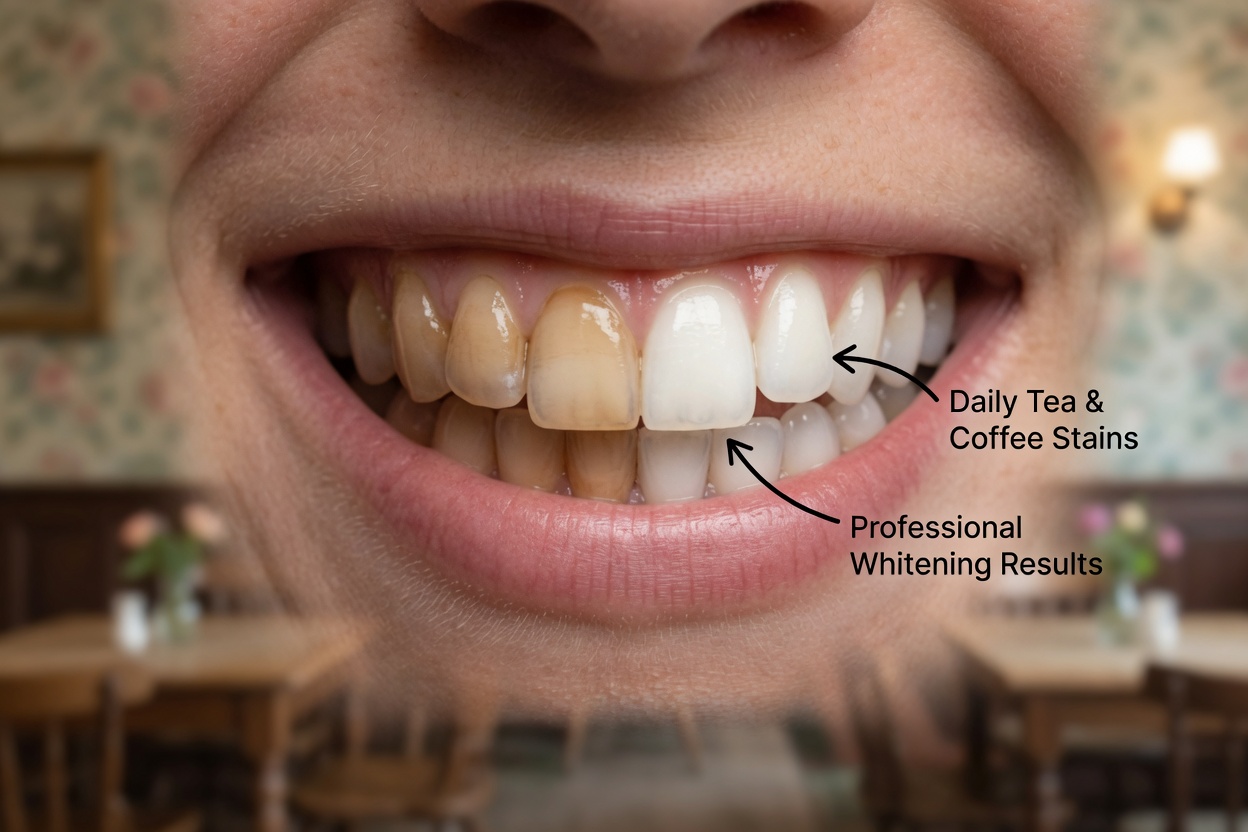
Everyday habits gradually alter the color of your teeth. Common stain culprits include:
- Coffee, tea, dark sodas, and red wine
- Tobacco use
- Highly pigmented foods (like berries, curry, or soy sauce)
- Reduced enamel thickness as you age, which exposes more of the yellowish dentin underneath
Natural teeth whitening approaches mainly aim at surface stains (extrinsic stains). They can sometimes help lift or reduce these external discolorations, which may make your smile look lighter and fresher.
However, no natural method can replace solid daily oral care. Good habits form the foundation that makes any whitening—natural or professional—more effective and safer.
4 Kitchen-Based Approaches People Use for Natural Teeth Whitening
Many people look to familiar ingredients when they start experimenting with natural teeth whitening, especially after 40 when stains feel more noticeable. These methods use everyday items and are explored for their potential to reduce surface discoloration.
Below are four commonly used options that some people incorporate cautiously into their routines. Always speak with your dentist before trying any new approach.
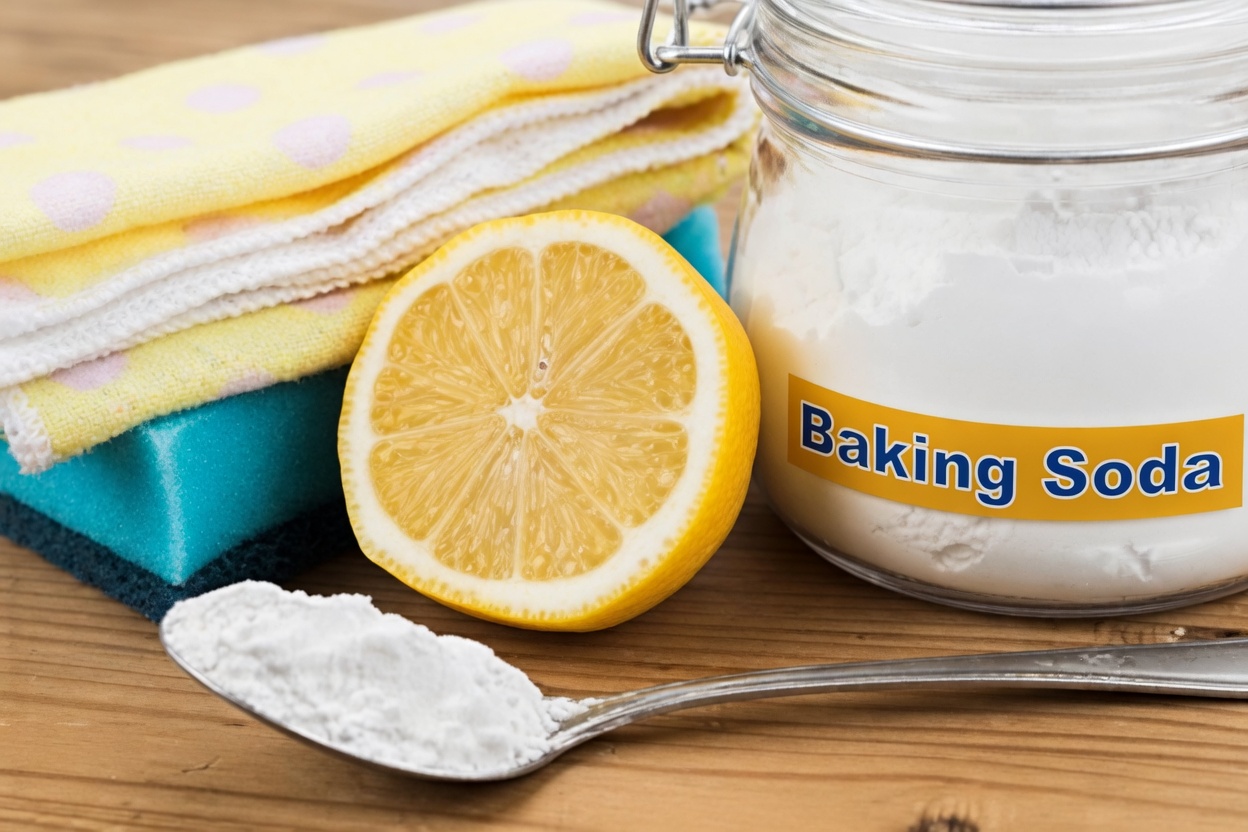
1. Baking Soda and Lemon Paste
Baking soda combined with lemon juice is a widely discussed natural teeth whitening remedy, especially for stains from coffee or tea.
-
How it may help:
- Baking soda offers mild abrasive action that can polish away some surface stains.
- Lemon juice provides citric acid, which may enhance cleaning but also increases acidity.
-
How to use (with caution):
- Mix a very small amount of baking soda with a few drops of fresh lemon juice to form a thin paste.
- Apply gently to teeth with a soft brush or fingertip for about 1 minute.
- Rinse thoroughly with water afterwards.
-
Suggested frequency:
- No more than once a week due to the acidity and abrasiveness.
Because acidic mixtures can weaken enamel if overused, it is essential to discuss this method with a dentist before adding it to your natural teeth whitening routine.
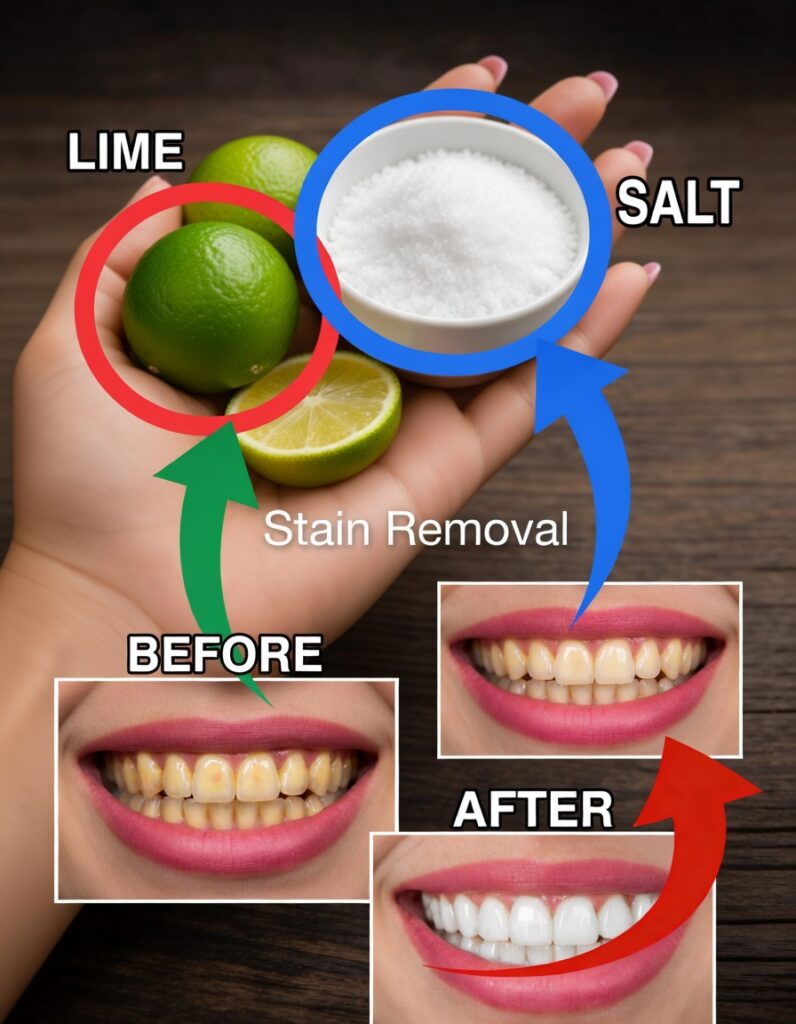
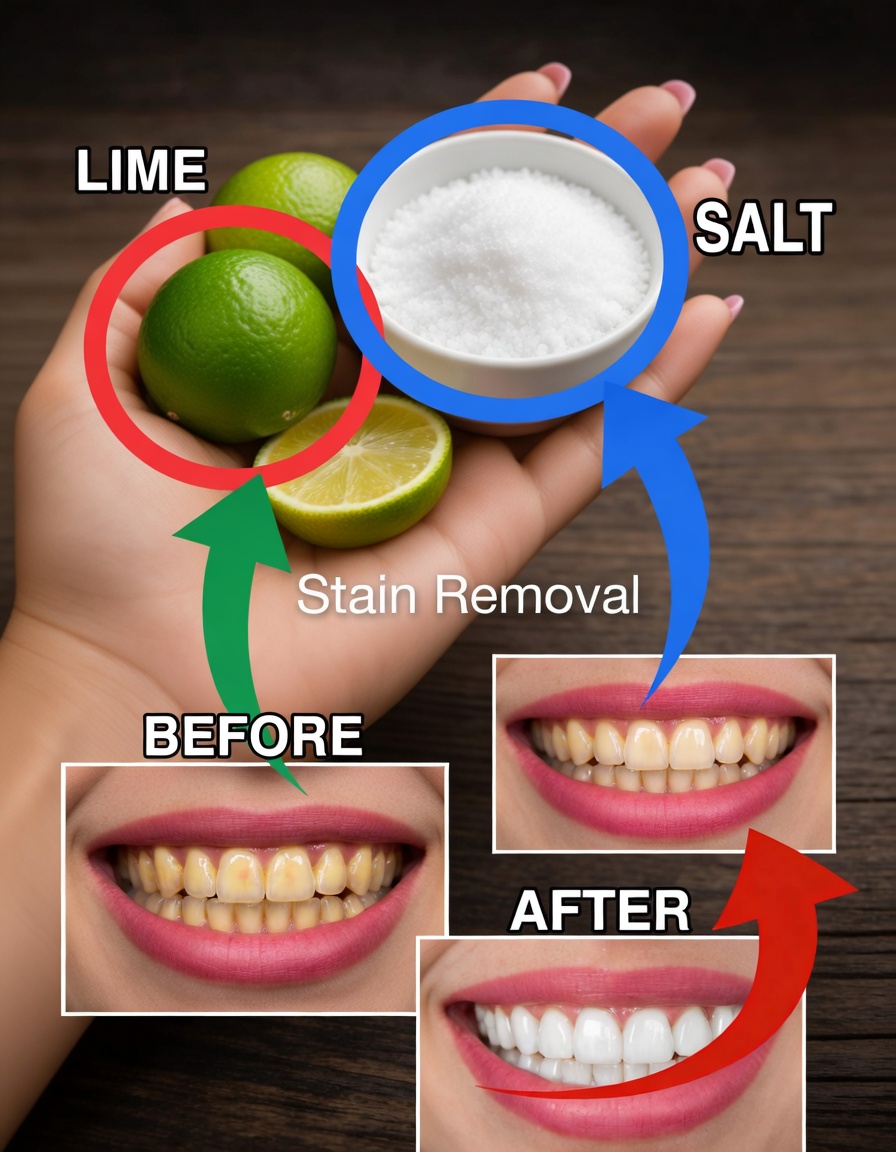
2. Salt and Lime Scrub
Some adults over 40 experiment with a salt and lime mixture as part of their natural teeth whitening efforts, often hoping for both a cleaner feel and fresher breath.
-
How it may help:
- Salt provides a grainy texture that can scrub away some surface buildup.
- Lime juice adds acidity and a fresh taste.
-
How to use:
- Combine a small pinch of fine salt with a few drops of lime juice.
- Gently brush or rub the mixture on teeth for about 1 minute.
- Let it sit briefly, then rinse your mouth well with water.
-
Suggested frequency:
- Limit to about 2 times per week to reduce the risk of irritation and enamel wear.
3. Coconut Oil Pulling
Coconut oil pulling is an ancient practice that has regained popularity in natural teeth whitening discussions, especially among those looking to enhance overall oral cleanliness and reduce plaque.
-
How it may help:
- Swishing oil around the mouth may help reduce plaque and bacteria.
- Cleaner teeth and healthier gums can contribute to a brighter-looking smile over time.
-
How to use:
- Place 1 tablespoon of coconut oil in your mouth.
- Swish it gently between your teeth for 10–15 minutes, ideally before breakfast.
- Spit the oil into a trash bin (not the sink to avoid clogging) and rinse thoroughly with water.
- Brush your teeth afterward as usual.
-
Suggested frequency:
- Often practiced daily as a supportive oral hygiene habit.
Early research on oil pulling suggests potential benefits for gum health and plaque reduction, which can indirectly improve tooth appearance.
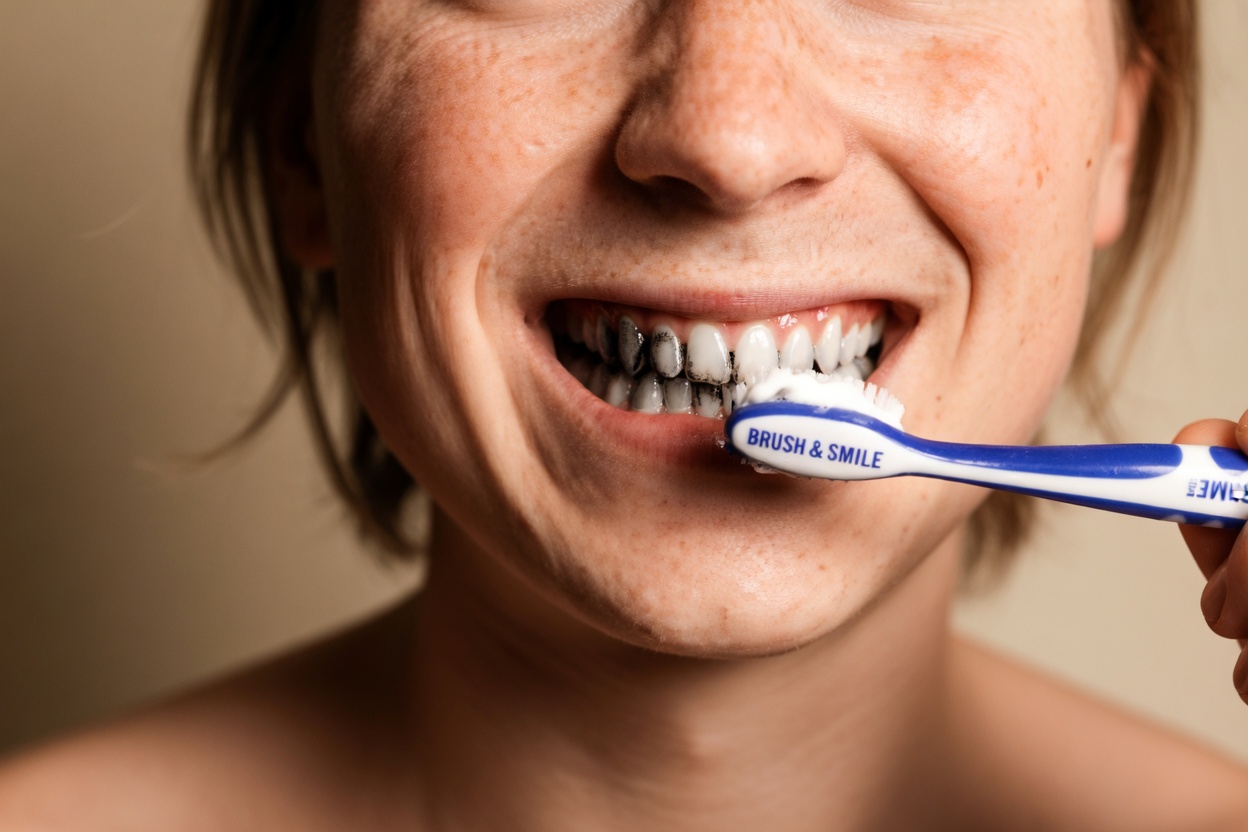
4. Activated Charcoal
Activated charcoal is another popular option in natural teeth whitening circles. It is believed to bind to substances on the tooth surface, potentially helping to remove some stains.
-
How it may help:
- The porous nature of activated charcoal may help it adhere to stain-causing particles.
-
How to use (carefully):
- Wet a soft toothbrush and dip it lightly into activated charcoal powder.
- Gently brush your teeth for up to 2 minutes.
- Rinse extremely well until no charcoal remains in your mouth.
-
Suggested frequency:
- Use no more than 2–3 times per week to avoid over‑abrasion.
Because charcoal can be gritty, people with thin enamel, sensitivity, or existing dental issues should speak with a dentist before trying this method.
Summary of Common Kitchen-Based Methods
| Remedy | Potential Benefit for Natural Teeth Whitening | Suggested Frequency |
|---|---|---|
| Baking Soda & Lemon | Mild surface polishing | Once weekly (maximum) |
| Salt & Lime | Fresh feeling and limited stain removal | Up to 2 times per week |
| Coconut Oil Pulling | Supports plaque reduction and gum health | Daily |
| Activated Charcoal | May bind to surface stains | 2–3 times per week |
Daily Habits That Support Your Natural Teeth Whitening Goals
Consistent daily care is what truly amplifies any natural teeth whitening efforts, especially for adults over 40 dealing with stains and reduced confidence. Thoughtful habits can prevent new discoloration and help maintain whatever brightening you achieve.
Key practices include:
- Brush twice a day with a fluoride toothpaste to remove plaque and early stain buildup.
- Floss every evening to clean between teeth where discoloration often begins.
- Limit stain‑causing foods and drinks such as coffee, black tea, red wine, and dark sauces when possible.
- Rinse or drink water after meals and colored beverages to wash away pigments before they cling to enamel.
Over time, these simple steps make both natural and professional whitening approaches more effective and longer-lasting.
Safety Practices and Precautions for Natural Teeth Whitening
“Natural” does not always mean “risk‑free.” Acids and abrasives, even from kitchen ingredients, can erode enamel or irritate gums if used incorrectly or too often. For adults already feeling self-conscious about their smile, the last thing you want is increased sensitivity or damage.
Keep these safety principles in mind:
- Introduce only one new method at a time so you can monitor how your teeth and gums respond.
- Use a soft‑bristled toothbrush to minimize mechanical wear on enamel.
- Stop immediately if you notice pain, sensitivity, or gum irritation.
- Always consult your dentist before starting any whitening regimen, especially if you have fillings, crowns, gum disease, or sensitive teeth.
Safety Overview by Method
| Approach | Recommended Frequency | Key Safety Consideration |
|---|---|---|
| Baking Soda & Lemon | Once weekly | High acidity; overuse can weaken enamel. Rinse well. |
| Salt & Lime | Up to 2 times per week | Monitor for gum irritation and roughness on teeth. |
| Coconut Oil Pulling | Daily | Generally gentle; always spit into trash, not sink. |
| Activated Charcoal | 2–3 times per week | Abrasive; avoid if enamel is thin or teeth are fragile. |
Your dentist can help you decide which, if any, of these methods fits your specific oral health situation.
Real Experiences with Natural Teeth Whitening in Midlife
Many people in their 40s and 50s report that adding cautious natural teeth whitening methods to their routine made them feel more comfortable smiling again. Common reflections include:
- Feeling more at ease in photos after reducing visible surface stains
- Noticing a subtle but meaningful lift in everyday confidence
- Viewing smile care as part of broader midlife self-care and wellness
At the same time, those who see the best outcomes usually combine natural methods with:
- Regular professional cleanings
- Dentist‑approved products
- Realistic expectations about gradual improvement rather than overnight change
Consistency and professional guidance are key components of long-term success.
The Science and Lifestyle Factors Behind Effective Natural Teeth Whitening
Some scientific studies have looked at ingredients commonly used in natural teeth whitening:
- Baking soda: Research has shown that toothpastes containing baking soda can be more effective at removing surface stains than some non–baking soda formulas because of its mild abrasive properties.
- Coconut oil (oil pulling): Emerging studies suggest oil pulling may help reduce plaque and improve gum health, which can make teeth appear cleaner and slightly brighter.
However, most natural remedies have limited formal research compared with professional whitening treatments. Their effectiveness tends to be modest, and results vary from person to person.
Natural teeth whitening works best when:
- It is part of a holistic lifestyle that includes good diet, hydration, and oral hygiene.
- You understand its limits and do not expect professional-level bleaching results.
- You pair it with routine checkups and cleanings.
Making Natural Teeth Whitening Part of Your Self-Care Routine
For many midlife adults, natural teeth whitening becomes more than a cosmetic experiment; it turns into a gentle self-care ritual. To integrate it sustainably:
- Keep key ingredients (like coconut oil or baking soda) somewhere visible in your bathroom or kitchen as a reminder.
- Align your chosen method with existing habits—for example, oil pulling while you shower or prepare breakfast.
- Rotate methods wisely and avoid stacking multiple abrasive or acidic techniques in the same week.
- Regularly assess how your teeth look and feel, and adjust frequency accordingly.
By approaching natural teeth whitening thoughtfully, you can address the emotional impact of stained teeth without compromising your oral health.
Take the First Step Toward Natural Teeth Whitening Today
You don’t have to overhaul your entire routine overnight. A gentle starting point could be:
- Begin with one low‑risk method, such as coconut oil pulling, and use it consistently for a few weeks.
- Track how your teeth look and how your confidence feels—do you smile more freely, avoid photos less often?
- Discuss your routine with your dentist, especially if you’re considering adding more abrasive or acidic methods.
Professional input ensures that your natural teeth whitening plan supports—not harms—your long‑term oral health.
Shine Naturally, with Care
Exploring natural teeth whitening can be a meaningful way to maintain a confident smile as you navigate the changes that come with midlife. Focus on:
- Protecting your enamel
- Listening to your body’s signals
- Combining natural methods with strong daily hygiene
With patience and care, you can support a brighter, healthier-looking smile in a way that aligns with your values and budget.
P.S. Traditional practices like oil pulling have been used for generations in cultures around the world. If you know someone who feels self-conscious about their smile, sharing information on safe natural teeth whitening might encourage them to take a gentle, empowering first step.
FAQ: Natural Teeth Whitening After 40
How soon might I notice changes from natural teeth whitening?
Results vary widely. Most people who see improvement notice subtle changes after a few weeks of consistent use, especially when combining natural methods with solid daily brushing and flossing. Think in terms of gradual progress, not instant transformation.
Can natural teeth whitening replace professional treatments?
No. Natural methods may help with mild surface stains but cannot match the power or precision of in‑office whitening or dentist‑supervised treatments. They are best viewed as complementary, not a substitute.
Are natural teeth whitening methods always safe?
Not necessarily. Highly acidic or abrasive ingredients—like lemon juice, salt, or charcoal—can damage enamel if used too often or too aggressively. Always use them sparingly and under dental guidance, especially if you already have sensitivity or dental restorations.
What if I have sensitive teeth or thin enamel?
If you experience sensitivity, avoid abrasive powders and acidic mixtures. Gentle options like coconut oil pulling and dentist‑recommended fluoride toothpaste are often better choices. Consult your dentist before starting any whitening routine.
Will natural teeth whitening work on crowns, veneers, or fillings?
No. Natural whitening methods generally affect only natural tooth enamel. Dental restorations will not change color and may become more noticeable if surrounding natural teeth lighten.
How can I maintain results once I see improvement?
To help preserve a brighter look:
- Continue brushing twice daily and flossing once a day
- Schedule regular professional cleanings
- Rinse with water after drinking coffee, tea, or wine
- Use natural methods in moderation to avoid over‑treating your teeth
A steady, balanced routine will do more for your smile over time than any quick fix.