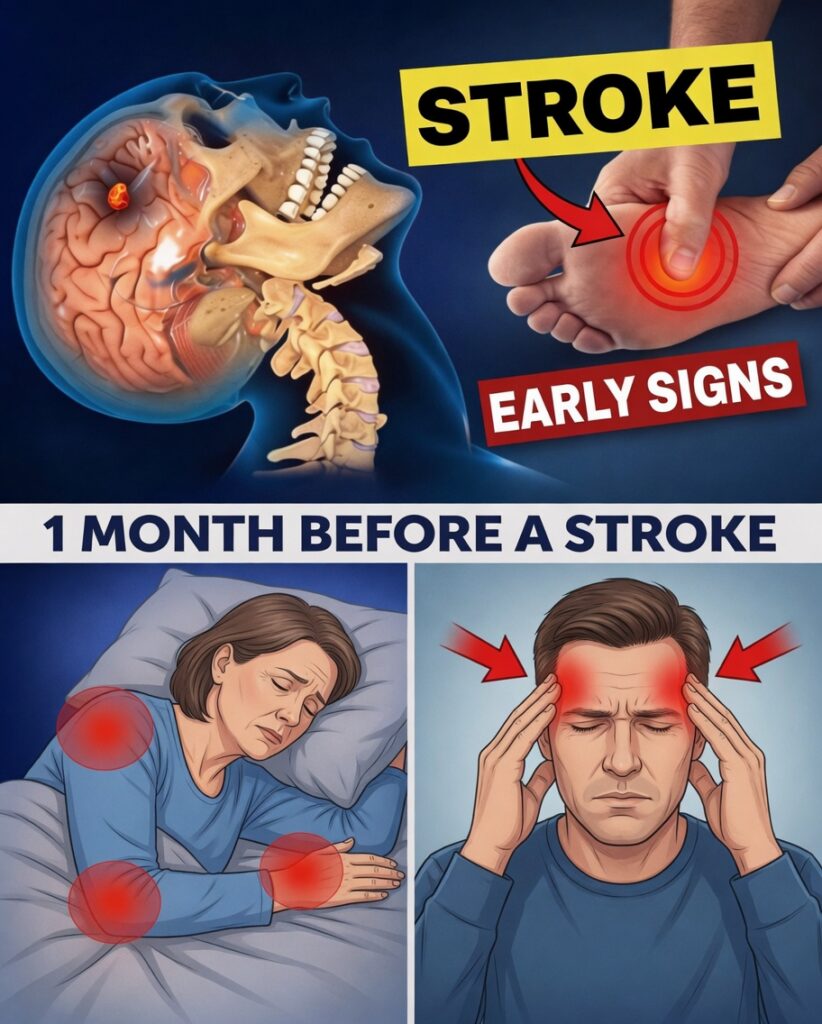
Subtle Stroke Warning Signs You May Notice a Month in Advance
A sudden wave of dizziness or a strangely heavy arm can hit while you’re reading, watching TV, or talking with family. You might shrug it off as “just getting older,” but deep down it triggers a very real fear: losing your independence, struggling to speak, or needing round‑the‑clock care after a major health event.
That quiet, constant worry about your future—and about becoming a burden to those you love—can weigh on you every day. The encouraging news is that some strokes are preceded by early clues. Certain warning signs of stroke that may appear one month before the event can give you valuable time to respond and seek help.
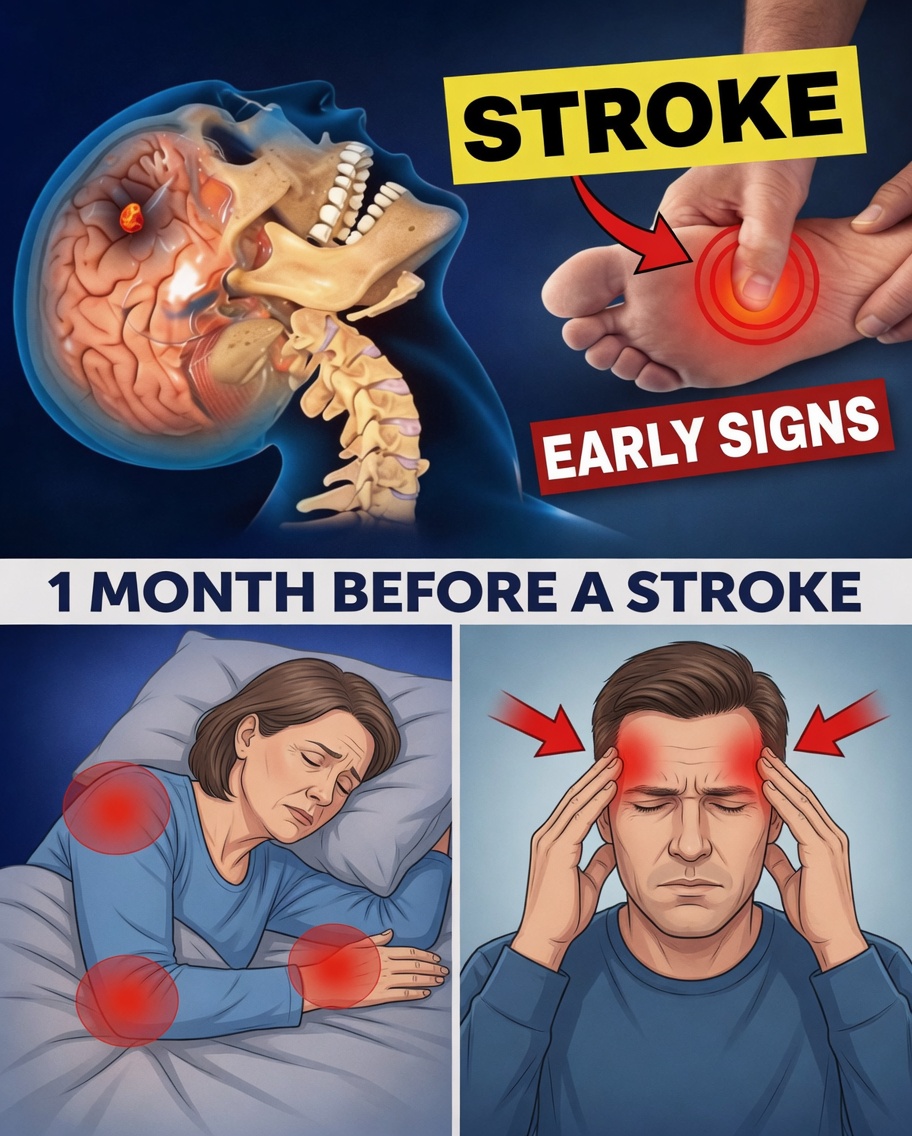
We’ll walk through 8 early warning signs that can show up weeks in advance and 9 practical lifestyle tips to support your brain and vascular health. The most surprising change you can make—one that many people overlook—is revealed in the final tip.
Why Early Stroke Warning Signs Matter More Than Ever
Millions of adults over 40 live with the nagging fear that a sudden stroke could change everything in an instant. The challenge is that early warning signs of stroke are often:
- Mild
- Brief
- Easy to explain away as stress, fatigue, or aging
Research from major health organizations shows that many people experience stroke-like episodes days or weeks before a full stroke. These “mini-strokes,” often called transient ischemic attacks (TIAs), may cause temporary symptoms that disappear—but they are serious warning signals.
Recognizing possible warning signs of stroke that may appear one month before could help you:
- Protect your independence and mobility
- Stay engaged in daily activities and family life
- Work with your doctor to reduce your future risk
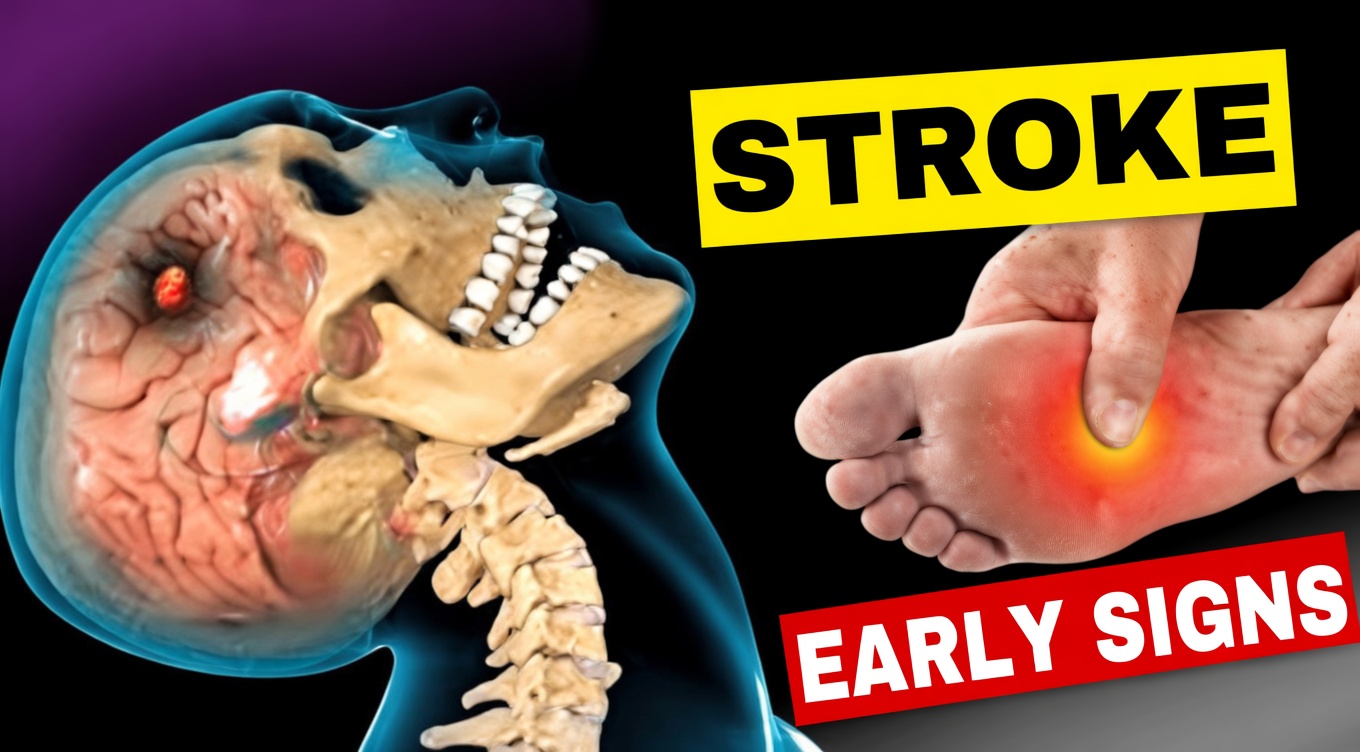
Early detection doesn’t replace emergency care, but it can open the door to timely evaluation, treatment, and lifestyle changes that support long-term brain health.
8 Early Warning Signs of Stroke That May Show Up a Month Before
Not everyone will experience early warning signs, and symptoms can vary. However, the following eight signs are commonly reported in the weeks leading up to some strokes.
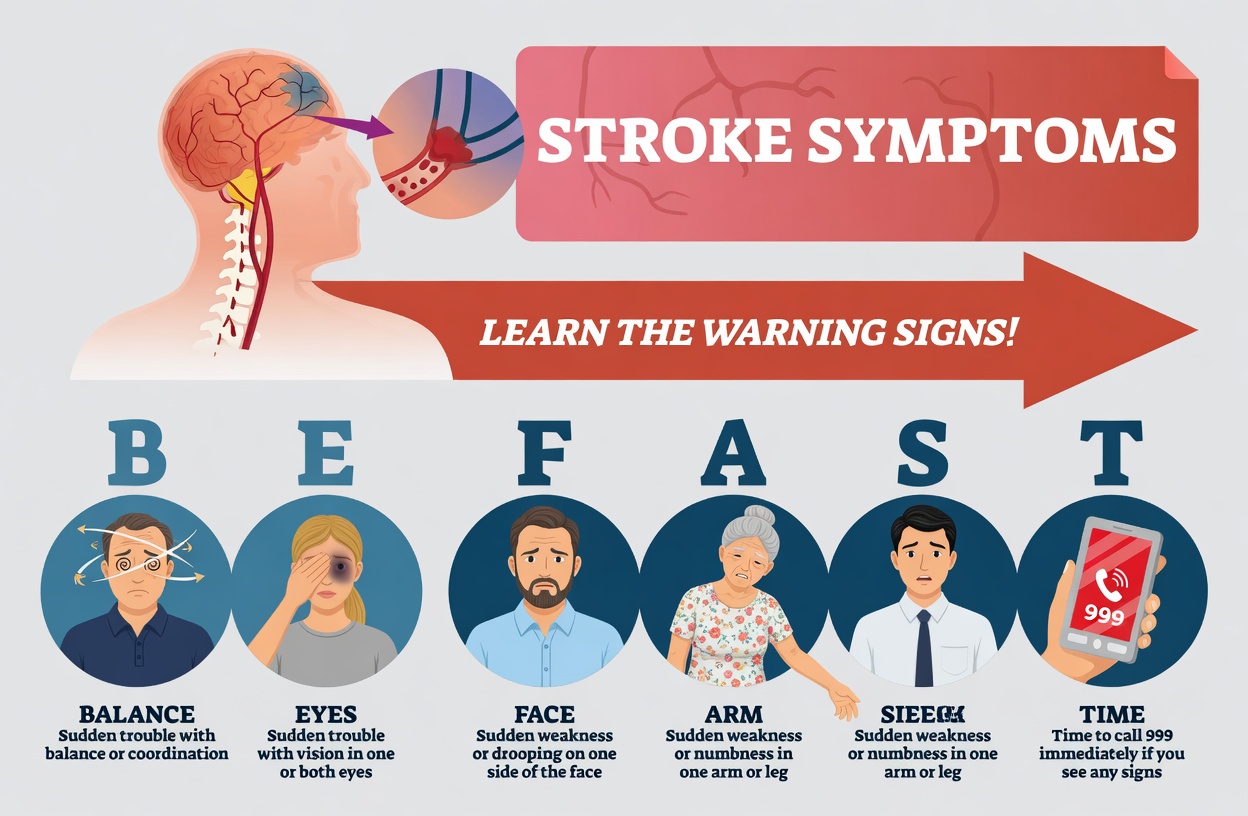
Always treat sudden, unexplained neurological symptoms as urgent—especially if they appear out of nowhere.
1. Sudden Numbness or Weakness on One Side
You reach for your morning coffee and suddenly one arm feels heavy, weak, or numb—often just on one side of the body. Gripping objects, buttoning clothes, or lifting a bag may feel strangely difficult.
People sometimes describe it as:
- A hand or arm “falling asleep” without any obvious cause
- A leg that feels clumsy or unsteady when walking
These symptoms may come and go, which makes it tempting to ignore them. Yet unilateral weakness or numbness is a classic stroke warning sign and should never be brushed off, especially in adults over 40.
If this symptom appears suddenly and doesn’t improve quickly, seek emergency medical care immediately.
2. Trouble Speaking or Understanding Others
You’re talking with your partner or a friend and notice your speech sounds slurred—or you can’t find the right words, even for simple sentences. Alternatively, you might hear someone speaking to you but struggle to understand what they’re saying.
This can feel frightening because it threatens one of the most personal parts of life: communicating clearly with the people you care about.
Common experiences include:
- Words coming out jumbled or garbled
- Knowing what you want to say but being unable to express it
- Difficulty following a normal conversation
Even if this problem clears up quickly, it may be a sign of a TIA or impending stroke and should be evaluated promptly.
3. Sudden Vision Changes
You’re reading a book, scrolling on your phone, or driving—and your vision suddenly becomes blurred, doubled, or partially lost, especially in one eye. It can feel as though a curtain or shadow has dropped over part of your visual field.
Many people initially blame:
- Eye strain
- Fatigue
- Needing new glasses
But sudden, unexplained changes in vision are a well-known warning sign of stroke. Episodes that come and go are still serious; they may indicate interrupted blood flow to areas of the brain involved in sight.
If you experience sudden vision loss or double vision, do not wait for it to pass on its own—seek urgent medical evaluation.
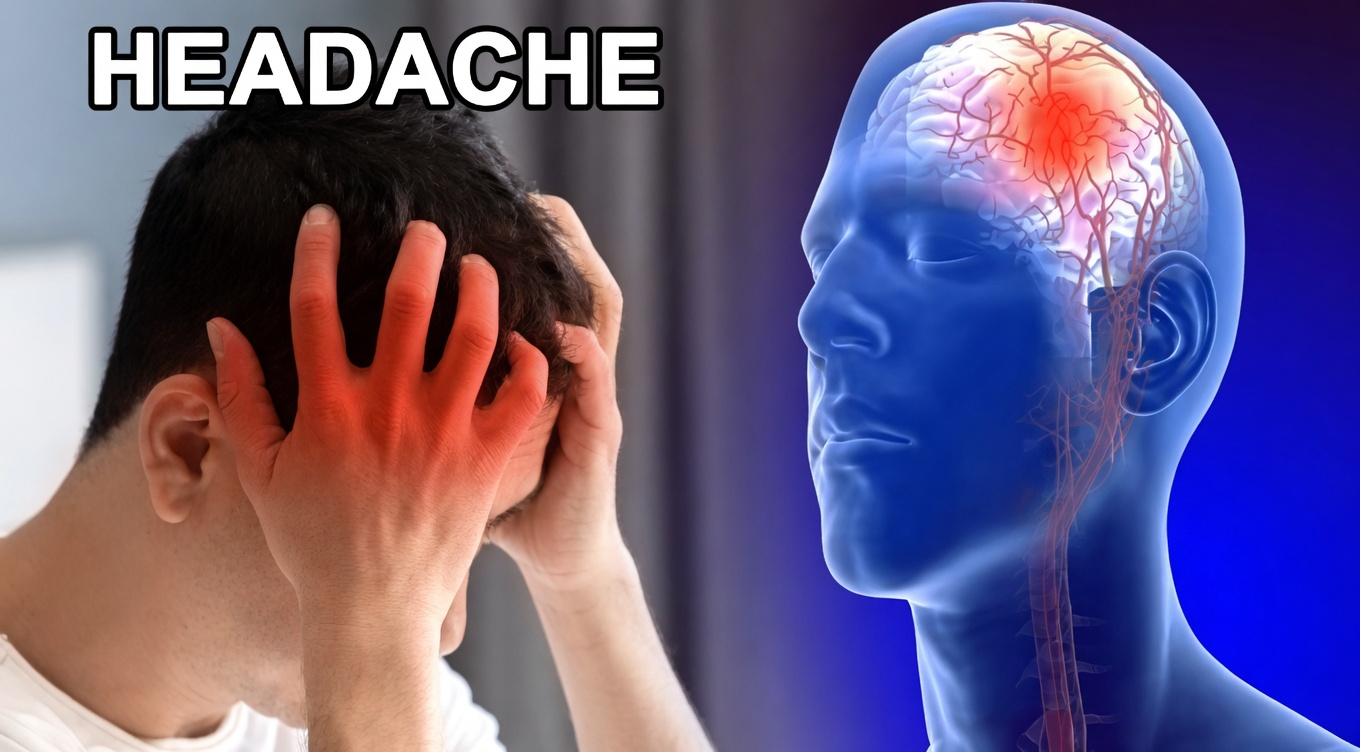
4. Severe or Unusual Headache
A sudden, intense headache that feels “different from any headache you’ve had before” can be an early stroke warning sign. Some people call it a “thunderclap” headache because it reaches maximum intensity very quickly.
Key characteristics may include:
- Extremely severe pain
- Rapid onset, with no clear trigger
- Not resembling your usual migraines or tension headaches
While not every bad headache is related to stroke, a new, severe, out‑of‑the‑ordinary headache—especially when combined with other symptoms like vision changes or weakness—requires immediate medical attention.
5. Dizziness, Vertigo, or Loss of Balance
The room suddenly spins, or you feel as if you’re on a rocking boat when you’re standing still. Getting up from a chair may make you stagger or grab for support. You might also notice:
- Difficulty walking in a straight line
- Unsteadiness or clumsiness
- A sensation of being “pulled” to one side
Many people assume this kind of dizziness is related to an inner ear problem. However, sudden vertigo or balance issues can be a warning sign of reduced blood flow to the brain, particularly in strokes affecting the brainstem or cerebellum.
If dizziness appears suddenly, especially with other neurological symptoms, treat it as an emergency.
6. Sudden Confusion or Memory Problems
You’re in the middle of a normal day and suddenly feel mentally “foggy.” You might forget a recent conversation, misplace common objects more than usual, or struggle to follow a simple task.
These changes can show up as:
- Difficulty concentrating
- Trouble making decisions you normally handle easily
- Short-term memory lapses that feel out of character
For many, this sparks deep worry about cognitive decline or not recognizing loved ones in the future. While many factors can affect memory and focus, sudden confusion or noticeable mental changes should never be ignored.
If you or others notice abrupt changes in your thinking, talk to a healthcare professional as soon as possible.
7. Shortness of Breath or Chest Discomfort
You’re climbing a short flight of stairs, walking across a parking lot, or doing light housework—and your breathing suddenly feels more labored than usual. You might also feel pressure, tightness, or discomfort in the chest.
These symptoms can overlap with heart problems, which are closely linked to stroke risk. They may include:
- Unusual breathlessness with minimal exertion
- A sense of heaviness or squeezing in the chest
- Fatigue paired with chest or breathing discomfort
Any new or worsening chest symptoms demand urgent evaluation. They may signal cardiovascular issues that increase your chances of having a stroke.
8. Persistent Fatigue or Noticeable Personality Changes
You feel unusually exhausted, even after a good night’s sleep, and everyday tasks feel like a major effort. Loved ones might comment that you seem “different”—more irritable, withdrawn, anxious, or down than usual.
These changes can include:
- Overwhelming tiredness that doesn’t match your activity level
- Sudden mood swings or increased emotional sensitivity
- Decreased motivation or interest in activities you usually enjoy
Fatigue and mood shifts have many possible causes, but when they appear alongside other neurological signs, they may point to underlying issues affecting brain health and blood flow.
It’s worth discussing these changes with your doctor, especially if they develop over weeks and you can’t easily explain them.
How These Warning Signs Connect to “Mini-Strokes”
Episodes of numbness, confusion, vision changes, or difficulty speaking that come and go can be related to transient ischemic attacks (TIAs). TIAs are sometimes called “mini-strokes” because they:
- Cause stroke-like symptoms
- Often last only minutes to hours
- Do not cause permanent damage on their own
However, TIAs are critical warning signs that a major stroke may be on the way. Treat them with the same urgency as a stroke: seek immediate care and follow up with your healthcare provider about prevention strategies.
The encouraging part: many of the risk factors behind stroke can be improved with consistent daily habits.
9 Practical Ways to Support Brain Health and Lower Stroke Risk
Lifestyle changes can’t guarantee that a stroke will never happen, but they can significantly support brain and cardiovascular health. These nine evidence‑informed strategies are realistic for many adults over 40 and can be adopted gradually.
Start with one or two that feel doable and build from there.
9. Move More Throughout the Week
Aim for at least 150 minutes per week of moderate physical activity, such as:
- Brisk walking
- Cycling on flat ground
- Gentle swimming or water aerobics
Regular movement supports healthy blood circulation, helps manage blood pressure, and boosts overall energy—key factors related to stroke risk. Even short 10–15 minute walks spread throughout the day can add up.
If you’re new to exercise or have existing health conditions, talk with your doctor before starting a new routine.
8. Choose Heart‑Healthy, Brain‑Friendly Foods
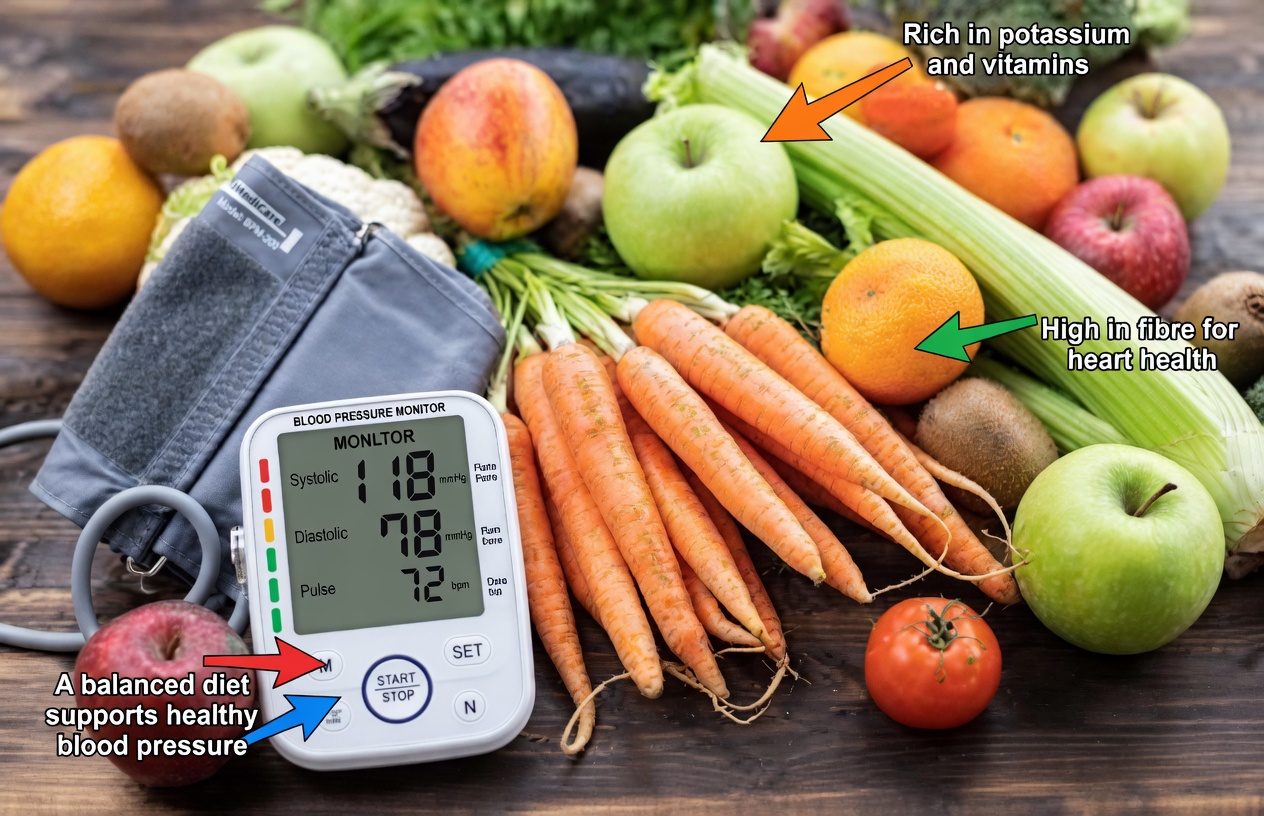
What you eat directly influences your blood vessels and brain. A pattern similar to the Mediterranean-style diet has strong research support for cardiovascular and cognitive benefits. Focus on:
- Plenty of colorful vegetables and fruits
- Whole grains like oats, brown rice, and quinoa
- Lean proteins such as fish, poultry, beans, and lentils
- Healthy fats from olive oil, nuts, and seeds
Reducing heavily processed foods, sugary drinks, and excess salt can also support healthier blood pressure and cholesterol levels, which are key in stroke prevention.
7. Keep Your Blood Pressure in a Healthy Range
High blood pressure is one of the most important modifiable risk factors for stroke. Many people don’t realize their numbers are elevated because hypertension often has no symptoms.
Helpful steps include:
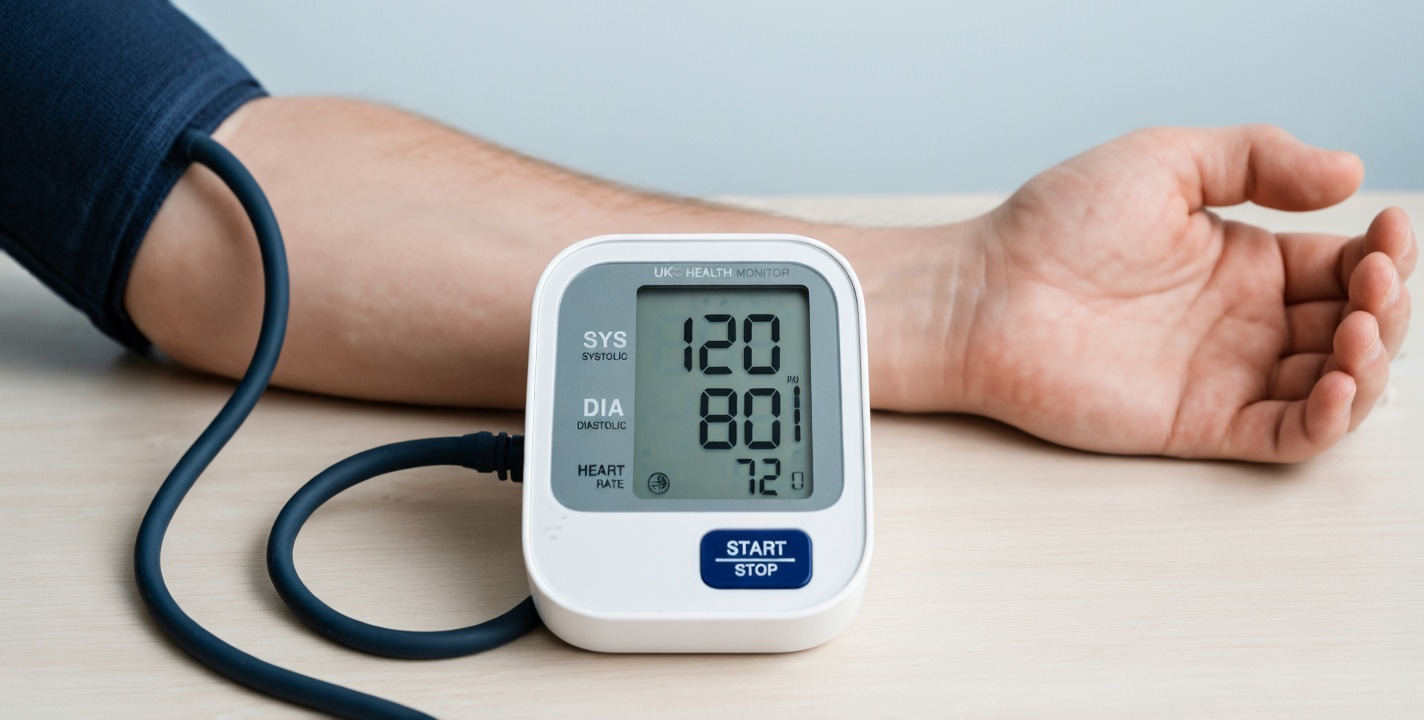
- Checking your blood pressure regularly at home or in a pharmacy
- Working with your doctor to aim for a target generally below 130/80 mmHg, if appropriate for you
- Following recommended medications and lifestyle changes consistently
Controlling blood pressure significantly lowers your chances of both heart disease and stroke.
6. Monitor Cholesterol and Blood Sugar
Unhealthy cholesterol and uncontrolled blood sugar quietly damage blood vessels over time, increasing stroke risk.
Ask your healthcare provider about:
- Periodic checks of cholesterol and triglyceride levels
- Screening for prediabetes or diabetes
- Whether medication, dietary changes, or both are recommended
Emphasizing fiber-rich foods, limiting added sugars, and maintaining a balanced diet can play a major role in keeping these numbers in a healthier range.
5. Quit Smoking and Avoid Secondhand Smoke
Smoking damages blood vessels, raises blood pressure, and thickens the blood—each of which elevates stroke risk. The benefits of quitting begin almost immediately and grow over time.
Consider:
- Talking with your doctor about nicotine replacement or medications
- Using counseling, support groups, or quitlines
- Avoiding secondhand smoke whenever possible
Even if you’ve smoked for many years, stopping now still meaningfully supports brain and heart health.
4. Maintain a Healthy Weight and Waistline
Excess body weight—especially around the midsection—often goes hand-in-hand with higher blood pressure, cholesterol, and blood sugar.
You don’t have to aim for perfection. Even modest, gradual weight loss can help:
- Reduce strain on your heart and blood vessels
- Improve mobility and stamina
- Lower your overall stroke and cardiovascular risk
Combining mindful eating with regular physical activity tends to be more sustainable than strict, short-term diets.
3. Limit Alcohol and Avoid Recreational Drugs
Alcohol and certain drugs can raise blood pressure, trigger heart rhythm problems, and damage blood vessels, all of which affect stroke risk.
General guidance often includes:
- If you drink, do so in moderation (for many adults, that means up to one drink per day for women and up to two for men—but always follow your doctor’s advice)
- Avoid binge drinking
- Steer clear of recreational drugs, particularly stimulants, which can dramatically increase stroke risk
If cutting back feels difficult, speak with a healthcare professional about support options.
2. Manage Stress and Protect Your Mental Health
Chronic stress can contribute to high blood pressure, poor sleep, unhealthy food choices, and less physical activity—creating a cascade of risk factors.
Support your emotional and brain health by:
- Practicing relaxation techniques like deep breathing, meditation, or gentle yoga
- Scheduling regular time for hobbies, nature, or social connection
- Seeking counseling or therapy if anxiety, depression, or worry about your health feels overwhelming
Caring for your mental well‑being is an essential part of protecting your long-term brain health.
1. Prioritize Deep, Consistent Sleep (The Surprising Lifestyle Shift)
One of the most overlooked ways to support brain health and reduce stroke risk is quality sleep. Many adults treat sleep as optional, but research increasingly shows that poor or fragmented sleep is linked to:
- Higher blood pressure
- Increased inflammation
- Greater risk of stroke and cognitive decline
Aim for:
- 7–9 hours of sleep per night for most adults
- A consistent sleep schedule (going to bed and waking up at similar times)
- A calming, screen‑free wind‑down routine
- Talking to your doctor if you snore heavily, gasp in your sleep, or feel unrefreshed—these can be signs of sleep apnea, a known stroke risk factor
Treating sleep as a non‑negotiable part of your health routine can be a powerful, and often surprising, way to support your brain.
When to Seek Emergency Help
While early warning signs may appear weeks before, strokes can also happen suddenly without much warning. Call emergency services immediately if you or someone near you experiences any of the following sudden symptoms:
- Face drooping on one side
- Arm weakness or numbness on one side
- Speech difficulty—slurred, confused, or unable to speak
- Severe headache, dizziness, or vision loss without a clear reason
Do not wait to see if symptoms improve. Rapid treatment can be life-saving and can greatly reduce the chance of long-term disability.
Key Takeaway
Subtle warning signs of stroke that may appear one month before—such as numbness, speech problems, vision changes, dizziness, confusion, chest discomfort, and unusual fatigue—are easy to overlook but too important to ignore.
By:
- Paying close attention to new or unexplained symptoms
- Seeking prompt medical advice and emergency care when needed
- Adopting daily habits that support your heart and brain
you can take an active role in protecting your independence, your relationships, and the life you want to keep living with the people you love.