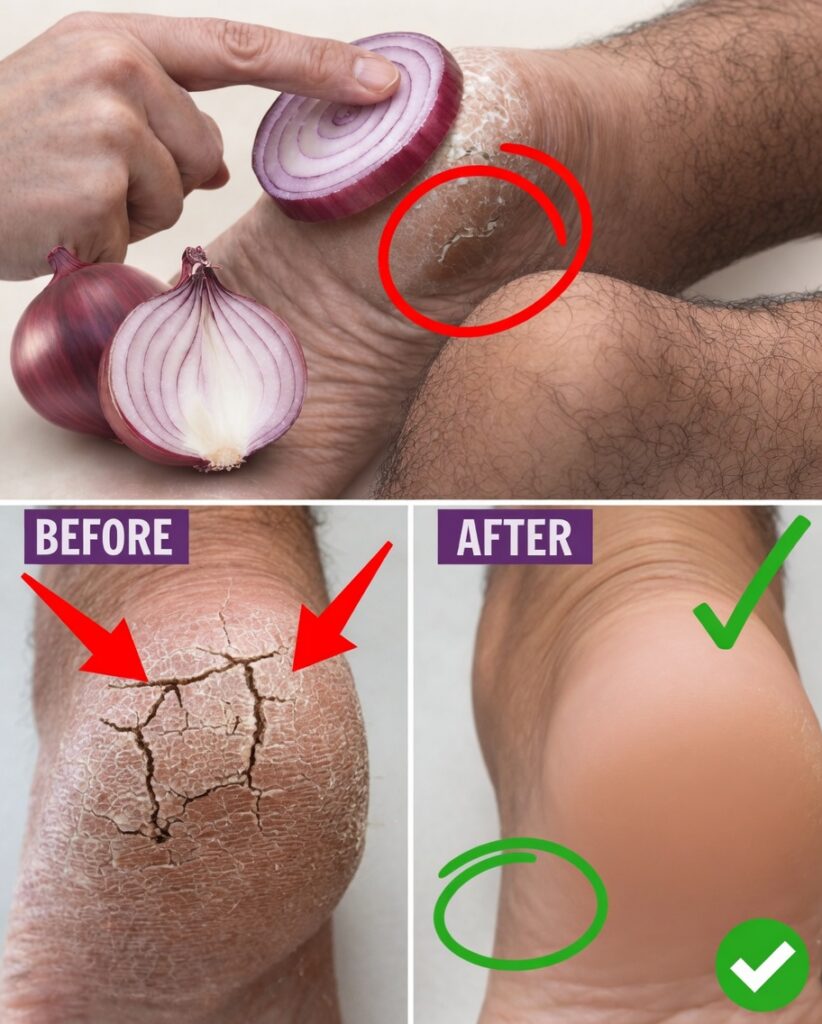
Soothing Cracked Heels Naturally: Gentle Relief You Can Start Tonight
Cracked heels can turn simple actions—like walking across the room or slipping into your favorite sandals—into moments of sharp, nagging pain. This is especially common for adults over 45, when skin tends to become drier due to daily wear, environmental exposure, or hormonal shifts. The hard, split skin doesn’t just hurt with every step; it can also make you feel self‑conscious about showing your feet in warm weather or at social events.
Dry, fissured heels are often made worse by dehydration, long hours standing, wearing open‑back shoes, or spending time in low‑humidity environments. Over time, the cracks can deepen and grow more sensitive, leaving many people feeling discouraged. The encouraging news: several gentle, natural home remedies for cracked heels—using simple ingredients you may already have in your kitchen—can help rehydrate, soften, and support smoother, more comfortable skin when used consistently.
Among these options, one particular overnight “sealing” method is often described as the standout solution. You’ll find that technique in the final step below.
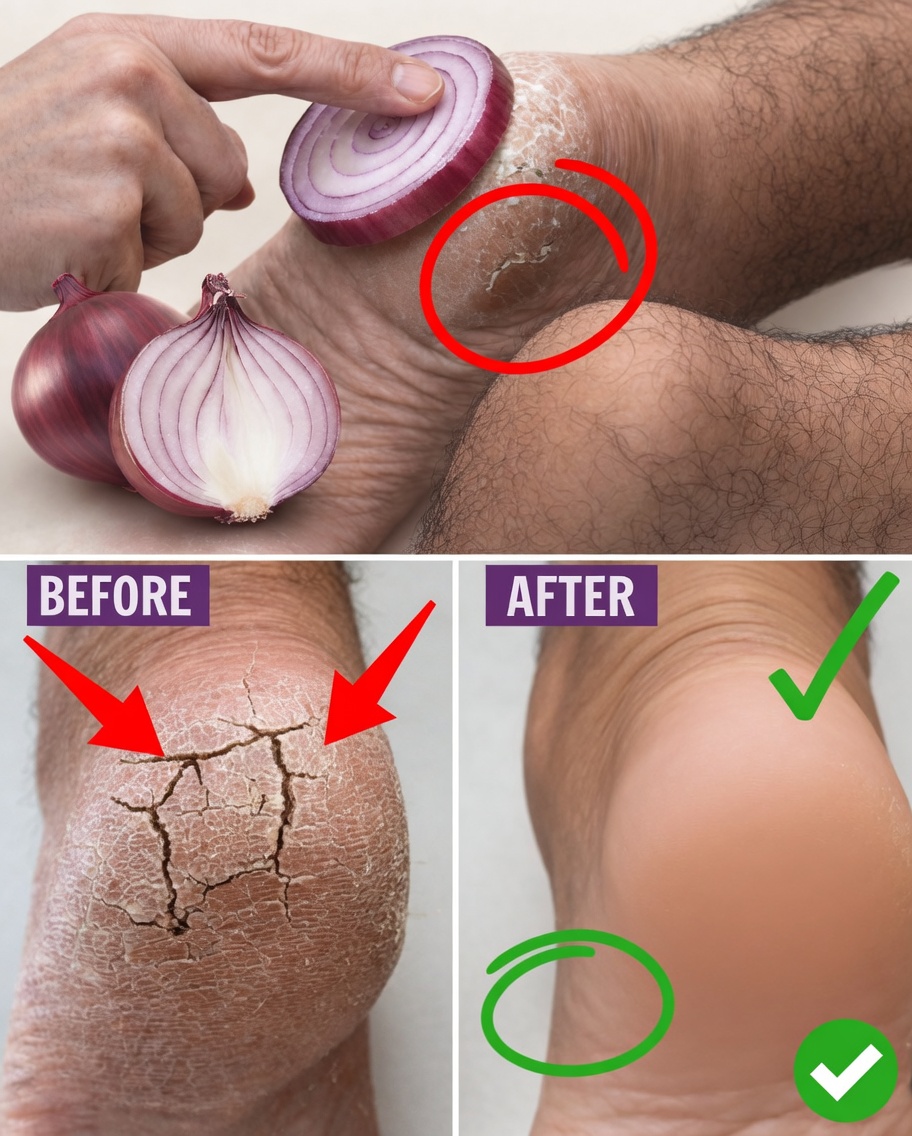
Why Cracked Heels Develop and Persist
Cracked heels form when the thick skin on your heels loses essential moisture. As it dries out, it becomes rigid and less flexible, then splits under the pressure and friction of daily movement. For many in their 40s and 50s, cracked heels can feel like an unwelcome reminder of aging that adds discomfort to already full days of work, family, and responsibilities.
The tightness, burning, and occasional stinging can make certain shoes impossible to wear and may even affect posture or mood. Natural home remedies for cracked heels are designed to:
- Restore lost moisture
- Gently loosen dead skin buildup
- Support the skin’s natural barrier
They avoid aggressive scraping or harsh chemicals, which can sometimes worsen the problem. Hot showers, walking barefoot on hard surfaces, and inconsistent moisturizing habits can all speed up heel dryness, making regular, mindful care essential.
But preparing the skin is only the first step in caring for cracked heels effectively.
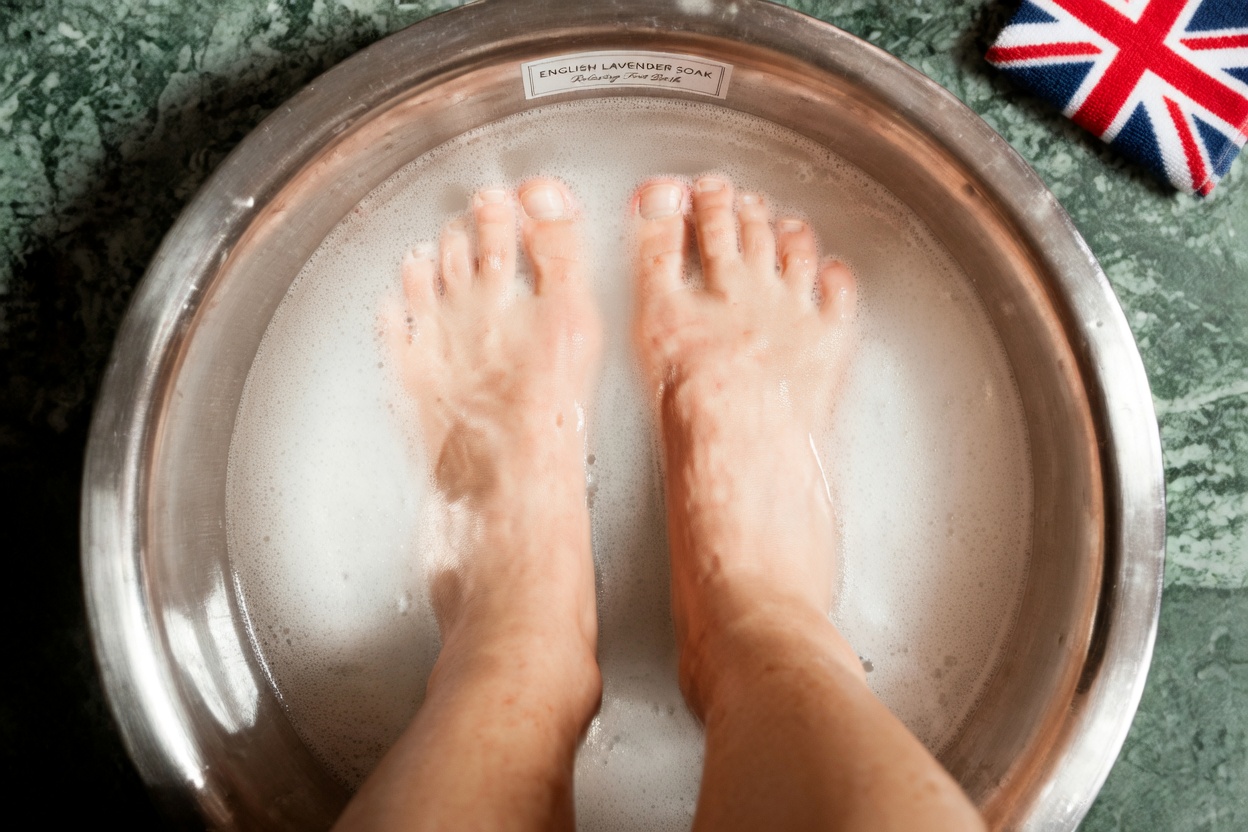
5. Warm Foot Soak with Vinegar or Lemon: Prepping Dry, Cracked Heels
Thick, stubborn layers of dead skin are often at the root of painful, hardened heels. Regular lotion alone may not fully penetrate this buildup. A warm foot soak with apple cider vinegar or fresh lemon juice creates a mildly acidic environment that can help loosen dead skin around cracked heels without being overly harsh.
Many people find this ritual not only relaxing, but also helpful in reducing the roughness that makes walking or standing for long periods so uncomfortable.
How to try this remedy:
- Fill a basin with comfortably warm (not hot) water.
- Add about ½ cup of apple cider vinegar or the juice of one fresh lemon.
- Soak your feet for 10–15 minutes, 3–4 times per week.
- Gently pat dry when finished.
This step helps prepare cracked heels for other natural home remedies, allowing moisturizers and oils to work more effectively afterward.

4. Honey: A Natural Moisturizer and Comforting Soother
When dryness is persistent and cracks are starting to open, raw honey can be a valuable kitchen staple to reach for. Honey is a natural humectant, meaning it attracts and retains moisture in the skin. It also has well‑documented antimicrobial properties, which may help support a healthier environment around cracked heels.
The texture of honey creates a soothing, spa‑like experience that can ease some of the emotional stress of dealing with sore, unattractive heels.
How to use honey for cracked heels:
- On clean, dry feet, apply a generous layer of raw honey directly over the cracked areas.
- Leave it on for about 20 minutes, then rinse, or
- For a deeper treatment, leave it on overnight and wear cotton socks to protect your bedding.
As one of the gentler natural home remedies for cracked heels, honey often brings a sense of immediate relief and encourages you to keep up with regular care.
3. Coconut Oil: Deep Hydration and Protective Barrier
If your heels keep cracking despite daily efforts, it may be time to reach for a richer, more occlusive moisturizer like virgin coconut oil. Known for its ability to penetrate and lock in moisture, coconut oil can help soften rigid skin and reduce the tight, uncomfortable feeling that often accompanies cracked heels.
Some research suggests that coconut oil offers mild anti‑inflammatory benefits, which may further support dry, stressed skin.
How to use coconut oil for cracked heels:
- Warm a small amount of virgin coconut oil in your hands.
- Massage it thoroughly into clean, dry heels, focusing on the cracks and surrounding dry areas.
- Put on cotton socks to help lock in moisture overnight.
This simple nightly ritual is a popular natural home remedy for cracked heels, with the added bonus of a light, pleasant aroma that can enhance your evening wind‑down.

2. Mashed Banana Mask: Vitamin Support for Supple Heels
When your heels feel inflexible and rough despite other treatments, a ripe banana mask can offer an extra boost of nourishment. Bananas are rich in vitamins A, B6, and C—nutrients that support skin softness and elasticity. Traditionally, mashed banana has been used to hydrate and smooth dry patches, including cracked heels.
This remedy is budget‑friendly, gentle, and easy to prepare using ingredients you likely already have at home.
How to make a banana mask for cracked heels:
- Mash one or two ripe bananas until you get a smooth, lump‑free paste.
- Apply the paste generously to clean heels, covering the cracked areas.
- Leave it on for 15–20 minutes.
- Rinse thoroughly with lukewarm water and pat dry.
Used regularly, this natural home remedy for cracked heels may help reduce roughness and improve overall comfort.
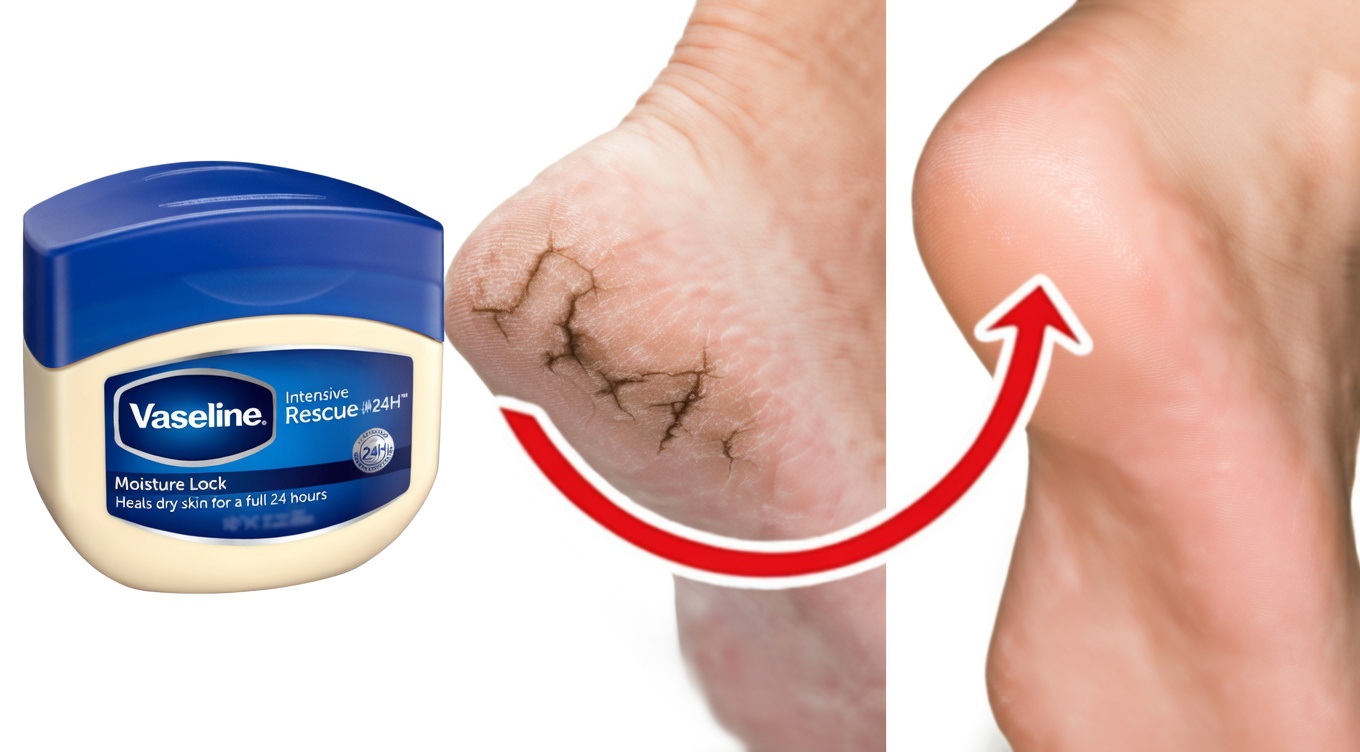
1. Petroleum Jelly Overnight Seal: Locking in Moisture for Stubborn Cracks
For deep, persistent cracks that remain painful and restrict your daily activities, an overnight petroleum jelly “seal” is widely recommended by skincare professionals. Petroleum jelly forms a thick, occlusive barrier that dramatically reduces moisture loss from the skin’s surface, helping to soften even very tough, dry heels.
Dermatology resources often highlight this method as more effective than using lighter lotions alone—especially when used after a warm soak or gentle exfoliation.
How to use petroleum jelly as an overnight cracked heel treatment:
- After soaking and lightly drying your feet, ensure the skin is clean.
- Apply a generous layer of petroleum jelly directly to the heels and surrounding dry areas.
- Put on a pair of clean, breathable cotton socks.
- Leave on overnight.
Many people notice smoother, more comfortable heels after just a few nights, making this one of the most reliable natural home remedies for cracked heels.

Comparison of Natural Home Remedies for Cracked Heels
| Remedy | Key Benefit for Cracked Heels | Ease of Use & Suggested Frequency | Helpful Notes |
|---|---|---|---|
| Vinegar/Lemon Soak | Softens hardened, dead skin | Easy; 10–15 min, 3–4 times per week | Provides mild exfoliation and prepares heels for moisturizers |
| Honey Application | Attracts moisture and soothes discomfort | Easy; 20 min or overnight | Offers natural antimicrobial support for cracked areas |
| Coconut Oil | Deep hydration and protective barrier | Very easy; ideal for nightly use | Popular emollient for dry, cracked heels |
| Banana Mask | Vitamin support for elasticity and softness | Easy; 15–20 min, up to 3 times per week | Gentle, traditional remedy for dry, rough heel skin |
| Petroleum Jelly Seal | Strong moisture lock and barrier protection | Easy; nightly after cleansing or soaking | Frequently recommended by skincare experts for severe cracks |
Use this overview to mix and match remedies and create a simple, personalized plan that fits your lifestyle and the severity of your cracked heels.
A Nightly Routine to Support Healthier Heels
Consistency is key when using natural home remedies for cracked heels. Try this straightforward evening routine most nights of the week:
-
Soak (optional but helpful):
Soak your feet in warm water with vinegar or lemon for 10–15 minutes to help soften hardened areas. -
Dry and gently exfoliate:
Pat your feet dry. If the skin is not broken, gently use a pumice stone or soft cloth to remove loosened dead skin. Skip this step if your heels are bleeding or very tender. -
Apply your chosen treatment:
Use one remedy at a time—honey, coconut oil, banana mask, or petroleum jelly—focusing on the cracked areas. -
Seal with socks:
Put on clean cotton socks to enhance absorption and protect your sheets. -
Repeat regularly:
Follow this routine most evenings and track how your cracked heels look and feel over several weeks.
Many people find that combining a warm soak with the petroleum jelly overnight seal delivers especially noticeable improvements.
Safety Tips When Using Natural Remedies for Cracked Heels
While these home treatments are generally gentle, it’s important to use them safely:
-
Avoid harsh scrubbing:
If your heels are bleeding, severely cracked, or very painful, do not exfoliate aggressively. -
Watch for irritation:
If redness, burning, or increased discomfort occurs after using any ingredient (like vinegar, lemon, or honey), rinse it off and discontinue use. -
Be cautious with open or infected cracks:
If you see signs of infection—such as pus, significant swelling, warmth, or severe redness—seek medical advice promptly. -
Consider underlying conditions:
People with diabetes, poor circulation, or nerve damage in the feet should consult a healthcare professional before trying home remedies, as even small cracks can become serious.
By pairing consistent, gentle care with smart safety habits, natural home remedies for cracked heels can become an effective part of your routine, helping you move more comfortably and feel more confident about showing your feet again.