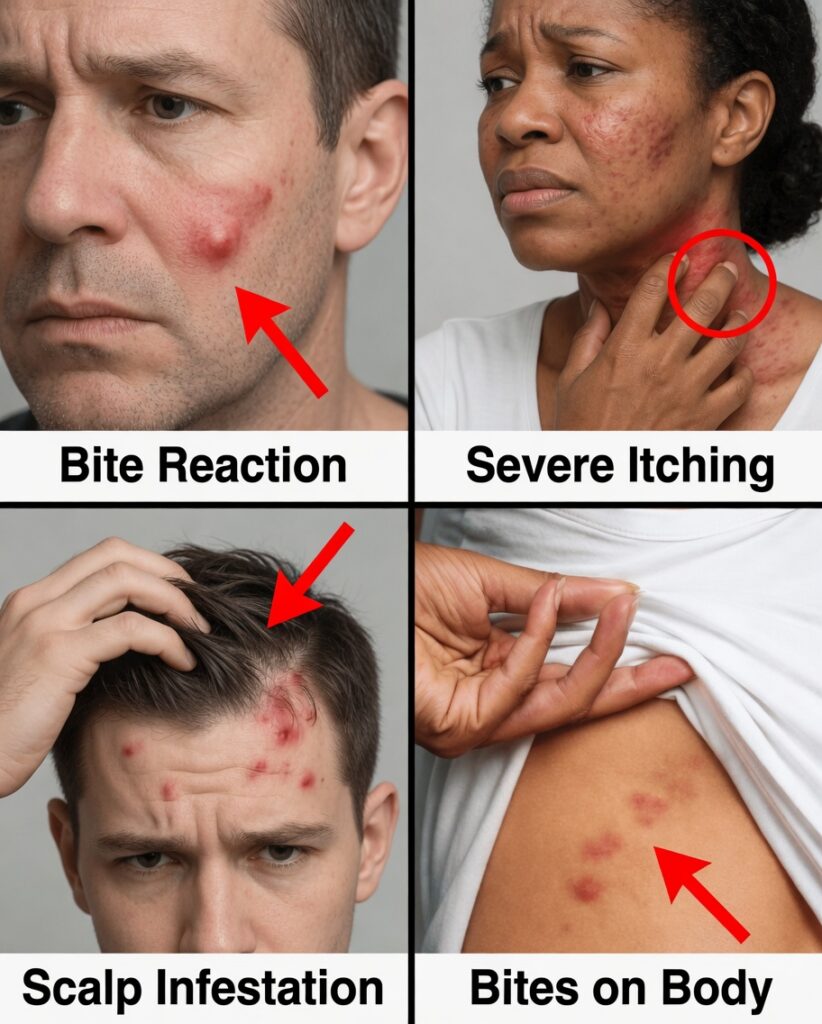
Bed Bugs in Your Garden: Separating Fear from Facts
Picture walking into your backyard for a quiet evening, only to see small, reddish-brown insects moving across the patio chairs where you’ve hosted family for years. Instead of unwinding, you’re suddenly worried about itchy bites, restless nights, and the possibility that bed bugs from the garden could follow you indoors and disturb your home life.
Understanding what really happens with bed bugs outdoors helps you avoid panic and choose methods that actually work, instead of chasing quick fixes that overpromise.
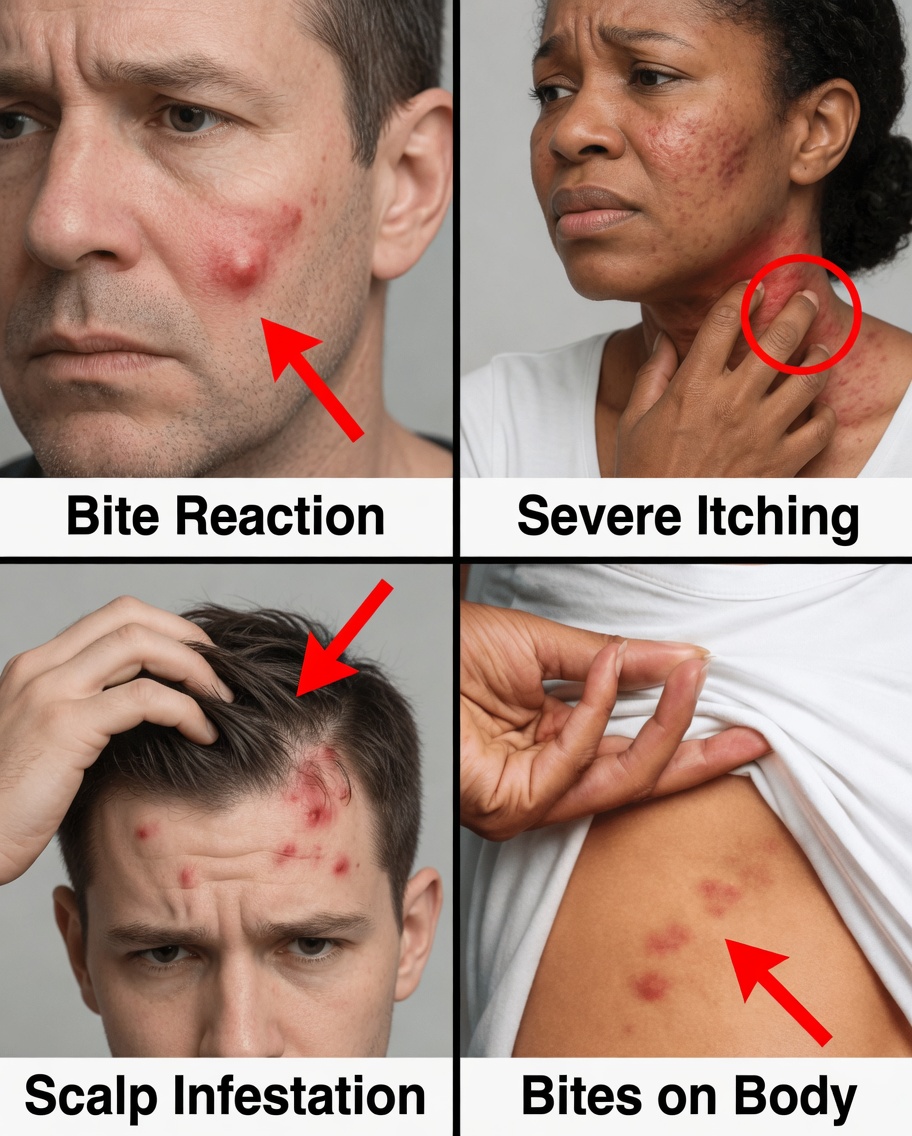
Do Bed Bugs Really Live in Gardens?
Finding what looks like bed bugs in your garden can be unsettling, especially when your backyard is your main place to relax after a long, busy day. For many homeowners in midlife and beyond, the last thing you want is a new source of stress in the one spot designed for peace.
However, research from entomologists and university extension services shows that true outdoor infestations of bed bugs are uncommon. Bed bugs are adapted to live close to human hosts in sheltered indoor spaces—beds, sofas, cracks in walls—not in soil, grass, or open garden areas.
In most cases, bed bugs seen in the yard are:
- Temporary visitors that were disturbed from an indoor infestation
- Insects carried outside on infested furniture, fabrics, or other items
- Bugs that have traveled from nearby properties during warmer weather
This means that when you see bed bugs on cushions, deck boards, or outdoor furniture, they are usually not establishing a long-term colony like ants or mosquitoes. Even so, the fear that they might move inside and affect your family’s comfort is very real and can easily keep you on edge.
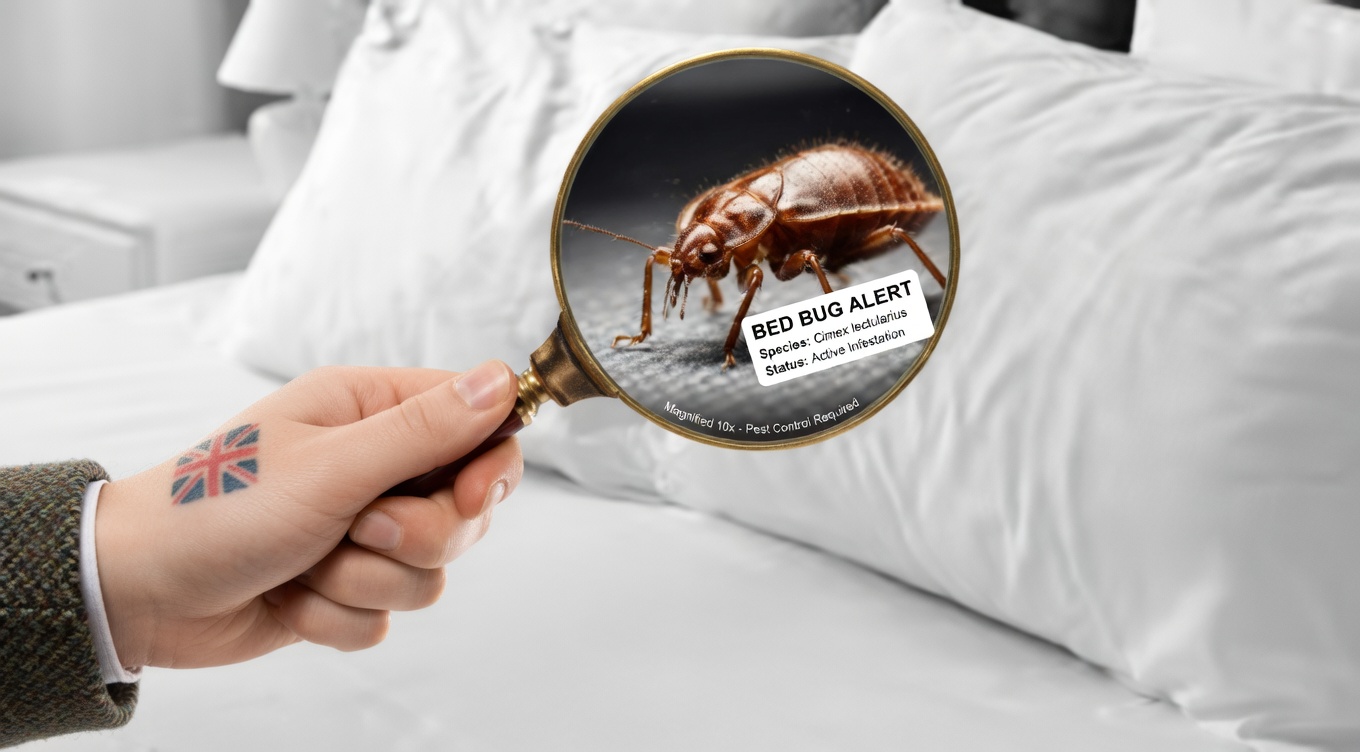
Why “They’ll Disappear in Minutes” Claims Don’t Hold Up
Videos and posts promising that bed bugs in your garden will vanish instantly with simple household tricks are easy to believe when you’re desperate to reclaim your outdoor space. After years of investing time and money into creating a relaxing garden, the idea of a fast, effortless solution is tempting.
But scientific evidence shows that most “instant” cures fall short. They usually focus on killing only the insects you can see, while:
- Hidden bugs remain protected in cracks, seams, and joints
- Eggs survive and hatch later
- The root cause—often indoors—remains untreated
Direct heat or sprays may kill individual bed bugs on the spot, but achieving full coverage outdoors is extremely difficult. The insects can quickly scatter into tight spaces in furniture or structures where DIY treatments can’t reach.
Experts also point out:
- Bed bugs can be killed at temperatures above about 120°F (around 49°C).
- Replicating these controlled, uniform temperatures outside, without professional equipment, is challenging.
- Intense heat used incorrectly can damage plants, decking, and furniture you value.
The result is a frustrating gap between flashy promises and real-life outcomes, leaving many homeowners disappointed and anxious when bed bugs keep reappearing in the garden.
Practical, Realistic Steps to Tackle Bed Bugs in Your Garden
Instead of relying on miracle cures, focus on safe, practical steps you can implement immediately. These actions aim to reduce the number of bed bugs you see outdoors and limit opportunities for them to enter your home.
Step 1: Deal with Visible Bed Bugs Quickly and Safely
If you notice bed bugs on outdoor furniture or hard surfaces:
-
Boiling water (for hard surfaces only)
- Carefully pour boiling water over concrete, pavers, or metal surfaces where bed bugs are clearly visible.
- This can kill exposed bugs on contact.
- Never use boiling water on plants, wood that can warp, or areas where you might be burned.
-
Vinegar spray (as a limited-contact option)
- A strong vinegar solution sprayed directly on visible insects may kill or repel some bed bugs within minutes.
- Always spot test on materials and plants first, as vinegar can damage fabrics and vegetation.
- Remember: this treats only what you see; it does not solve hidden or indoor sources.
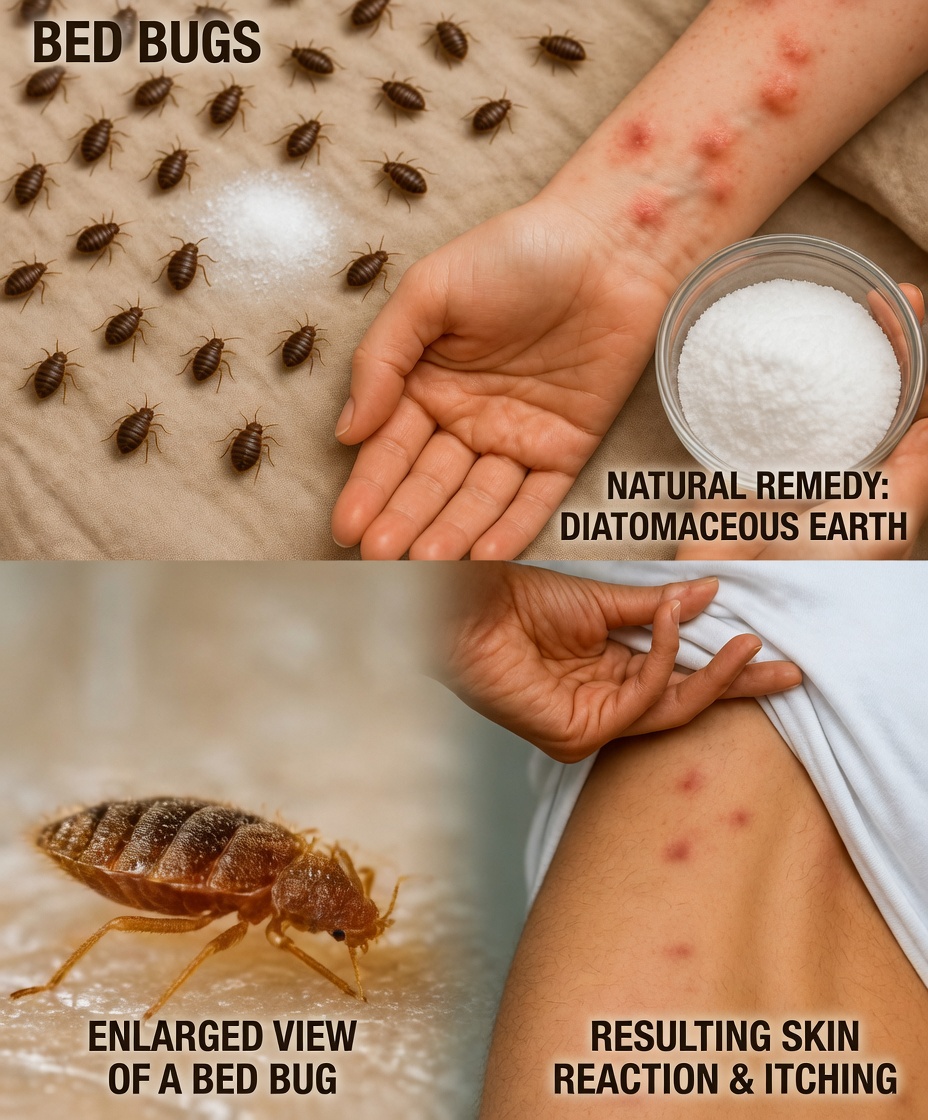
Step 2: Remove Clutter and Hiding Places
Bed bugs favor tight, concealed spaces. Outdoors, that can include:
- Deep folds in outdoor cushions
- Stored blankets, rugs, or covers
- Piled or unused furniture
- Cracks and crevices in wooden benches or decks
Make a habit of:
- Regularly checking and cleaning cushions and outdoor fabrics
- Storing items in sealed containers when not in use
- Shaking out and, when possible, machine-washing removable covers at high heat
By eliminating hiding spots, you reduce both your stress and the chance that bugs will travel inside on clothing, bags, or furniture.
Step 3: Prevent Future Outdoor Visits
Prevention is often easier than repeated cleanup. To make your garden less attractive to bed bugs:
- Elevate furniture off the ground and keep it clean.
- Inspect second-hand items carefully before bringing them outdoors.
- Seal cracks and gaps in nearby walls, railings, and structures that could serve as shelter.
- Check items that move between indoors and outdoors, such as cushions, throws, or pet beds.
These small habits can significantly lower the risk of bed bugs moving from the garden into your home.
Comparing Common Methods for Bed Bugs in Your Garden
Use this overview to help choose realistic options rather than wasting energy on methods that do little more than create false hope.
| Method | Speed of Action | Effectiveness on Visible Bugs | Outdoor Suitability | Safety Notes for Your Garden |
|---|---|---|---|---|
| Boiling water | Instant on contact | High (only where it hits) | Best on hard, non-plant surfaces | Risk of burns; avoid plants and delicate materials |
| Vinegar spray | Minutes on contact | Moderate | Works in many outdoor areas | Strong odor; may harm plants or fabrics—test before wide use |
| Vacuuming or sweeping | Immediate physical removal | High for exposed bugs | Excellent for patios and decks | Dispose vacuum bag or contents far from the house |
| Hot sun / black plastic bags | Hours under strong sun | Moderate for contained items | Good for cushions and fabrics | Requires very hot conditions (around 120°F / 49°C or higher) |
| Professional pest control | Varies by method | Highest with proper treatment | Recommended for ongoing issues | Licensed experts can address both outdoor and indoor sources |
This comparison can guide you toward approaches that are more likely to make a difference without putting your garden or household at unnecessary risk.
When It’s Time to Call a Professional
If you keep seeing bed bugs in your garden despite cleaning, decluttering, and careful monitoring, it may be a sign of a larger problem nearby—often indoors.
Consider contacting a licensed pest control professional when:
- Bed bug sightings outdoors become frequent or regular
- You start noticing bites or small blood spots on bedding or indoor furniture
- You find other warning signs inside, such as dark specks, shed skins, or live bugs
Many homeowners, especially those over 40 who value their outdoor space as a key part of their lifestyle, find that early professional guidance saves time, money, and emotional strain. Trained technicians can:
- Identify whether the primary source is indoors or outdoors
- Recommend targeted, evidence-based treatments
- Help you build a prevention plan for both your home and garden
Prompt action often resolves the issue faster and helps restore your outdoor area as a place for calm, family connection, and everyday enjoyment.
Keeping Your Garden a Stress-Free Sanctuary
There is no single trick that makes bed bugs in your garden vanish in minutes. However, steady, practical steps—inspection, cleaning, reducing hiding places, and seeking professional help when needed—provide real, lasting relief.
To start today:
- Check your outdoor cushions and seating.
- Remove unnecessary clutter from your patio or deck.
- Look over any items that regularly move between your home and garden.
These small actions can quickly restore your sense of control and protect the peaceful atmosphere you’ve worked hard to create.
Remember: bed bugs cannot fly or jump and typically move only short distances on their own. In many cases, prompt cleanup and smart prevention stop them from becoming a bigger problem.
FAQ: Bed Bugs in Your Garden
What usually brings bed bugs into a garden?
They typically arrive as hitchhikers on infested items—such as old furniture, textiles, or personal belongings—brought outside from an indoor source or neighboring property. This can lead to temporary sightings in outdoor areas.
Can vinegar or other household products completely solve bed bugs in the garden?
Vinegar and similar household sprays may kill some bed bugs on direct contact, but they rarely reach hidden insects or eggs. They should be seen as supplemental tools rather than a full solution, especially if there is an underlying indoor infestation.
How soon should you seek professional help if bed bugs keep reappearing outdoors?
If you continue to see bed bugs in your garden after you’ve decluttered, cleaned, and taken basic preventive steps, it’s wise to contact a licensed pest control company. Early intervention can prevent the issue from spreading indoors and help keep your garden enjoyable in the long term.
This information is intended for general educational purposes and does not replace professional pest management advice. If you suspect a persistent problem—especially if you see signs of bed bugs inside your home—consult a licensed pest control expert for a thorough inspection and tailored treatment plan.