
When “Healthy” Meals Quietly Overwork Your Kidneys After 50
You might sit down to what seems like an ideal, nutrient-packed plate: a fresh spinach salad with avocado, roasted sweet potato on the side, a small handful of almonds, and a tall glass of orange juice—feeling proud of nourishing your body in your 50s and beyond. Yet behind the scenes, your kidneys—now naturally less efficient than they were decades ago—may be working overtime to handle the extra potassium, phosphorus, and other compounds in that meal.
Over time, this added burden can contribute to creeping creatinine levels, subtle fatigue, or puffiness that appears without a clear cause. After age 50, kidney function gradually declines, making it harder to eliminate waste and maintain mineral balance. That means even wholesome “superfoods” can become stressful for aging kidneys when eaten often or in large amounts.
The encouraging news: small, strategic changes—especially in what you eat before bed—can ease your kidneys’ workload overnight and help you wake up feeling lighter, clearer, and more energized.

Why Kidney Function Shifts After 50—and How Everyday Foods Matter
Your kidneys filter roughly 50 gallons of blood every day. Inside each kidney, millions of tiny filtering units called nephrons work to remove waste, balance fluids, and regulate minerals. After many years of service, these structures naturally experience wear and tear, a process that can be accelerated by even mild fluctuations in blood pressure or blood sugar.
As filtration slows:
- Minerals like potassium and phosphorus from food are cleared less efficiently.
- Creatinine—a waste product and key marker of kidney workload—can rise.
- You may feel “off” (more tired, swollen, or heavy) without clear symptoms until kidney function has already declined significantly.
Many foods widely praised for heart health, antioxidants, or weight control can become problematic when your kidneys can’t keep pace. Recognizing which foods might contribute to extra strain allows you to adjust portions and timing—without sacrificing taste or nutrition.
14 Common “Healthy” Foods That Can Burden Kidneys After 50
The foods below are nutrient-dense and beneficial for many people. However, if your kidneys are aging or creatinine is creeping up, their high levels of potassium, phosphorus, or oxalates may pose challenges—especially when eaten frequently or in large quantities.

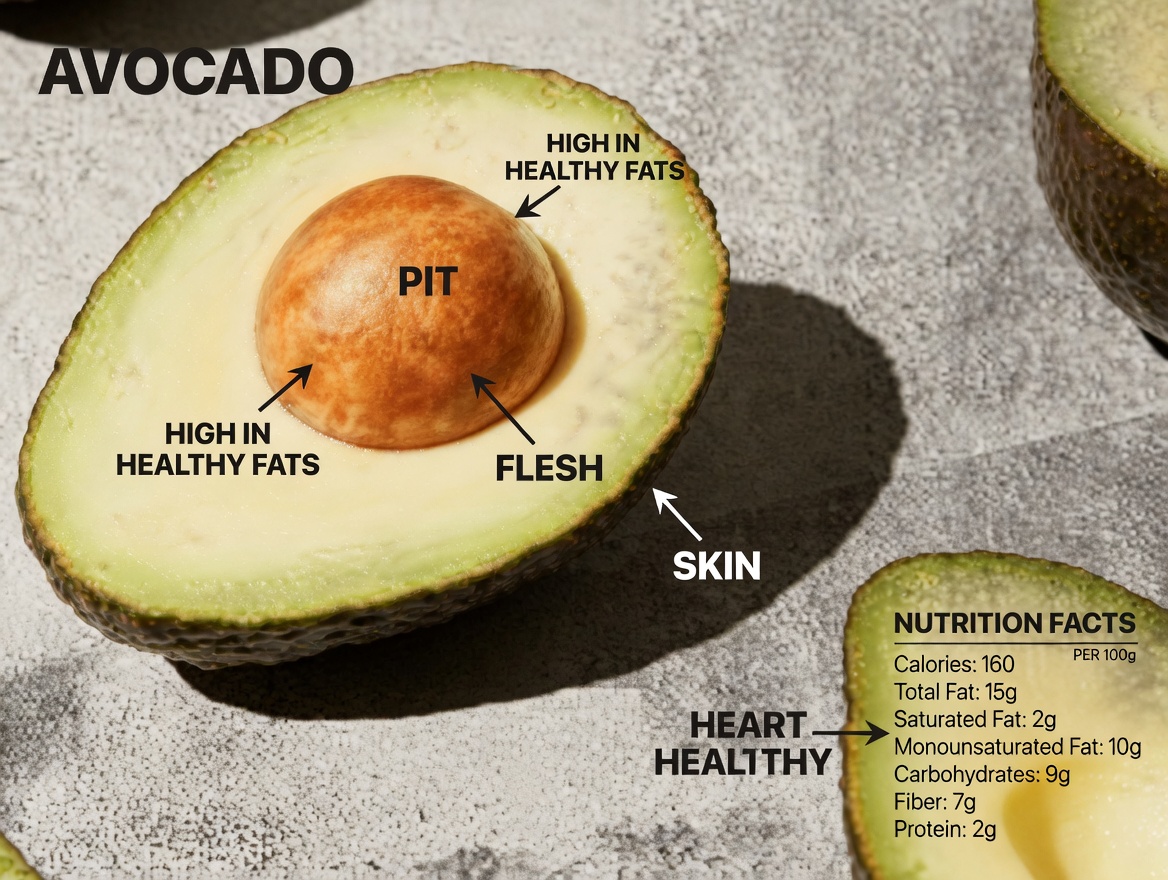
1. Avocados
A single medium avocado supplies close to 1,000 mg of potassium—nearly half of a typical daily limit for individuals with kidney concerns. For people over 50, this concentrated potassium load can quietly tax the kidneys’ filtering ability.
2. Bananas
One medium banana contains about 422 mg of potassium. Enjoying them daily, adding them to smoothies, or pairing them with other high-potassium foods can gradually increase potassium levels and pressure your kidneys when they are already working harder.
3. Oranges and Orange Juice
A cup of orange juice delivers roughly 500 mg of potassium, along with oxalates linked to kidney stone formation. What looks like a simple vitamin C boost may add unnecessary stress to kidneys that no longer clear minerals as efficiently.
4. Dried Fruits (Raisins, Prunes, Apricots, etc.)
Drying fruit removes water and concentrates nutrients—especially potassium. Just a small handful of raisins, prunes, or dried apricots can provide far more potassium than a serving of fresh fruit, making them harder for older kidneys to manage.
5. Spinach
Half a cup of cooked spinach contains over 550 mg of potassium and a high amount of oxalates. Both can contribute to excess mineral accumulation, increasing the burden on aging kidneys and potentially raising stone risk.
6. Potatoes and Sweet Potatoes
A medium baked potato can exceed 900 mg of potassium. Whether baked, roasted, or mashed, regular portions of potatoes or sweet potatoes add a significant mineral load that kidneys after 50 may struggle to eliminate efficiently.
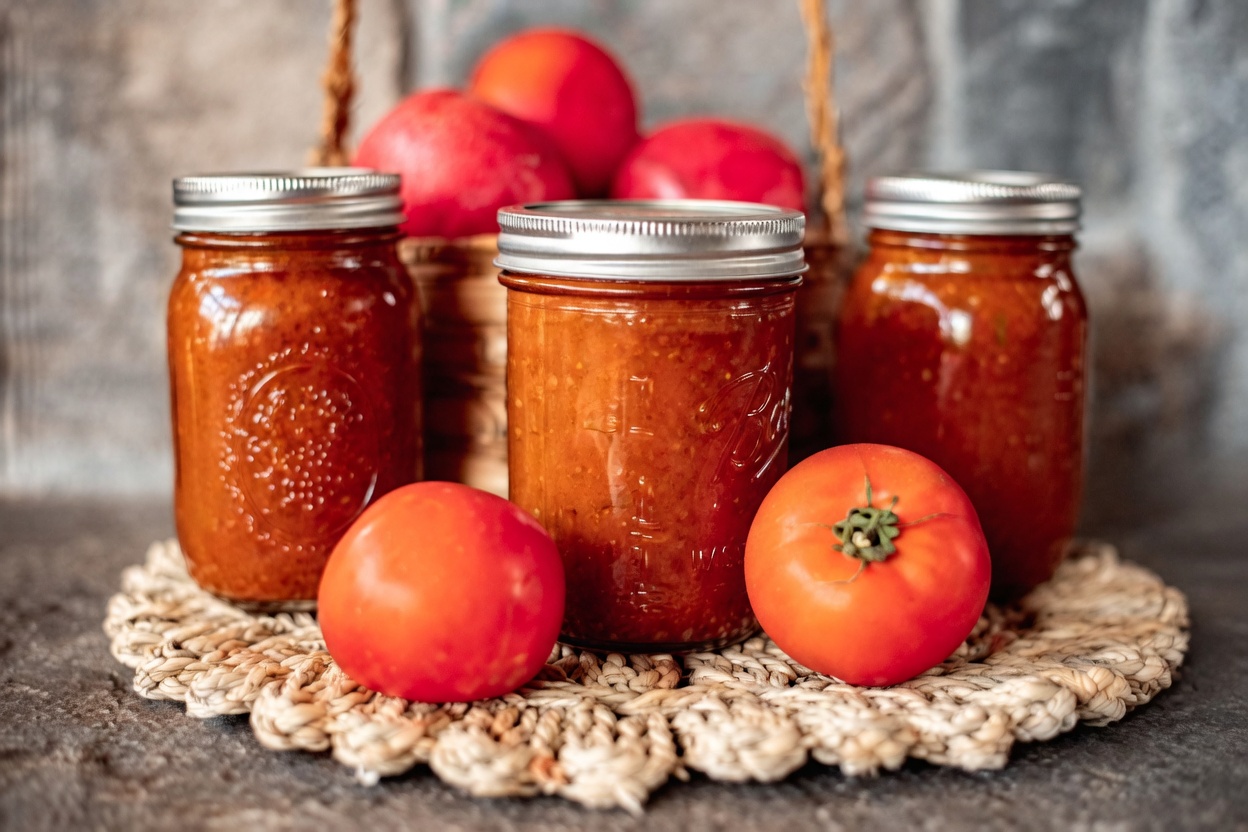
7. Tomatoes and Tomato Sauce
Tomatoes themselves contain potassium, but tomato sauce is especially concentrated. One cup of tomato sauce can approach 900 mg of potassium, turning pasta dishes, soups, and sauces into hidden high-potassium sources.
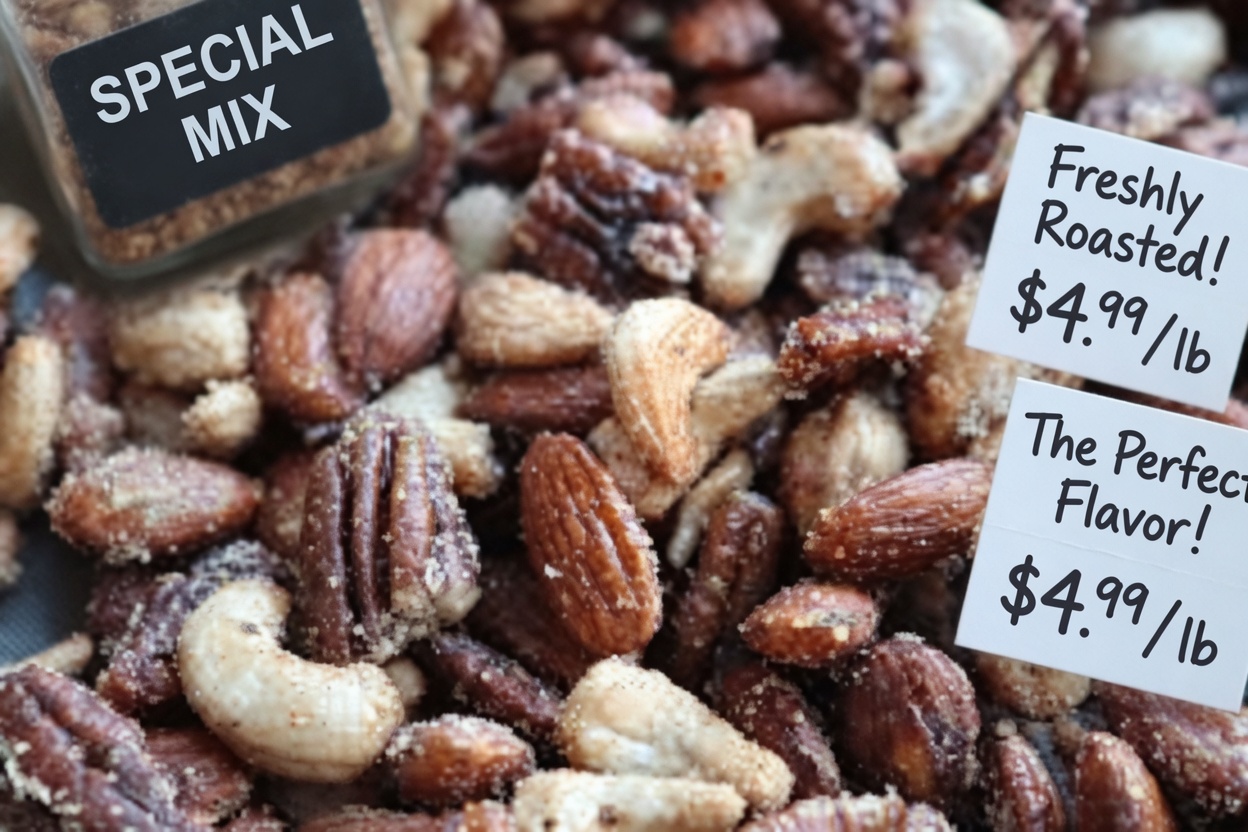
8. Almonds
Almonds are often called a “perfect” snack, yet a small handful contributes notable potassium and oxalates. Because they are easy to overeat, consistent snacking can lead to a mineral buildup that places additional stress on the kidneys over time.
9. Dark Chocolate (70% and Higher)
While dark chocolate is rich in antioxidants, it also contains phosphorus and compounds like theobromine, which the body must clear. For kidneys that are already under strain, these extra substances can quietly add to their workload.
10. Sodas (Regular and Diet)
Many soft drinks contain added phosphorus, artificial sweeteners, and other chemicals that the kidneys must process. Even diet sodas—often considered “healthier”—can contribute to kidney stress when consumed regularly.
11. Processed Meats and Cheeses
Items such as deli meats, sausages, and many cheeses are high in sodium and often contain phosphorus additives. These ingredients can disrupt fluid and mineral balance, making filtration more difficult for older kidneys, even when eaten in modest “healthy” portions.
12. Beets
Beets are rich in nutrients and nitrates, but they also carry a significant potassium load. For individuals with reduced kidney function, this can slow filtration further, turning a nutrient powerhouse into a potential concern.
13. White Beans and Lentils
A half-cup of cooked white beans or lentils can contain about 500 mg of potassium. While excellent plant-based protein sources, their mineral content—and naturally occurring lectins—can complicate matters when kidney function has declined with age.
14. Salted Nuts and Seeds
Even when labeled as “healthy,” salted nuts and seeds often combine higher sodium with potassium and phosphorus. Together, these minerals amplify the workload on kidneys that no longer filter as efficiently as they did in earlier decades.
You do not need to fear these foods; they have real health benefits. But after 50, paying attention to portion size, frequency, and especially timing can make a meaningful difference for your kidney health.
The Upside: How Nighttime Choices Help Support Kidney Health
Your kidneys continue working around the clock, but nighttime is a crucial period for repair, regulation, and rebalancing. Choosing low-potassium, low-phosphorus snacks before bed can:
- Ease the kidneys’ workload overnight
- Support more stable creatinine levels
- Reduce the risk of waking up bloated or sluggish
Gentle, kidney-supportive snacks provide light hydration and comfort without overwhelming your system—helping your body recover while you sleep.
7 Kidney-Friendly Bedtime Snacks to Try Tonight
Select one of these options in the evening. They are lower in challenging minerals, satisfying, and easier on aging kidneys.
1. Unsweetened Applesauce with Cinnamon
- About half a cup contains only ~90 mg of potassium.
- Pectin in applesauce may help bind certain waste products in the gut.
- A sprinkle of cinnamon can assist in steadying blood sugar overnight, supporting more restful sleep.
2. Cucumber Sticks with a Squeeze of Lemon
- Cucumbers are mostly water and naturally low in potassium and phosphorus.
- Lemon adds flavor and antioxidants that may help calm low-grade inflammation without overtaxing the kidneys.
3. Celery Sticks with 2 Tablespoons of Low-Sodium Hummus
- Celery has an alkaline profile and can support healthy blood pressure.
- A small amount of low-sodium hummus provides gentle protein without a heavy mineral burden, as long as portion sizes stay modest.
4. Plain Air-Popped Popcorn (3–4 Cups)
- When prepared at home without added salt or butter, popcorn is very low in sodium and phosphorus.
- Its fiber content helps move waste through the digestive tract while you sleep, indirectly supporting kidney function.
5. Apple Slices Lightly Dusted with Cinnamon
- Apples are relatively low in potassium and phosphorus.
- They contain quercetin, a plant compound that may help protect blood vessels in and around the kidneys.
6. One or Two Plain Rice Cakes
- Each plain rice cake typically contains under 10 mg of sodium.
- They are easy to digest and produce minimal waste for the kidneys to manage during the night.
7. Small Handful of Macadamia Nuts (5–7 Nuts)
- Macadamia nuts are among the lowest in potassium and phosphorus compared with other nuts.
- They provide heart-healthy fats that can support overall cardiovascular and kidney health without overwhelming mineral content.
Quick Side-by-Side: Everyday Choices vs. Gentler Swaps
Use this comparison to see how simple substitutions can reduce mineral load and support kidney health after 50.
| Common Choice You Might Eat | Approx. Potassium (mg) | Kidney-Supportive Swap | Approx. Potassium (mg) |
|---|---|---|---|
| Medium banana | 422 | Medium apple | 195 |
| ½ avocado | 485 | 6 cucumber slices | 45 |
| 1 cup orange juice | 496 | ½ cup unsweetened applesauce | 90 |
| Handful of almonds (23) | 200 | 6 macadamia nuts | 104 |
| Medium baked potato | 926 | 2 plain rice cakes | 40 |
These swaps are not about perfection—they are about consistently lightening the load on your kidneys across the week.
Simple Daily Habits for Lighter, Fresher Mornings
To give your kidneys more room to rest and recover at night, consider these realistic steps:
-
Finish dinner at least 3 hours before bedtime.
This reduces the amount of digestion and waste-processing your kidneys must handle while you sleep. -
Choose just one bedtime snack from the kidney-friendly list.
Keeping it light and lower in potassium/phosphorus helps prevent overnight overload. -
Drink an extra glass of water—if you are not on a fluid restriction.
Adequate hydration supports filtration, but always follow your provider’s guidance if you have fluid limits. -
Aim to be in bed before 11 p.m.
Earlier sleep supports your body’s natural repair cycles, including kidney recovery and hormone regulation. -
Pay attention to how you feel after a week.
Many people notice less morning puffiness, more energy, and a lighter overall feeling when they consistently implement these changes.
Embrace Smarter Choices, Not Deprivation
This approach is not about banning favorite foods—it is about understanding how your body has changed and responding intelligently. Your kidneys have been working hard for decades. Offering them gentler support at night is a way of honoring that effort.
A few mindful tweaks—like swapping an evening high-potassium snack for a kidney-friendly option—can help you wake up refreshed rather than weighed down. You still deserve satisfying, enjoyable food; you are simply tailoring your choices to match your body’s current needs.
Many people find that trading salted nuts at night for cinnamon-dusted apple slices leaves them noticeably less bloated in the morning. Try just one swap this evening—the difference may surprise you.

FAQ
Which everyday foods most commonly affect creatinine levels after 50?
Foods high in potassium—such as bananas, avocados, potatoes, and certain beans—as well as items rich in phosphorus, like sodas, processed meats, and some cheeses, can increase the workload on your kidneys. As kidney function naturally declines with age, these foods may contribute to rising creatinine when eaten frequently or in large amounts.
Can bedtime snacks really support kidney health?
Yes. Choosing low-potassium, low-phosphorus snacks at night—like unsweetened applesauce, cucumber sticks, or plain rice cakes—provides gentle nourishment without overloading your kidneys. Because kidneys are actively repairing and rebalancing during sleep, giving them less to process can help support more stable function.
When should I talk to a professional about changing my diet?
You should consult your doctor or a renal (kidney) dietitian if you:
- Notice persistent fatigue, swelling, or puffiness
- Have lab results showing rising creatinine or declining kidney function
- Have existing kidney disease, diabetes, or high blood pressure
Personalized advice ensures that any dietary adjustments are safe, appropriate, and tailored to your specific health status.
This content is for educational purposes only and does not replace professional medical advice. Always speak with your healthcare provider or a registered dietitian who specializes in kidney health before making significant dietary changes, especially if you have kidney disease or other chronic conditions.