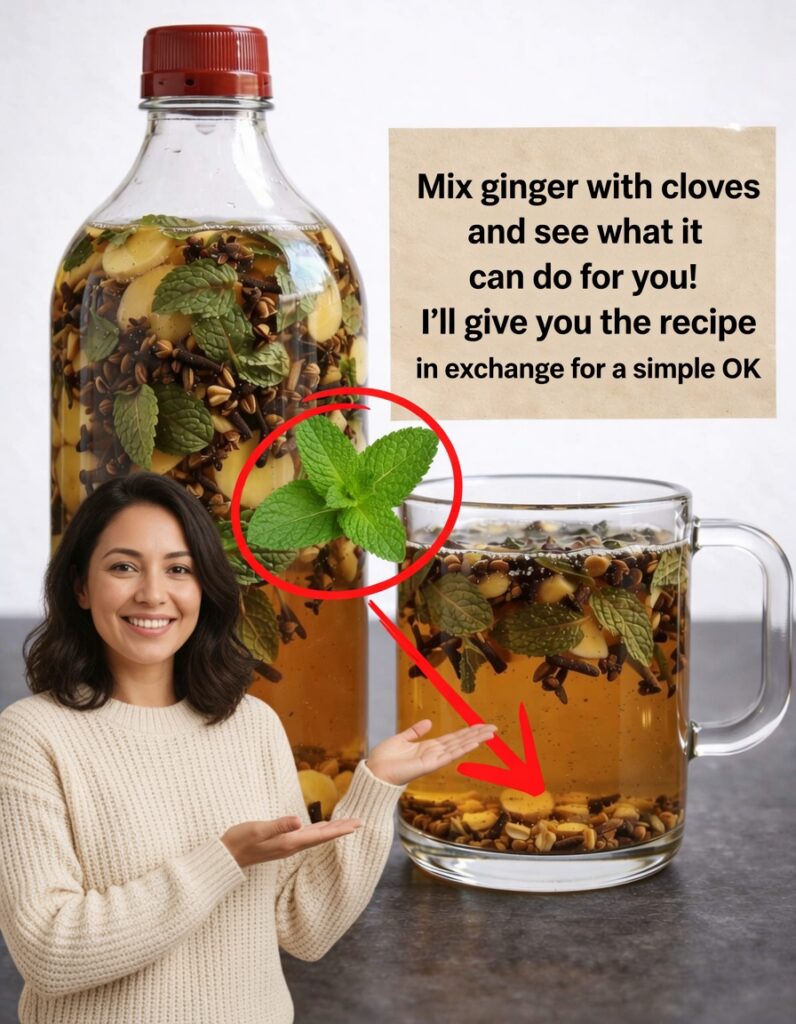
Ginger and Clove Infusion: Comfort in a Cup
Picture starting the day with a steaming, gently spicy drink that calms your stomach, eases occasional discomfort, and leaves you feeling more awake and refreshed. This is especially welcome on cold mornings or after a heavy meal when bloating, sluggishness, and fatigue tend to show up. A simple infusion of ginger and cloves—two familiar kitchen spices—has become a go-to option for many people seeking light, everyday support.
Drawn from both traditional wellness practices and growing scientific interest in plant compounds, this aromatic drink is easy to make and even easier to enjoy.
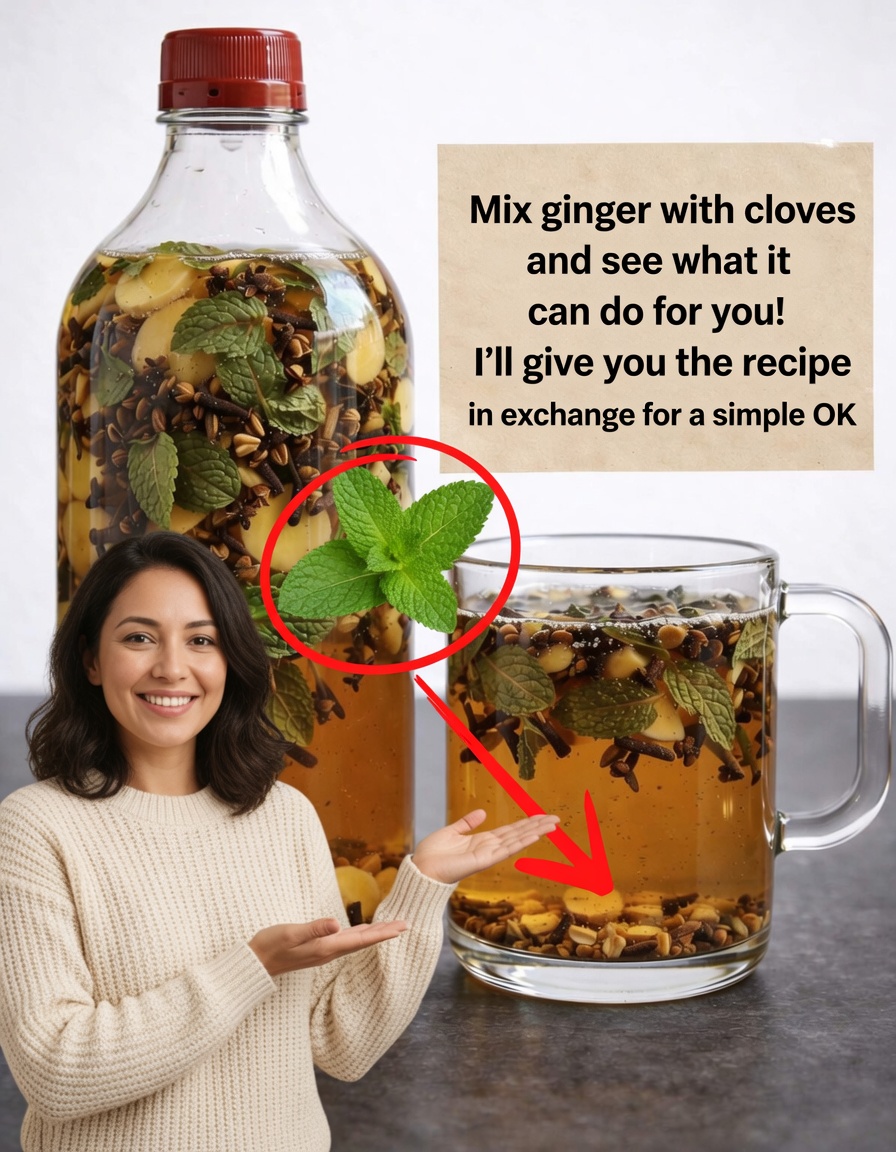
Keep reading to learn about the potential benefits of ginger and clove tea, how to prepare it at home, creative serving ideas, and key safety tips to use it wisely.
What Makes Ginger and Cloves So Unique?
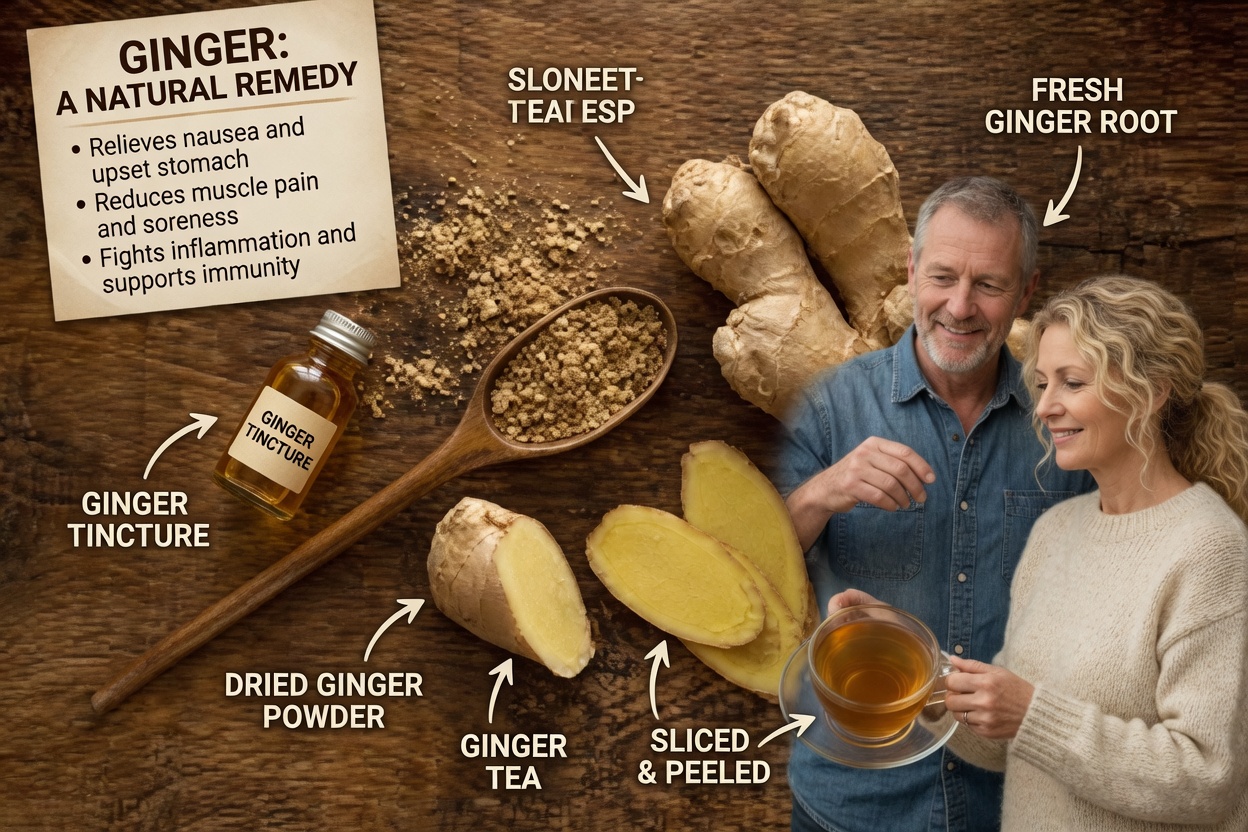
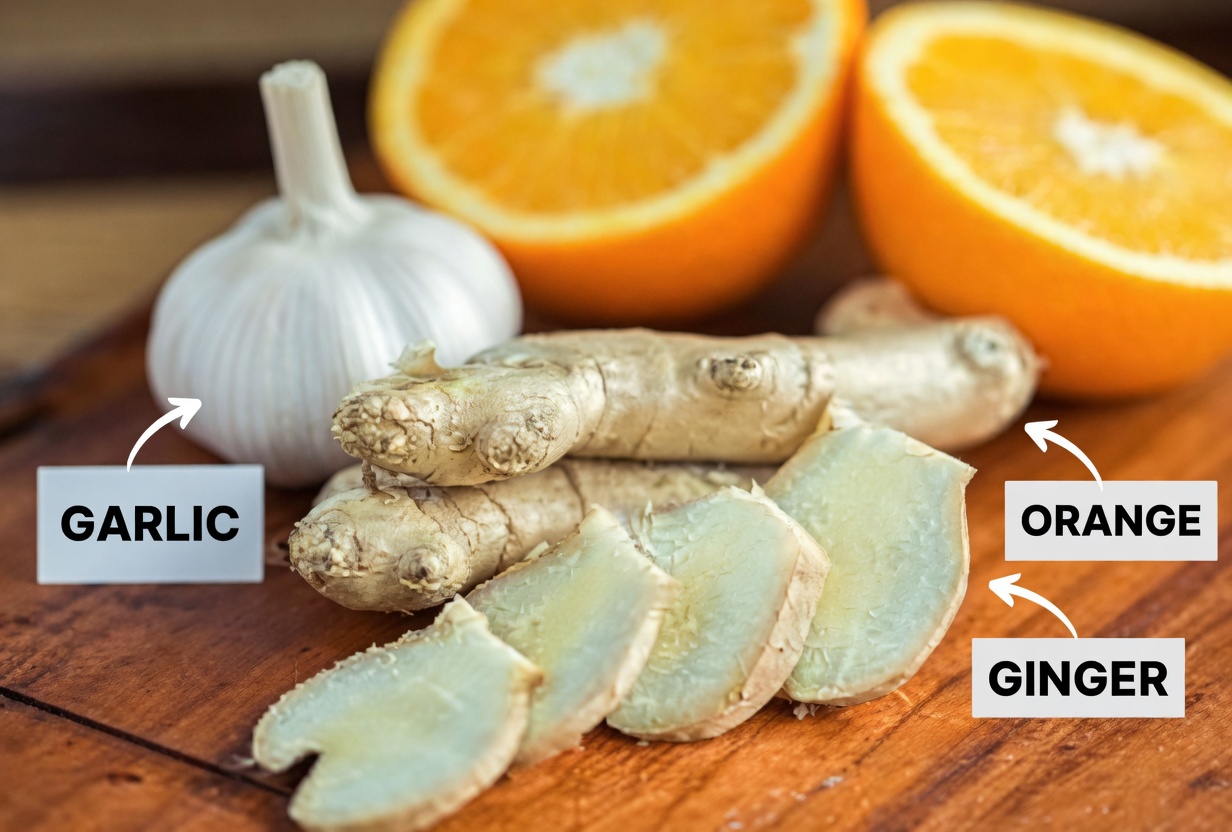
Ginger is the knobby, fragrant rhizome often added to teas, stir-fries, and baked goods. It contains powerful bioactive compounds, including gingerols and shogaols, which are frequently associated in research with antioxidant and anti-inflammatory properties. When you face everyday digestive upset or seasonal respiratory discomfort, these compounds may provide soothing, supportive effects.
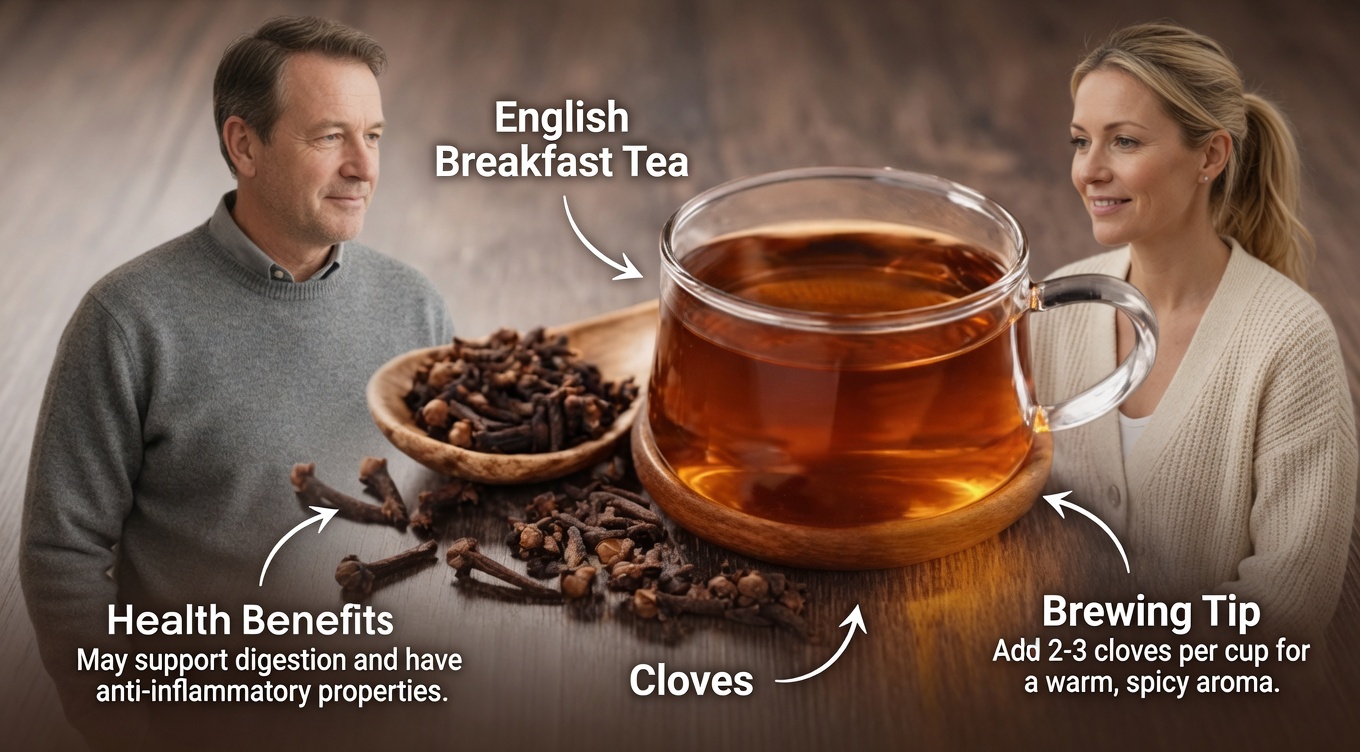
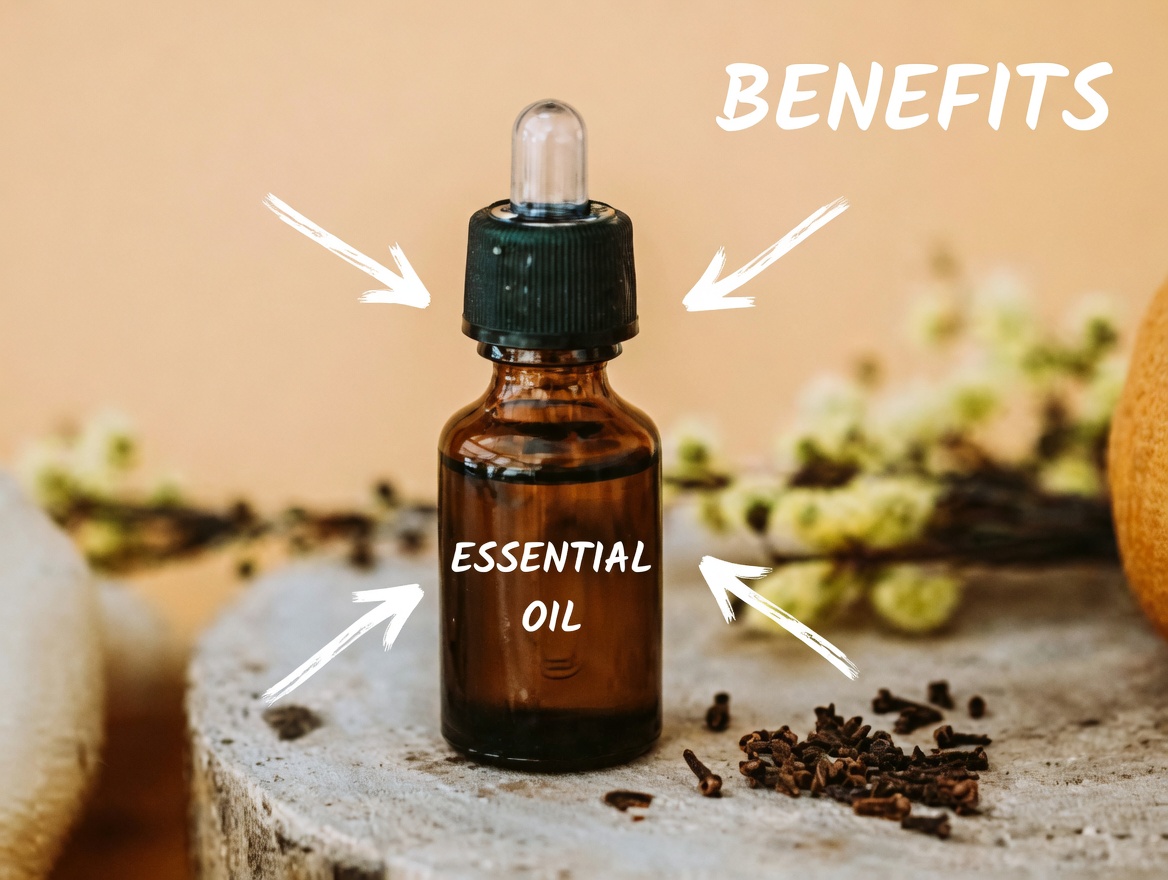
Cloves are dried flower buds known for their intense, warm scent and flavor. Their standout compound, eugenol, is a potent antioxidant, and cloves are often listed among the spices with notable capacity to counter oxidative stress.
Together, ginger and cloves form a dynamic combination that traditional systems of wellness have relied on for generations. Modern research continues to examine how these spices might work together to support overall health.
Key Potential Benefits of Ginger and Clove Tea
Many people include ginger and clove infusion as part of their daily wellness habits. While more robust human studies are still needed, both traditional use and early research point to several possible benefits.
1. Rich in Antioxidant Compounds
- Ginger and cloves are both concentrated sources of antioxidants.
- Gingerols in ginger and eugenol in cloves can help neutralize free radicals, which contribute to cellular wear and tear.
- Sipping this infusion regularly, alongside a varied and nutrient-dense diet, may support your body’s natural defense against everyday oxidative stress.
2. Support for Inflammatory Balance
- Ginger has long been noted for its natural anti-inflammatory actions, which may be helpful for occasional joint discomfort or soreness after physical activity.
- The eugenol in cloves also shows anti-inflammatory potential in laboratory settings.
- Together, these spices may encourage general comfort when minor inflammatory responses are triggered by daily life.
3. Digestive Comfort and Gut Support
- Ginger is widely used to help settle an uneasy stomach, support normal digestion, and reduce mild nausea.
- Cloves can help ease bloating and gas, making this blend popular after large or heavy meals.
- Many people find this tea soothing after eating or while traveling, when digestive discomfort is more likely to occur.
4. Gentle Immune System Support
- Both ginger and cloves have demonstrated antimicrobial properties in lab studies, suggesting they may help support the body’s natural defenses.
- The warm liquid itself can ease a scratchy throat and promote hydration, which is essential for maintaining overall wellness—especially during cold and flu season.
5. Circulation and Metabolic Support
- Some research indicates that ginger may help stimulate circulation and support healthy metabolic function when combined with regular movement and a balanced diet.
- The antioxidant profile of cloves may also contribute to vascular and cardiovascular wellness.
- Many people report feeling warmer, more energized, and revitalized after drinking this spicy, aromatic infusion.
How to Make Ginger and Clove Infusion at Home
One of the best things about this drink is how simple and flexible it is. You only need a few basic ingredients and a small pot.
Ingredients (1–2 servings)
- 1-inch (2–3 cm) piece of fresh ginger root
- 3–5 whole cloves
- 2 cups (500 ml) water
- Optional add-ins:
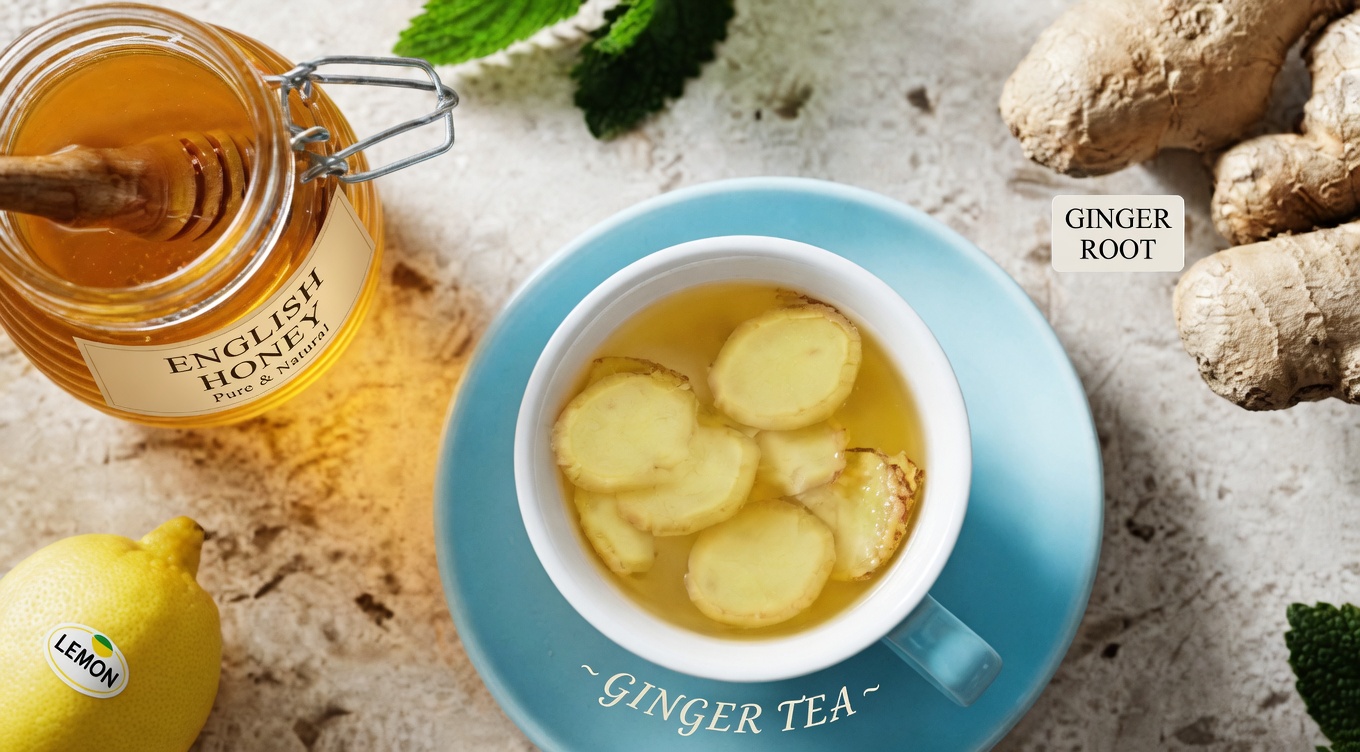
- 1 teaspoon honey
- A squeeze of fresh lemon juice
- 1 cinnamon stick for extra warmth and flavor
Step-by-Step Instructions
- Peel the ginger (if desired) and slice it thinly or grate it for a stronger infusion.
- Bring the water to a gentle boil in a small saucepan.
- Add the ginger slices and whole cloves to the pot.
- Reduce to a low simmer and let it cook for 10–15 minutes so the flavors and compounds can infuse into the water.
- Strain the liquid into your favorite mug, removing the ginger pieces and cloves.
- Stir in honey, lemon, or a cinnamon stick if you like, and drink while warm.
You can typically enjoy 1–2 cups per day, perhaps in the morning to start your day or in the evening as a relaxing ritual. The cozy, spicy heat is particularly inviting during colder months.
Creative Ways to Enjoy Ginger and Clove Tea
You don’t have to drink this infusion in just one way. Try these simple variations to keep things interesting:
- Add a handful of fresh mint leaves at the end for a refreshing, cooling counterpoint to the spice.
- Chill the brewed tea, then mix it with sparkling water and a slice of citrus to create a herbal mocktail.
- Use the infusion as a flavorful liquid for cooking grains like rice or quinoa, or as a base for light broths and soups to add subtle spice and potential benefits.
Safety, Side Effects, and Who Should Be Careful
Ginger and clove infusions are generally considered safe in culinary amounts for most healthy adults. However, “natural” does not always mean “risk-free,” and moderation is important.
Possible Side Effects
- Large amounts of ginger may cause heartburn, stomach upset, or loose stools in some individuals due to its stimulating effect on digestion.
- Excessive intake of cloves can irritate the mouth or digestive tract and may affect blood clotting because of eugenol.
- Both ginger and cloves have the potential to influence blood-thinning processes and blood sugar levels when consumed in higher doses or concentrated forms.
Who Should Use Extra Caution?
Avoid strong or highly concentrated preparations, and speak with a healthcare professional if you:
- Have gallstones, acid reflux, or peptic ulcers
- Have a bleeding disorder or are scheduled for surgery
- Take anticoagulants (blood thinners), antiplatelet drugs, or blood pressure medications
- Use diabetes medications or have unstable blood sugar
- Are pregnant or breastfeeding (ginger is often used for nausea in pregnancy, but safe dosage can vary and should be medically supervised)
Always start with small amounts to see how your body responds, and discontinue use if you notice any adverse effects.
The Bottom Line on Ginger and Clove Infusion
Ginger and cloves, though simple pantry staples, combine to create a comforting, aromatic drink that can support digestion, provide antioxidant warmth, and easily blend into your daily routine. Whether you’re looking for a cozy self-care ritual, something to sip after rich meals, or a gentle natural complement to a healthy lifestyle, ginger and clove tea offers both tradition and flavor in every cup.
Brewing a small pot tomorrow might be the first step toward a new favorite wellness habit.
FAQ
How often can I drink ginger and clove infusion?
Most people tolerate 1–2 cups per day without problems when the infusion is prepared at typical culinary strength. Keep portions moderate and pay attention to how your body feels over time.
Can ginger and clove tea help with colds?
Many people use this tea for comfort during minor respiratory illnesses. Its warming nature, soothing effect on the throat, and traditional antimicrobial properties may help you feel more comfortable, though it should not replace medical treatment when needed.
Are there any specific risks for certain people?
Yes. Individuals who are pregnant, taking prescription medications (especially blood thinners, diabetes drugs, or blood pressure medicines), or living with conditions such as ulcers, gallstones, or bleeding disorders should talk to a healthcare provider before drinking this infusion regularly.
This content is for educational purposes only and does not constitute medical advice. Potential benefits of ginger and clove are based on traditional use and preliminary research, and individual responses vary. Always consult your healthcare professional before adding herbal infusions to your routine, particularly if you have existing health conditions or take medications.