Natural Relief for Leg Pain from Arthritis, Rheumatism, and Varicose Veins
Leg pain caused by arthritis, rheumatism, or varicose veins can make even simple activities—like walking to the kitchen or standing in line—feel exhausting. As we grow older, stiffness, swelling, and a constant aching sensation can turn daily life into a physical and emotional challenge. While medical treatment is essential, many people also look for gentle, home-based methods to ease discomfort.
Traditional remedies using ingredients like garlic and cloves are often explored for their potential anti-inflammatory and circulation-supporting effects. When used wisely, they may offer an additional layer of comfort for sore, tired legs.
In this guide, you’ll discover practical, natural approaches drawn from folk traditions and supported by some emerging research, with a strong focus on safety and realistic expectations.
The Daily Impact of Leg Pain
Over the years, joints, muscles, and veins in the legs can become strained and inflamed. This often leads to:
- Stiff, swollen joints from arthritis or rheumatism
- A heavy, throbbing feeling that worsens later in the day
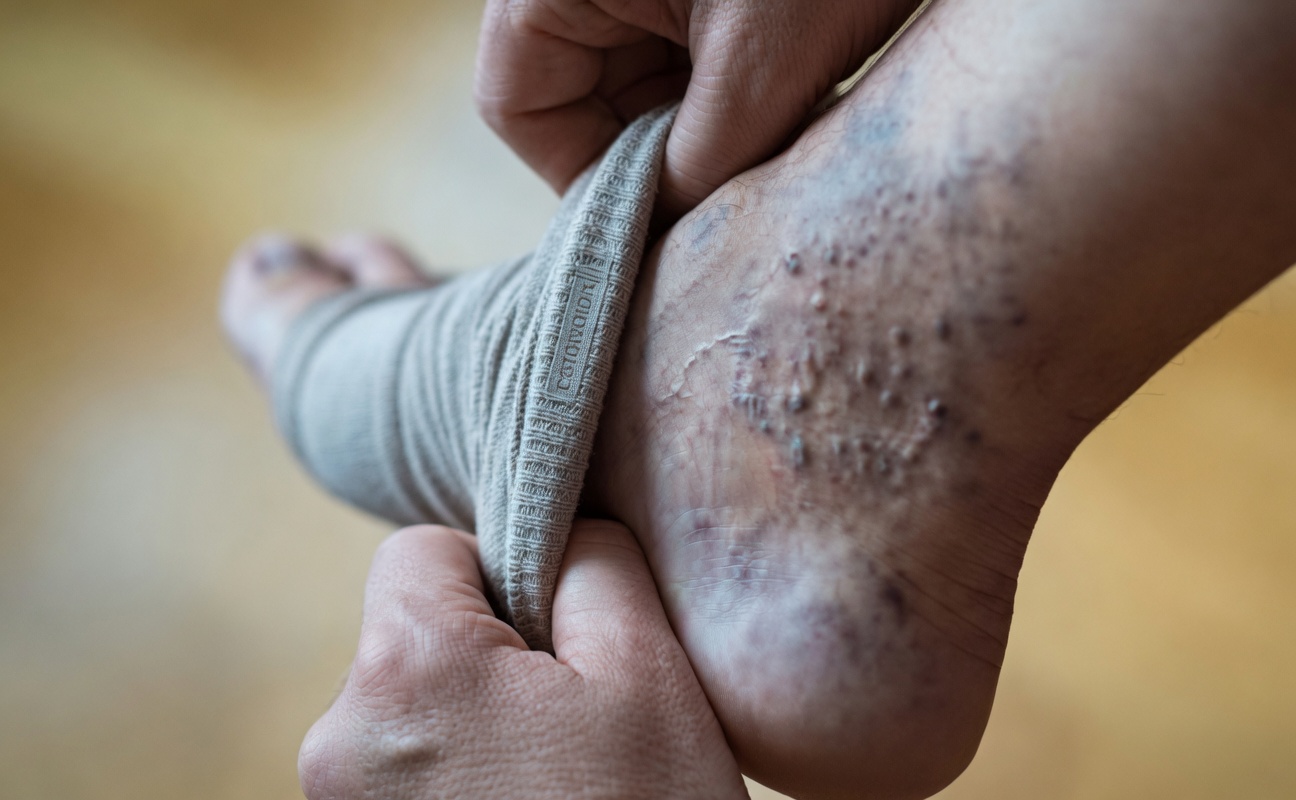
- Aching and visible bulging veins due to varicose veins and poor circulation
These problems can:
- Disturb sleep
- Limit mobility
- Create ongoing fatigue and frustration
Natural options such as garlic-infused oils aim to gently soothe these sensations. They do not replace medical care, but they may support your comfort alongside professional treatment.
The main attraction of these home remedies is that they use simple, accessible ingredients that may calm discomfort in a mild, gradual way.
Why Garlic and Cloves Are Used in Traditional Leg Pain Remedies
Garlic and cloves have long been used in folk medicine for their warming, soothing effects on tired, inflamed legs.
- Garlic contains sulfur-based compounds that have been linked in research to anti-inflammatory activity.
- Cloves are rich in eugenol, a compound with noted analgesic (pain-relieving) and anti-inflammatory properties.
When these ingredients are infused into a carrier oil, they create a massage oil traditionally used to:
- Promote a sense of warmth
- Support circulation in tired legs
- Ease sensations of stiffness and heaviness
This approach aims to calm the discomfort associated with leg pain in a gentle way rather than aggressively treating the underlying disease.
It is important to be clear: these methods may help support comfort, but they do not cure arthritis, rheumatism, or varicose veins.

Garlic & Clove Oil Infusion: A Gentle Topical Option
This classic preparation combines garlic and cloves into a soothing oil for external use on painful or swollen legs.
Ingredients
- Several fresh garlic cloves
- A small handful of whole cloves (the spice)
- Olive oil or coconut oil (as the carrier oil)
How to Prepare
- Peel and lightly crush the garlic cloves.
- Place the crushed garlic and whole cloves into a clean glass jar.
- Pour in enough olive or coconut oil to completely cover the ingredients.
- Seal the jar and store it in a cool, dark place for about 7 days, shaking it gently once a day.
- After a week, strain the mixture through cheesecloth or a fine filter.
- Store the infused oil in a clean, airtight container away from direct sunlight.

How to Use on the Legs
- Apply a small amount of the infused oil to sore or stiff areas of the legs.
- Massage gently into joints, muscles, or along varicose veins once or twice daily.
- Always perform a patch test first on the inner forearm and wait 24 hours to check for irritation.
Why It May Help
- Research on garlic suggests it may help reduce certain inflammatory markers associated with osteoarthritis pain when used internally.
- Eugenol in cloves has been studied for its topical analgesic effects and is used in some pain-relief products.
When combined in an infused oil, these properties may enhance the relaxing effects of massage, providing temporary relief from leg pain and stiffness.
Safety Reminder:
Never apply raw, undiluted garlic or clove directly to the skin. Garlic especially can cause burns or irritation, particularly on sensitive or already inflamed areas.
Warm Compress with Garlic & Clove Oil
Applying heat can intensify the soothing properties of the infused oil, especially for leg pain related to stiffness or reduced circulation.
Method
- Warm a small amount of garlic and clove infused oil in a heat-safe container. Do not overheat; it should feel warm, not hot.
- Soak a clean, soft cloth in the warm oil.
- Wring out the excess oil so the cloth is damp but not dripping.
- Place the cloth over the painful area of the leg.
- Leave it in place for 15–20 minutes while you rest.
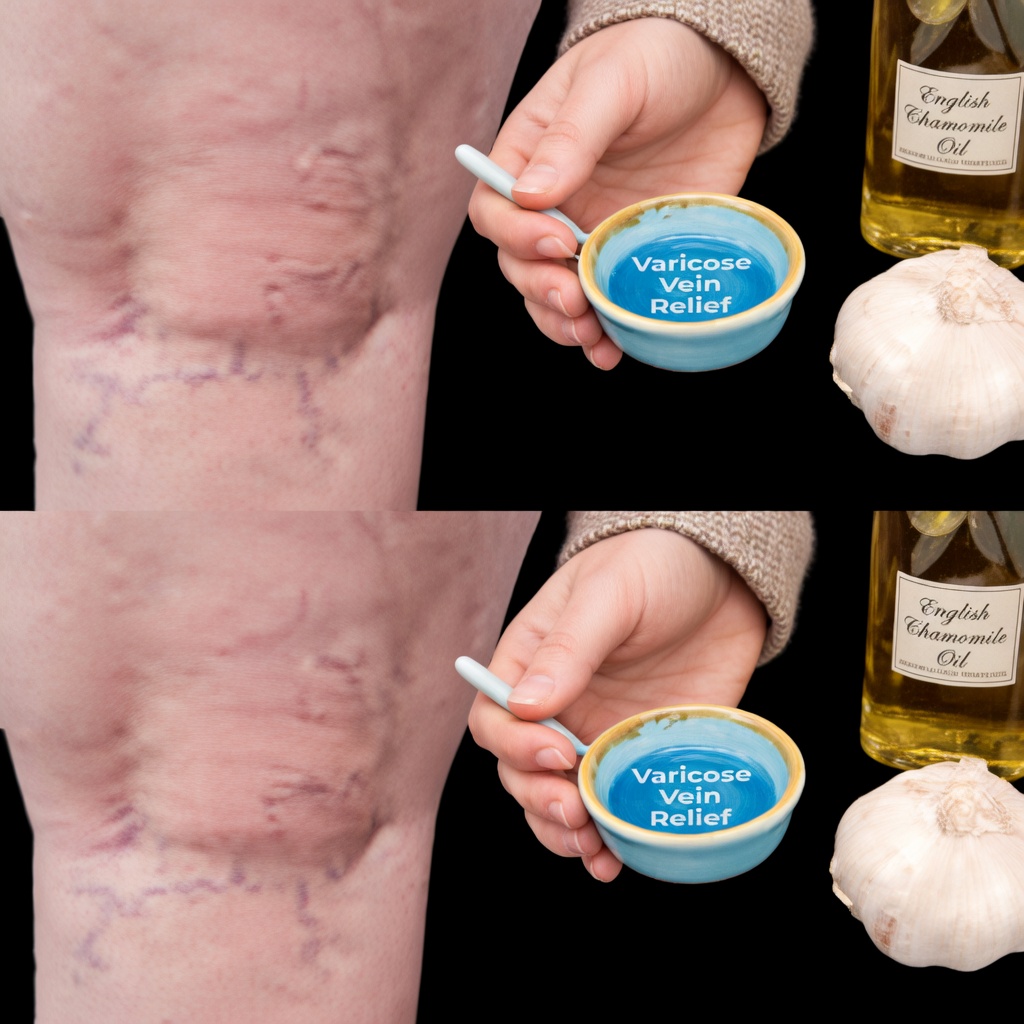
Why It Can Be Soothing
- Warmth helps increase local blood flow.
- Heat relaxes tense muscles around affected joints.
- When combined with garlic and clove oil, it may ease the sensation of heaviness, swelling, or throbbing.
For varicose veins, pairing a warm compress with leg elevation (feet higher than the heart) can further support circulation and reduce pooling of blood in the lower legs.
Garlic Infusion as a Supportive Drink
Some people use garlic internally to support overall health, which may indirectly help with rheumatism-related leg pain by moderating inflammation.
Ingredients
- 3 fresh garlic cloves
- 1 cup (about 240 ml) of water
Preparation
- Peel and crush the garlic cloves.
- Add them to a small pot with 1 cup of water.
- Bring to a gentle boil and simmer for 5–10 minutes.
- Remove from heat and let cool slightly.
- Strain if desired, then sip slowly.
Potential Benefits
Garlic contains antioxidants and bioactive compounds that, in some human studies, have been associated with reduced inflammatory markers. Supporting overall systemic health in this way might improve comfort in conditions like rheumatism that contribute to leg pain.
Use in moderation: Too much garlic can cause digestive upset in some people.
Important:
If you take blood-thinning medications or have a bleeding disorder, always speak with your healthcare provider first, as garlic can interact with these drugs.
Epsom Salt Soak: A Simple Comforting Ritual
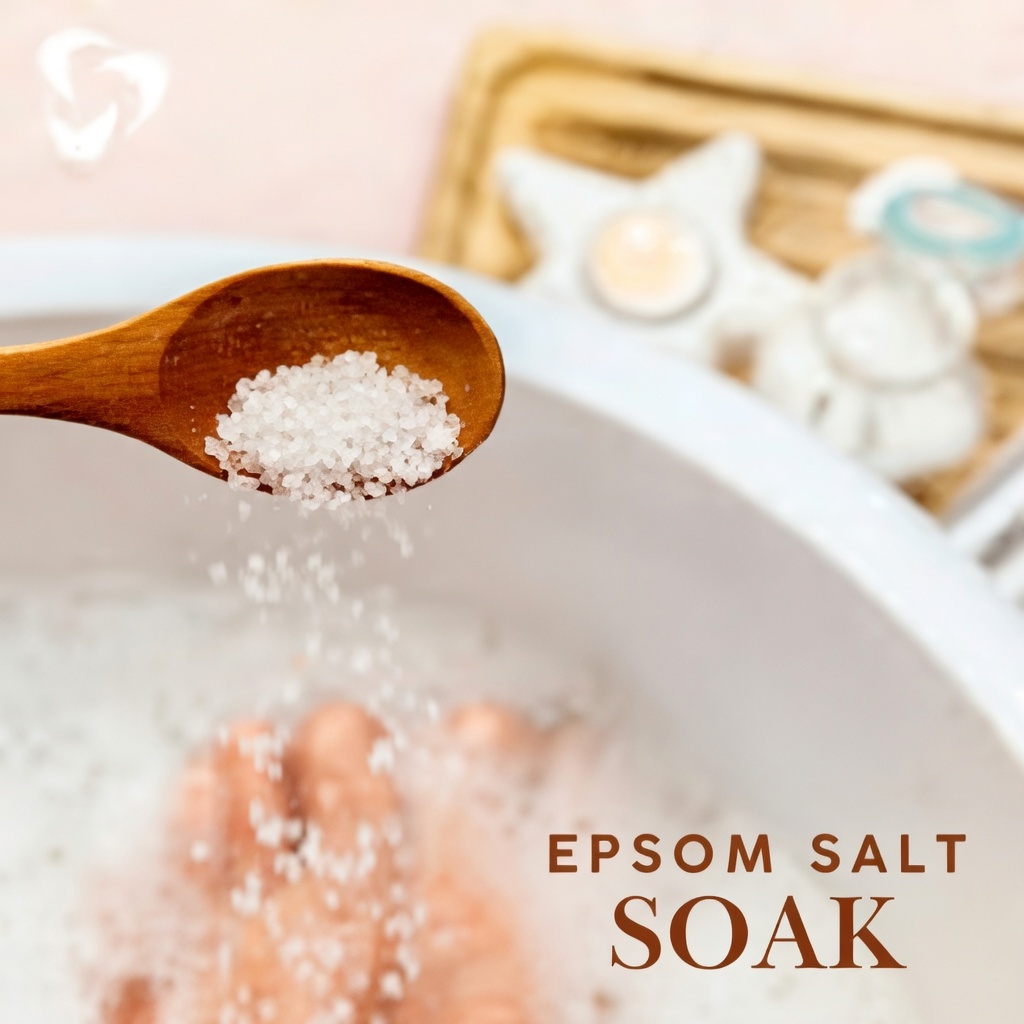
An Epsom salt soak is a widely used home remedy to relax muscles and joints, especially in the legs.
How to Do an Epsom Salt Leg Soak
- Fill a tub or large basin with warm (not hot) water.
- Add about 2 cups of Epsom salt and stir until fully dissolved.
- Soak your legs for 20–30 minutes.
- Repeat 2–3 times per week, or as tolerated.
Why Many People Find It Helpful
- Epsom salt contains magnesium, which may help relax muscles and ease perceived stiffness.
- Soaks can temporarily reduce the sensation of pain from arthritis, rheumatism, or overuse.
- For varicose veins, combining a soak with leg elevation afterward may help relieve swelling and heaviness.
This low-effort ritual often provides a noticeable sense of calm and relief in aching legs.
Daily Habits That Enhance Natural Leg Pain Relief
Lifestyle choices can significantly boost the benefits of any remedy you use.
- Gentle movement: Activities like walking, swimming, or yoga support circulation without overloading the joints, which is particularly helpful in arthritis and varicose vein–related leg pain.
- Regular leg elevation: Raising your legs above heart level for about 15 minutes, several times a day, can reduce pooling of blood and feelings of heaviness.
- Compression stockings: Graduated compression wear supports the veins, reduces swelling, and can lessen discomfort from varicose veins.
- Hydration and anti-inflammatory diet: Drinking enough water and including foods like berries, ginger, turmeric, leafy greens, and fatty fish may support overall joint and vascular health.
To understand what works best for you, consider rating your leg pain on a scale from 1 to 10 before and after trying different approaches. Over time, you’ll see which strategies give you the most relief.
Quick Comparison of Home Supports for Leg Pain
| Remedy | Main Target in Leg Pain | Key Caution |
|---|---|---|
| Garlic & Clove Oil Massage | Inflammation, circulation, stiffness | Always patch test; avoid broken or irritated skin |
| Warm Compress with Infused Oil | Muscle tension, swelling, heaviness | Check temperature carefully to prevent burns |
| Epsom Salt Soak | Muscle relaxation, joint ease | Keep water warm, not hot; rehydrate afterward |
| Gentle Exercise & Leg Elevation | Overall circulation, reduced heaviness | Start slowly; consult a professional if pain is severe or worsening |
Essential Safety Guidelines
- Do not ingest large amounts of garlic or clove oil, and never apply undiluted garlic or clove directly to the skin—this can cause irritation or chemical burns.
- Stop use immediately if you notice redness, burning, itching, or worsening pain.
- Always consult a healthcare provider before starting any new remedy if you:
- Take prescription medications (especially blood thinners)
- Are pregnant or breastfeeding
- Have chronic or serious conditions such as advanced arthritis, severe varicose veins, diabetes, or vascular disease
Natural remedies should be viewed as complementary, not as a replacement for professional medical treatment.
Final Thoughts on Natural Support for Leg Pain
Garlic, cloves, Epsom salt soaks, and simple daily habits offer accessible, low-cost ways to gently support leg comfort amidst arthritis, rheumatism, or varicose vein challenges. These approaches are rooted in traditional practice and supported by some preliminary research into inflammation, circulation, and muscle relaxation.
They work best when used:
- Consistently over time
- In combination with healthy lifestyle habits
- Alongside appropriate medical advice and care
Consider starting with one small change—such as an Epsom salt soak or a short daily walk—and pay attention to how your legs feel over the following days and weeks. Gradual, manageable steps often lead to the most sustainable improvements.
Frequently Asked Questions
1. Are garlic and clove remedies safe for daily use on leg pain?
When properly diluted in a carrier oil and used in small amounts, many people tolerate garlic and clove topically without issues. However, these ingredients can be irritating for some:
- Always perform a patch test on a small skin area first.
- Do not apply on broken, inflamed, or very sensitive skin.
- Stop immediately if you notice burning, redness, or itching.
For oral garlic, moderate intake is usually safe for most people, but it can interact with certain medications and may upset digestion. Consulting a healthcare professional is the safest approach for personalized guidance.
2. Can these natural options replace medical treatment for arthritis or varicose veins?
No. These remedies are supportive measures. They may:
- Help ease discomfort
- Improve your sense of well-being
- Complement your existing treatment plan
But they do not correct joint damage, structural vein problems, or underlying autoimmune processes. Always seek medical evaluation for persistent, severe, or worsening leg pain, swelling, skin changes, or sudden changes in mobility.
3. How soon might I notice relief from leg pain with these remedies?
The timeline varies from person to person:
- Some people experience a soothing effect after the first few massages or soaks.
- For others, consistent use over 1–3 weeks is needed to notice a meaningful difference.
Tracking your pain level on a simple 1–10 scale before and after trying a remedy can help you see patterns over time. If you see no improvement—or symptoms worsen—speak with a healthcare provider to reassess your approach.