
Why Sweet Potatoes Matter More After 40
As you move through your 40s and beyond, it’s common to notice mid-afternoon energy crashes, new concerns about digestion and immunity, and greater attention to blood sugar balance. These everyday issues can chip away at your productivity, drain your energy, and make it harder to feel like yourself.
Sweet potatoes are more than a comforting side dish. They are a nutrient-dense, versatile food that many nutrition experts recommend for supporting overall health, especially in midlife and later. When used regularly and prepared in smart ways, sweet potatoes can fit seamlessly into your routine and support multiple aspects of well-being.

Below are the key reasons sweet potatoes deserve a regular spot on your plate.
1. Steady Energy Without the Afternoon Crash
If your energy dips hard in the middle of the day, particularly after 40, sweet potatoes can be a helpful ally.
Sweet potatoes are rich in complex carbohydrates that break down slowly, providing a gradual release of energy instead of a sharp spike and crash. Unlike refined grains and sugary snacks, their natural starches help sustain energy throughout the day.
This slower release of glucose:
- Supports more stable energy levels
- Helps reduce mid-afternoon slumps
- Makes sweet potatoes ideal for busy professionals and active parents
Including sweet potatoes at breakfast or lunch can set you up for better stamina and focus for hours afterward.

2. Support for Healthy Blood Sugar Levels
Many people in midlife begin paying closer attention to blood sugar control, as fluctuations can affect mood, weight, and long-term health.
Sweet potatoes can be a smarter carbohydrate choice because:
- They have a moderate glycemic index, especially when boiled or steamed.
- Their fiber content slows digestion and glucose absorption.
- They tend to promote more stable blood sugar compared with many refined starches.
To maximize their blood sugar–friendly benefits:
- Opt for boiling or steaming over frying.
- Pair sweet potatoes with protein (like fish, eggs, or beans) and healthy fats (such as avocado, olive oil, or nuts).
- Enjoy them as part of a balanced meal rather than on their own.
This approach supports more stable metabolic health and helps avoid the energy rollercoaster.
3. Natural Immune System Support
As you age, frequent colds, seasonal illnesses, or feeling run-down can become more noticeable. Sweet potatoes contribute valuable nutrients that help reinforce immune function.
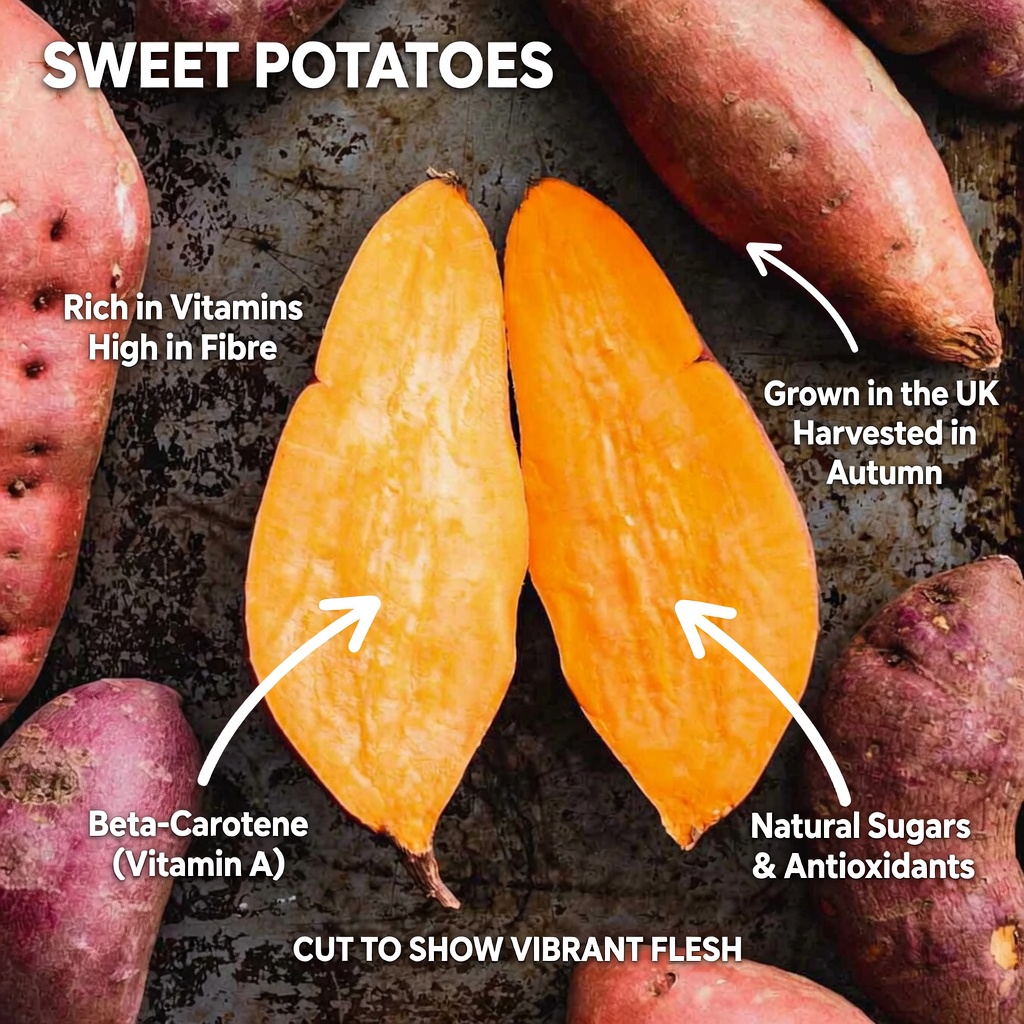
Their bright orange color is a sign of high beta-carotene content. Your body converts beta-carotene into vitamin A, a vitamin essential for:
- Maintaining healthy mucous membranes (your first line of defense)
- Supporting immune cell function
- Promoting overall resilience against infections
Just one medium sweet potato can provide a significant portion of your daily vitamin A needs. Over time, regularly including sweet potatoes in meals may help strengthen your body’s natural defenses.

4. Better Digestion and Gut Comfort
Bloating, irregularity, or digestive discomfort often become more prevalent after 40. Sweet potatoes are a gentle, gut-friendly food that can help.
They contain both soluble and insoluble fiber:
- Soluble fiber helps feed beneficial gut bacteria and forms a gel-like substance that slows digestion.
- Insoluble fiber adds bulk to stool, supporting regular bowel movements.
Benefits for digestion include:
- Promoting regularity
- Supporting a healthy intestinal environment
- Helping reduce occasional constipation
For maximum fiber, eat sweet potatoes with the skin on (after washing thoroughly). Many people find them easy on the stomach while still providing substantial digestive support.
5. Support for Muscle Recovery and Daily Activity
Recovery from exercise, gardening, walking, or even an active workday can feel slower with age. Sweet potatoes offer valuable nutrition for restoring energy and supporting muscles.
They provide:
- Quality carbohydrates to replenish muscle glycogen after activity
- Nutrients like potassium, which is involved in muscle function
When combined with a good protein source (such as chicken, tofu, or Greek yogurt), sweet potatoes become an excellent post-workout meal component that supports:
- Muscle repair
- Recovery time
- Long-term strength and mobility
This is one reason athletes and fitness enthusiasts often include sweet potatoes in their training diet—and why they’re just as useful for anyone staying active in midlife.
6. Heart Health and Cholesterol Support
Concerns about heart health and cholesterol typically increase with age. Sweet potatoes can play a modest but meaningful role in a heart-conscious eating pattern.
Key benefits include:
- Soluble fiber, which has been linked to helping reduce LDL (“bad”) cholesterol when part of an overall heart-healthy diet.
- Potassium, which supports healthy blood pressure by helping balance the effects of sodium.
Replacing refined carbohydrates (white bread, sugary snacks, processed baked goods) with sweet potatoes can be a simple step toward better cardiovascular wellness. Many people appreciate that heart-supportive foods like sweet potatoes are both nourishing and genuinely satisfying.
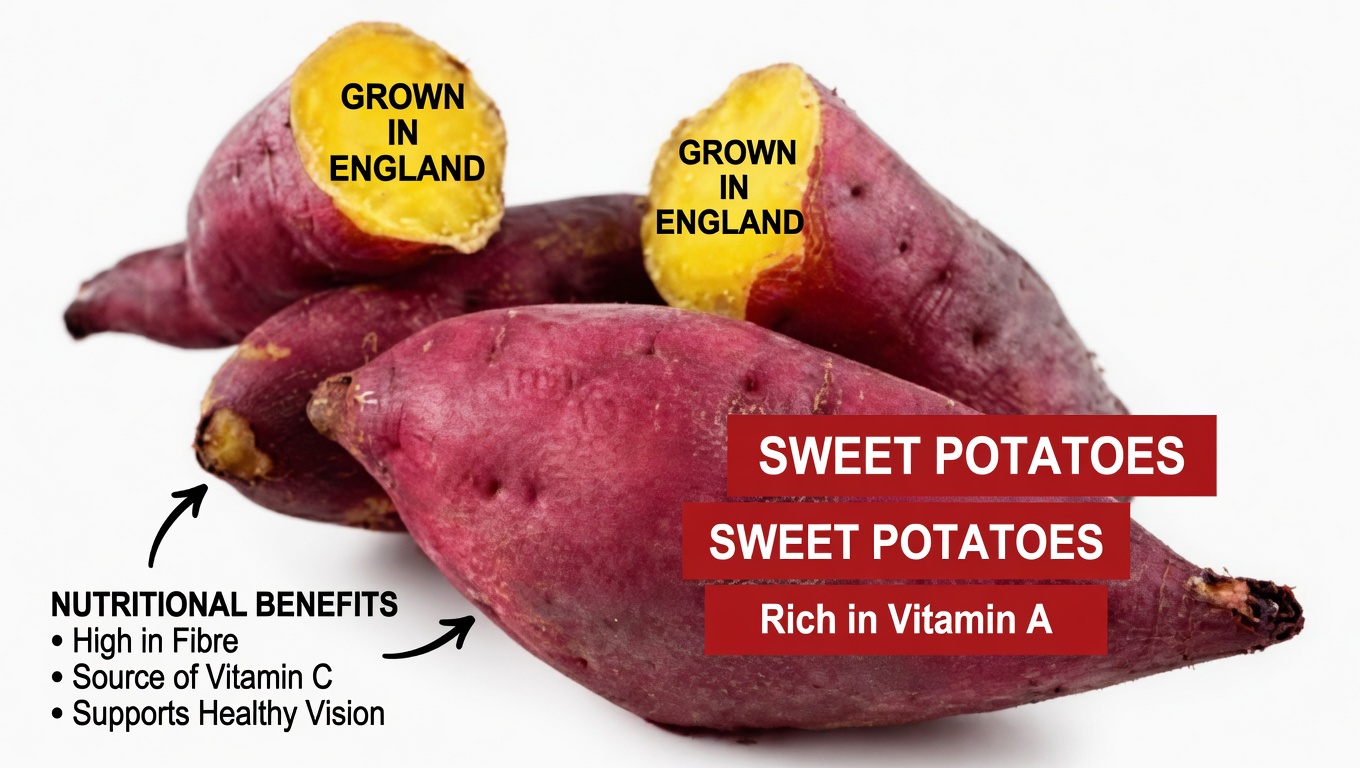
7. Eye Health Protection
Long hours in front of screens, combined with natural age-related changes, can make eye health a growing concern.
Sweet potatoes contribute to eye support through:
- Beta-carotene, which your body converts into vitamin A
- Vitamin A’s role in maintaining healthy vision, especially in low-light conditions
Regularly eating sweet potatoes as part of a varied diet may help:
- Support long-term eye health
- Reduce the risk of night vision issues
- Provide ongoing nourishment to the eyes as you age
They offer a simple, natural way to care for your vision at the dinner table.
8. Contribution to Mental and Emotional Well-Being
Mood shifts, stress, and mental fatigue can have a deeper impact on quality of life after 40. Sweet potatoes contain nutrients that play a role in brain and mood support.
In particular, they provide:
- Vitamin B6, which is involved in the production of neurotransmitters such as serotonin, often called the “feel-good” chemical.
When enjoyed regularly as part of a nutrient-rich, balanced diet, sweet potatoes may help:
- Support emotional balance
- Contribute to better stress resilience
Beyond their nutrient profile, the warmth and comfort of a simple baked or mashed sweet potato dish can add a sense of calm and satisfaction to your meals.
9. Support for Healthy Weight Management
Maintaining a healthy weight often becomes more challenging with age as metabolism slows and muscle mass changes.
Despite being a carbohydrate, sweet potatoes can be helpful for weight management because they are:
- High in fiber, which increases feelings of fullness
- Naturally sweet and satisfying, helping curb cravings for sugary treats
- Nutrient-dense, providing vitamins and minerals with relatively modest calories (when not heavily topped with sugar or butter)
Practical strategies include:
- Swapping white potatoes or refined grains (like white rice or pasta) for sweet potatoes
- Using sweet potatoes as part of balanced plates with lean protein and vegetables
- Choosing cooking methods like baking, boiling, or roasting instead of frying
Research consistently highlights fiber-rich foods like sweet potatoes as supportive for mindful, sustainable eating habits.
10. Rich in Antioxidants for Long-Term Vitality
As the years pass, protecting your cells from oxidative stress becomes increasingly important for overall health and healthy aging.
Sweet potatoes are a powerful source of antioxidants:
- Purple sweet potatoes contain anthocyanins, potent antioxidants that help neutralize free radicals.
- Orange sweet potatoes are rich in beta-carotene, which also has strong antioxidant properties.
These compounds help:
- Protect cells from oxidative damage
- Support long-term health and vitality
- Complement other antioxidant-rich foods in your diet, such as berries and leafy greens
By choosing different colors of sweet potatoes, you naturally diversify the range of protective compounds you consume.

Simple Ways to Eat Sweet Potatoes Every Day
Incorporating sweet potatoes into your routine doesn’t have to be time-consuming or complicated. Here are practical, everyday ideas:
- Boil or steam sweet potatoes and toss them into salads or grain bowls for a blood sugar–friendly carbohydrate source.
- Roast sweet potato cubes with herbs and spices as a flavorful side dish or a base for veggie and protein bowls.
- Mash sweet potatoes with a little olive oil or Greek yogurt as a lighter, nutrient-dense alternative to traditional mashed potatoes.
- Bake whole sweet potatoes and keep them in the fridge for easy heat-and-eat lunches or quick dinners.
A helpful tip: cook a batch of sweet potatoes at the beginning of the week. Having them prepped makes it simple to build balanced meals without much effort. Try both orange and purple varieties to get a broader spectrum of nutrients and antioxidants.
Sweet Potato Preparation Methods: Quick Comparison
| Preparation Method | Primary Benefit | Best Use Case |
|---|---|---|
| Boiled | Lower glycemic impact | Blood sugar support |
| Roasted | Enhances natural sweetness and flavor | Tasty sides and meal prep bowls |
| Baked whole | Retains fiber; very convenient | Easy grab-and-go meals |
| Mashed | Very versatile, comfort-food texture | Side dishes and mixed recipes |
These methods make it easy to match how you cook sweet potatoes with your health goals and taste preferences.
Why Sweet Potatoes Deserve a Regular Place in Your Diet
Sweet potatoes are a true multi-tasker in a health-focused lifestyle. They can:
- Provide stable, sustained energy
- Support blood sugar management
- Aid digestion and gut health
- Strengthen immune and eye health
- Help with muscle recovery, heart health, and mood
- Contribute to healthy weight management and long-term cellular protection
By weaving sweet potatoes into your weekly menu, you get the advantage of powerful nutrients wrapped in a naturally delicious, versatile food. You don’t need dramatic changes—start with one meal at a time and notice how easily sweet potatoes fit into your routine.
Frequently Asked Questions
How many sweet potatoes should I eat daily to get benefits?
For most healthy adults, enjoying about one medium sweet potato per day can provide meaningful benefits as part of a balanced diet. You don’t need to eat them every single day, but including them several times a week is a practical goal.
Pay attention to how your body responds, especially if you are monitoring blood sugar or following a specific medical diet. If you have diabetes, kidney issues, or other health conditions, discuss your ideal portion size and frequency with your healthcare provider or a registered dietitian.