
A Simple Olive Oil Ear Care Method Many People Use for Better Comfort
From time to time, many people experience a sense of fullness in the ears or notice that sounds seem slightly dull. Even simple activities like having a conversation or enjoying music can suddenly feel more difficult than usual. Although earwax plays an important protective role, too much buildup can lead to discomfort and muffled hearing.
A common home remedy that often comes up is olive oil. While it is not a magic solution, some people use it as a gentle way to support ear comfort and help soften wax naturally. Below, you’ll find the exact step-by-step method many try at home, along with key safety advice to keep in mind.
Why So Many People Try Olive Oil for Earwax Buildup
You may have come across this tip online or heard someone recommend placing a few drops of olive oil in the ear. It remains popular for a simple reason: it is affordable, easy to do, and uses something already found in many kitchens.
That said, olive oil should not be seen as a cure-all. It is better understood as a traditional approach that may help when earwax buildup causes a blocked, heavy, or muted feeling.
Earwax itself is not harmful. In fact, it helps protect the ears by trapping dust, reducing dryness, and defending against bacteria. Problems usually begin only when too much wax accumulates. In those situations, olive oil is often chosen because it is mild, natural, and familiar to many households. You also do not need specialized tools—just a careful method and a bit of patience.
How Olive Oil May Help the Ear Feel More Comfortable
Olive oil has a smooth, lubricating consistency that can soften dry or hardened earwax. Once the wax becomes softer, the ear may be able to move it outward more easily on its own. In simple terms, it acts somewhat like a moisturizer inside the ear canal.
Some people say their ears feel less clogged after using it, and everyday sounds seem clearer. This does not mean the oil permanently fixes the issue. Instead, it may support the ear’s natural self-cleaning process.
Another possible benefit is moisture. If your ear canals feel dry—perhaps due to climate, frequent earbud use, or general sensitivity—olive oil may provide soothing lubrication. Research on earwax care suggests that oils can help loosen wax, which may make later removal easier if needed.

A detail that surprises many people is how little oil is required. Four drops is commonly recommended because it is enough to coat the area without using too much.
Step-by-Step: How to Use 4 Drops of Olive Oil in the Ear Safely
If you want to try this method, it is important to do it carefully. Follow these steps to keep the process simple and low-risk.
-
Choose a good-quality olive oil
- Extra-virgin olive oil is often preferred because it is less processed and has a smooth texture.
-
Warm it slightly
- Put a small amount into a clean spoon or dropper bottle.
- Hold it in your hands for a minute or two until it feels close to body temperature.
- It should be warm, not hot.
-
Position yourself correctly
- Lie on your side with the affected ear facing upward.
- This helps the oil move gently into the ear canal.
-
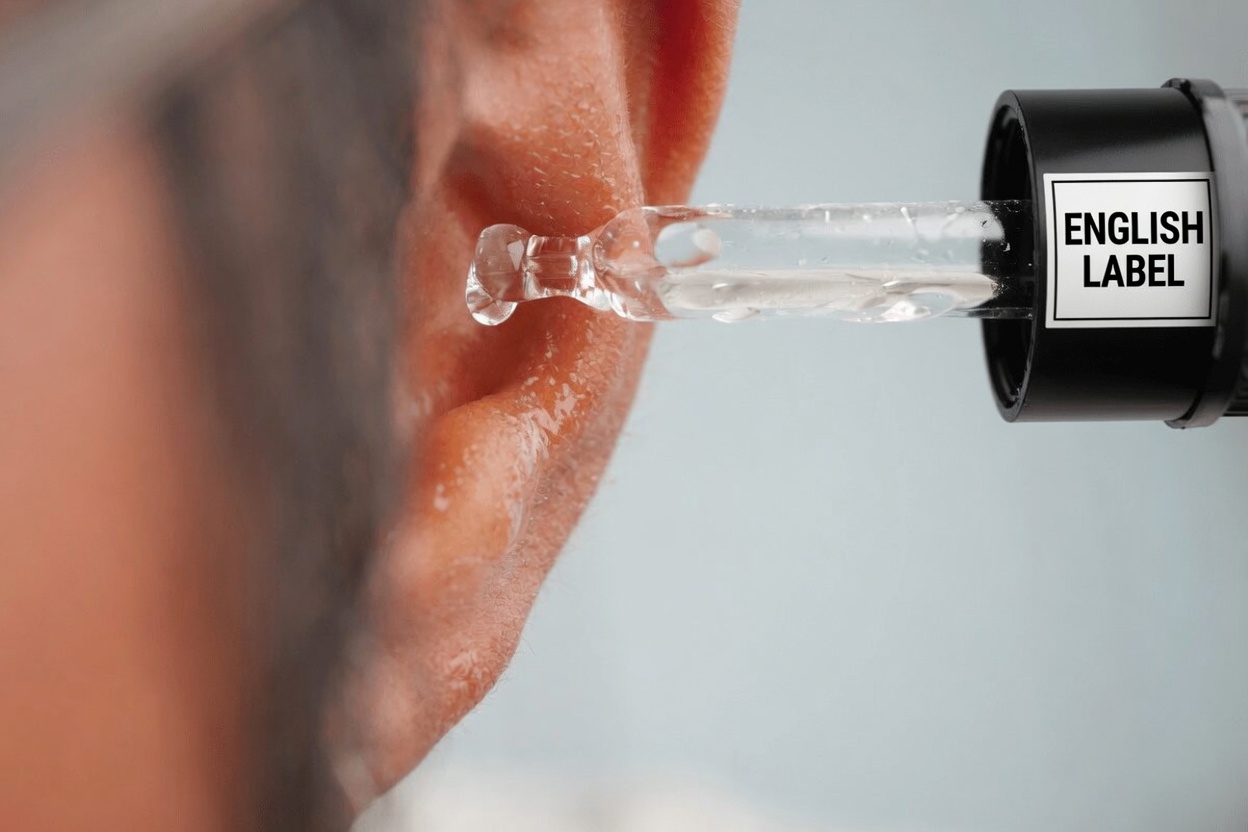
Apply 4 drops
- Use a clean dropper to place exactly four drops into the ear.
- Stay in the same position for about 5 to 10 minutes.
-
Let the excess drain
- Sit up slowly and allow any extra oil to come out onto a tissue.
- If needed, this can be repeated once or twice daily for a few days.
This approach is straightforward and does not require anything complicated. For many, that simplicity is part of the appeal.
What Medical Guidance and Research Suggest
Many people want to know whether this practice has any real support behind it. The reassuring news is that health organizations such as the NHS in the UK commonly mention olive oil drops as a first-step option for softening earwax before professional removal.
Studies on earwax management also indicate that oils can help loosen hardened wax. This may allow the ear to clear itself more effectively or make professional treatment easier later on.
Some general ear-care findings suggest that people who use oil drops occasionally may feel more comfortable than those who do nothing. However, results differ from person to person. Some notice improvement within a day or two, while others see only mild changes over several days.
The most important point is this: olive oil can be a supportive self-care tool, but it is not a replacement for medical treatment when treatment is needed.
Safety Tips to Know Before You Try It
Because the ears are sensitive, caution matters. Before using olive oil, keep these important points in mind:
-
Only try this if your ears seem otherwise healthy
- Do not use it if you have ear pain, discharge, or signs of infection.
-
Avoid it if you may have a damaged eardrum
- If you suspect a perforated eardrum or recently had ear surgery, do not use oil drops.
-
Stop if irritation occurs
- If the oil causes discomfort, worsening symptoms, or irritation, stop using it and contact a healthcare professional.
-
Keep everything clean
- Wash the dropper thoroughly before and after use to reduce the risk of introducing bacteria.
Following these precautions helps make the method safer and more comfortable for most people.
Everyday Ear Care Habits That Can Help
Olive oil is only one part of healthy ear care. A few everyday habits can also support comfort and reduce the chances of buildup becoming a frequent problem.
-
Dry the outside of your ears after bathing or swimming
- Gently pat the outer ear with a towel.
-
Use earbuds wisely
- Keep the volume reasonable and take regular breaks.
- Frequent use may contribute to dryness or compact wax deeper into the ear.
-
Consider professional cleaning if buildup is recurrent
- If earwax problems happen often, a yearly check or cleaning may help.
-
Support overall health
- Staying hydrated and eating foods rich in omega-3 fats may contribute to general ear wellness.
These small habits can make your ear-care routine more effective overall.
Final Thoughts: A Gentle Home Habit Worth Considering
Using four drops of olive oil in the ear is a simple practice that many people find easy to include in their routine. It is quick, inexpensive, and relies on a household ingredient that is already widely available. For some, it offers a gentle way to ease the discomfort linked to wax buildup and dryness.
The key is to remember that this method is meant to support the body’s natural processes, not replace professional care when symptoms persist or become severe.
If your ears occasionally feel blocked or uncomfortable, this may be a mild at-home option worth considering—provided you use it carefully and pay attention to safety.
FAQ: Common Questions About Olive Oil in the Ear
How often can I use olive oil drops safely?
Many people use olive oil once or twice a day for up to five days as a short-term measure. If you feel you need it longer than that, speak with a healthcare provider first.
Will olive oil completely remove earwax?
Not necessarily. It is mainly used to soften and loosen wax so the ear can clear it more naturally. It should be viewed as gentle support, not a full deep-cleaning method.
What if I do not notice any change?
That can happen. Everyone’s ears are different, and some cases of wax buildup need professional attention. If symptoms continue, it is best to consult a doctor or audiologist.
Disclaimer
This article is provided for informational purposes only and does not replace professional medical advice. Always speak with your healthcare provider before trying home remedies, especially if you have ear problems, a history of infections, or any concerns about your hearing.