
A Simple Chair Exercise to Support Leg Strength and Mobility After 60
As the years go by, especially after age 60, it is common to notice more stiffness or aches in the knees, hips, and lower back during normal daily activities. Getting up from a chair, walking through the house, or taking a short stroll may begin to feel harder than before. Over time, that discomfort can lead to moving less, which may affect both confidence and independence.
The good news is that gentle, low-impact movement can still be part of your day. In fact, many older adults are turning to chair exercises as a safe and practical way to stay active at home without placing too much stress on their joints. One of the most useful options is a simple seated leg exercise that helps strengthen the lower body and supports better mobility.
Why Chair Exercises Are Popular With Adults Over 60
Chair-based workouts are appealing because they make movement feel more manageable when long periods of standing or walking are not always comfortable. Exercising while seated can provide a greater sense of stability while still helping improve strength and flexibility.
Many professionals in physical therapy and geriatric care point out that regular seated exercise can help preserve muscle function as we age. Age-related muscle loss, often referred to as sarcopenia, is common, but consistent gentle activity may help the body stay stronger and more capable.
This is why seated leg exercises matter. They focus on key muscles such as the quadriceps, located at the front of the thighs. These muscles are essential for everyday actions like standing up, climbing steps, and walking with more ease.
What Is the Seated Straight Leg Raise?
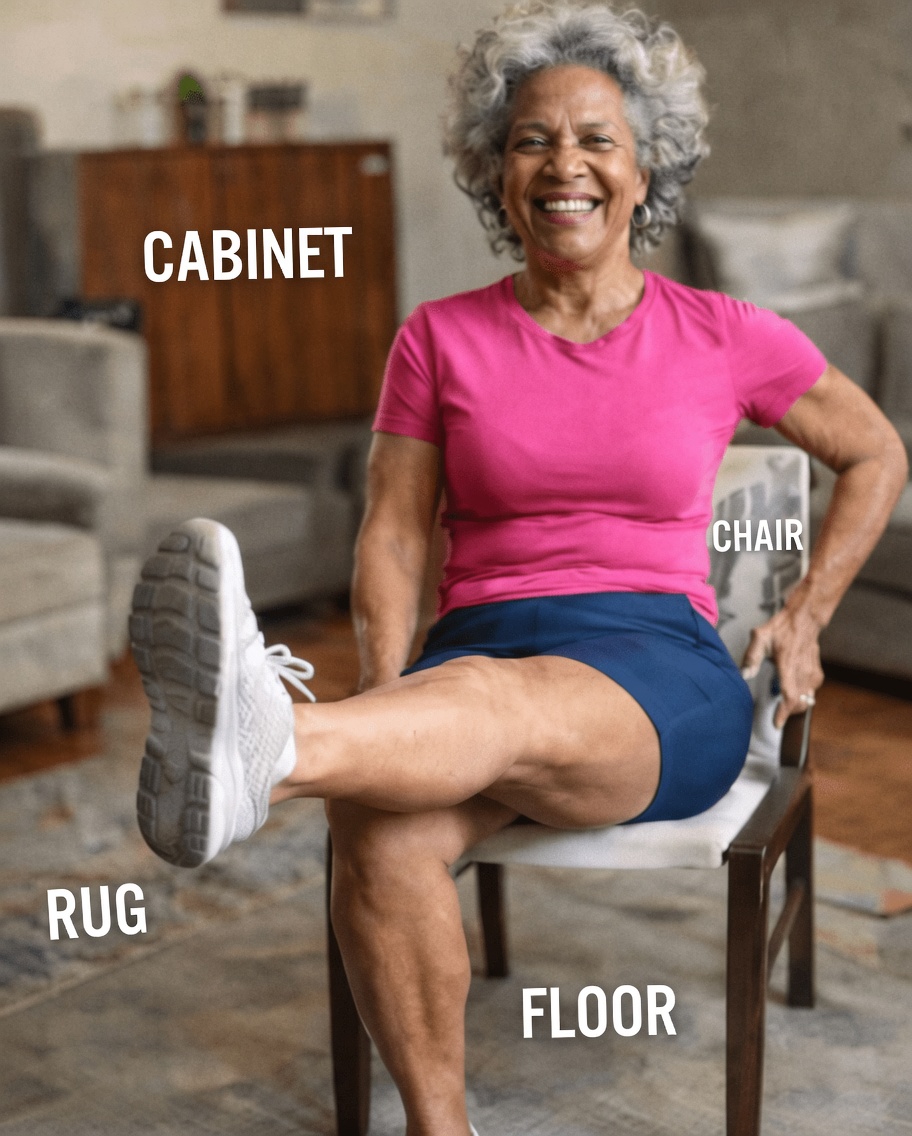
A widely recommended chair exercise for seniors is the seated straight leg raise, also known as a seated leg lift. The movement is simple: while sitting in a chair, you straighten one leg and lift it forward in a controlled way.
Its popularity comes from how easy it is to adapt. You do not need a gym membership or special equipment—just a solid chair and a little room to move.
Exercise science research has shown that resistance-style movements, even when performed in a seated position, can help older adults improve functional strength. Studies have also explored how regular lower-body strengthening supports better balance and walking ability.
That said, this exercise should not replace professional medical advice. Think of it as one useful part of a well-rounded active lifestyle.
How to Do the Seated Straight Leg Raise Safely
If you want to try this at home, follow these simple steps.
-
Set up properly
Sit near the front edge of a sturdy chair without wheels. A chair without arms may be ideal, but any stable chair works if you feel secure. Keep both feet flat on the floor and bend your knees to about 90 degrees. Sit tall with your back straight and your shoulders relaxed. If needed, lightly hold the sides of the chair for support. -
Gently engage your core
Take a slow breath in. As you breathe out, lightly tighten your stomach muscles to help keep your upper body steady. -
Lift one leg
Slowly straighten one leg and raise it in front of you. Keep the knee as straight as feels comfortable. Your toes can point upward or forward, depending on what feels best. Lift the leg to about the height of your opposite knee, or lower if that is more comfortable. -
Pause at the top
Hold the position for 2 to 3 seconds. You should feel the effort mainly in the front of your thigh. -
Lower slowly
Bring the leg back down with control. Bend the knee and return your foot to the floor without dropping it. -
Switch sides
Repeat the same motion with the other leg.
How many reps should you do?
- Start with 5 to 8 repetitions per leg
- Increase gradually as the movement becomes easier
- Aim for 2 to 3 sessions per week, unless your healthcare provider suggests something different
Always pay attention to how your body responds. If you feel sharp pain, stop immediately and speak with a qualified healthcare professional.
One of the best things about this exercise is how little time it takes. Once you learn the movement, you can easily fit it into your routine while drinking coffee, reading, or watching television.
Tips to Make This Chair Exercise More Effective
To get better results and stay comfortable, keep these tips in mind:
- Begin slowly if you are new to exercise
- Focus on good posture and control, not speed
- Breathe normally throughout the movement and avoid holding your breath
- Pair it with other gentle seated movements such as:
- ankle circles
- seated marches
- light arm raises
- Keep track of your sessions in a notebook or phone app to stay motivated
With regular practice, many people notice benefits such as:
- better leg muscle endurance for daily tasks
- improved support around the knees and hips
- easier movement during everyday activities
- more confidence from staying active in a manageable way
Seated Leg Raises vs. Walking
A common question is how chair exercises compare to walking. Walking is excellent for cardiovascular health, circulation, and overall wellness when it feels comfortable to do. At the same time, seated exercises offer an excellent alternative or addition, especially on days when walking is difficult.
Here is a quick comparison:
| Aspect | Walking | Seated Straight Leg Raise |
|---|---|---|
| Impact on joints | Moderate to higher | Very low |
| Convenience | Requires space outdoors or a treadmill | Can be done almost anywhere with a chair |
| Main focus | Cardio and full-body movement | Targeted leg strengthening |
| Accessibility | Depends on mobility level | Suitable for many seniors |
This does not mean one form of exercise is better than the other in every situation. For many older adults, combining both creates a more balanced routine.
How to Turn Seated Leg Raises Into a Daily Habit
The real value of this movement comes from doing it consistently. Because it is easy and requires no complicated setup, it can slide naturally into your daily schedule.
Try adding seated leg raises:
- during TV commercials
- while waiting for the kettle or coffee maker
- during a short break at home or at a desk
- after meals as part of a light movement routine
As you grow stronger, you can gently increase the challenge by:
- holding the leg up for 5 seconds instead of 2 to 3
- adding light ankle weights once the exercise feels easy
- increasing repetitions gradually
Before progressing, it is wise to check with your doctor or physical therapist, especially if you have joint issues, balance concerns, or other medical conditions.
Also remember the basics that support healthy aging:
- drink enough water
- wear comfortable clothing
- eat a balanced diet with enough protein and nutrients to support muscle health

Common Questions About This Chair Exercise for Seniors
How often should I do seated straight leg raises?
A good starting point is 2 to 3 times per week, with rest days in between so your muscles have time to recover.
What if I already have knee or hip stiffness?
This exercise can be a gentle option for many people. Keep the movement small if needed and only lift the leg within a comfortable range. If you feel sharp or worsening pain, stop right away.
Can chair exercises help support heart health?
This movement mainly targets leg strength, but staying active in any low-impact way can help circulation and mobility. When combined with healthy eating and other daily habits, chair exercises can fit well into a heart-conscious lifestyle.
Final Thoughts on Staying Active After 60
Adding a simple exercise like the seated straight leg raise to your routine can be an easy and low-pressure way to support strength and mobility after 60. It allows you to work on important leg muscles from the comfort of home, and many seniors appreciate how naturally it fits into daily life.
Everyone’s body is different, so choose a pace and range of motion that feels right for you. What matters most is continuing to move in ways that feel safe, realistic, and sustainable. Small, consistent efforts can go a long way toward helping you stay active and independent.