A Practical, Food-First Approach to Supporting Artery Health as You Age
As the years go by, it’s normal to think more about cardiovascular health—and the idea of clogged arteries can feel especially unsettling. Plaque buildup may develop quietly, yet it can increase the risk of heart problems, stroke, and day-to-day fatigue. That kind of uncertainty can turn meals into stressful choices, even though eating should be enjoyable.
The encouraging news: adding a few nutrient-dense, heart-supportive foods to your routine can help promote healthier circulation and overall artery function. Stay to the end for one simple daily habit that helps these choices work even better together.
Why Artery Health Deserves Your Attention
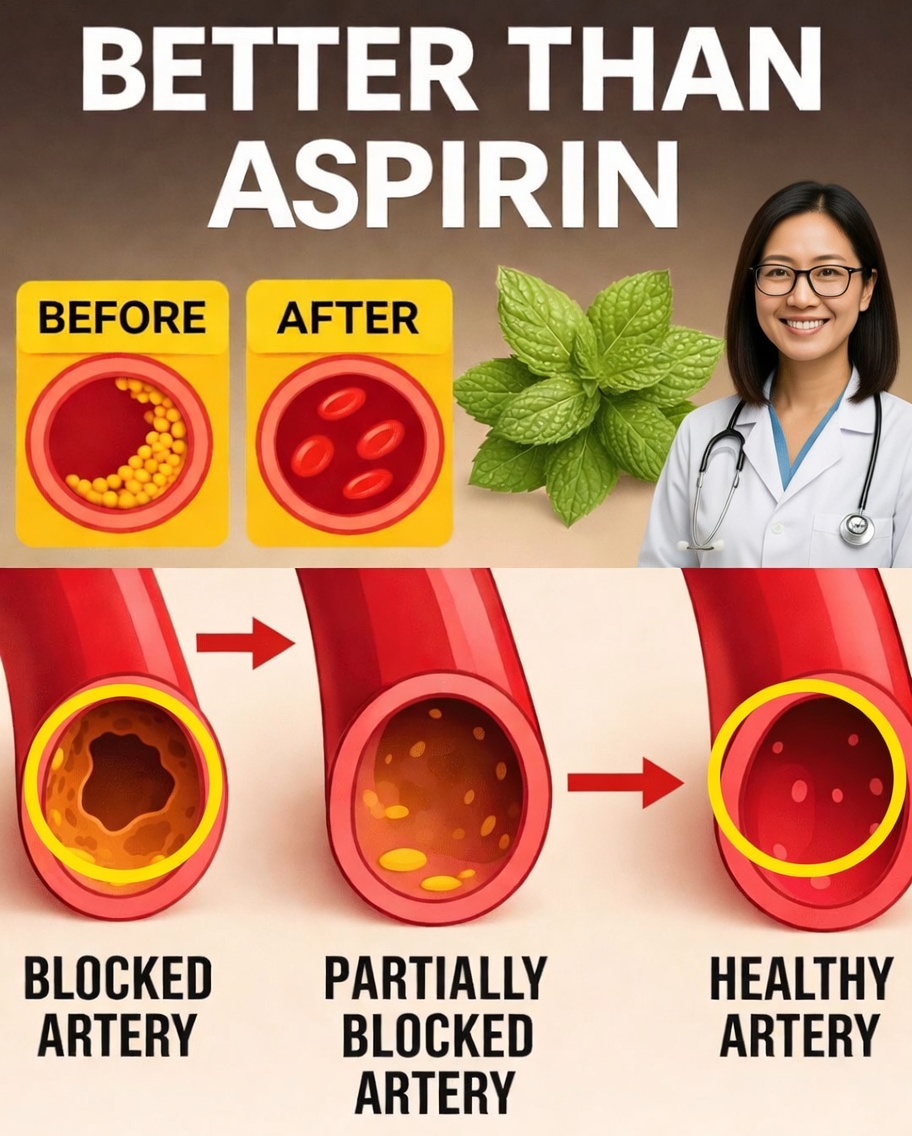
Atherosclerosis—often described as “clogged arteries”—happens when plaque accumulates along artery walls. Common contributors include a diet high in ultra-processed foods, low physical activity, chronic stress, and other lifestyle factors. Over time, narrowing vessels can restrict blood flow and raise the likelihood of serious cardiovascular events.
Organizations such as the American Heart Association consistently highlight that heart-healthy eating patterns can meaningfully reduce risk factors. Just as importantly, making steady, realistic changes can replace worry with a sense of control—because artery support isn’t about perfection; it’s about consistency.
Harvard Health and other research-focused sources also note that diets rich in plant compounds (including flavonoids) are associated with better vascular outcomes and lower plaque risk in key arteries.

Garlic: A Simple, Powerful Addition for Circulation Support
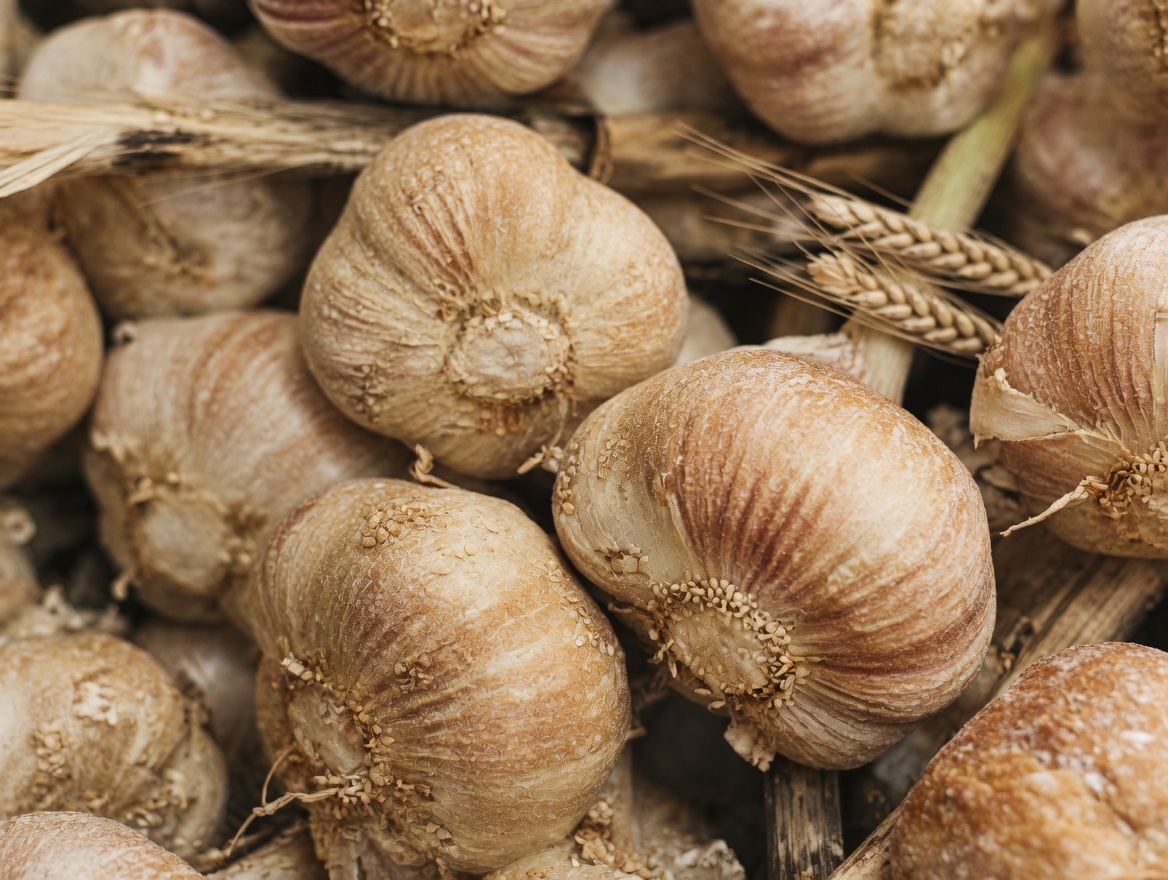
Garlic is widely recognized as a supportive food for artery health thanks to sulfur-containing compounds like allicin. These compounds are associated with maintaining healthy blood pressure, supporting healthier cholesterol levels, and promoting better blood flow—factors closely linked to plaque development.
Beyond the science, garlic is practical: it’s inexpensive, flavorful, and easy to use daily. Research suggests regular garlic intake may help reduce oxidative processes involved in plaque formation, including LDL oxidation.
Easy ways to use garlic more often
- Crush or chop fresh garlic and let it sit for about 10 minutes before cooking (this helps activate allicin-related compounds).
- Stir into soups, sauces, roasted vegetables, or grain bowls.
- Mix into olive-oil-based dressings or dips for a simple daily boost.
Extra Virgin Olive Oil: Mediterranean “Liquid Gold” for Your Arteries
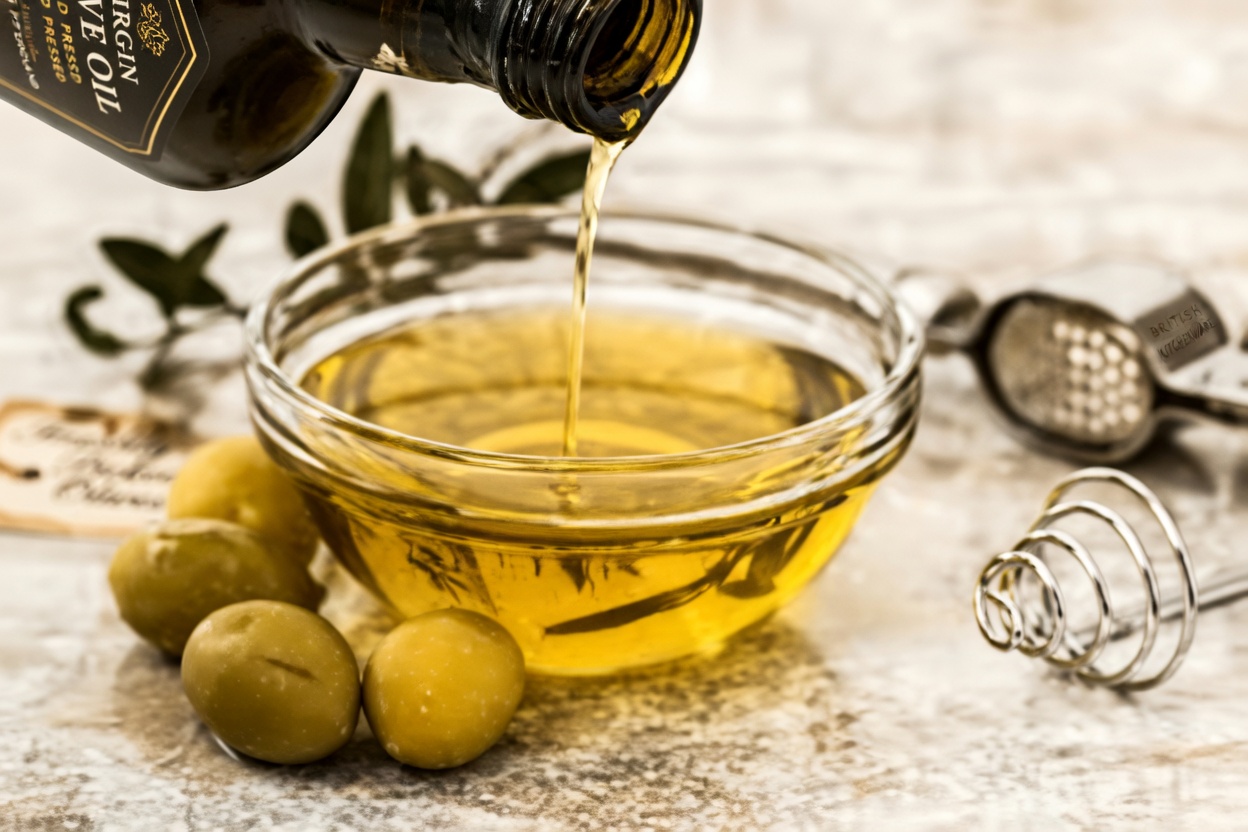
Extra virgin olive oil (EVOO) is a cornerstone of Mediterranean-style eating and a top choice for supporting heart and artery health. It provides monounsaturated fats and protective plant compounds (including polyphenols) that help calm inflammation and support healthier lipid balance.
The Mayo Clinic and other trusted health sources commonly include olive oil in heart-focused dietary guidance, particularly for its role in supporting healthier LDL (“bad”) cholesterol levels.
How to get the most out of EVOO
- Use it as a finishing oil over vegetables, beans, or fish.
- Choose low-to-medium heat cooking when possible.
- Swap creamy dressings or butter-heavy sauces for olive-oil-based alternatives.
Berries: Antioxidant-Rich Support in a Naturally Sweet Package
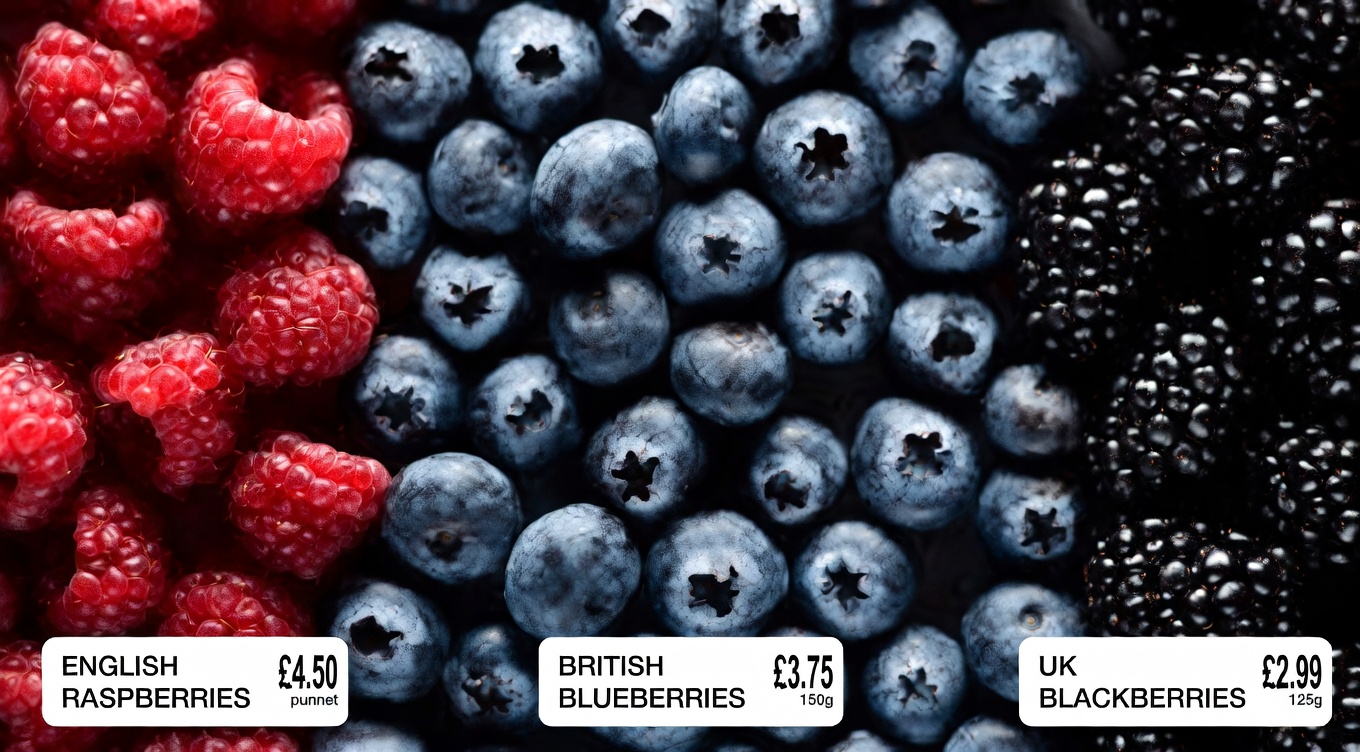
Berries—such as blueberries, strawberries, and raspberries—deliver fiber, antioxidants, and flavonoids that support healthier blood vessels and help manage inflammation. Studies frequently link higher flavonoid intake with improved vascular function and a reduced likelihood of plaque-related issues.
If you worry about losing energy or stamina, berries are a simple, enjoyable upgrade: they’re sweet, easy to portion, and fit into breakfast, snacks, or dessert.
Simple berry habits that stick
- Add a handful to yogurt, oatmeal, or smoothies.
- Keep frozen berries on hand for convenience and year-round use.
- Pair berries with nuts or seeds for a more filling, blood-sugar-friendly snack.
Leafy Greens: Daily Nutrients That Help Keep Vessels Flexible
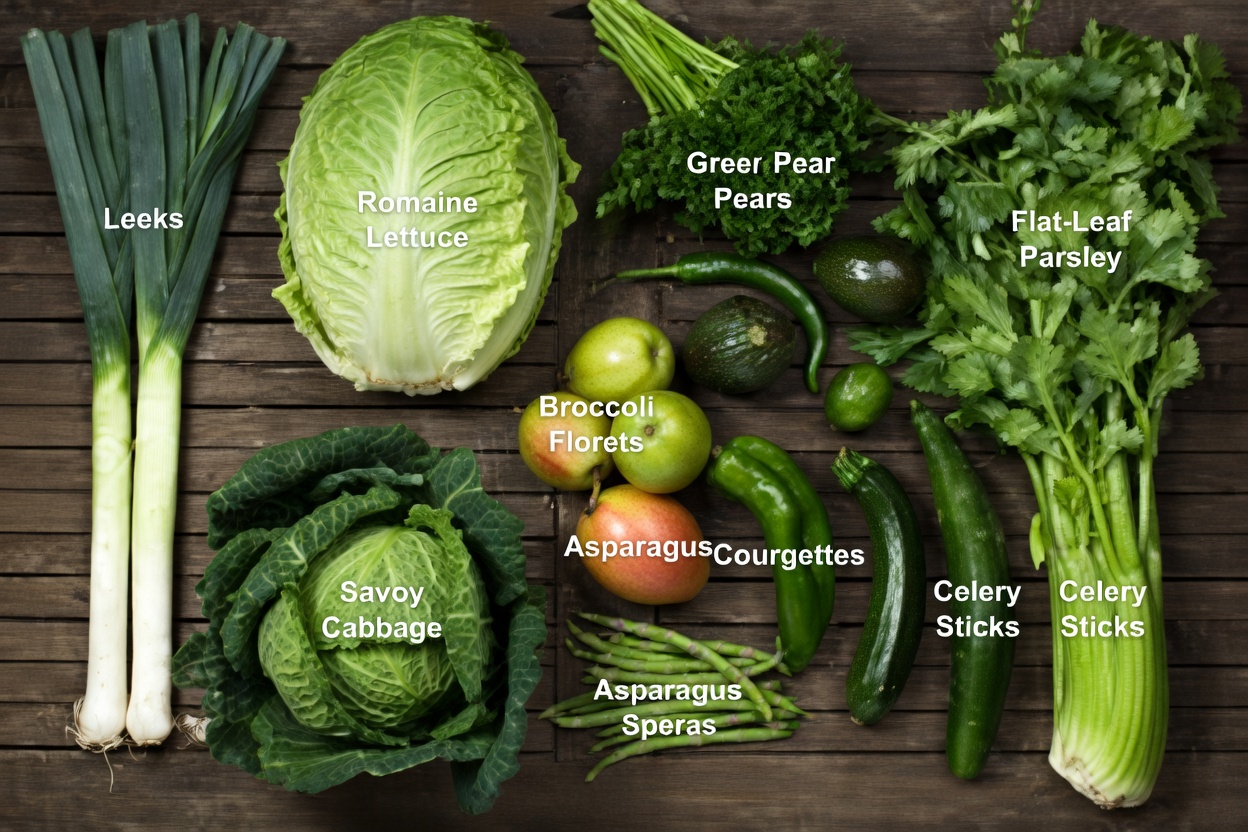
Leafy greens like spinach, kale, arugula, and Swiss chard are packed with fiber, potassium, antioxidants, and naturally occurring nitrates, which support healthy blood flow and vessel function. Many heart-health recommendations, including guidance aligned with the American Heart Association, emphasize vegetables—especially leafy greens—as a reliable foundation for cardiovascular wellness.
Fast ways to eat more greens
- Use greens as a salad base and rotate toppings for variety.
- Add a handful to smoothies (spinach blends especially well).
- Lightly sauté or steam greens to keep texture pleasant while preserving nutrients.
Nuts and Seeds: Crunchy Fats That Support Cholesterol and Inflammation
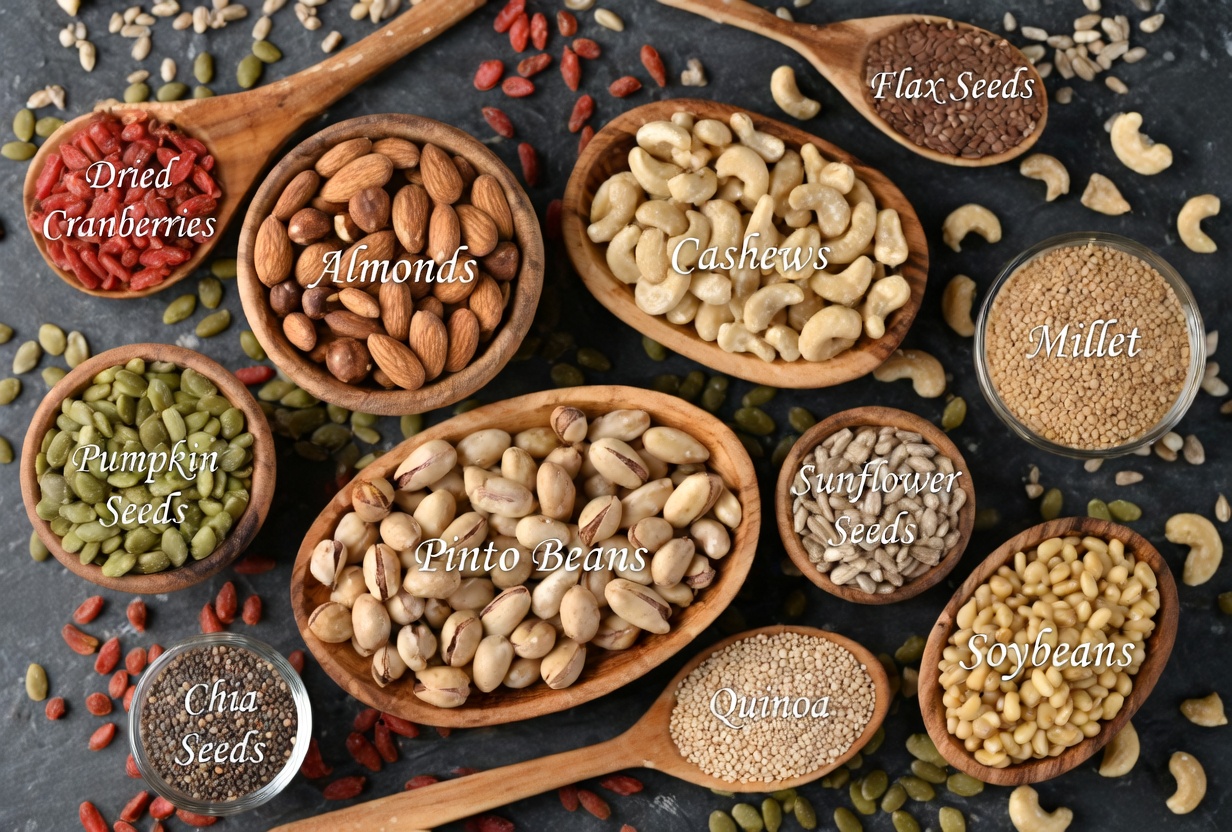
Almonds, walnuts, chia seeds, flaxseeds, and similar options provide healthy fats, magnesium, fiber, and (in some varieties) omega-3 fatty acids. Research often associates nuts and seeds with improved cholesterol patterns and better markers related to heart health.
They also make cardiovascular support feel more doable—because they’re portable, satisfying, and easy to add without changing your entire diet.
Best practices for nuts and seeds
- Aim for a small handful of unsalted nuts as a snack.
- Sprinkle chia or ground flax into yogurt, oatmeal, or smoothies.
- Use walnuts in salads for extra crunch and heart-friendly fats.
Fatty Fish: Omega-3 Support for Triglycerides and Vessel Health
Salmon, sardines, mackerel, and trout are rich in omega-3 fatty acids, which are linked to healthier triglyceride levels and reduced inflammatory activity. Institutions like Johns Hopkins and the American Heart Association commonly recommend fatty fish as part of a heart-supportive plan, with research suggesting omega-3s may help slow processes involved in plaque progression.
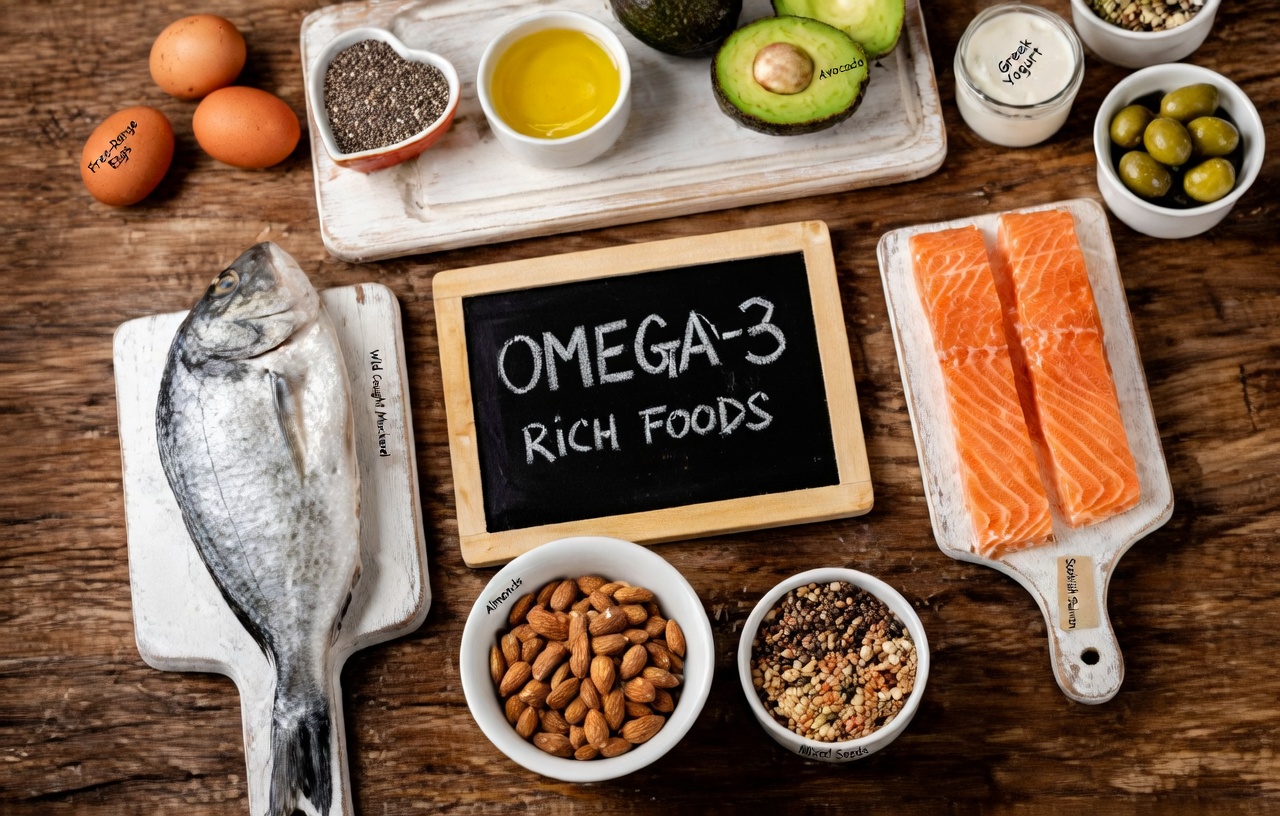
How to make fatty fish easier to eat regularly
- Aim for two servings per week.
- Bake, grill, or air-fry instead of deep-frying.
- Keep canned sardines or salmon for quick, budget-friendly meals.
Quick Reference: Foods That Support Artery Health
| Food | How it may help arteries | Easy way to use it |
|---|---|---|
| Garlic | Supports circulation and healthier blood pressure/cholesterol patterns | Add to soups, stir-fries, dressings |
| Extra virgin olive oil | Helps reduce inflammation and supports healthier cholesterol | Drizzle on vegetables or salads |
| Berries | Antioxidants + flavonoids support vessel function | Mix into smoothies or yogurt |
| Leafy greens | Nitrates + potassium support vessel flexibility | Build salads, sauté as a side |
| Nuts and seeds | Healthy fats + fiber support lipids and inflammation | Snack portion or sprinkle on bowls |
| Fatty fish | Omega-3s support triglycerides and vascular health | Bake/grill twice weekly |
Actionable Tips to Add These Foods Without Overhauling Your Life
-
Use the “one upgrade per meal” rule
Add just one supportive item each time you eat (berries at breakfast, greens at lunch, olive oil at dinner). -
Prep for convenience
- Wash and portion greens
- Keep frozen berries
- Store nuts in single-serving containers
-
Choose swaps that don’t feel restrictive
- Olive oil instead of heavy sauces
- Nuts instead of chips
- Garlic-forward seasoning instead of excess salt
-
Keep portions realistic
Consistency beats intensity. A small daily serving is more useful than occasional extremes.
The Simple Daily Habit That Ties It All Together
After your main meal of the day, take a 10-minute easy walk.
This one habit supports artery-friendly eating in a practical way by helping with post-meal blood sugar control, circulation, and overall cardiovascular conditioning—without requiring a gym or complicated schedule. Pairing a heart-supportive plate with a short walk is one of the simplest “stacked” routines you can maintain long term.
A quick note on safety
If you take blood thinners, have a bleeding disorder, or are preparing for surgery, talk with a clinician about higher intakes of garlic or omega-3 supplements. Foods are generally safe for most people, but personal medical guidance matters.