
Staying Strong After 50: 7 Everyday Foods That Support Muscle Health
In your 50s and beyond, it’s common to feel everyday movements becoming more demanding—climbing stairs, lifting grocery bags, or standing up from a chair may take noticeably more effort. This can be discouraging, especially when it raises worries about energy, mobility, and long-term independence. Often, the cause is a normal age-related decline in muscle mass and strength, which can make staying active feel harder than it used to.
The good news: you don’t need exotic supplements to support muscle health after 50. Research-backed, nutrient-dense foods—used consistently—can help maintain muscle function and make daily life feel more manageable. Below are seven practical options, plus a simple strategy at the end to get more value from them.

Why Muscle Health Becomes More Important After Age 50
Muscles are essential for balance, stability, movement, and overall vitality. After 50, several factors can push muscle strength in the wrong direction, including reduced activity, changes in hormone levels, and a slower or less efficient response to dietary protein.
Studies suggest that adequate daily protein—along with key nutrients like leucine, omega-3 fatty acids, and magnesium—plays an important role in maintaining muscle tissue in older adults. Many experts and research findings point to a helpful target of roughly 1.0–1.2 grams of protein per kilogram of body weight per day, ideally spread across meals rather than concentrated in one sitting.
What matters most is consistency: small, realistic food upgrades over time can significantly support how strong, stable, and capable you feel.
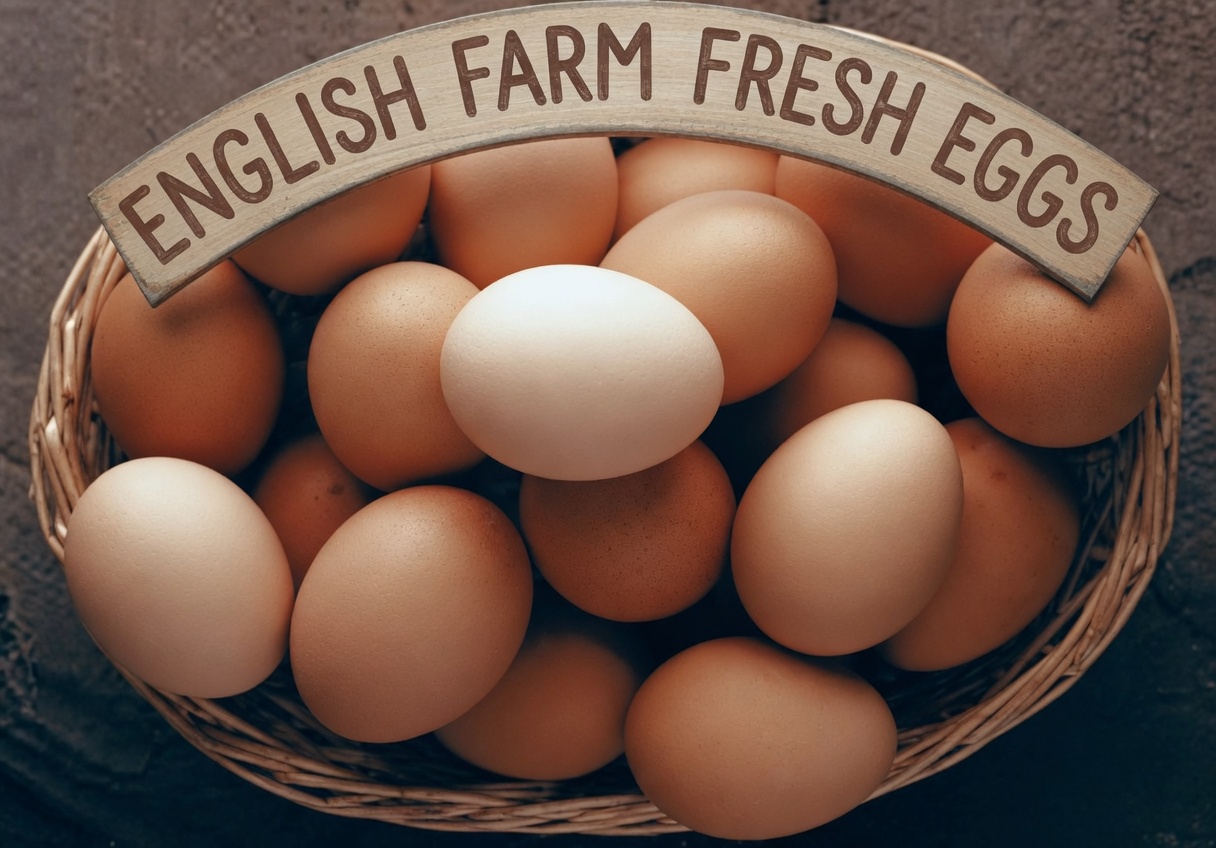
1) Eggs: High-Quality Protein With Leucine
Eggs are an easy, affordable way to raise protein intake without complicated meal prep. One large egg contains about 6 grams of high-quality protein, including leucine, an amino acid closely linked in research to muscle protein building—especially relevant as the body becomes less responsive to protein with age.
Simple ways to use eggs:
- Add eggs to breakfast (boiled, scrambled, or omelet-style)
- Slice boiled eggs into salads or grain bowls
- Make a quick egg-and-spinach skillet
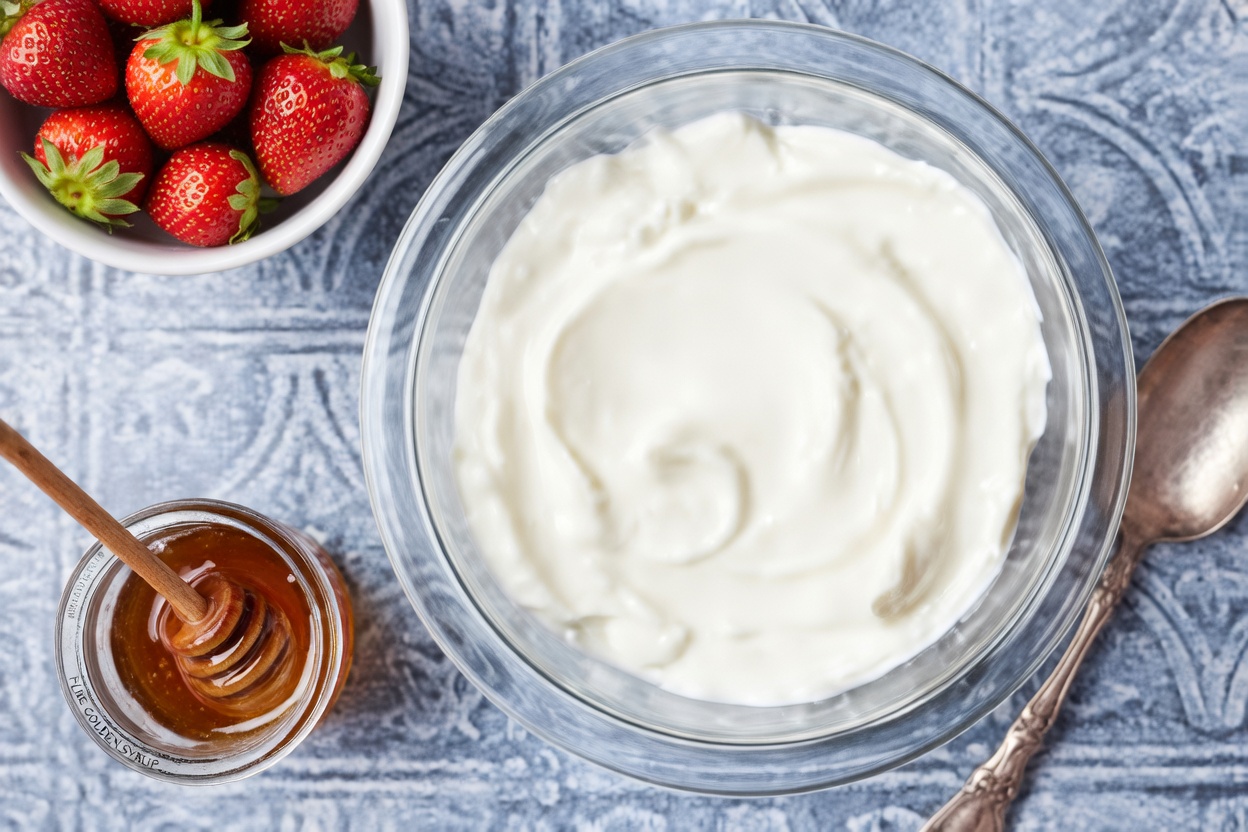
2) Greek Yogurt: Protein-Dense and Gut-Friendly
Greek yogurt is a standout food for protein for seniors because it can provide up to 20 grams of protein per cup, supporting muscle repair and maintenance. It also contains probiotics, which may support digestion and nutrient absorption—useful for people who notice digestive changes as they get older.
Best choice: plain, unsweetened Greek yogurt (you control the sweetness with fruit).
Easy idea: Greek yogurt + berries (and a sprinkle of almonds) makes a satisfying, high-protein snack.
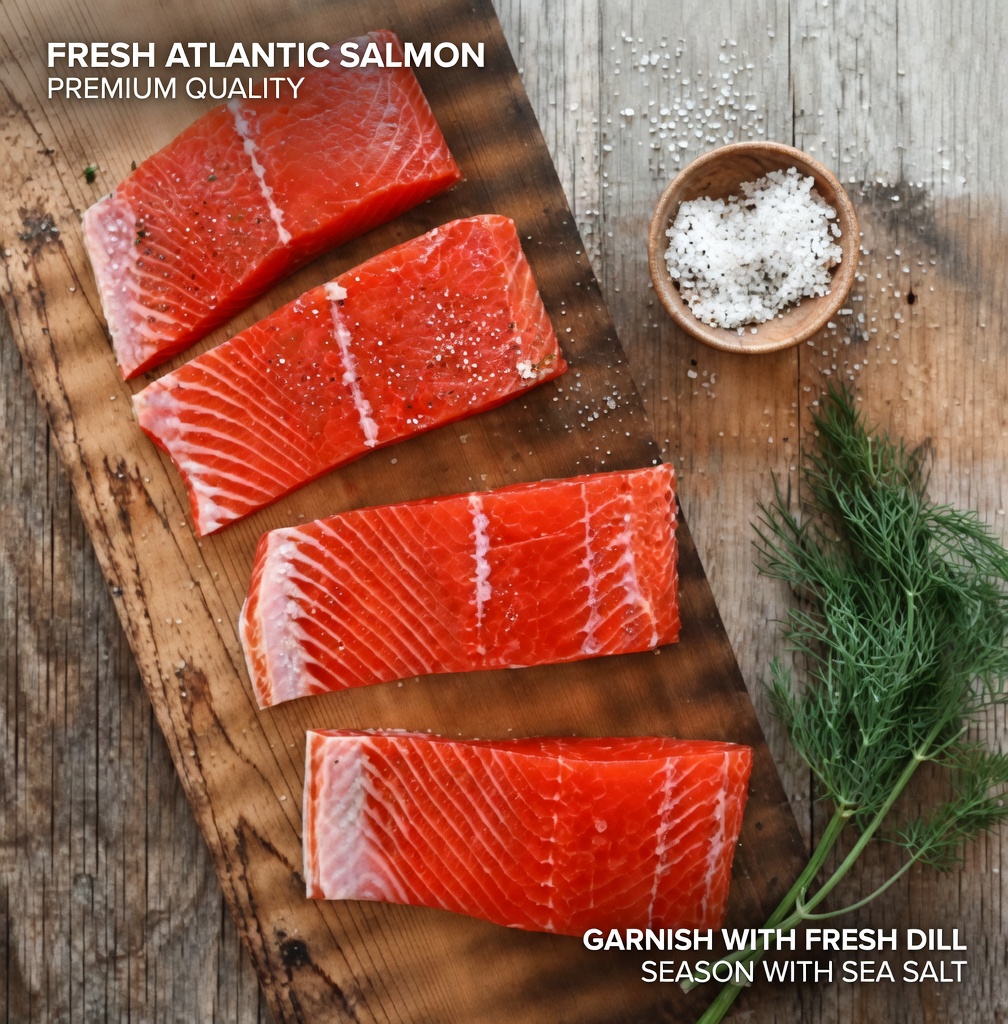
3) Wild Salmon: Omega-3s + Lean Protein in One Meal
Wild salmon offers roughly 25 grams of protein per 100 grams, plus omega-3 fatty acids. Research links omega-3s with lower inflammation and potential improvements in muscle function in older adults—helpful if you deal with stiffness, soreness, or slower recovery.
It’s also a heart-smart protein choice, making it a strong option for overall healthy aging.
How often: aim for 2–3 servings per week.
Simple prep: bake or grill with herbs, lemon, and olive oil.
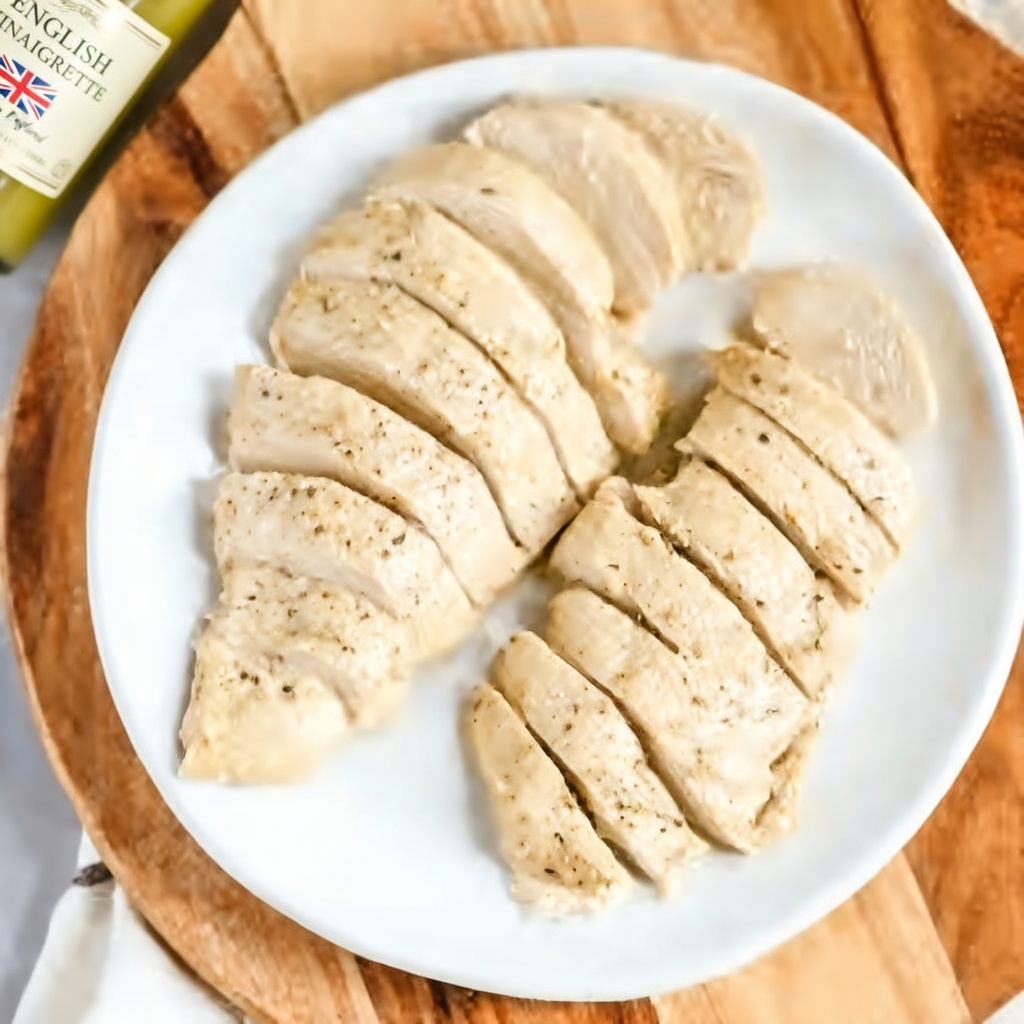
4) Chicken Breast: Lean, Reliable Protein for Muscle Maintenance
Chicken breast is one of the most efficient ways to raise daily protein. It delivers about 31 grams of protein per 100 grams, providing a dense supply of amino acids that support muscle repair and help meet increased protein needs with age.
Because it’s versatile and relatively low in fat, it’s easy to use repeatedly without getting bored.
Time-saving tip: cook a batch ahead and use it in:
- Salads
- Wraps
- Stir-fries
- Soup add-ins
5) Quinoa: A Complete Plant Protein With Magnesium
Quinoa is one of the rare plant foods that contains all essential amino acids, making it a “complete” protein—helpful for plant-forward eaters focused on strength and function. One cooked cup has about 8 grams of protein, plus magnesium, a mineral involved in muscle function and relaxation (often relevant for cramps, tension, or fatigue).
Try it like this:
- Swap quinoa for rice a few times a week
- Mix into salads with spinach and chicken
- Use as a base for roasted vegetables and eggs
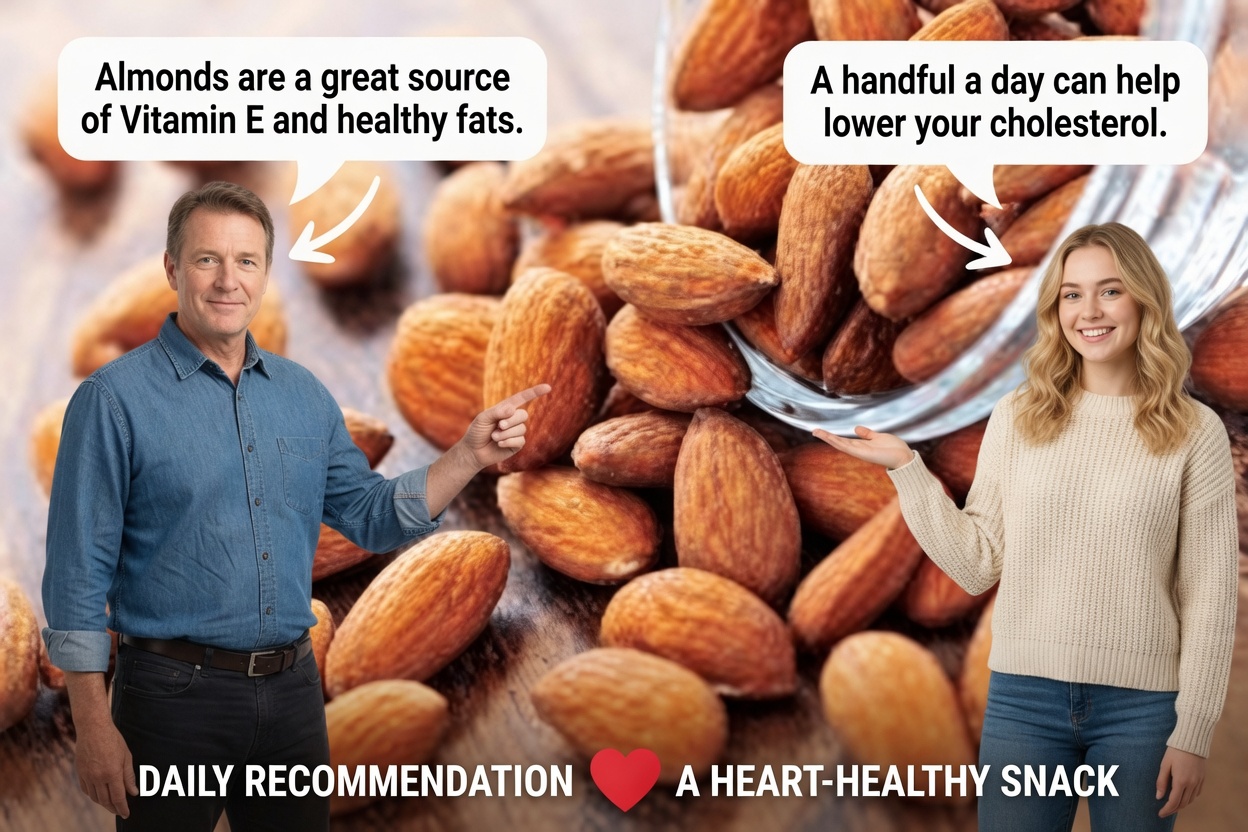
6) Almonds: Magnesium, Healthy Fats, and Convenient Protein
A small handful of almonds (about 1 ounce) provides roughly 6 grams of protein, along with magnesium (important for muscle contraction) and vitamin E, an antioxidant that helps protect cells from oxidative stress over time. Research often associates nut intake with healthier aging outcomes, including physical function.
Practical snack pairing:
- Almonds + an apple or berries for steady energy
7) Spinach: Nitrate-Rich Greens for Muscle Efficiency
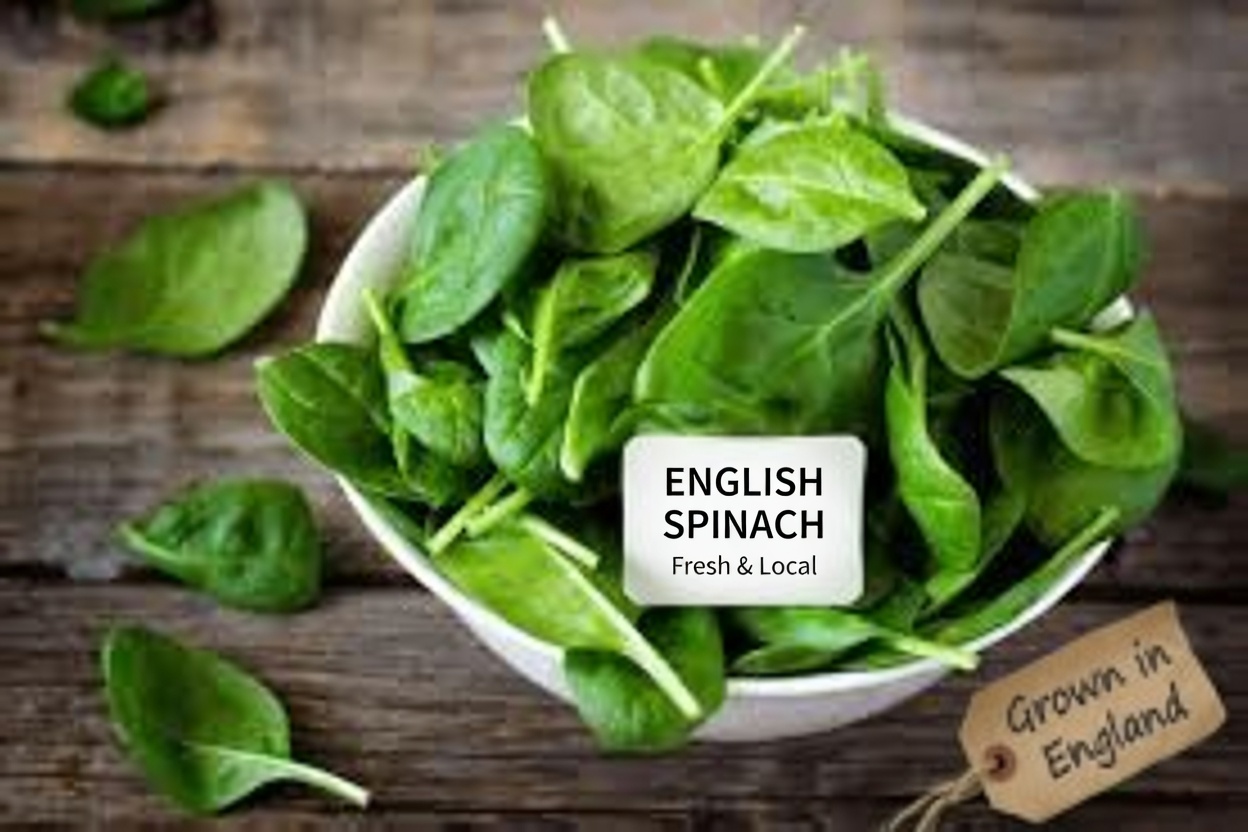
Spinach supports muscle performance in a different way than protein-heavy foods. It contains nitrates, which research suggests may improve blood flow and muscle efficiency. It also provides antioxidants and a modest amount of protein—about 5 grams per cooked cup—with very few calories.
Daily ways to add spinach:
- Toss into scrambled eggs
- Blend into smoothies
- Use as a salad base or side green
Quick Protein Comparison Table
Here’s a clear snapshot of how these foods compare for protein and key supportive nutrients:
| Food | Protein per Serving (approx.) | Key Supporting Nutrient | Everyday Benefit |
|---|---|---|---|
| Eggs (2 whole) | 12g | Leucine | Fast, flexible protein boost |
| Greek yogurt (1 cup) | 20g | Probiotics | High-protein, gut-friendly snack |
| Wild salmon (100g) | 25g | Omega-3s | Supports recovery and inflammation control |
| Chicken breast (100g) | 31g | High-quality amino acids | Easy base for many meals |
| Quinoa (1 cooked cup) | 8g | Magnesium | Complete plant protein option |
| Almonds (1 oz) | 6g | Magnesium + Vitamin E | Convenient, nutrient-dense snack |
| Spinach (1 cooked cup) | ~5g (plus nitrates) | Nitrates | Easy add-in for daily support |
Sample Daily Meal Ideas (To Spread Protein Across the Day)
Spacing protein across meals may improve how well your body uses it—especially after 50.
- Breakfast: Greek yogurt with berries and almonds (about 28g protein)
- Lunch: Quinoa salad with spinach, chicken breast, and a boiled egg (about 40g protein)
- Dinner: Baked salmon with extra greens (about 45g protein)
- Snack: A hard-boiled egg or a small bowl of Greek yogurt (about 10–15g protein)
Extra advantage: pairing these foods with light daily movement—such as walking, resistance bands, or gentle strength exercises—often enhances muscle-related benefits.
Practical Tips to Add These Foods Without Overhauling Your Life
Small, repeatable habits usually beat big changes that don’t last.
- Set a realistic protein target: use 1.0–1.2 g/kg body weight/day as a research-informed guide
- Build balanced meals: aim for 25–30g protein at main meals when possible
- Rotate protein sources: mix animal and plant options to widen nutrient coverage
- Add one change per week: for example, eggs this week, salmon next week—progress without pressure
Conclusion: Small Food Choices, Long-Term Strength
These seven everyday foods offer a practical, research-supported way to support muscle strength after 50. By prioritizing protein-rich meals, including key nutrients like omega-3s and magnesium, and paying attention to consistency, you can take meaningful steps toward staying active, capable, and independent for years to come.
Frequently Asked Questions
How much protein should adults over 50 aim for each day?
Many studies suggest about 1.0–1.2 grams of protein per kilogram of body weight per day for healthy older adults, typically higher than general minimum recommendations to support muscle maintenance during aging.
Will these foods help if I don’t exercise?
They provide important building blocks that support muscle, but results are usually better when combined with regular movement—especially walking and basic strength work.
Is increasing protein ever a concern?
For most healthy adults, moderate protein increases are well-tolerated. However, people with kidney disease or other medical conditions should speak with a qualified clinician for personalized guidance before making major dietary changes.