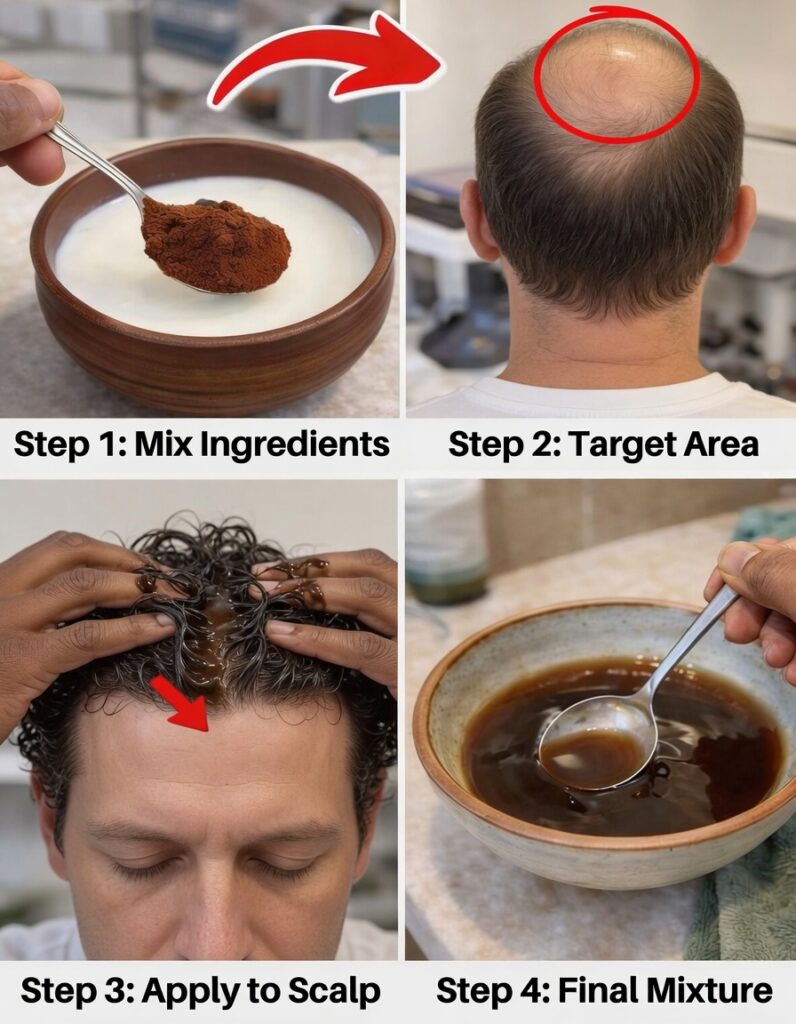
Many people start to notice thinner, less voluminous hair over time—often in their 30s, 40s, and beyond. Stress, hormonal shifts, aging, and everyday routines can all contribute to lower density. You might see a wider part, a smaller ponytail, or more strands collecting in the shower drain. Because these changes can affect confidence and daily styling habits, it’s natural to look for ways to support fuller-looking hair without relying on costly treatments.
The encouraging part is that simple pantry staples—like coffee grounds—may offer an affordable, gentle addition to your routine. When blended into shampoo and used consistently, many people report a fresher-feeling scalp, more shine, and hair that appears thicker. Below, you’ll learn why this trend exists, how caffeine may help, and two practical coffee-infused methods to try safely.
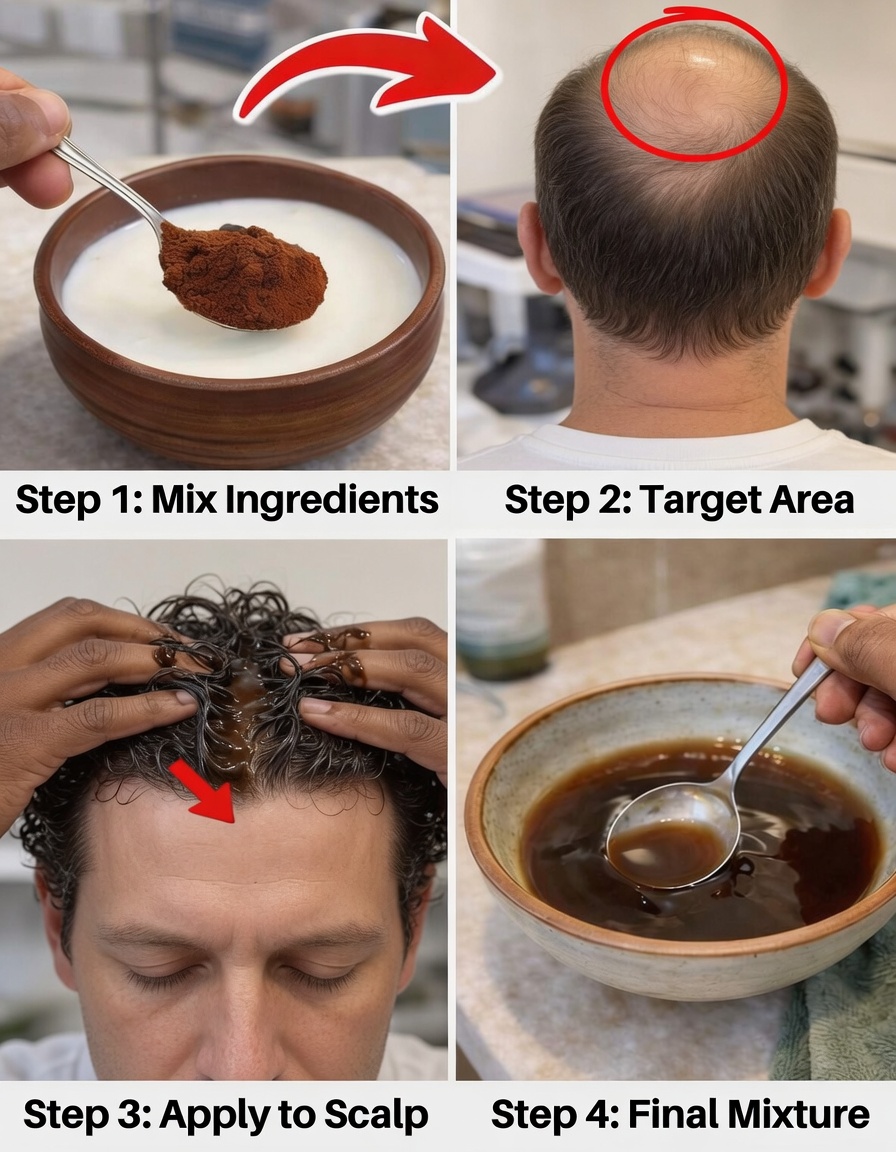
Why Hair Often Looks Thinner as You Age
Hair grows in a repeating cycle:
- Anagen (growth phase)
- Catagen (transition phase)
- Telogen (resting and shedding phase)
With age—or under ongoing stress—more follicles may spend longer in the shedding phase, and new strands may come in finer than before. In addition, factors such as scalp inflammation, reduced circulation, or weaker nutrient delivery can influence how dense and healthy hair appears.
Many people reach for commercial solutions first, but some natural topical ingredients have been studied for their ability to influence circulation and follicle activity—especially when paired with regular scalp massage.
How Caffeine in Coffee May Support Hair Appearance
Caffeine is the best-known active compound in coffee, and it has been explored in hair-focused research. Findings reported in scientific journals (including International Journal of Dermatology and Skin Pharmacology and Physiology) suggest that topical caffeine may:
- Help support a longer growth phase of hair follicles
- Reduce the impact of certain hormones associated with common thinning patterns (in research settings)
- Encourage microcirculation around follicles
This is not a guaranteed fix, but it helps explain why coffee-based hair care has become popular in DIY routines. Think of it as supportive scalp care, not a medical treatment.
Two Simple Coffee-Infused Shampoo Options
These ideas are designed to be easy, low-cost, and focused on one key habit that matters: massaging the scalp to improve contact and circulation.
Recipe 1: Coffee + Castor Oil Shampoo Booster
Castor oil is widely used in hair care for its moisturizing qualities. Its high content of ricinoleic acid may help calm dryness and support a comfortable scalp environment.
Ingredients (one use)
- 2 tbsp of your regular shampoo (a sulfate-free shampoo is a good option)
- 1 tbsp finely ground coffee (fresh or used grounds)
- 1 tbsp cold-pressed castor oil
Directions
- Stir everything together in a small bowl until evenly blended.
- Fully wet your hair.
- Apply like normal shampoo and massage the scalp firmly for 2–3 minutes.
- Rinse very well (grounds can cling if you rush).
- Use 2–4 times per week instead of your regular shampoo.
Tip: Coffee can leave a faint tint on lighter shades. Test on a small section first, especially if your hair is blonde, light brown, or color-treated.
Some people report a mild tingling sensation during the massage, often associated with increased circulation.
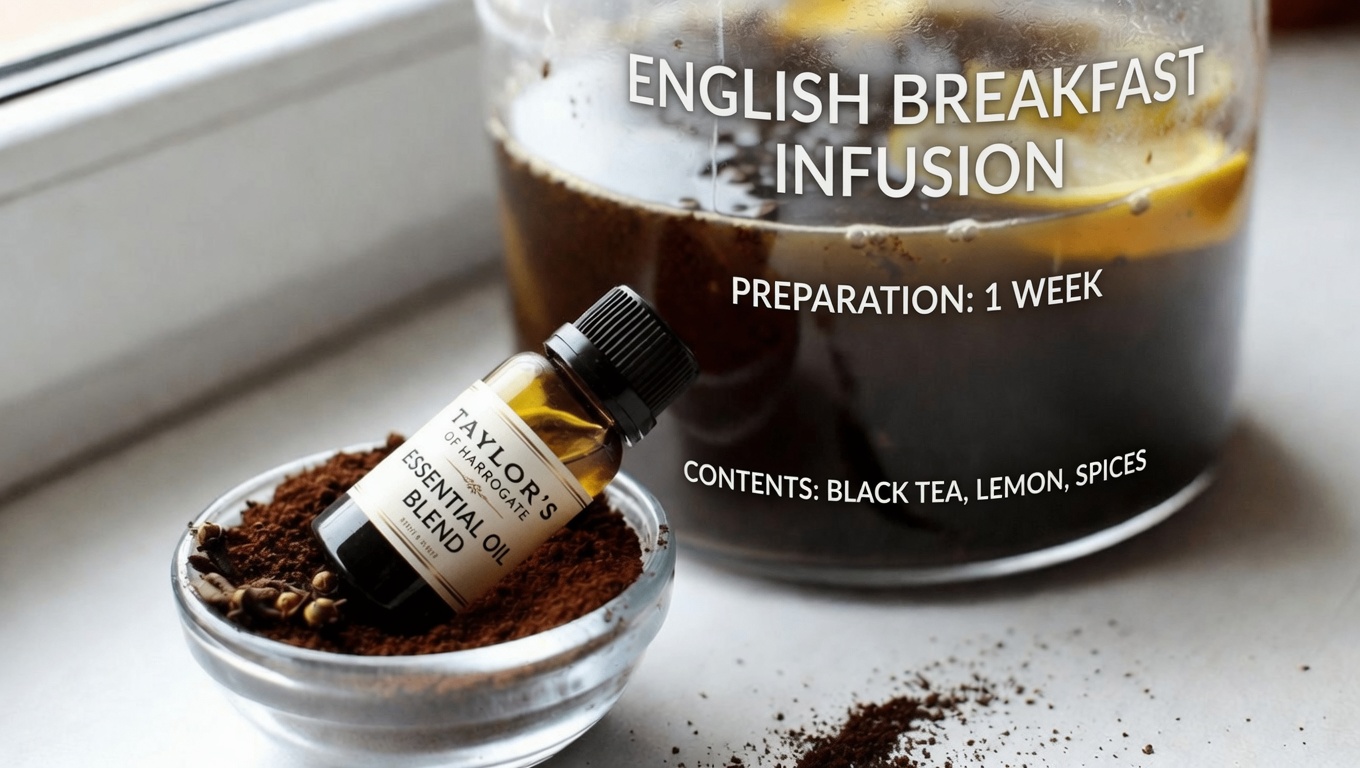
Recipe 2: Coffee + Clove + Lemon Weekly Scalp Treatment
Cloves contain eugenol, an antioxidant compound often linked to scalp comfort and microcirculation support. Lemon adds vitamin C and provides gentle cleansing/exfoliation benefits that may help with buildup.
Ingredients
- 2 tbsp ground coffee
- 1 tbsp ground cloves (or 8–10 whole cloves, crushed)
- Juice and zest of 1 lemon
- 1 cup hot water
- 2 tbsp shampoo (add only after cooling)
Preparation and use
- Boil the water, then add coffee, cloves, lemon juice, and zest.
- Steep for 15–20 minutes.
- Strain thoroughly to remove particles.
- Let the liquid cool completely, then mix in the shampoo.
- Use once weekly: apply to wet hair, massage for 5 minutes, leave on an additional 3–5 minutes, then rinse well.
This option often leaves hair feeling extra clean and glossy—especially on darker hair tones.
What Research Suggests About These Ingredients
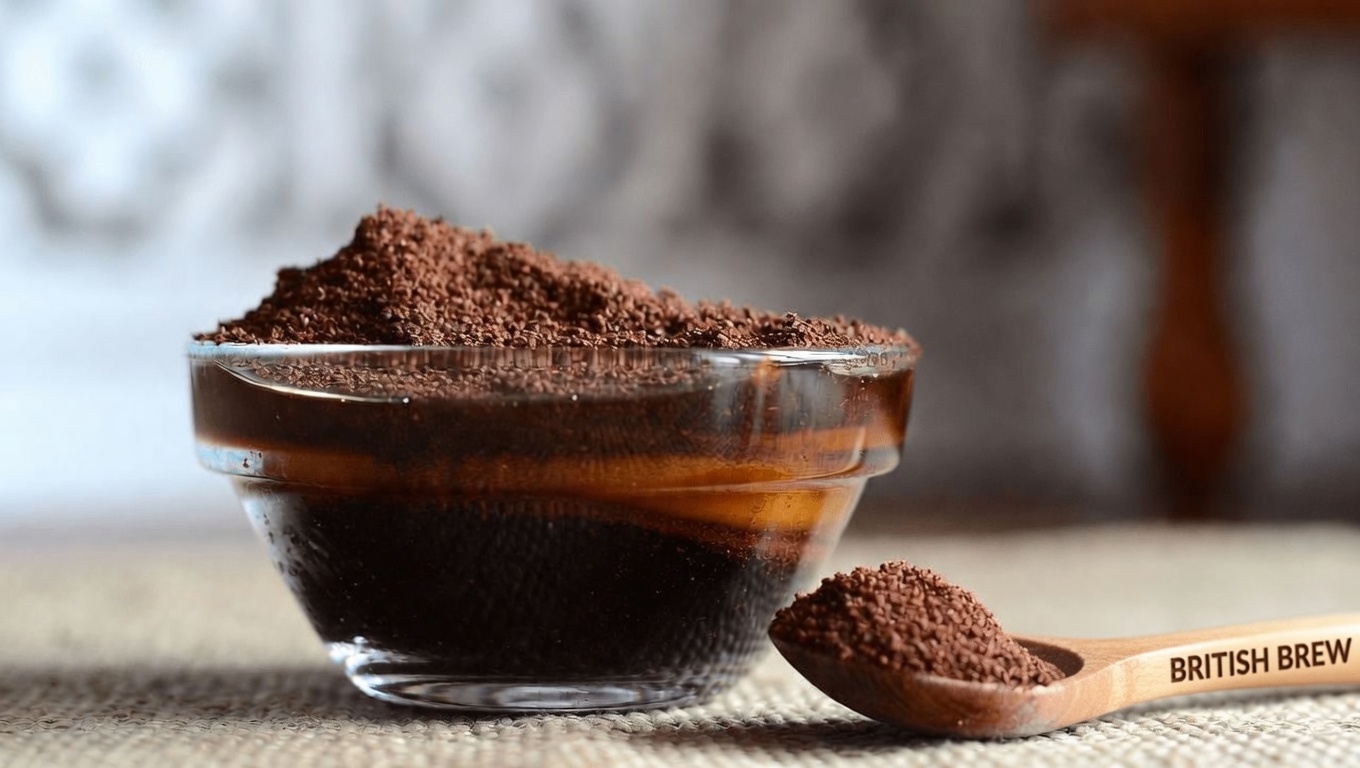
Current research indicates caffeine can enter follicles relatively quickly and may support cellular activity linked to growth-phase duration. Meanwhile:
- Castor oil: helps seal in moisture and reduce dryness-related breakage.
- Clove (eugenol): provides antioxidant support and may improve scalp comfort.
- Lemon (vitamin C): antioxidant support and gentle cleansing, which may help hair look brighter.
These ingredients are best viewed as supportive tools. The most noticeable improvements in hair appearance usually come from consistent care, good nutrition, and reducing harsh styling habits.
Common concerns and how coffee mixes may help
- Thin-looking or sparse areas → caffeine + massage may help hair look fuller over time
- Excess shedding → antioxidant support may help maintain stronger roots
- Dull or brittle strands → coffee and lemon may improve shine and smoothness
- Itchy or flaky scalp → moisturizing oils and gentle cleansing may support balance
Tips to Get Better Results (Without Spending More)
- Massage your scalp 3–5 minutes whenever you wash—consistency matters.
- Use lukewarm water, not hot, to avoid stripping natural oils.
- Take monthly progress photos under the same lighting to track subtle changes.
- Support hair from the inside with a nutrient-rich diet: protein, iron, zinc, and omega-3s are common priorities.
What People Report After Trying Coffee in Hair Care
Online DIY communities often describe changes after several weeks of consistent use. Some users mention noticing baby hairs near the hairline, while others report less breakage and a ponytail that feels thicker. These are anecdotal experiences, but they help explain why this approach appeals to people who prefer simple, low-cost routines.
DIY Coffee vs. Other Popular Hair-Thinning Options
-
Coffee DIY mixes
- Cost: typically under $5/month
- Convenience: high
- Evidence: ingredient-level research (especially caffeine)
- Downsides: can be messy; requires thorough rinsing
-
Minoxidil products
- Cost: $20–40/month
- Convenience: medium
- Evidence: strong clinical support
- Downsides: potential side effects; must stay consistent
-
Biotin supplements
- Cost: $10–20/month
- Convenience: high
- Evidence: mixed; most helpful for true deficiency
- Downsides: may not help if you’re not deficient
-
Salon or in-office treatments
- Cost: $100+/month
- Convenience: low
- Evidence: varies by method
- Downsides: higher cost and time commitment
For many people, the biggest benefit of the coffee approach is that it’s easy to test and low-risk when used carefully.
A Simple 30-Day Hair Routine Challenge
Over the next 30 days, aim for a scalp that feels healthier, less noticeable shedding, and hair that looks shinier and denser. Choose one method:
- Use Recipe 1 2–4 times per week, or
- Use Recipe 2 once weekly as a deeper treatment
Stay consistent, observe changes, and adjust if you notice dryness or buildup.
FAQ
How often can I use a coffee shampoo mix?
A common starting point is 2–4 times per week for the Coffee + Castor Oil booster, or once per week for the Coffee + Clove + Lemon treatment to reduce the risk of buildup.
Will coffee darken my hair?
It can add a subtle deepening effect, especially on lighter hair. Always do a small test section first.
Is this safe for everyone?
These recipes are generally gentle, but you should patch-test on skin first. If you have persistent scalp irritation, allergies, or ongoing hair loss concerns, consult a professional.
Medical note: This article is for informational purposes only and does not replace professional medical advice. Hair thinning has many possible causes. If you notice sudden, severe, or patchy hair loss, consult a dermatologist or qualified healthcare provider.