Aloe Vera for Dry, Itchy Skin: Hydration, Calm, and Comfort (Including the Eye Area)
Dry, itchy skin that leaves your face feeling tight can turn even a simple morning routine into a chore—and over time, it can chip away at confidence. Daily exposure to sun, wind, and pollution often contributes to irritation, visible redness, and early fine lines that keep “aging concerns” front of mind. A thoughtfully chosen aloe vera routine offers a gentle, natural way to support hydration and soothe common discomforts—especially when you learn how to use it safely around the delicate eye area (covered later in this guide).
What Is Aloe Vera?
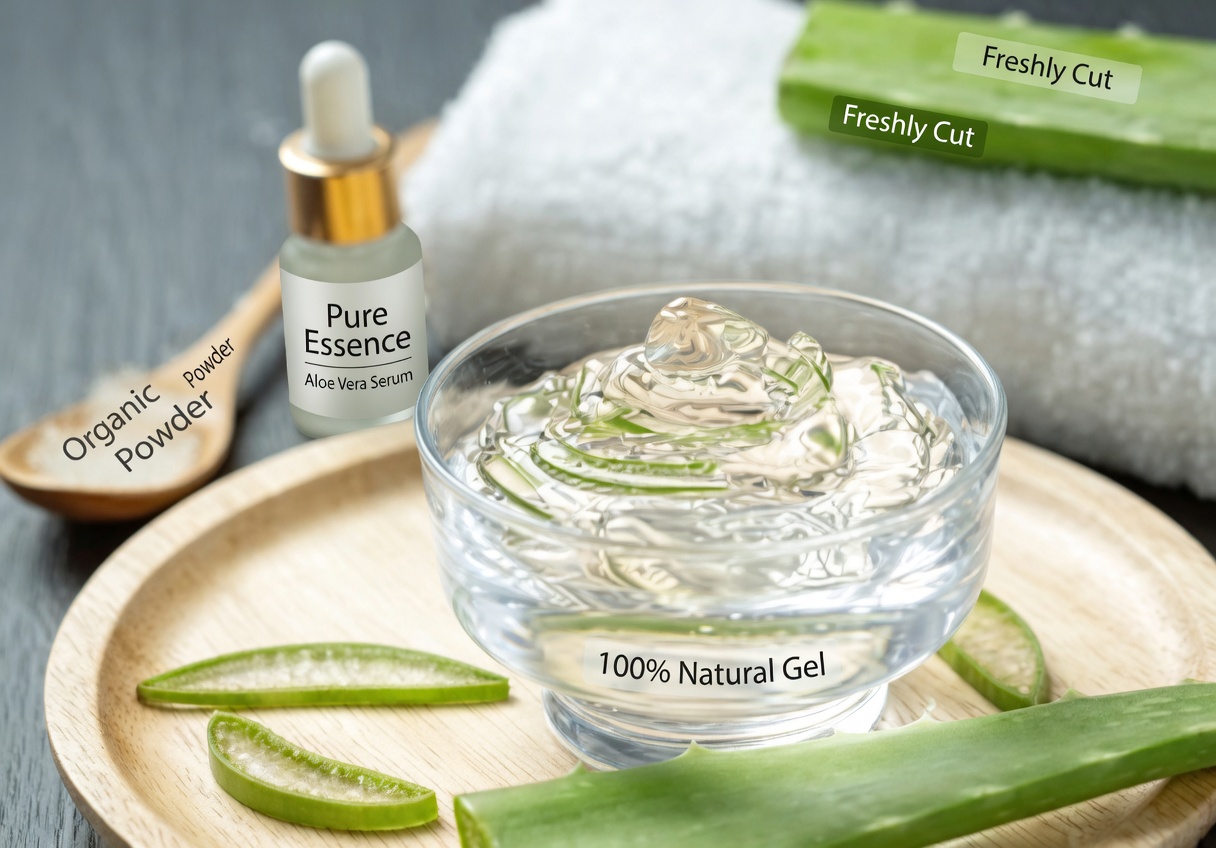
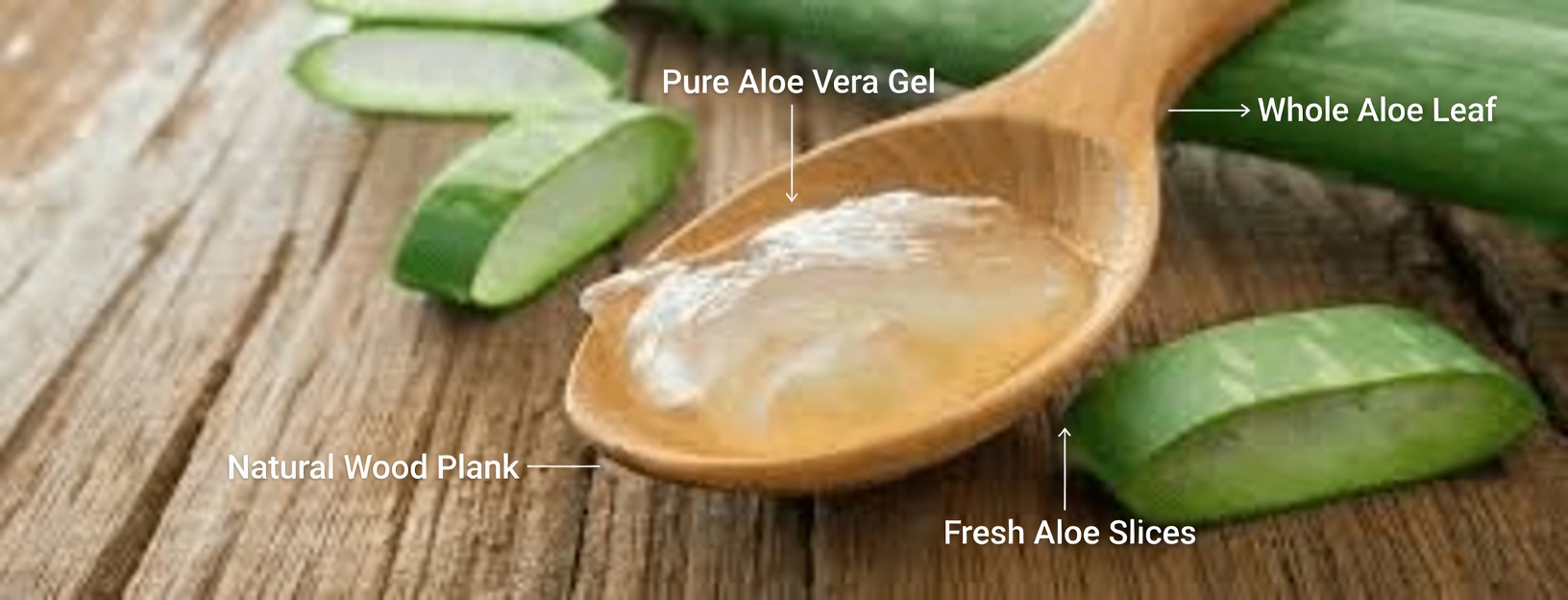
Aloe vera is a resilient succulent known for its clear inner gel, used for generations as a natural source of skin comfort and nourishment. When dryness makes skin feel rough, dull, or depleted, aloe vera gel delivers water-rich compounds that help bring back softness and a more balanced feel. For many people dealing with daily dehydration, aloe vera for dry skin is appealing because it can feel effective without relying on harsh additives.
Why Aloe Vera Helps Skin Stay Hydrated
One reason aloe vera is popular in skincare is its naturally occurring polysaccharides, which can help bind water and support a healthier-looking moisture barrier. If flaking and tightness make makeup sit poorly or feel uncomfortable, aloe vera provides lightweight hydration that tends to feel fresh rather than greasy. Some research also suggests aloe vera may help reduce transepidermal water loss (TEWL), which is especially helpful in dry weather or air-conditioned environments.
Calming Redness and Irritation with Aloe Vera
Sun exposure, windburn, and environmental stress can leave skin looking inflamed and feeling overly reactive. Aloe vera is widely valued for its mild cooling sensation that can help comfort irritated areas and support a more even-looking tone with consistent use. If persistent redness affects how you feel about your skin, aloe vera’s gentle profile makes it a common choice for everyday soothing support.
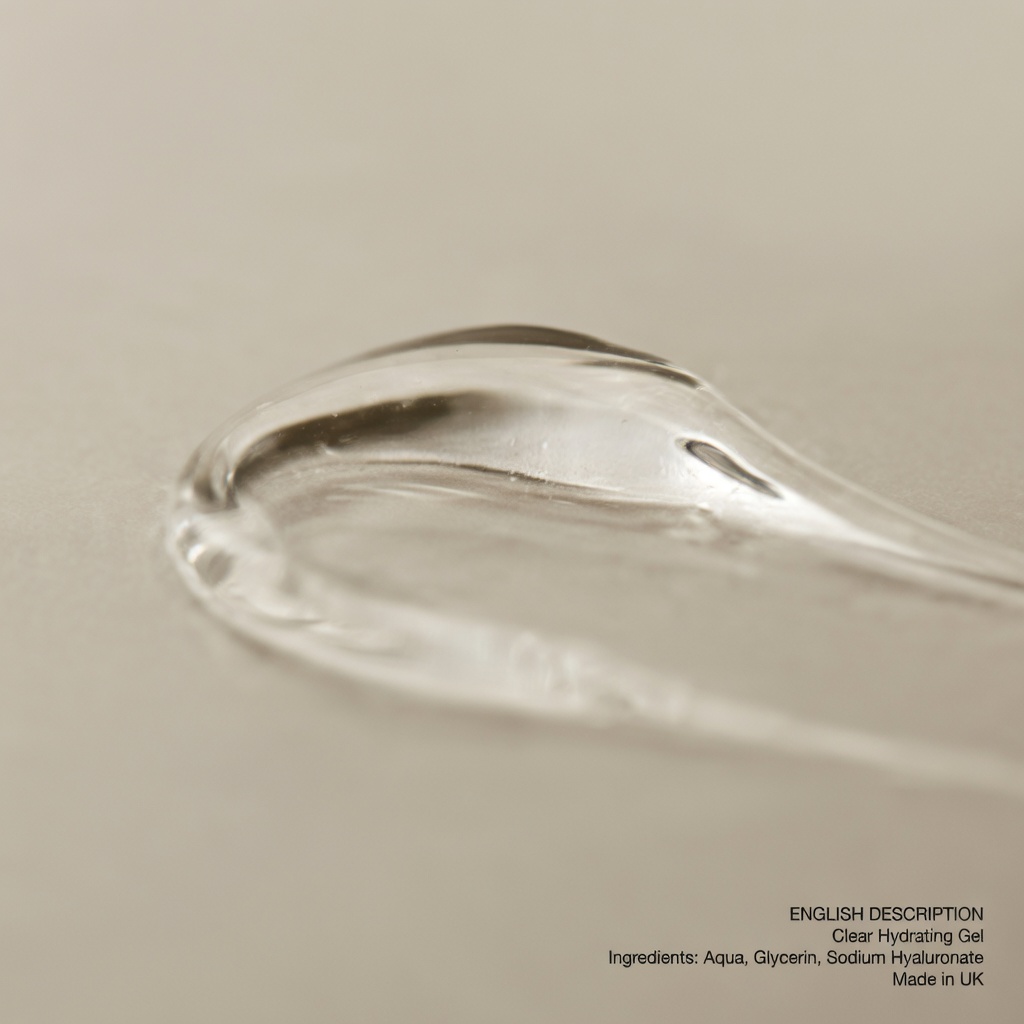
Aloe Vera for Smoother Texture and Gentle Renewal
Uneven texture and surface roughness can make skin look tired and feel unpleasant to the touch. Aloe vera can support the skin’s natural renewal process and help loosen the look of buildup—without the harshness of aggressive scrubs. With regular use, many people notice a brighter, smoother appearance and a healthier-looking glow.
Aloe Vera and Visible Signs of Aging
Fine lines, reduced bounce, and loss of firmness can make you feel older than you are. Some studies suggest aloe vera may support collagen-related activity, which can help the skin look more elastic and resilient over time. While aloe vera isn’t a “quick fix,” it can be a nurturing addition to routines aimed at maintaining a youthful-looking complexion through consistent, long-term care.
Aloe Vera for After-Sun Comfort
Sun-stressed skin can feel hot, tender, and uncomfortable—sometimes affecting sleep and mood. Aloe vera is a classic option after sun exposure because it offers a cooling feel and helps support the recovery of stressed-looking skin. If you often deal with redness or peeling after being outdoors, aloe vera gel can provide immediate comfort while supporting long-term skin resilience.
How to Use Aloe Vera in Morning and Evening Skincare
Busy schedules often lead people to skip hydration steps—then wonder why skin feels tight all day. Aloe vera gel can be applied quickly as a light layer before moisturizer to help set the stage for a more comfortable complexion.
A simple approach:
- Morning: Apply a thin layer of aloe vera gel to clean skin, then seal with moisturizer and sunscreen.
- Evening: Use aloe vera after cleansing to relieve dryness, then follow with your usual moisturizer.
- Consistency matters: Gentle daily use tends to be more helpful than occasional heavy applications.
Aloe Vera Drinks and Internal Hydration Support
Skin comfort is often influenced by overall hydration and digestive balance. Some people use food-grade aloe vera juice (only) mixed into water or smoothies as a simple wellness habit. If bloating, sluggishness, or low energy affects how you feel—and how your skin looks—aloe drinks can be an easy addition, as long as you use them responsibly.
Important: Choose food-grade products and consult a healthcare professional before internal use, especially if you’re pregnant, nursing, taking medications, or managing a health condition.
Aloe Vera Around the Eyes: Gentle Support for a Delicate Area
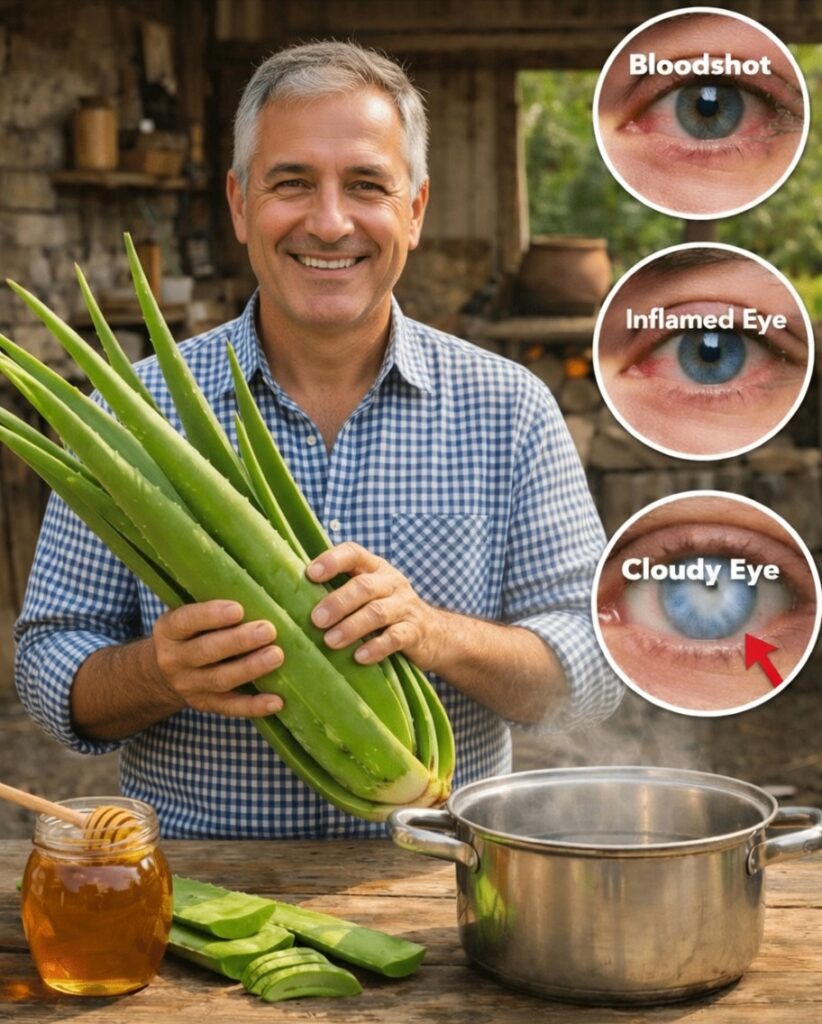
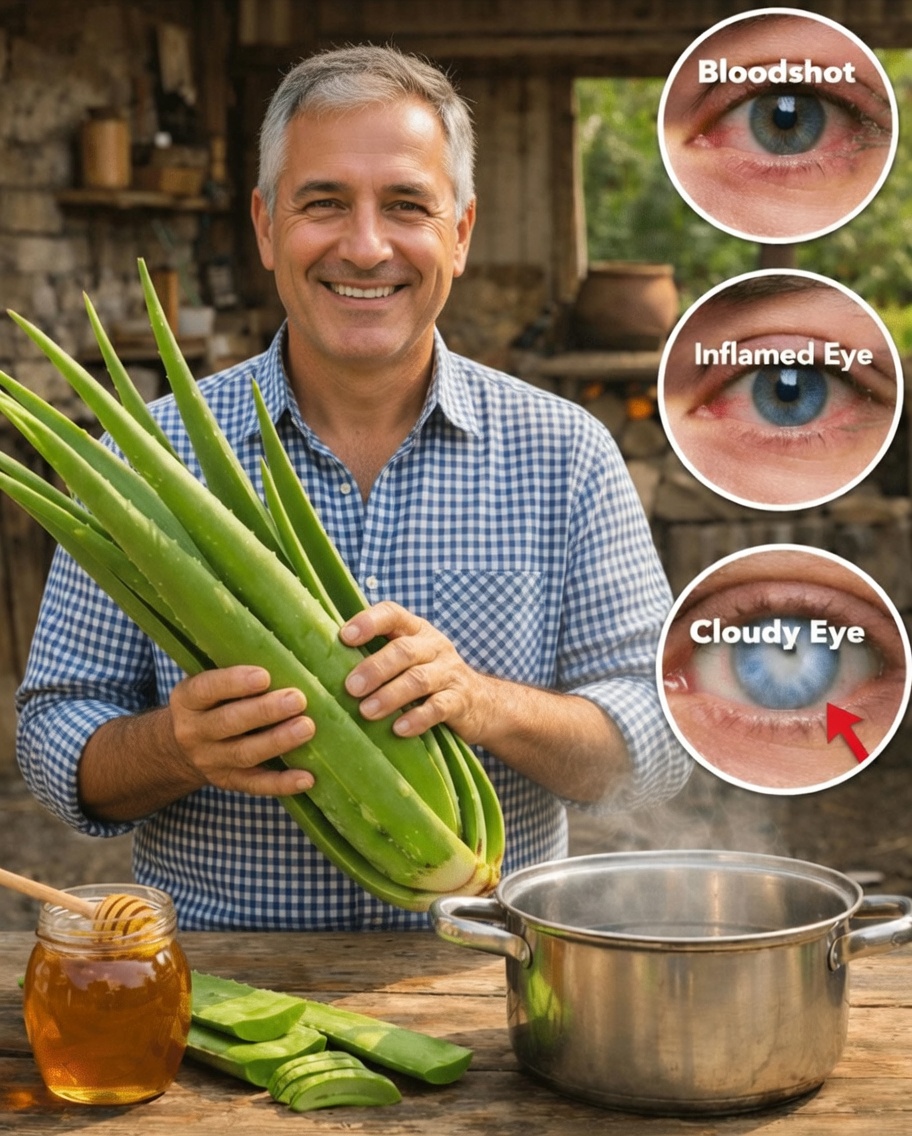
Dryness, puffiness, and fine lines around the eyes can make you look more tired than you feel. While evidence is limited regarding aloe vera inside the eye (and it should not be used that way), aloe vera-based skincare is often applied around the eye contour to support hydration and a refreshed appearance.
To use aloe vera near the eyes more safely:
- Apply a tiny amount along the orbital bone (not on the lash line).
- Avoid getting product into the eye.
- Patch-test first, since this area can react easily.
Mid-Article Check-In
- How many aloe vera benefits have you counted so far?
- Which concern feels most urgent right now: dryness, redness, texture, fine lines, or after-sun discomfort?
- What’s the easiest first step for you today: gel, a mask, or a drink?
- Rate your current skin comfort from 1–10.
Easy DIY Aloe Vera Treatments (Simple and Customizable)
Homemade care can feel intimidating—especially if your skin reacts to many store-bought formulas. Aloe vera blends well with soothing kitchen staples to create quick masks that support hydration and comfort.
Try these gentle options:
- Aloe + honey mask: Helps support softness and comfort for dry-looking skin.
- Aloe + oatmeal mask: A calming choice for sensitive, stressed-feeling skin.
If commercial products often leave your face feeling stripped, DIY aloe vera masks can be adjusted to your needs with minimal ingredients.
Common Skin Concerns and How Aloe Vera May Help
| Everyday Concern | How Aloe Vera May Help Support |
|---|---|
| Dry, tight skin | Helps bind moisture for longer-lasting comfort |
| Redness and irritation | Offers a cooling, calming feel |
| Dull, uneven texture | Supports gentle renewal for a brighter look |
| Fine lines and reduced firmness | May support collagen-related resilience over time |
| Sun-related discomfort | Provides soothing after-sun comfort |
| Eye-area dryness | Light hydration when used carefully around contours |
A Simple Aloe Vera Routine Timeline (30 Days and Beyond)
| Timeframe | Focus with Aloe Vera | Expected Comfort Shift |
|---|---|---|
| Weeks 1–2 | Morning gel use + optional food-grade drink | Skin feels softer; less tightness |
| Weeks 3–4 | Add an evening mask 2× weekly | Calmer look; reduced visible dryness |
| Weeks 5–8 | Gentle eye-area use + consistent daily routine | Smoother texture; improved resilience |
| Week 9+ | Maintain routine + track changes in a journal | More stable hydration; stronger day-to-day confidence |
A slow, steady approach helps your skin adapt comfortably and makes results easier to maintain.
Practical Tips for Better Results with Aloe Vera
- Choose pure inner-leaf aloe vera gel without added alcohol, heavy fragrance, or unnecessary dyes—especially for sensitive skin.
- Always patch-test new products on the inner arm before applying to the face.
- Keep aloe gel in the refrigerator for an extra cooling sensation on irritated areas.
- Use aloe vera as a supporting layer, then follow with your moisturizer (rather than replacing moisturizer completely).
- For internal use, select food-grade aloe vera juice only and seek medical advice if unsure.
Pair Aloe Vera with Lifestyle Habits for Better-Looking Skin
Stress, poor sleep, and dehydration can make dryness worse and intensify eye-area fatigue. Aloe vera works best when it’s part of a wider routine: consistent sleep, balanced meals, daily movement, and smart sun protection. When lifestyle factors amplify skin concerns, aloe vera becomes an easy, supportive addition to your broader wellness habits.
FAQ: Aloe Vera for Skin and Hydration
Is aloe vera suitable for all skin types, including sensitive skin?
Many people tolerate aloe vera well, including those with sensitive skin. Still, reactions are possible—so patch-test first and choose high-quality, minimally formulated products.
How quickly can I see results from aloe vera?
Some people notice a softer, more comfortable feel within 1–2 weeks. Improvements in overall texture and tone often take 4–8 weeks of consistent use.
Can I use aloe vera directly from the plant every day?
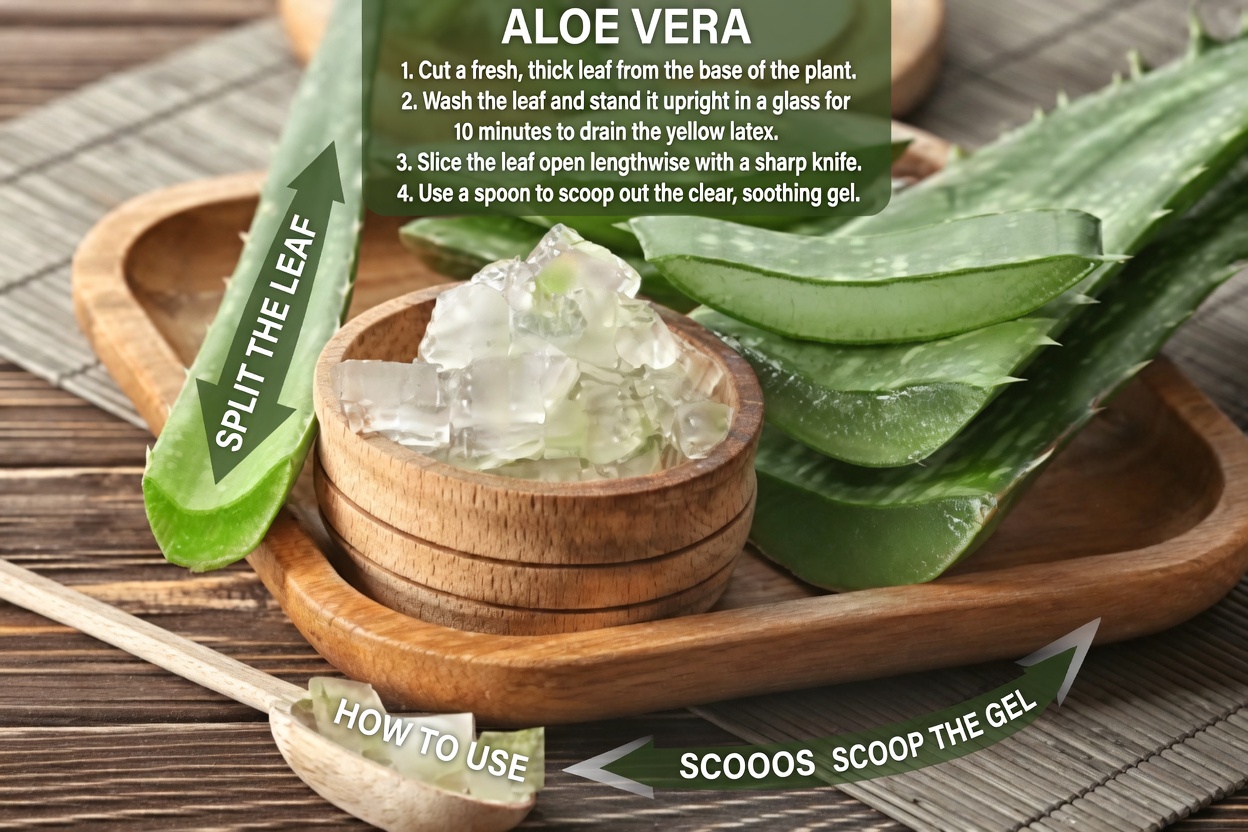
Yes, fresh gel from a healthy aloe plant can work well if handled carefully. Wash the leaf, remove the outer skin, use the clear inner gel, and store leftovers safely in the refrigerator. Patch-test first, and avoid applying too close to the lash line when using it near the eyes.