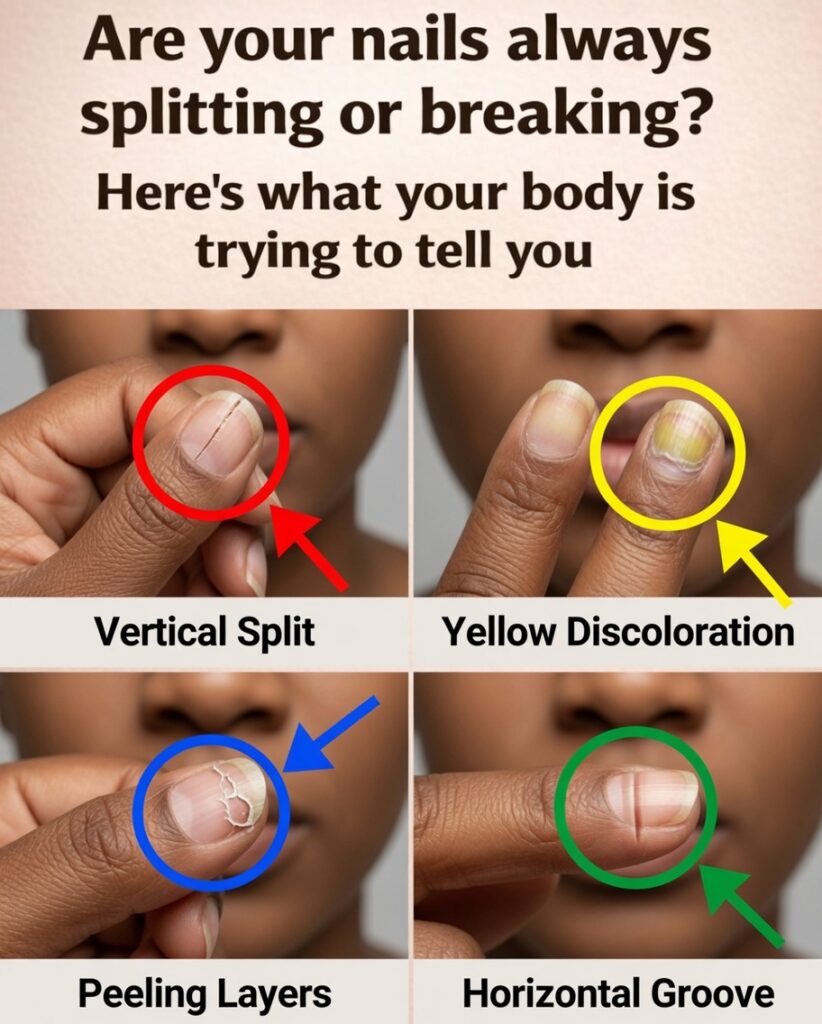
You reach for something ordinary—your phone, a zipper, a door handle—and feel that familiar sting as a nail catches, splits, or peels again. When this keeps happening, everyday tasks become irritating, your hands can look tired, and even small moments can dent your confidence. The encouraging part is that you’re far from alone, and many people notice real improvement once they understand the most common causes and make a few gentle, consistent changes.
Toward the end, you’ll find simple, everyday steps that have helped others build stronger, more resilient nails.
Why Nails Become Brittle and Split Easily
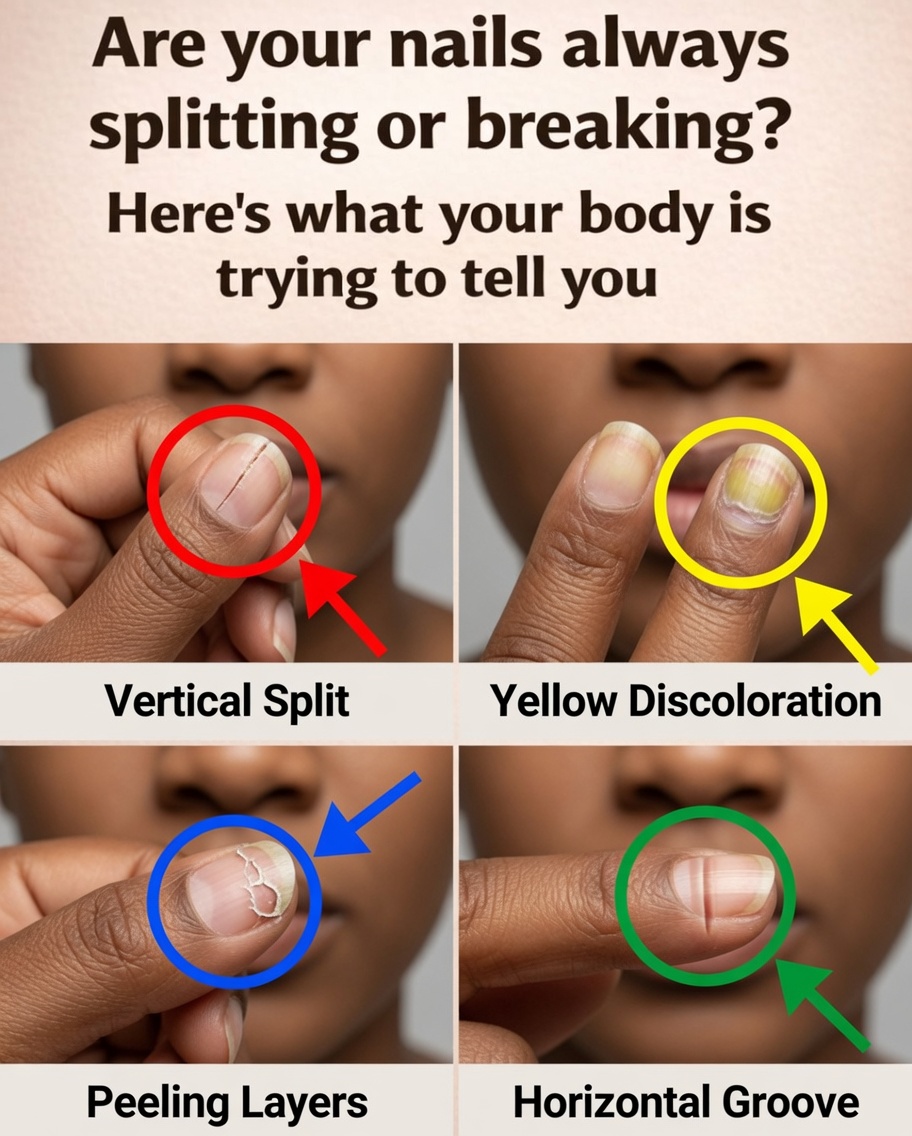
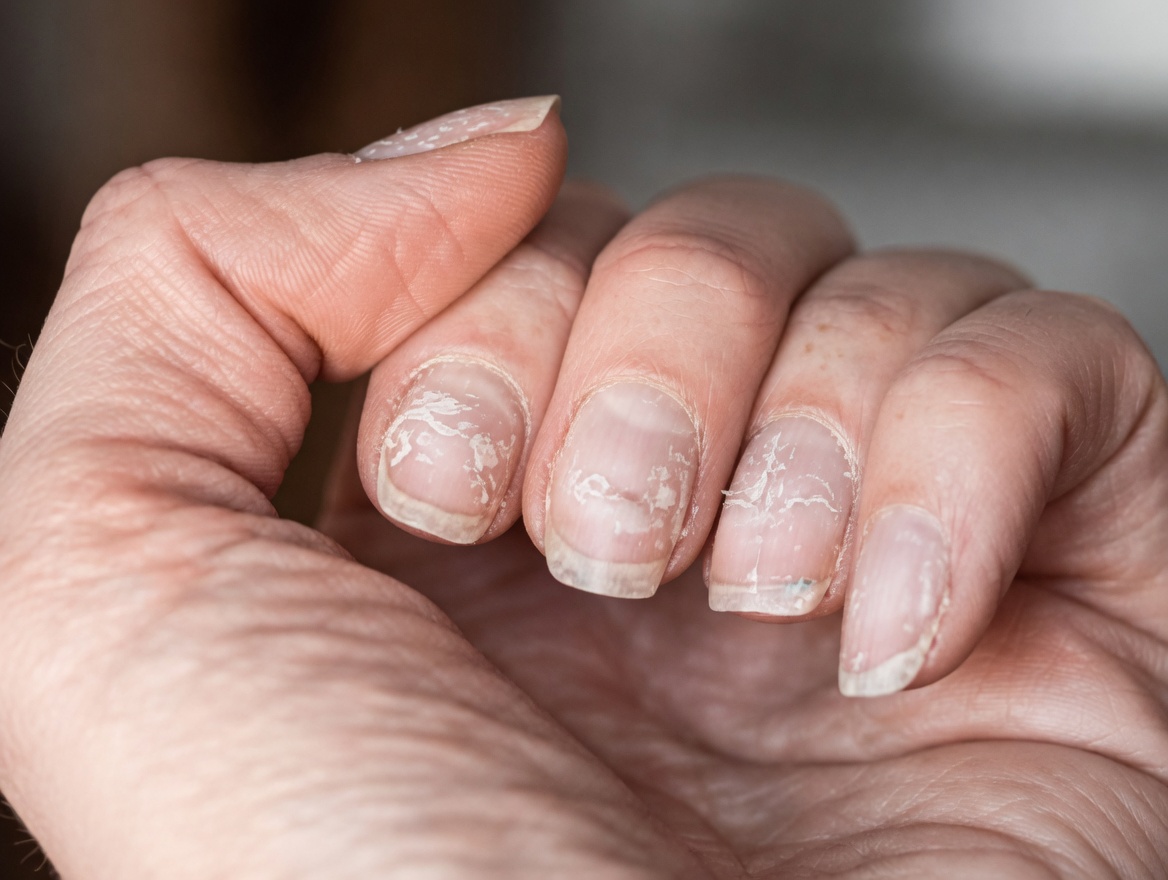
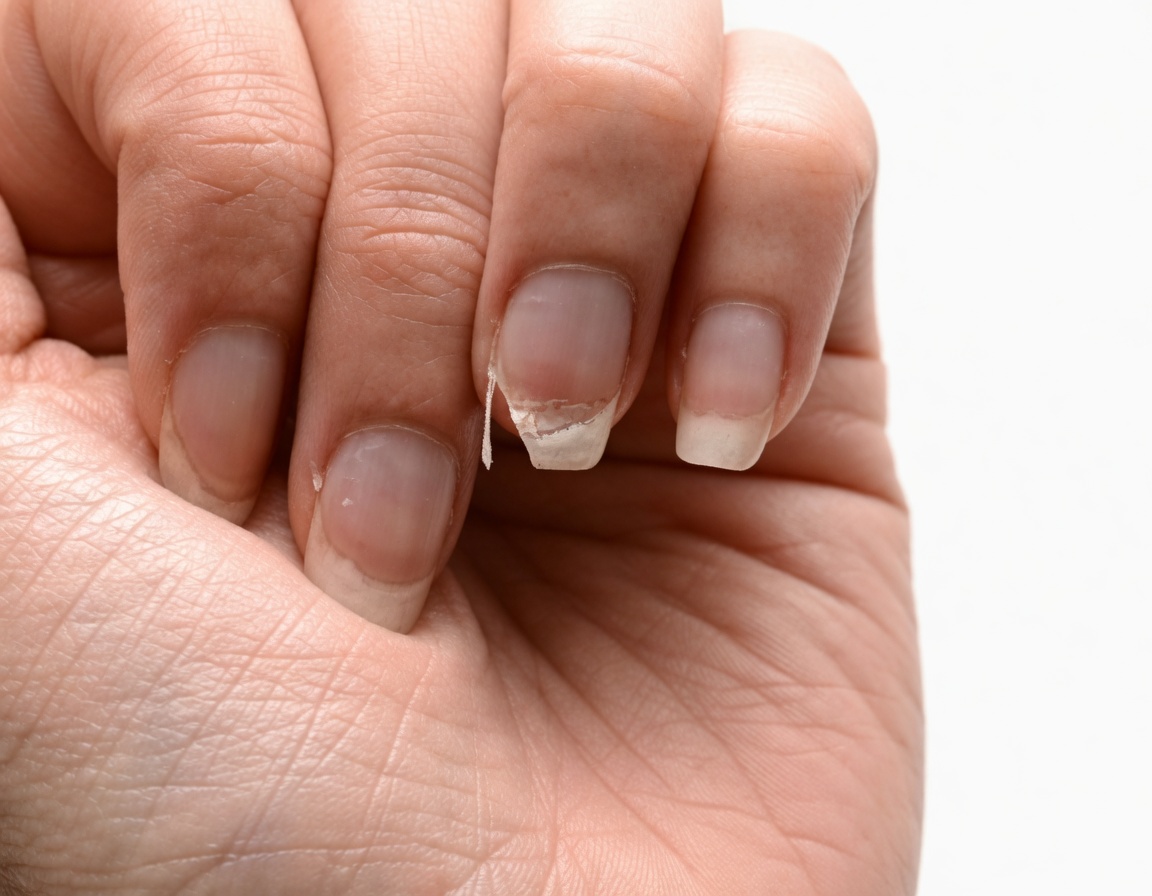
Brittle nails—often referred to medically as onychoschizia—typically show up as horizontal splitting, peeling layers at the tips, or nails that break with minimal pressure. Research suggests this affects up to 20% of people, and it appears more frequently in women over 50.
In most cases, the driving forces are surprisingly practical: daily exposure and routine wear-and-tear rather than something serious. Still, there are a few additional angles worth considering.
Daily Habits That Quietly Damage Nails
One of the biggest triggers is repeated water exposure. Think about how often your hands cycle through soaking and drying:
- Washing dishes
- Doing laundry
- Frequent handwashing
- Regular use of hand sanitizer
- Cleaning around the house
Each wet-to-dry cycle can strip natural oils from the nail plate, leaving nails drier, weaker, and more likely to peel.
Cold or low-humidity environments can intensify this dryness. On top of that, cleaning chemicals, strong detergents, and acetone-based polish removers can further stress the nail structure. Even if you wear gloves sometimes, inconsistent protection over months can still lead to cumulative damage.
How Aging and Lifestyle Influence Nail Strength
As part of normal aging, nail growth slows and nails can lose flexibility. Many people notice:
- Increased ridging
- Thinner-looking nails
- Greater tendency to crack or split
Lifestyle can magnify these effects. Longer nails are more likely to snag and tear. Frequent gel manicures, acrylics, or extensions can also put extra strain on the nail plate. Repetitive micro-trauma—like constant typing or manual work—may add to splitting over time.
If you’re wondering whether diet plays a role, it often does.
Nutrition and Nail Strength: What Matters Most
Nails are largely made of keratin, a protein that depends on a steady supply of nutrients to stay strong and flexible. When nutritional gaps persist, brittle nails may become more noticeable.
Iron Deficiency and Fragile Nails
Low iron is commonly associated with weaker nails and, in some cases, spoon-shaped nails (koilonychia). Studies link iron deficiency, particularly in women, with increased nail brittleness. If brittle nails come with symptoms such as unusual fatigue, it’s reasonable to discuss iron status with a healthcare professional.
Biotin (Vitamin B7) and B-Vitamin Support
Biotin, also known as vitamin B7, helps support keratin-related processes. Some older, small-scale studies suggest that consistent biotin intake may improve nail firmness in certain people with brittle nails, though results vary and stronger research is still needed.
Other Nutrients That Support Nails
Nail health also benefits from:
- Adequate protein (the foundation for keratin)
- Zinc
- Omega-3 fatty acids
A balanced diet that includes leafy greens, nuts, legumes, lean meats, eggs, and fatty fish can help cover these needs. When nutrient shortfalls continue over time, nails can become more prone to splitting.
If you’re considering supplements, it’s safest to speak with a clinician first—too much of certain nutrients can create new problems.
When Brittle Nails May Signal a Broader Health Issue
Most brittle nails are caused by external stressors, but persistent splitting can sometimes relate to underlying conditions—usually alongside other symptoms.
Thyroid-Related Changes
An underactive thyroid (hypothyroidism) is often associated with dry, slow-growing, brittle nails, and may also include fatigue, weight changes, constipation, or feeling cold easily.
Circulation Issues and Anemia
Conditions such as iron-deficiency anemia or circulation problems (including Raynaud’s phenomenon) can contribute to nail fragility by reducing oxygen and nutrient delivery to tissues.
Other Possible Contributors
Less common factors include:
- Psoriasis or eczema affecting the nail area
- Fungal nail infections
- Certain medications
Even so, for most people, focusing on protection and gentle care makes a meaningful difference.
Real-Life Wins: Small Adjustments, Noticeable Results
- Lisa, 58 struggled with constant nail splitting after years of dishwashing without gloves and frequent use of strong polish removers. Once she consistently wore gloves and moisturized daily, her nails became noticeably tougher within a few months—fewer painful snags and less peeling.
- Mark, 62 noticed brittle nails along with low energy. Testing revealed low iron. After addressing it under medical guidance, his energy improved—and his nails became stronger over time.
The takeaway: targeted, realistic changes often work better than drastic measures.
Practical Steps That Help Support Stronger Nails
You don’t need an extreme routine. Many people see improvements by focusing on a few consistent habits.
1) Protect Nails From Water and Chemicals
- Use cotton-lined rubber gloves for dishwashing, cleaning, or chemical exposure.
- After washing, pat hands dry rather than rubbing aggressively.
2) Moisturize Frequently (Not Occasionally)
- Apply a rich hand cream or cuticle oil after washing and before bed.
- Ingredients often used for moisture support include lanolin and alpha-hydroxy acids (AHAs).
3) Keep Nail Care Gentle and Minimal
- Trim nails short and straight across.
- File in one direction to reduce splitting.
- Avoid picking at peeling layers or aggressive buffing.
4) Support Nails From the Inside
Aim for consistent basics:
- Protein sources: eggs, fish, poultry, beans, yogurt
- Iron-rich foods: spinach, lentils, red meat, fortified cereals
- Steady hydration throughout the day
Quick Comparison of Common Nail-Support Approaches
-
Protective gloves
- How it may help: reduces repeated wet-dry cycles and chemical exposure
- Practical tip: choose cotton-lined options for comfort and consistency
-
Moisturizing creams and oils
- How it may help: improves flexibility and reduces peeling from dryness
- Practical tip: apply after every handwash and nightly
-
Balanced nutrition
- How it may help: supplies building blocks for keratin and nail growth
- Practical tip: prioritize protein, iron, zinc, omega-3s
-
Supplements (e.g., biotin)
- How it may help: may improve strength for some people with brittleness
- Practical tip: discuss with a clinician before starting
Safe, Easy Steps You Can Start Today
- Moisturize daily: massage cream or oil into nails and cuticles after each wash (avoid if you have known sensitivities).
- Use gloves consistently: keep a pair near the sink and replace them once worn out.
- Trim and file carefully: straight across, then lightly smooth rough edges.
- Check hydration: drink enough water daily and monitor gradual changes.
Small actions, repeated consistently, tend to create the biggest shift.
When to See a Healthcare Professional
Consider getting medical advice if:
- You’ve followed protective steps for several months with no improvement
- You notice pain, swelling, unusual discoloration, bleeding, or nail separation
- Brittle nails appear with symptoms like ongoing fatigue, hair thinning, or increased cold sensitivity
A clinician can help identify whether deficiencies, thyroid issues, infections, or other factors are involved.
Take Control of Your Nail Health Starting Now
For many people, stronger nails are achievable with steady care—less snagging, fewer splits, and more comfort in daily life. Start with the essentials: protect from water and chemicals, moisturize consistently, and support your body with nourishing food choices. Over time, these small habits can add up to visible, meaningful improvement.
P.S. The next time you wash your hands, take one extra moment to pat them dry and apply a thin layer of moisturizer. That tiny step can be the beginning of better nail strength.
Frequently Asked Questions
How long does it take to see improvement after changing habits?
Fingernails grow slowly—about 3–4 mm per month—so noticeable changes typically take 3–6 months of consistent moisturizing, protection, and gentle care.
Do supplements like biotin actually help brittle nails?
Some research suggests biotin may improve nail strength in certain people with brittle nails, but results vary and more high-quality studies are needed. It’s best to consult a healthcare professional before starting supplements, especially if you take medications or have underlying conditions.