A Brighter Smile in Just 2 Minutes a Day: What’s Real, What’s Hype?
Imagine looking in the mirror after a short daily routine and seeing a cleaner, brighter-looking smile. It’s easy to understand why “2-minute whitening” ideas are so tempting—especially when they use familiar household ingredients that seem to lift surface stains quickly. Still, while fast at-home methods can make teeth look fresher, major whitening usually takes time and the right approach.
So what can you realistically expect from quick whitening habits, and which options are safest for your enamel?
Why Teeth Lose Their Brightness Over Time
Teeth can appear darker for a few common reasons:
- Food and drink stains from coffee, tea, red wine, and deeply pigmented foods
- Tobacco use, which leaves stubborn discoloration
- Natural enamel thinning over time, making the underlying yellow dentin more visible
- Plaque buildup, which can dull shine even when you brush regularly
A standard toothbrush doesn’t always remove all surface discoloration. Mild polishing agents may help lift superficial stains temporarily, which is why some quick methods appear to “work” right away—at least for a short-term glow.
The Appeal of Quick At-Home Whitening
Fast DIY options feel convenient and empowering. Instead of waiting for appointments or long treatment cycles, people look for quick routines that can:
- Improve surface cleanliness
- Reduce dullness for photos or events
- Build better daily habits that support a naturally brighter look
The key is understanding that many viral “instant whitening” claims are mostly about surface stain removal, not deep bleaching.
Popular Quick Whitening Methods: What They Can (and Can’t) Do
Trending ingredients like baking soda, activated charcoal, and hydrogen peroxide often get attention for their ability to polish or oxidize stains. However, the science and safety vary widely.
In most cases, these approaches may help with surface-level stain reduction, but they won’t dramatically change the intrinsic shade of your teeth in a single 2-minute session.
9 Quick Whitening Ideas to Try (With Realistic Expectations)
1) Baking Soda Polish
A simple paste made from baking soda and water can gently polish away surface stains. Many people notice a cleaner, smoother look after use.
- Best for: Coffee/tea surface stains
- Watch out for: Overuse, which may wear enamel
2) Activated Charcoal (Use Cautiously)
Charcoal is often described as “binding” stains and leaving teeth feeling polished. It can be messy and may be abrasive, depending on the product.
- Best for: Occasional surface polishing
- Watch out for: Abrasive damage and irritated gums
3) Strawberry “Malic Acid” Rub
Strawberries contain acids that may help loosen certain stains briefly. The downside is that acid exposure can weaken enamel if repeated often.
- Best for: Occasional use
- Watch out for: Acid erosion risk
4) Oil Pulling (Short Swish)
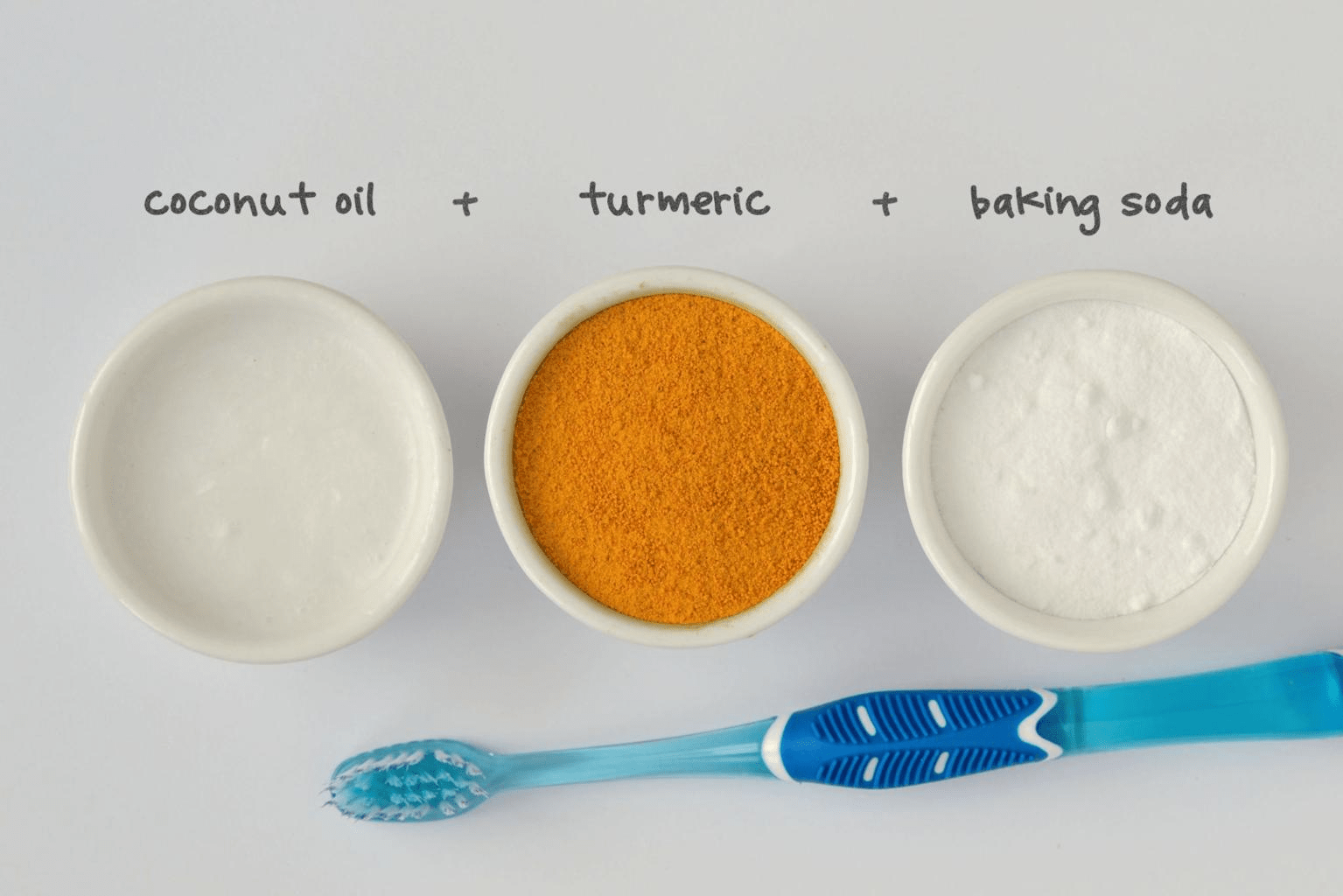
Swishing coconut oil may reduce plaque and improve overall mouth feel. Any “whitening” effect is typically indirect—cleaner teeth can look brighter.
- Best for: Freshness and plaque support
- Watch out for: Don’t swallow; evidence for whitening is limited
5) Diluted Hydrogen Peroxide Rinse
Low concentrations are used in some whitening products because peroxide can oxidize stains. A brief rinse may offer a mild brightening effect over time.
- Best for: Mild stain oxidation
- Watch out for: Must be properly diluted and not overused
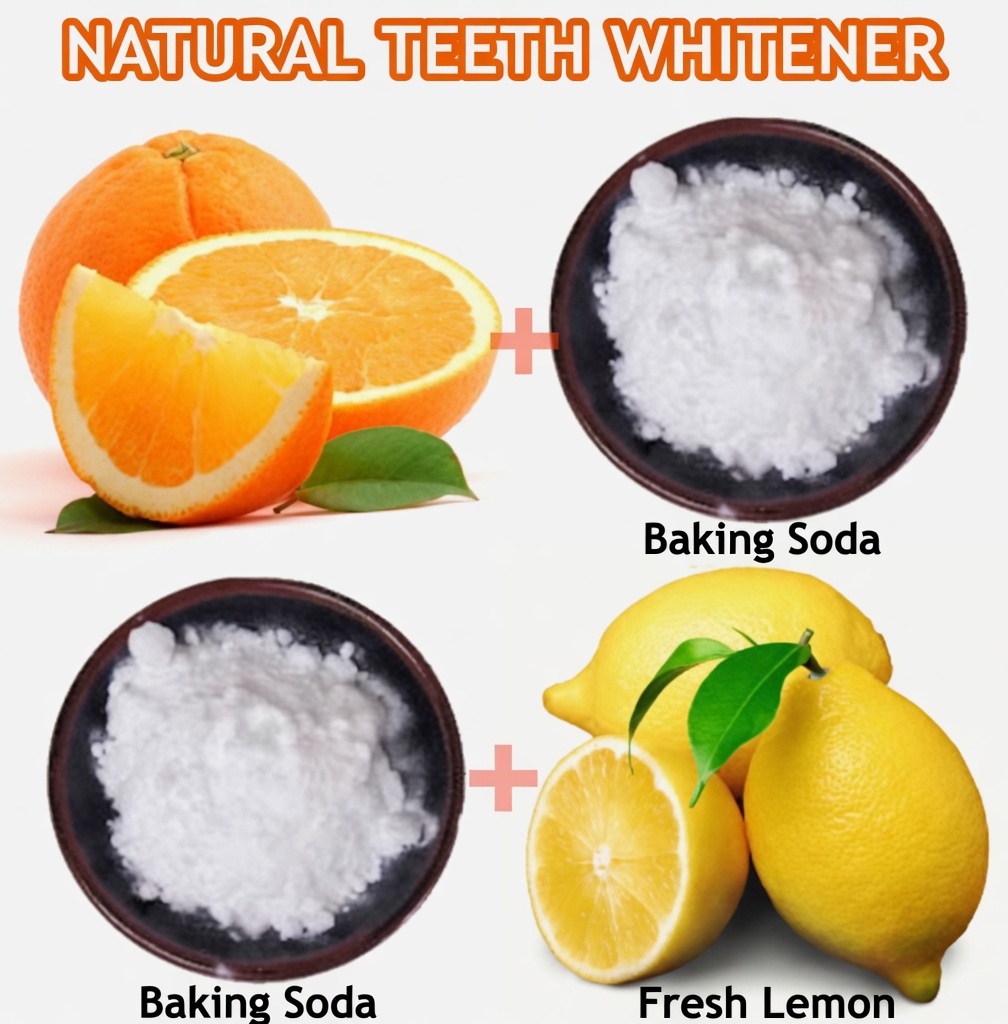
6) Baking Soda + Lemon (Not Recommended Frequently)
This combination can feel like an instant polish, but the acid from lemon can harm enamel—especially with repeated brushing.
- Best for: Generally not ideal
- Watch out for: High enamel risk
7) OTC Whitening Toothpaste (Daily Option)
Whitening toothpaste is designed for regular use and typically relies on gentle abrasives and approved ingredients. Results are gradual, not instant.
- Best for: Daily maintenance
- Watch out for: Choose reputable brands; stop if sensitivity increases
8) Reduce Stain Exposure (Fast Habit, Big Impact)
One of the quickest “whitening” moves is preventing stains from setting in.
- Rinse with water after coffee, tea, or wine
- Avoid prolonged sipping
- Brush after waiting a bit if you’ve had acidic drinks
9) Consistent Gentle Care (The Real “2-Minute” Secret)
A short routine repeated daily often outperforms aggressive one-time hacks. Over days and weeks, gentle consistency can noticeably improve brightness and confidence.
Quick Whitening Methods Compared
| Method | Time | Potential Effect | Notes & Cautions |
|---|---|---|---|
| Baking soda brushing | 2 minutes | Mild polishing, surface stain removal | Use gently; avoid frequent overuse |
| Charcoal use | 1–2 minutes | Possible surface stain reduction | Messy; may be abrasive |
| Oil pulling | 2–10 minutes | Fresher feel, plaque support | Whitening is indirect; do not swallow |
| Peroxide rinse | ~1 minute | Mild oxidation over time | Must be diluted; limit contact time |
| Whitening toothpaste | 2 minutes daily | Gradual brightening | Generally safest for routine use |
Realistic Results: What People Often Notice
Many users report that quick routines provide an immediate feeling of freshness and a temporary “cleaner” look. Over time, consistent habits (especially whitening toothpaste plus stain prevention) can lead to subtle but meaningful improvements.
The most important takeaway: patience and consistency usually matter more than intensity.
Safe “2-Minute” Whitening Routines to Start With
If you want a low-risk starting point, prioritize gentle options:
- Baking soda (2–3 times per week): Mix with water into a thin paste and brush lightly for 2 minutes.
- Whitening toothpaste (daily): Brush for a full 2 minutes as directed.
- Short oil pulling: Swish briefly with coconut oil, then spit and rinse well.
If you notice sensitivity, gum irritation, or pain, stop and reassess.
Safety Guidelines You Shouldn’t Skip
| Tip | What to Do | Why It Matters |
|---|---|---|
| Limit abrasive methods | Use only a few times weekly | Reduces enamel wear |
| Dilute acids/peroxide | Never use full-strength DIY mixes | Helps prevent burns and sensitivity |
| Rinse thoroughly | Rinse after any DIY method | Protects gums and reduces residue |
| Monitor sensitivity | Stop if discomfort appears | Early warning of enamel/gum issues |
| See a dentist for deeper stains | Ask about professional whitening | Safest option for stronger results |
Final Thoughts: Build a Brighter Smile the Smart Way
Quick whitening tricks can offer a small boost—mainly by polishing surface stains and improving freshness. The most reliable results come from gentle, repeatable habits and avoiding the routines that weaken enamel.
Try a simple 2-minute approach tonight, keep it consistent, and focus on safety. A healthier smile often looks brighter naturally.
FAQ (Frequently Asked Questions)
1) Does baking soda actually whiten teeth?
It can help remove surface stains through mild abrasion, which may make teeth look brighter. Use it gently and not too often to avoid enamel wear.
2) Is activated charcoal safe for teeth whitening?
It may reduce surface discoloration, but many charcoal products are abrasive. Use cautiously and infrequently, and stop if you develop sensitivity.
3) How long do home whitening tricks take to show results?
It depends on the method and your stain level, but most people see gradual improvements over a few weeks with consistent, gentle use.
Disclaimer: This content is for informational purposes only and does not replace professional dental advice. For personalized guidance—especially if you have sensitivity, gum issues, or deep stains—consult a licensed dentist.