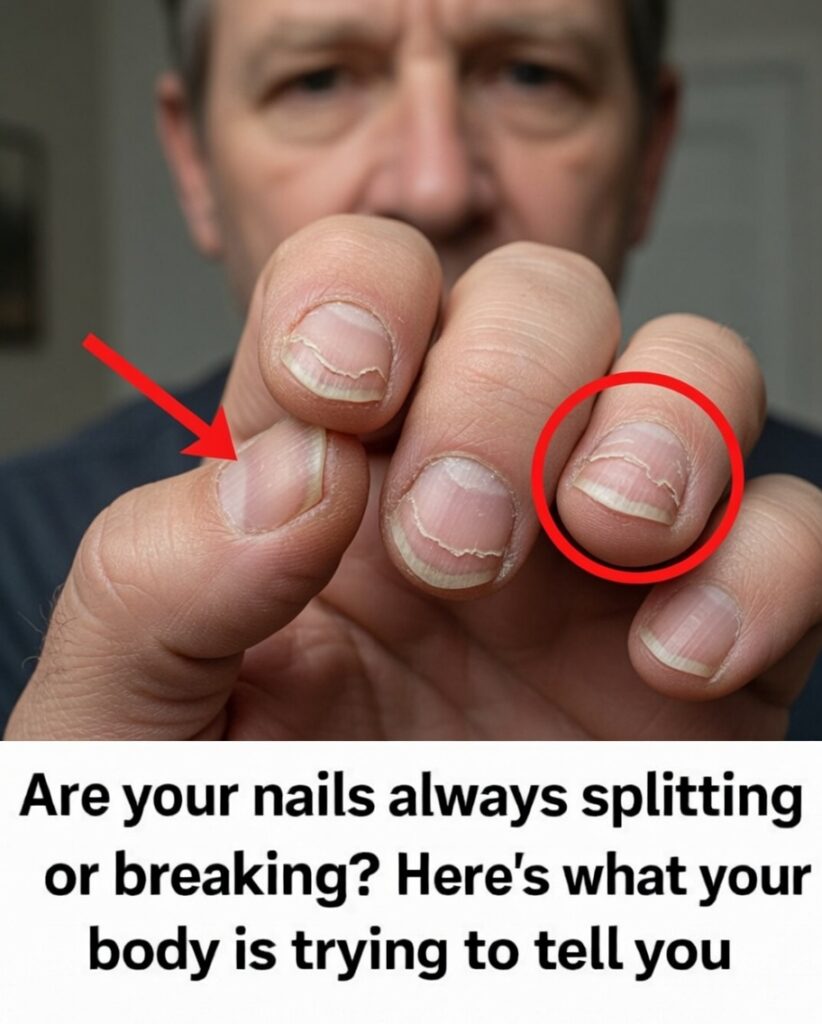
Brittle Nails: Why They Crack, Peel, or Split—and What You Can Do About It
Over time, many people notice their nails becoming weaker and more prone to cracking, peeling, or splitting, turning simple daily tasks into annoyances. Studies suggest brittle nails affect up to 20% of people, and the problem is reported more often in women over 50. It can feel discouraging when nails that once grew smoothly now break in layers or snap easily.
The encouraging part: once you understand the most common reasons behind brittle fingernails, you can take practical steps—through nutrition, lifestyle changes, and gentle nail care—to support stronger, healthier growth.
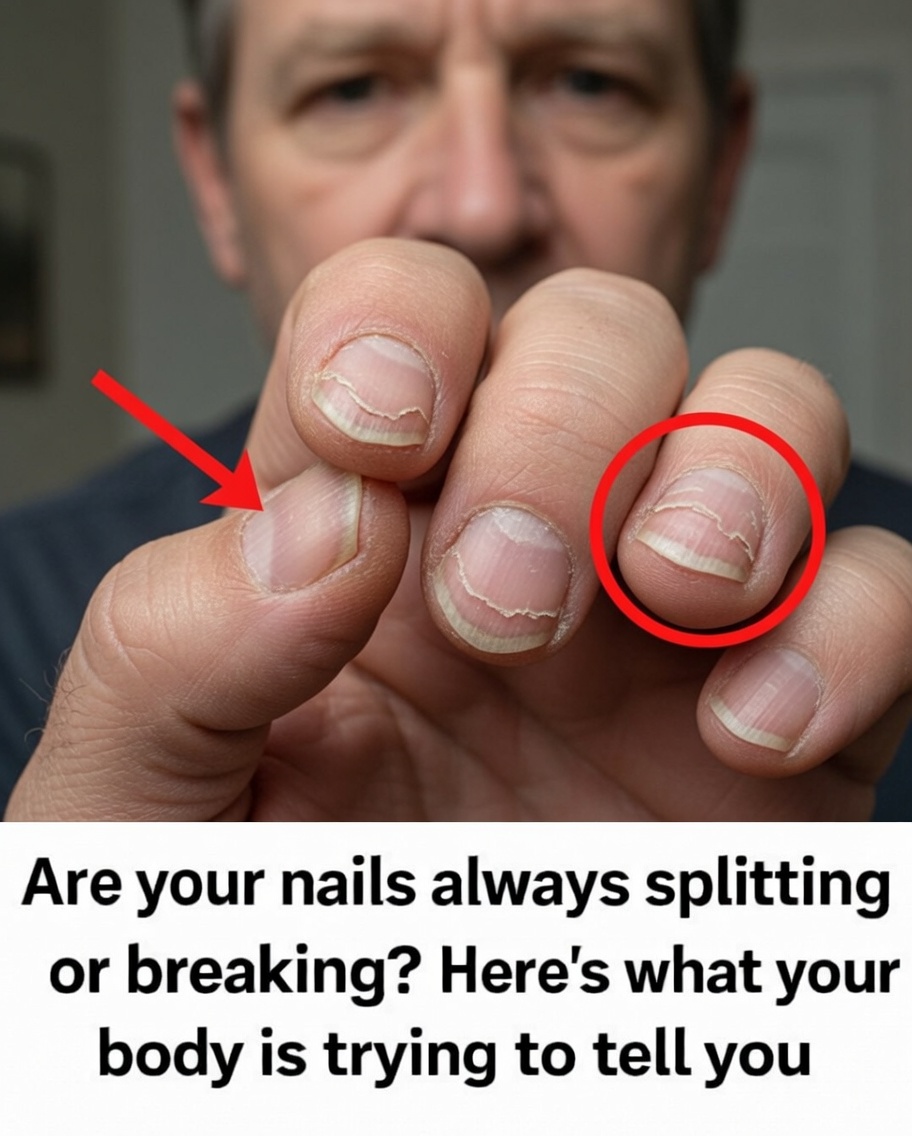
Why Brittle Nails Affect More Than Your Appearance
Brittle nails aren’t just a cosmetic concern. A nail that catches on clothing, splits while opening a bag, or peels while typing can be uncomfortable and disruptive. Research indicates fingernail fragility is common and can intensify with age or specific lifestyle factors.
At the core of the issue is often a change in nail structure and moisture. Nails are largely made of keratin, a protein that needs support from both inside the body (nutrients, hydration) and outside (protection from damage). When moisture drops or the nail plate weakens, nails become far more likely to chip, tear, and split. Addressing the most likely contributors can lead to noticeable improvement over time.
10 Common Causes of Brittle Nails (Plus Supportive Steps That Help)
1) Low Biotin Intake (Vitamin B7) and Reduced Keratin Support
Biotin is frequently associated with nail strength because it supports the body’s keratin infrastructure. Research—including studies involving biotin supplementation—has reported improvements such as increased nail thickness in people with brittle nails.
Many people also report stronger nails after regularly eating biotin-rich foods like eggs, almonds, and leafy greens.
Quick check: If foods like eggs, nuts, and avocados rarely show up in your meals, biotin intake may be worth reviewing.
Supportive steps
- Add biotin-rich options daily (for example: eggs at breakfast, a handful of almonds as a snack).
- If diet changes aren’t enough, consider discussing supplements with a clinician.
- Consistent habits may show changes in about 4–8 weeks.
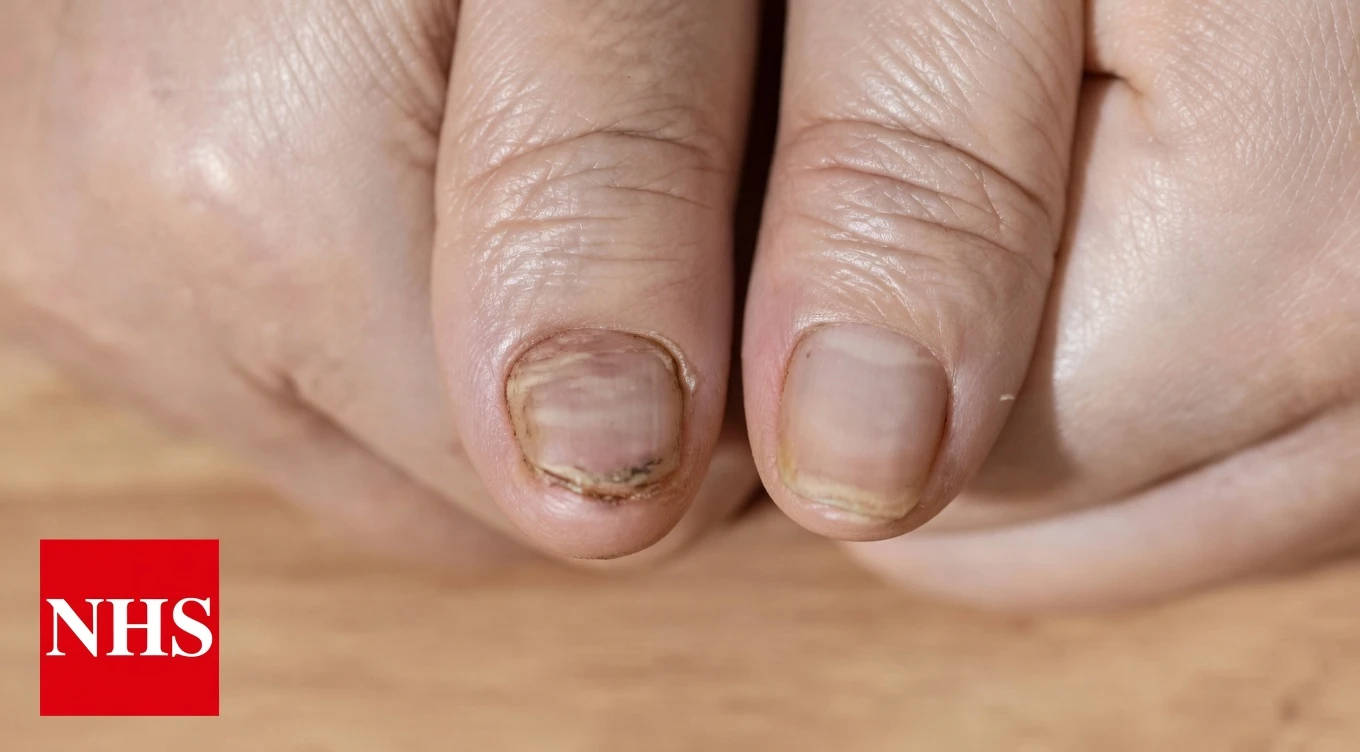
2) Iron Deficiency and Poor Oxygen Delivery to Nail Tissue
Low iron can contribute to nails that become thin, brittle, or even spoon-shaped (koilonychia). This happens because iron supports oxygen delivery—important for healthy cell growth, including nail cells.
Some people only discover iron deficiency after noticing symptoms like fatigue alongside pale nail beds, then seeing improvement after increasing iron intake.
Self-observe: Persistent tiredness or pale nail beds may justify a discussion with a healthcare professional.
Supportive steps
- Eat iron-rich foods: lean red meat, lentils, spinach, and fortified cereals.
- Combine iron foods with vitamin C (like citrus) to enhance absorption.
- Avoid self-prescribing iron supplements; confirm needs with a provider first.
3) Not Enough Protein (Keratin Needs Building Blocks)
Because nails are made mostly of keratin, insufficient protein can leave them soft, fragile, and easy to break. Evidence supports that adequate dietary protein helps maintain the integrity of keratin-based tissues.
A common pattern: people eating very light or low-protein meals notice more nail flaking; adding protein sources (chicken, beans, yogurt, fish) often improves durability within weeks.
Supportive steps
- Include protein at most meals: poultry, fish, dairy, legumes, tofu, or other plant proteins.
- Spread protein across the day rather than relying on a single high-protein meal.
4) Chronic Dehydration and Moisture Loss in the Nail Plate
Nails need adequate hydration to remain flexible. When overall fluid intake is low, nails can dry out and become more likely to crack and split.
Many people notice quick improvements simply by drinking more water consistently. Herbal tea can be a useful caffeine-free option, especially later in the day.
Supportive steps
- Aim for roughly 8 glasses of water daily (adjust for body size, climate, and activity level).
- Keep a refillable bottle nearby to make hydration easier to maintain.
5) Frequent Contact With Harsh Chemicals (Cleaners, Detergents, Removers)
Repeated exposure to household cleaners, dish soaps, detergents, and nail polish removers can strip natural oils and worsen nail dryness. Studies suggest frequent contact can increase fragility over time.
Supportive steps
- Wear gloves for cleaning and dishwashing.
- Choose acetone-free nail polish removers when possible.
- Moisturize hands and cuticles after washing.
6) Dry Air and Weather Extremes (Especially Winter)
Cold weather and low humidity can pull moisture from both skin and nails, making winter nail splitting more common. Many people notice seasonal worsening and benefit from extra protection during dry months.
Supportive steps
- Apply cuticle oil or moisturizer daily.
- Wear gloves outdoors in cold, dry conditions.
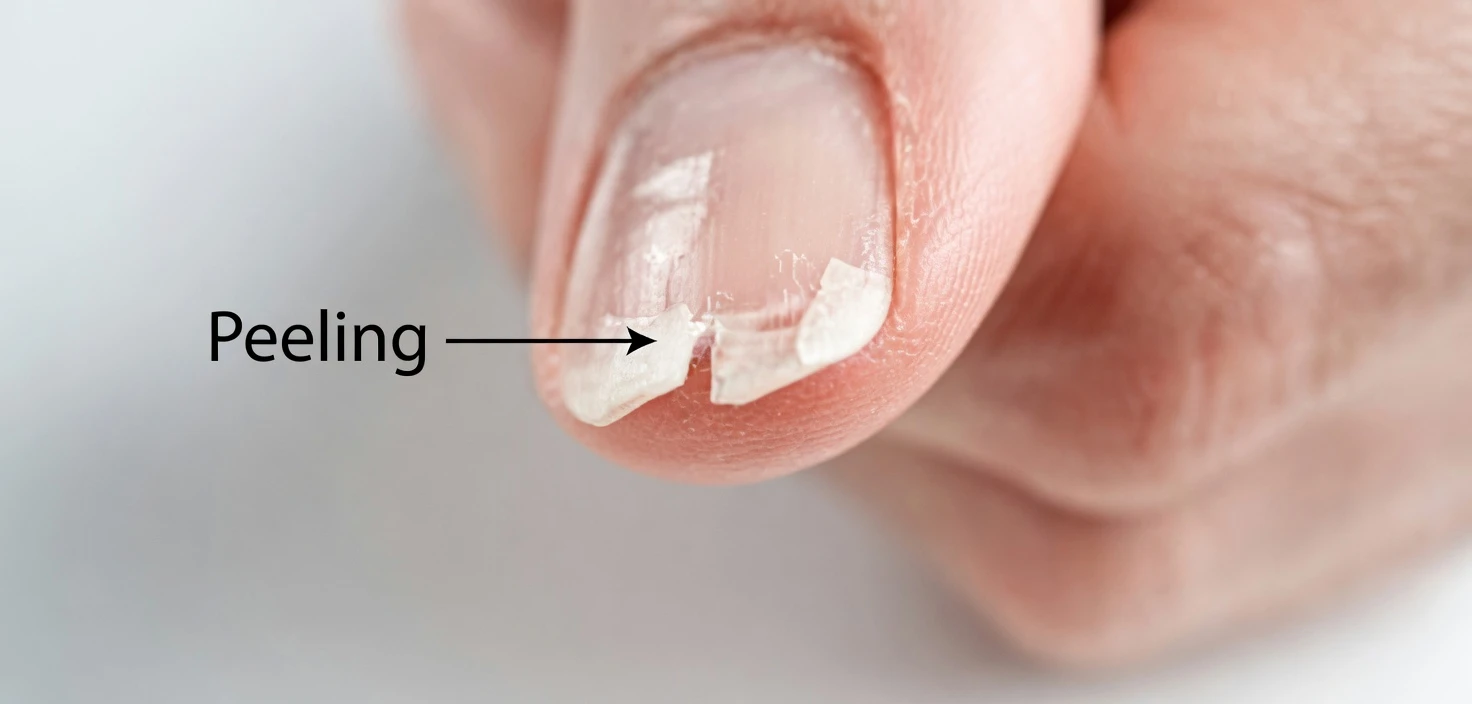
7) Thyroid Imbalances (Often Linked With Ridging and Brittleness)
Thyroid function changes—especially hypothyroidism—are often associated with brittle, ridged, or slow-growing nails. Because symptoms (like fatigue) can overlap with other issues, testing is often the clearest way to confirm whether thyroid function is involved.
Supportive steps
- If you have brittle nails alongside symptoms such as fatigue or unexplained changes in weight or temperature tolerance, talk to a doctor about evaluation.
8) Skin Conditions Such as Psoriasis Affecting the Nails
Certain inflammatory skin conditions can also involve the nails, leading to changes like pitting, splitting, or discoloration. Improving the underlying condition often improves nail appearance and comfort.
Supportive steps
- Follow a dermatologist’s care plan for the underlying skin issue.
- Avoid aggressive trimming or scraping under the nail, which can worsen irritation.
9) Fungal Nail Infections
Nails that are brittle along with thickening, yellowing, or discoloration may point to a fungal infection—more likely when nails are frequently in warm, moist environments.
Supportive steps
- Keep nails clean, dry, and trimmed.
- Seek professional guidance if you suspect fungus; targeted treatment is often needed.
10) Aging and Ongoing Physical Stress (Daily Wear and Tear)
As we age, nails naturally lose moisture and may become more fragile. On top of that, using nails as tools—prying, picking, scraping—adds repeated trauma that increases splitting and peeling.
Supportive steps
- Keep nails slightly shorter and file gently to prevent snagging.
- Avoid picking at peeling layers (it often makes splitting worse).
- Moisturize regularly and handle nails gently.
Quick Summary: Signs, Solutions, and Typical Timelines
-
Low biotin
- Common signs: splitting, peeling
- Helpful steps: eggs, nuts, leafy greens; consider medical guidance for supplements
- Typical timeline: 4–8 weeks
-
Iron shortfall
- Common signs: thin nails, spoon shape, pale nail beds
- Helpful steps: red meat, lentils, spinach + vitamin C; medical guidance before supplements
- Typical timeline: 2–6 months
-
Low protein
- Common signs: soft nails, frequent breaking
- Helpful steps: lean meats, legumes, dairy, fish, tofu
- Typical timeline: 6–12 weeks
-
Dehydration
- Common signs: dry, brittle nails
- Helpful steps: more water, herbal tea
- Typical timeline: days to weeks
-
Chemical exposure
- Common signs: dryness, stripping, peeling layers
- Helpful steps: gloves, acetone-free remover, moisturize after washing
- Typical timeline: ongoing improvement with protection
-
Dry weather
- Common signs: increased cracking in cold seasons
- Helpful steps: cuticle moisture, gloves outdoors
- Typical timeline: seasonal
-
Thyroid changes
- Common signs: ridges, slow growth, brittleness
- Helpful steps: medical evaluation
- Typical timeline: varies
-
Skin conditions
- Common signs: pitting, discoloration, splitting
- Helpful steps: targeted dermatology care
- Typical timeline: varies
-
Fungal issues
- Common signs: thick, discolored, brittle nails
- Helpful steps: keep dry; seek professional treatment
- Typical timeline: 4–12+ weeks
-
Aging/physical stress
- Common signs: cumulative wear, repeated splitting
- Helpful steps: gentle handling, regular moisturizing
- Typical timeline: ongoing
Quick Fixes vs. Root-Cause Strategies: What Works Best?
-
Nail hardeners or polish-based fixes
- Effect: mostly temporary surface support
- Long-term value: low to moderate
- Cost: medium
-
Topical oils alone
- Effect: improves surface moisture and flexibility
- Long-term value: moderate (best when combined with other changes)
- Cost: low
-
Diet + hydration improvements
- Effect: addresses foundational causes
- Long-term value: high
- Cost: very low
-
Medical evaluation when symptoms suggest an underlying issue
- Effect: targets deeper, correctable causes (thyroid, anemia, infections)
- Long-term value: highest when appropriate
- Cost: varies
Start Strengthening Your Nails Today
For many people, the best results come from small, consistent steps: drinking enough water, eating nutrient-dense meals, and protecting nails from chemicals and trauma. Improvements often appear gradually—sometimes within weeks for reduced peeling, but full nail strength can take months because nails grow slowly.
Choose one or two changes to start this week, then check progress after 7–10 days. Consistency is usually the factor that makes the biggest difference.
Frequently Asked Questions
How long does it take to improve brittle nails?
Some people notice less splitting within a few weeks after improving hydration and diet. However, complete recovery can take 3–6 months, since nails need time to grow out.
Are brittle nails always a sign of a serious health problem?
Not always. Aging, dry weather, dehydration, and daily habits are common causes. If brittleness comes with symptoms like fatigue or major changes in health, it’s wise to speak with a healthcare professional.
Do supplements help with brittle nails?
Supplements—especially biotin—may help in certain cases, and some studies show improvement for people with brittle nails. Results vary, and it’s best to consult a clinician before starting supplements.
Medical Disclaimer
This article is for informational purposes only and does not replace professional medical advice. For personalized evaluation and treatment, consult a qualified healthcare provider.