Persistent fatigue, unexplained body aches, and an ongoing “something isn’t right” feeling can be deeply discouraging. You may improve your diet, prioritize sleep, and work on stress—yet your health still feels off. One commonly missed factor is oral health: even one untreated decayed tooth can quietly fuel inflammation that affects more than just your mouth. By the end of this article, you’ll understand the mouth–body connection and learn simple daily habits that can support both oral hygiene and overall wellness.
The Unexpected Connection Between Oral Health and Whole-Body Wellness
A cavity can look like a small, isolated dental problem. In reality, your mouth is closely integrated with the rest of your body through blood vessels, nerves, and the immune system.
When tooth decay develops, bacteria thrive in the damaged area. If the problem isn’t addressed, those bacteria can irritate nearby gums and tissues. Your body responds with inflammation—an essential defense mechanism.
The crucial detail: inflammation helps in the short term, but when it becomes chronic, it can overwork your immune system and add to your body’s overall inflammatory load.
Multiple peer-reviewed medical and dental studies have found associations between poor oral health and higher levels of systemic inflammation markers. This does not prove that a single cavity directly causes major disease, but it strongly highlights how tightly oral health and general health are linked.
What’s Really Going On Inside a Decayed Tooth
To see how a local issue can influence the bigger picture, it helps to understand what happens during tooth decay.
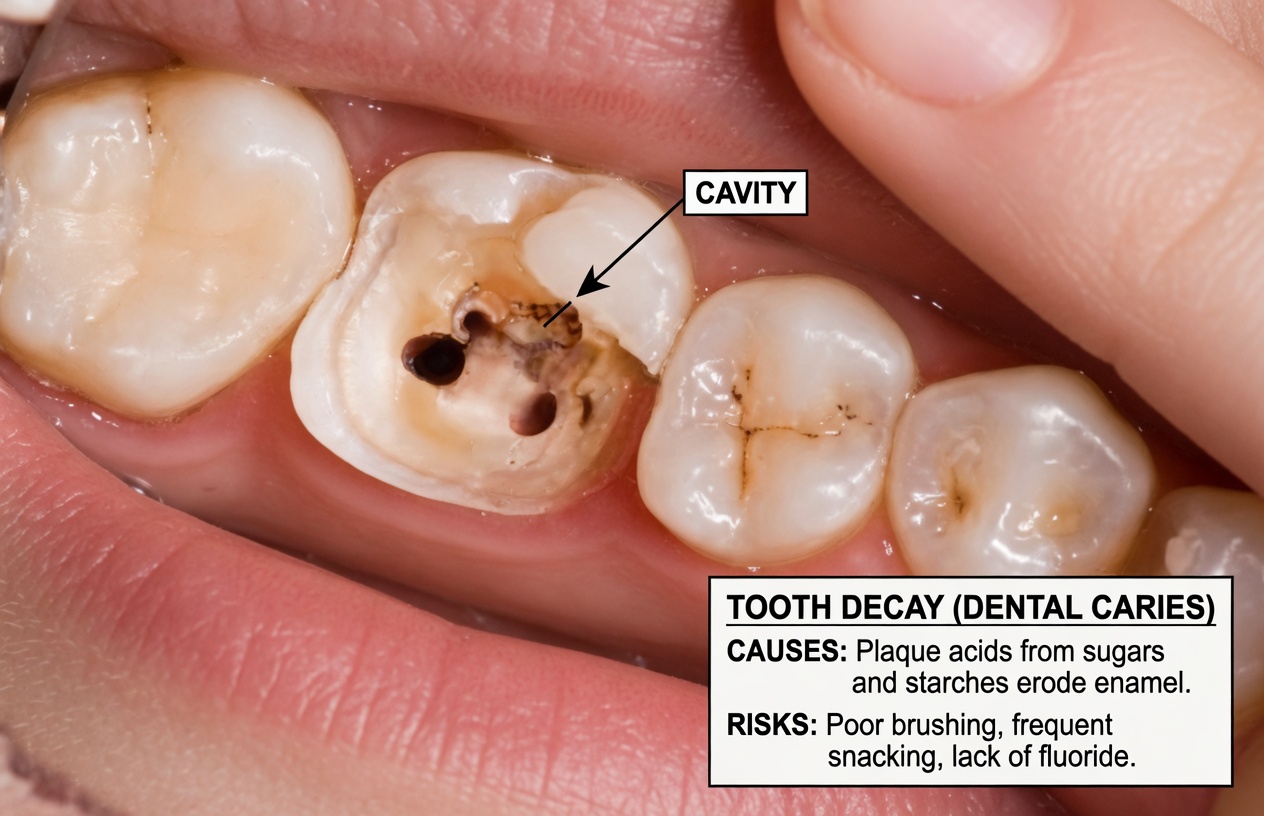
How Tooth Decay Progresses (Step by Step)
- Plaque builds up from food particles and bacteria on the tooth surface.
- Bacteria produce acids that gradually erode the enamel.
- A cavity forms as the enamel weakens and breaks down.
- If decay reaches deeper layers, the tooth’s inner pulp may become irritated or infected.
The pulp contains nerves and blood vessels. Once bacteria reach this area, the immune system may respond more intensely, leading to swelling, sensitivity, discomfort, and sometimes infection.
The key takeaway: inflammatory chemicals released in response to dental bacteria don’t necessarily stay in one spot. They can enter circulation and contribute to inflammation elsewhere in the body.
Why Chronic Inflammation Can Drain Your Energy and Resilience
Inflammation itself isn’t the enemy—it’s part of healing and immune defense. The problem is persistent, low-grade inflammation that never fully resolves.
Scientific literature links chronic inflammation with long-term health challenges, including:
- Cardiovascular strain (heart and blood vessel concerns)
- Blood sugar regulation issues
- Joint discomfort and stiffness
- Ongoing tiredness and low energy
One decayed tooth is not a guaranteed cause of these conditions. However, unmanaged oral inflammation can become an additional stressor—especially when combined with poor sleep, high stress, processed foods, or lack of movement.
Think of your body’s resilience like a limited daily budget. Every ongoing stressor withdraws from it. An untreated dental problem can become another quiet withdrawal you don’t notice—until you feel the effects.
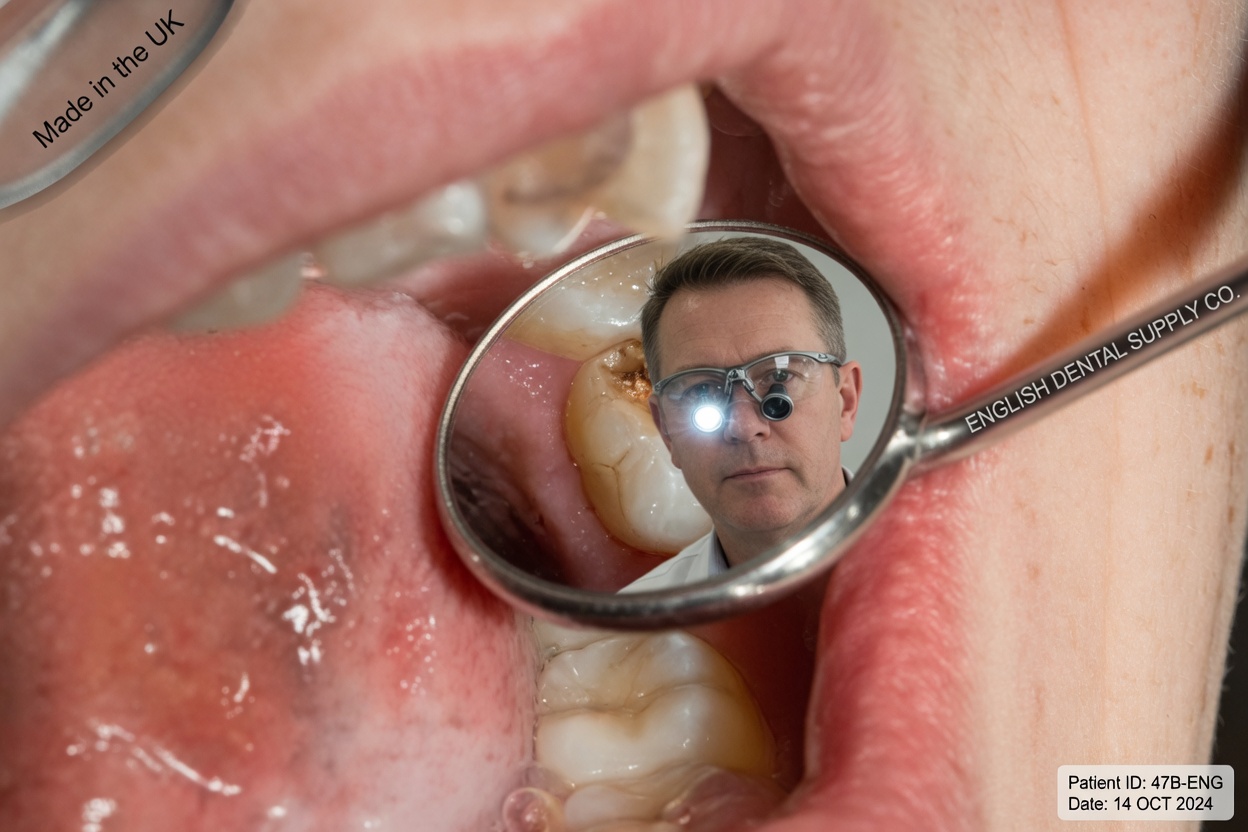
Signs a Tooth Problem May Be Affecting More Than Your Mouth
Some oral health issues are obvious. Others build slowly and show up as subtle, persistent symptoms.
Consider a dental checkup if you notice:
- Ongoing bad breath
- Bleeding, puffy, or tender gums
- Sensitivity to hot or cold foods and drinks
- Dull jaw soreness or pressure
- A general sense of low energy that won’t improve
If these signs linger, early evaluation matters. Catching decay or gum irritation early is usually simpler, less costly, and less stressful than treating advanced damage.
Many people also report feeling “better overall” after resolving long-standing oral irritation. Individual results vary, but the pattern supports an important idea: oral care can meaningfully support whole-body wellbeing.
Why Your Immune System Pays Close Attention to Your Teeth
Your immune system constantly scans for threats. When bacteria from a decayed tooth persist, your immune response may stay activated more often than it should.
Over time, repeated immune activation may contribute to:
- Higher inflammatory marker levels
- Increased oxidative stress
- Greater overall immune workload
Observational research often finds that people with healthier gums tend to show lower levels of certain inflammation-related blood markers. While more research continues, dental and medical experts broadly agree: strong oral hygiene is a foundational part of preventive health.
In short, taking care of your teeth isn’t only about appearance—it’s about supporting your body’s total health system.
Practical Daily Habits for Better Oral Health (and Better Overall Health)
The best part: you can reduce risk with small, consistent routines. These habits are simple, but their impact compounds over time.
1. Brush Properly Twice Daily
- Use a soft-bristled toothbrush and fluoride toothpaste
- Brush for at least two minutes
- Clean every surface of each tooth
Gentle circular motions are more effective than harsh scrubbing, which can irritate gums and wear enamel.
2. Floss Daily (Don’t Rely on Brushing Alone)
Flossing clears plaque and debris between teeth where a toothbrush can’t reach, helping reduce bacterial buildup and gum inflammation.
If standard floss is difficult, try:
- Floss picks
- Interdental brushes
- A water flosser
3. Use Mouth Rinse Thoughtfully
An antimicrobial rinse can help lower bacterial levels. Choose products commonly recommended by dental professionals.
Avoid overusing harsh rinses that may disrupt the mouth’s natural balance.
4. Book Regular Dental Checkups and Cleanings
Professional cleanings remove hardened plaque that home care can’t eliminate. Routine exams can catch early cavities before they reach deeper tooth layers.
Many adults do well with visits every six months, but your dentist may recommend a different schedule based on your risk factors.
5. Strengthen Your Immune Foundation
Oral health doesn’t exist in isolation. Lifestyle habits affect how well your body handles inflammation.
Prioritize:
- Whole-food meals, especially vegetables and fiber-rich options
- Enough water throughout the day
- Reliable sleep routines
- Stress reduction habits (walking, breathing exercises, light movement)
Healthy Tooth vs. Untreated Tooth Decay: A Simple Comparison
Healthy Tooth
- Strong enamel barrier
- More balanced oral bacteria
- Minimal gum irritation
- Lower inflammation burden
Untreated Decay
- Weakened enamel
- Bacterial overgrowth
- Ongoing gum inflammation
- Increased immune activation
Side-by-side, the difference is clear: what appears “small” in one tooth can create larger ripple effects over time.
Common Myths About Cavities (and What’s True)
Myth 1: “A cavity is only a cosmetic issue.”
Reality: tooth decay is a bacterial process. Left untreated, it can deepen and inflame surrounding tissue.
Myth 2: “If it doesn’t hurt, it’s not serious.”
Reality: many cavities progress silently until damage becomes more advanced.
Myth 3: “Brushing harder cleans better.”
Reality: aggressive brushing can wear enamel and irritate gums. Gentle, consistent technique works best.
The Bigger Preventive Health Message
Modern health increasingly focuses on prevention rather than waiting for problems to become severe. Oral hygiene fits perfectly into this approach.
Global health organizations note that oral diseases are among the most common health conditions worldwide—yet many are preventable with routine care and education.
When you improve daily oral habits, you’re doing more than avoiding cavities. You may also support a healthier inflammatory balance throughout your body.
Conclusion
A single decayed tooth may seem minor, but it can contribute to ongoing oral inflammation—and that inflammation may add to your body’s overall burden over time. The good news is that consistent, simple habits like mindful brushing, daily flossing, and routine dental visits can protect your mouth and support your broader wellbeing. Small actions, repeated daily, can compound into better energy, greater confidence, and stronger long-term health.