
Benign Prostatic Hyperplasia (BPH): Why It Happens and How Food Can Support Prostate Comfort
Benign prostatic hyperplasia (BPH)—often called an enlarged prostate—becomes far more common as men get older. It affects many men after age 50, and by the 80s, it’s extremely widespread. For many, the biggest challenge isn’t the diagnosis itself, but the day-to-day urinary symptoms: waking up multiple times at night to urinate, a weaker stream, urgency, or the nagging feeling that the bladder never fully empties.
Over time, disrupted sleep and constant planning around bathrooms can leave you drained, irritable, and less able to enjoy simple routines without worry.
The encouraging news: while diet isn’t a cure, smart food choices can play a supportive role in prostate wellness. Research frequently highlights fruits packed with antioxidants and anti-inflammatory nutrients that may help ease discomfort linked to age-related prostate changes. This guide focuses on one standout option—tomatoes—plus four additional fruits that complement tomato-based benefits.

Prostate Enlargement in Plain Terms (and Why Diet Matters)
The prostate is a small gland located below the bladder. As men age, it commonly grows. When it enlarges, it can squeeze the urethra (the tube that carries urine out), triggering lower urinary tract symptoms (LUTS) such as:
- Frequent urination (especially at night)
- Weak or intermittent urine flow
- Sudden urgency
- A sensation of incomplete emptying
Medical associations, including the American Urological Association, note how common these symptoms are in men over 50—and how strongly they can affect sleep quality and overall quality of life.
Medications and lifestyle changes help many people. Still, a large number of men also look for natural, low-risk supportive strategies, and nutrition is one of the most practical places to start. Emerging evidence suggests that diets rich in antioxidants and anti-inflammatory compounds may help address contributors such as oxidative stress and low-grade inflammation, both of which are linked to prostate aging.
The “Star” Fruit for Prostate Support: Tomatoes
Tomatoes repeatedly stand out in prostate-health research largely because they are one of the best sources of lycopene, a carotenoid antioxidant. Importantly, lycopene becomes easier for the body to absorb when tomatoes are cooked or processed (such as in sauces, soups, and paste).
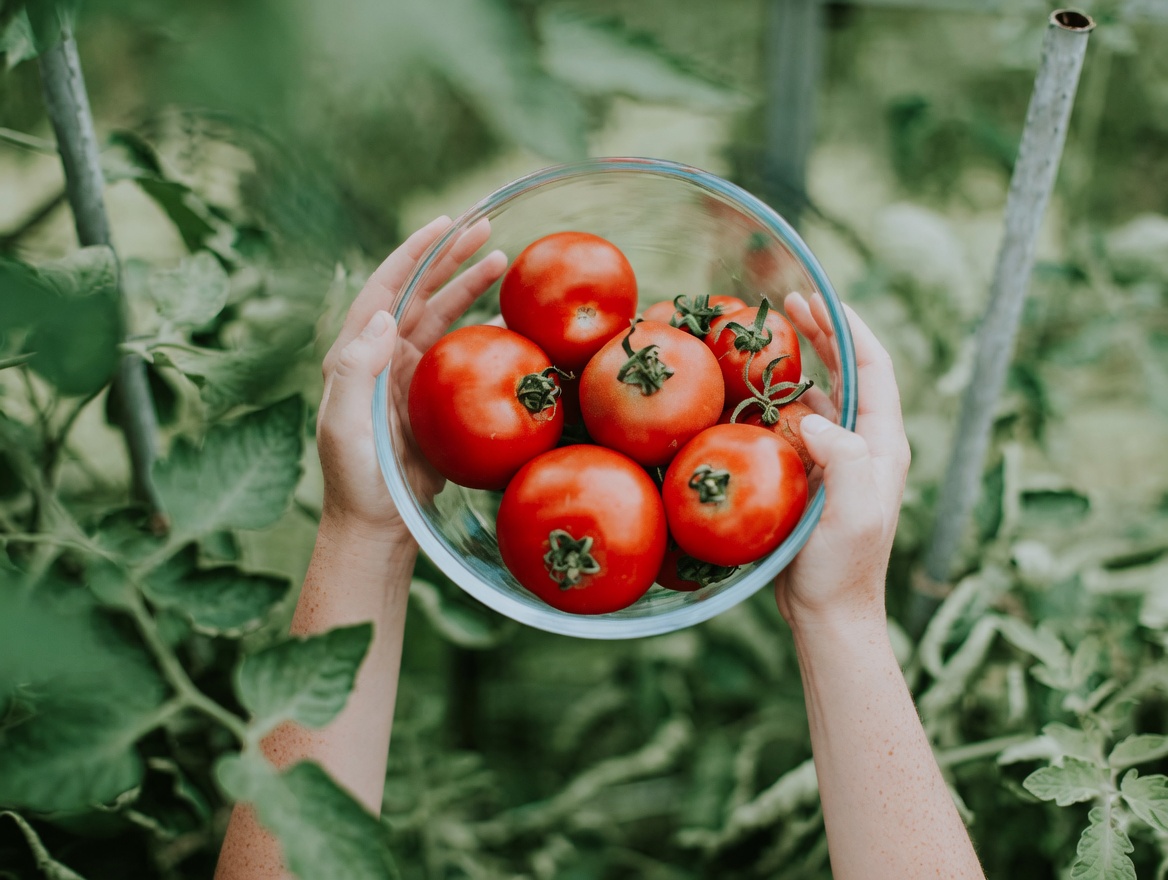
Why tomatoes are so frequently recommended
-
Lycopene and cellular protection
Lycopene tends to accumulate in prostate tissue and helps neutralize oxidative stress. In research including a pilot trial in The Journal of Nutrition, daily lycopene intake around 15 mg (roughly achievable through certain tomato products) was associated with more stable prostate outcomes and symptom scores over months compared with placebo groups where enlargement continued. -
Support against inflammation
Chronic, low-level inflammation is commonly discussed in relation to prostate enlargement. Lycopene and additional tomato phytonutrients may help modulate inflammatory pathways, which is why tomatoes appear so often in review papers on prostate wellness. -
Potential improvements in prostate-related markers
Observational research and smaller clinical trials have linked regular tomato intake with more favorable trends in PSA-related measures and urinary symptoms—not as a guarantee, but as a consistent supportive signal.
Practical absorption tip: cooking tomatoes with a small amount of healthy fat—especially olive oil—can increase lycopene absorption by approximately 3–5 times.
Four More Fruits That Pair Well with Tomatoes for a Prostate-Friendly Diet
Tomatoes may lead the conversation, but a broader “prostate-support plate” benefits from variety. These four fruits add complementary nutrients that support hydration, antioxidant defenses, and metabolic balance.
1) Watermelon
Watermelon offers:
- Citrulline, which supports nitric oxide pathways and healthy blood flow
- Additional lycopene
- High water content that supports gentle hydration
For some people, better hydration (earlier in the day) and circulation support can be helpful for overall pelvic comfort.
2) Papaya
Papaya contributes:
- Antioxidants, including vitamin C
- Natural enzymes
- Soluble fiber, which can support regular bowel movements and reduce straining
Digestive regularity matters more than many realize, because straining and constipation can worsen pelvic pressure and discomfort.
3) Avocado
Avocado is valued for:
- Monounsaturated fats that support nutrient absorption and metabolic health
- Beta-sitosterol, a plant compound often discussed in men’s health research for urinary comfort and inflammatory balance
Because avocado is calorie-dense, portioning matters (a little goes a long way).
4) Blueberries
Blueberries are rich in:
- Anthocyanins and other antioxidants that help protect cells
- Compounds that support vascular and tissue health
They’re an easy, low-effort addition to breakfast or snacks and fit well into many dietary styles.
Why These Fruits May Help: 15 Key Advantages
Here are 15 reasons tomatoes plus these complementary fruits are often described as prostate-supportive:
- High lycopene concentration in tomatoes for antioxidant defense
- Tomato phytonutrients associated with reduced oxidative stress
- Links between tomato intake and healthier prostate-related markers in some studies
- Citrulline in watermelon supporting circulation
- Watermelon’s hydration supporting general bladder comfort
- Papaya’s layered antioxidant profile for cell protection
- Papaya fiber supporting digestion and less straining
- Avocado fats improving absorption of fat-soluble nutrients (including carotenoids)
- Beta-sitosterol in avocado associated with urinary comfort support
- Blueberry anthocyanins supporting cellular resilience
- Blueberries contributing to balanced nutrition without excess calories
- Synergy from combining different antioxidants and phytonutrients
- Simple ways to increase nutrient density without complicated meal plans
- Potential indirect benefits like better sleep if nighttime urination improves
- These fruits are enjoyable, making long-term consistency easier
Easy Ways to Add These Fruits to Your Routine
Consistency matters more than perfection. Use this gradual approach:
-
Days 1–7
- Add one serving of cooked tomato (sauce, soup, roasted tomatoes)
- Include 1 cup of watermelon
-
Weeks 2–4
- Add papaya slices a few times per week
- Include about 1/3 avocado per day (or most days)
- Add a small handful of blueberries
-
Month 1 and beyond
- Rotate all five fruits to keep variety high and habits sustainable
Quick preparation ideas
- Simmer tomatoes into sauce with olive oil to maximize lycopene uptake
- Choose ripe papaya (deep orange flesh) for better flavor and nutrient content
- Blend watermelon with lemon and mint for a refreshing daytime drink
- Add avocado to salads, bowls, or whole-grain toast for a simple fat source
Common Symptom Strategies vs. Fruit-Based Nutritional Support
-
Frequent nighttime urination (nocturia)
- Typical approaches: medications (may have side effects)
- Fruit-based support: hydration timing + anti-inflammatory nutrients
-
Weak urine stream
- Typical approaches: alpha-blockers (dizziness risk in some users)
- Fruit-based support: circulation support + antioxidant protection
-
Incomplete emptying feeling
- Typical approaches: procedures/surgery for more severe cases
- Fruit-based support: fiber and overall dietary balance supporting comfort
-
General pelvic discomfort and fatigue from disrupted sleep
- Typical approaches: often overlooked
- Fruit-based support: daily nutrient intake supporting recovery and resilience
Advanced Tips for Better Results (Without Overcomplicating)
- Prioritize cooked tomato products (sauce, paste, soup, roasted tomatoes) for better bioavailability
- Pick fully ripe papaya for stronger taste and nutrient value
- Keep avocado to roughly one-third per day to get benefits without calorie overload
Medical Note (Please Read)
This article is for informational purposes only and is not a substitute for professional medical advice. If you have urinary symptoms, suspected BPH, or any existing health condition, consult a qualified healthcare provider before making significant dietary changes.
FAQ
What makes tomatoes especially relevant for prostate health?
Tomatoes are among the most concentrated dietary sources of lycopene, an antioxidant frequently associated in studies with supportive effects on prostate tissue and urinary comfort—especially when tomatoes are cooked or processed.
How much of these fruits should I eat per day?
A practical daily target is variety rather than strict numbers. Many people aim for:
- One serving of cooked tomatoes
- About 1 cup watermelon
- A serving of papaya
- About 1/3 avocado
- A handful of blueberries
If daily feels hard, start with tomatoes plus one other fruit and build from there.
Can fruit replace medication or other BPH treatments?
No. These fruits can support overall nutrition, but they do not replace medical treatment. Always discuss symptoms and treatment decisions with your clinician.