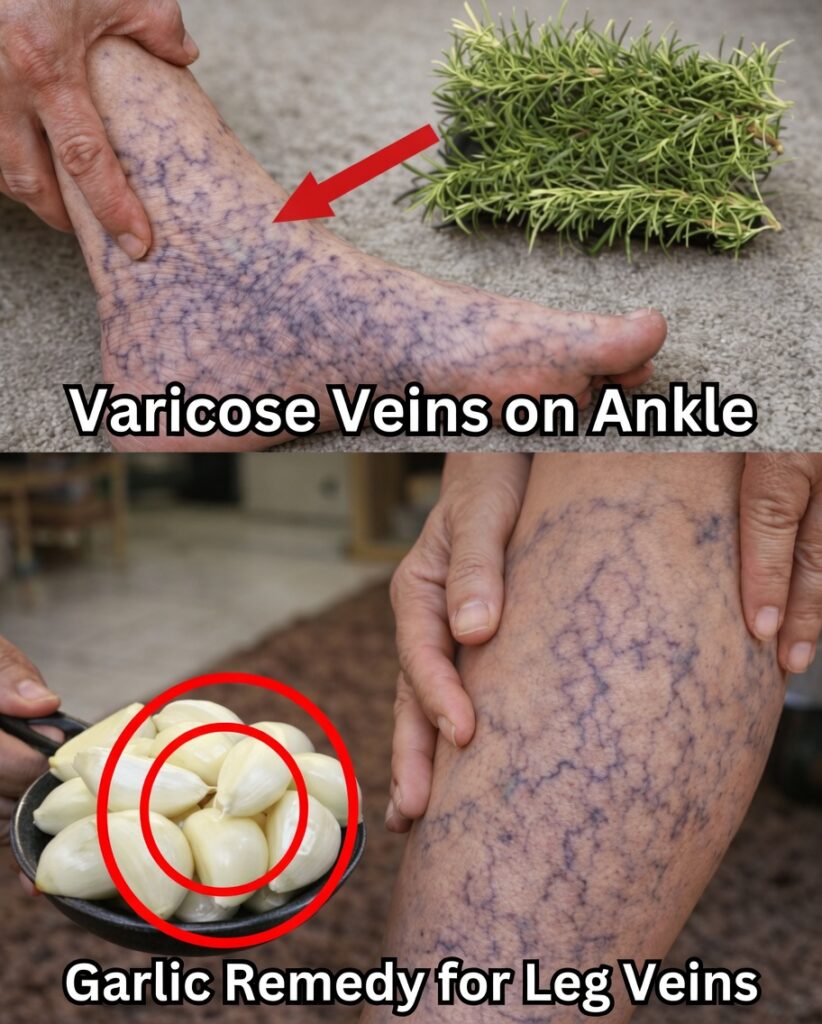
Rosemary for Varicose Veins: Can This Everyday Herb Support Circulation and Leg Comfort?
Varicose veins—those enlarged, twisted veins that often show up on the legs—can make everyday life feel heavier than it should. Many people notice aching, swelling, itching, or a “tired legs” sensation after long hours of standing or sitting. Beyond physical discomfort, visible veins can also affect confidence.
Because varicose veins are so common and often linked to factors like weakened vein structure, sluggish blood flow, genetics, and daily lifestyle demands, many people look for gentle, practical ways to support circulation at home. One surprisingly popular option is rosemary (Rosmarinus officinalis)—a familiar kitchen herb that also has a long history in traditional wellness routines.
This article breaks down what rosemary may (and may not) do for leg wellness and circulation support, based on traditional use and early research, plus safe, realistic ways to include it in your routine.
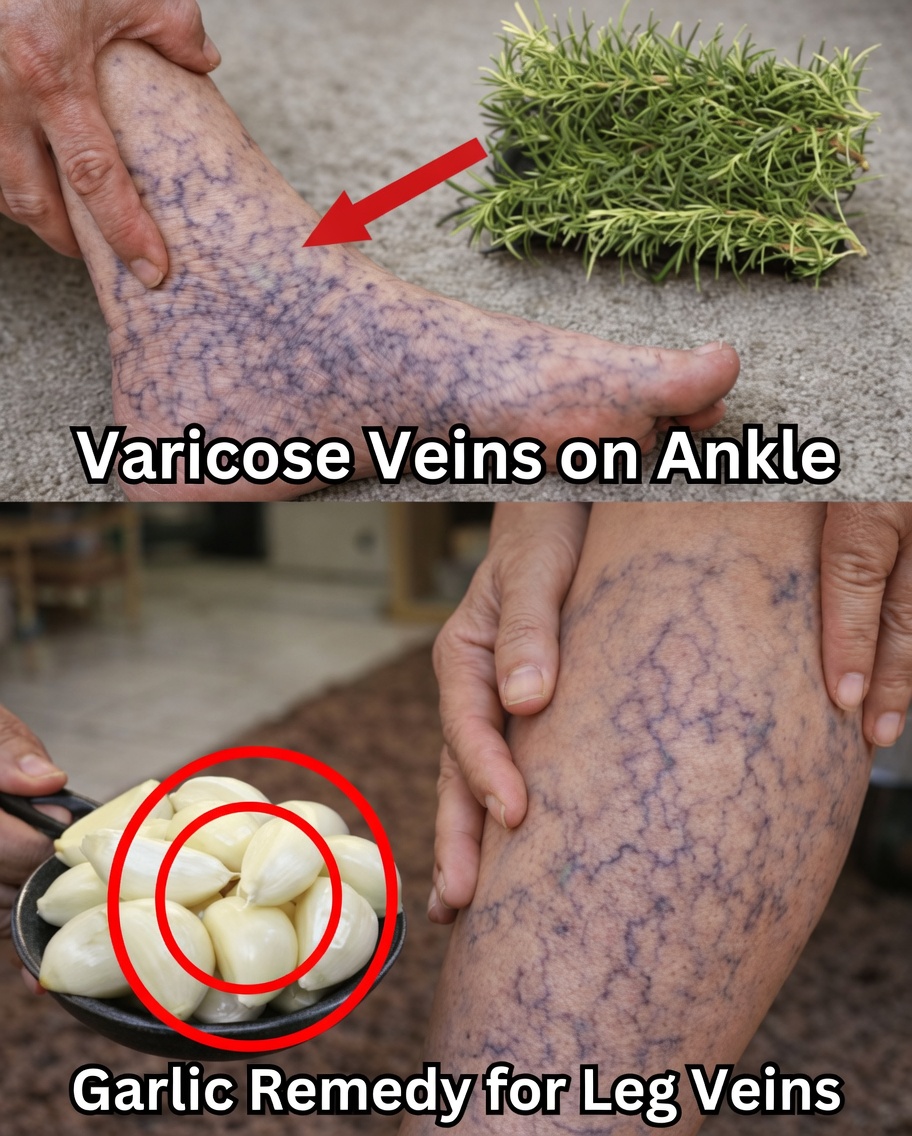
The Everyday Reality of Varicose Veins
Varicose veins typically develop when leg veins have difficulty moving blood upward toward the heart. When blood doesn’t circulate efficiently, it can pool in the lower legs, stretching the vein walls over time. That’s why varicose veins may look like visible blue or purple lines and can come with:
- Heaviness or aching in the legs
- Mild swelling around the ankles or lower legs
- Itching or irritation near affected veins
- Discomfort that worsens after long periods of standing or sitting
Lifestyle patterns (limited movement, prolonged sitting/standing), weight changes, and family history can all influence risk. Medical procedures and clinical treatments exist—especially for more advanced cases—but many people also want daily habits that help them feel more comfortable.
This is where interest in herbs like rosemary often begins.
Why Rosemary Gets Attention for Vein and Circulation Support
Rosemary is more than a flavorful seasoning. It contains bioactive compounds such as rosmarinic acid, carnosic acid, and antioxidant-rich plant chemicals. In lab studies and early-stage research, rosemary has shown potential effects related to:
- Supporting healthy circulation
- Calming inflammation-related discomfort
- Offering antioxidant protection for tissues and blood vessels
Some studies (including older experimental work referenced around 2009 and more recent reviews) point toward rosemary’s vascular and anti-inflammatory properties, though much of the evidence remains preliminary and may not directly translate to treating varicose veins.
Still, its profile makes it an appealing option for people aiming to build vein-friendly routines.
8 Potential Ways Rosemary May Support Leg Wellness
Rosemary is not a cure and does not replace professional care. However, when used responsibly, it may contribute to everyday comfort and healthier circulation habits in several ways.
-
May Encourage Smoother Circulation
Certain rosemary compounds are studied for their ability to influence blood vessel behavior. Some recent findings suggest rosemary may support blood vessel relaxation mechanisms, which could promote more efficient flow and reduce the “heavy legs” feeling associated with poor circulation. -
May Offer Anti-Inflammatory Support
Oxidative stress and low-grade inflammation can contribute to tissue discomfort. Rosemary’s antioxidant content is often highlighted for helping the body manage daily inflammatory stressors. Some trials involving topical herbal blends that include rosemary have reported improvements in leg heaviness and related markers. -
May Support Blood Vessel Resilience (Early Evidence)
Preliminary laboratory research suggests rosemary may interact with structures involved in tissue firmness and integrity. While not definitive, this is one reason the herb is discussed in broader “vascular wellness” contexts. -
May Help Soothe End-of-Day Leg Discomfort
Rosemary has a long-standing traditional reputation for easing soreness and fatigue. For some people, diluted topical use (or aromatherapy) feels relaxing after long days on their feet. -
May Temporarily Improve the Look and Feel of Skin
Herbal topicals are sometimes used for a mild, temporary “tightening” sensation. While this doesn’t remove varicose veins, some people feel the area looks smoother or feels firmer after consistent skincare routines. -
Provides Antioxidant Protection
Rosemary contains flavonoids and other antioxidants that help neutralize free radicals—an effect frequently documented in antioxidant-focused research. This may support overall tissue health over time. -
May Support Relaxation (Indirect Circulation Benefit)
Stress can contribute to tension and may affect circulation indirectly. Rosemary’s aroma is used in aromatherapy for relaxation and mental clarity; reduced stress may support healthier vascular tone in daily life. -
Easy to Use Consistently
One practical advantage is that rosemary fits easily into routines—tea, foot soaks, or massage—making consistency more achievable, which matters for any lifestyle-based approach.
Rosemary vs. Other Popular Varicose Vein Supports
Below is a quick overview of where rosemary fits among commonly used strategies:
- Rosemary (oil or massage): circulation support and soothing ritual; easy at home; natural
- Compression stockings: mechanical support to improve upward blood flow; effective for many; requires daily wear
- Horse chestnut extract: often used for swelling and heaviness; available as capsules or topical products; not for everyone
- Lifestyle habits (walking, leg elevation): foundational for circulation; free and highly recommended
Rosemary stands out mainly because it combines comfort, accessibility, and multi-purpose wellness benefits, especially when used alongside proven habits like movement and elevation.
Practical, Low-Risk Ways to Use Rosemary Safely
If you want to try rosemary for leg comfort, focus on gentle methods and safe dosing. If symptoms are severe or worsening, prioritize medical evaluation.
1) Diluted Rosemary Oil Massage (Topical)
- Combine 2–3 drops of rosemary essential oil with a carrier oil (such as coconut or jojoba).
- Massage legs upward (toward the heart) for 5–10 minutes, often most soothing in the evening.
- Never apply undiluted essential oil directly to skin.
2) Rosemary Foot or Leg Soak
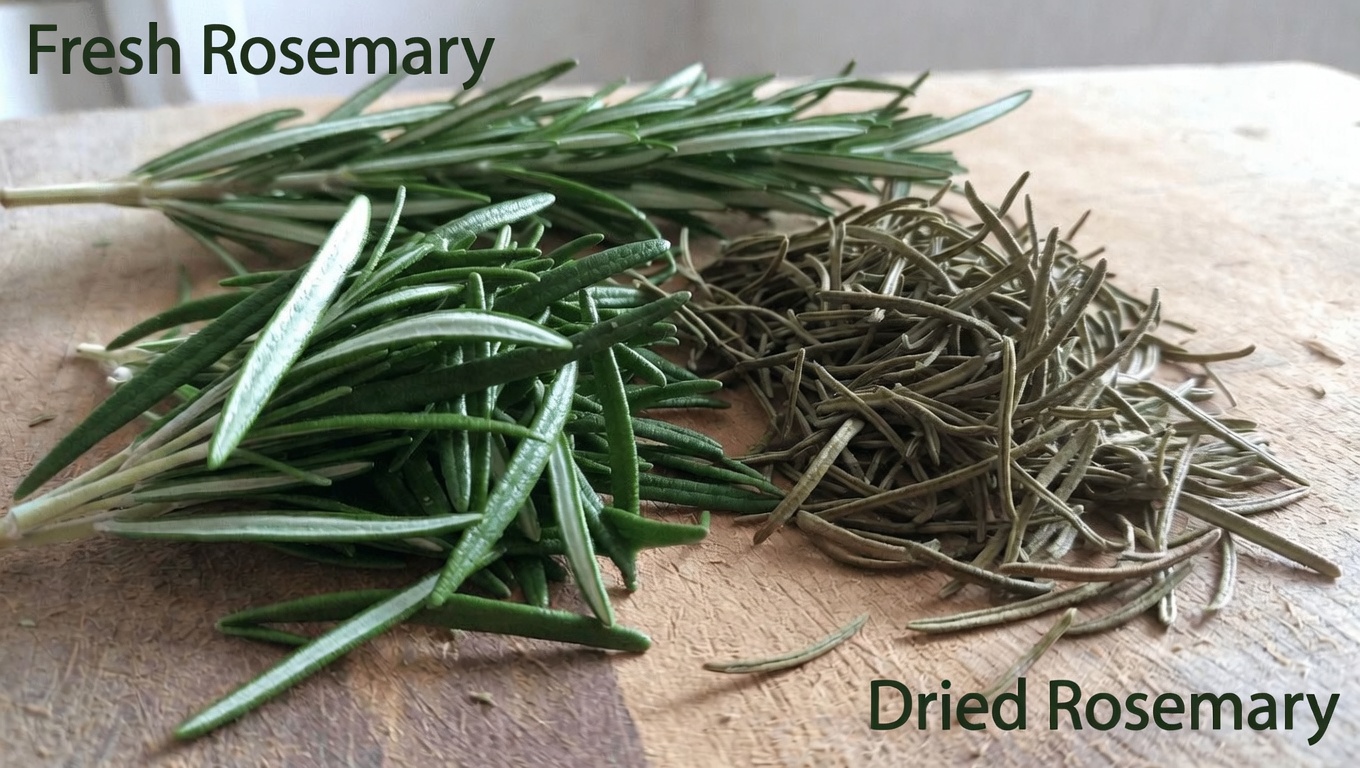
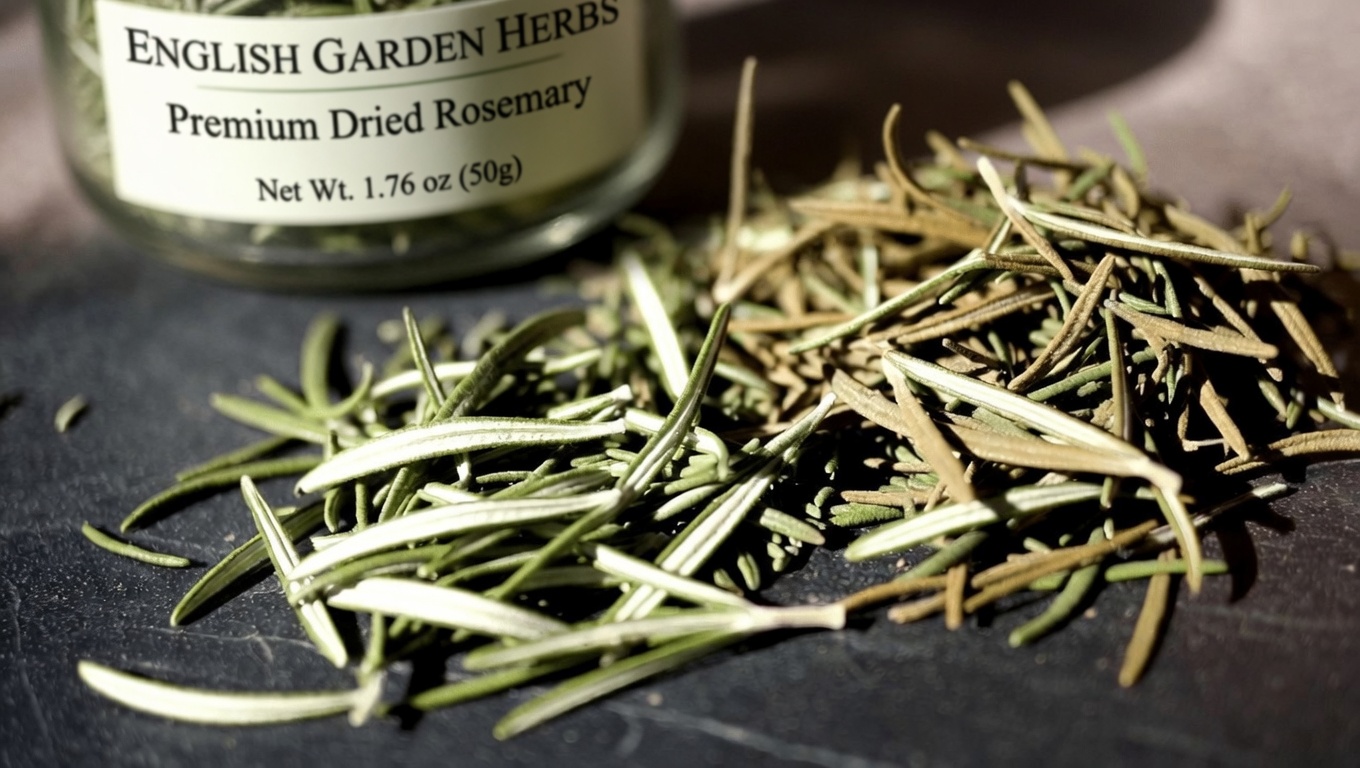
- Steep fresh or dried rosemary in warm water for about 15 minutes.
- Use the infusion for a foot soak; some people add Epsom salts for additional comfort.
3) Rosemary Tea (Moderate Use)
- Brew 1 teaspoon of dried rosemary in hot water for 5–10 minutes.
- Many people keep it to 1–2 cups per day for general antioxidant support.
4) Pair It With Vein-Friendly Habits
Rosemary works best as a supportive add-on, not a standalone solution. Combine it with:
- Short walks during the day
- Regular leg elevation
- Gentle exercise and hydration
- Avoiding long, uninterrupted sitting or standing
Safety Notes (Important)
- Patch test first: try a small amount of diluted oil on the inner arm and wait 24 hours.
- Stop use if irritation occurs.
- Speak with a healthcare professional before using rosemary regularly if you are pregnant, have chronic conditions, or take medications such as blood thinners.
Building More Comfortable Legs, One Habit at a Time
Rosemary can be a simple, aromatic way to support circulation-focused routines and ease everyday leg discomfort—especially when paired with movement, elevation, and other proven lifestyle strategies. For many, the biggest benefit is that it turns self-care into a consistent ritual that feels good and fits real life.
Frequently Asked Questions
Is rosemary safe to use regularly on the legs?
Usually yes—when properly diluted for topical use and used cautiously. Patch testing is recommended, and medical advice is best if you have sensitivities or health concerns.
How soon could someone feel a difference?
Results vary. Some people notice subtle comfort changes within 1–2 weeks, particularly when rosemary is combined with supportive habits like walking and leg elevation.
Can rosemary replace medical treatment for varicose veins?
No. Rosemary may support general comfort and circulation habits, but it does not replace medical diagnosis or clinical care—especially if symptoms worsen, pain increases, or swelling becomes significant.
Disclaimer: This article is for informational purposes only and is not medical advice. Always consult a qualified healthcare provider for personalized guidance.