Hearing the word “cancer” can trigger an instant rush of fear—especially if it has affected your family or someone close to you. The unknowns, the worry about what comes next, and the sense that prevention is out of your control can feel overwhelming. Still, many people find a realistic source of hope in simple, evidence-based nutrition habits—particularly choosing nutrient-dense foods that studies suggest may help support the body’s natural defenses and potentially lower cancer risk.
Below are 10 foods frequently highlighted in research-backed, plant-forward eating patterns. While no single food prevents cancer, building meals around these options can be an empowering step you can take today.
10 Foods That Research Suggests May Help Lower Cancer Risk
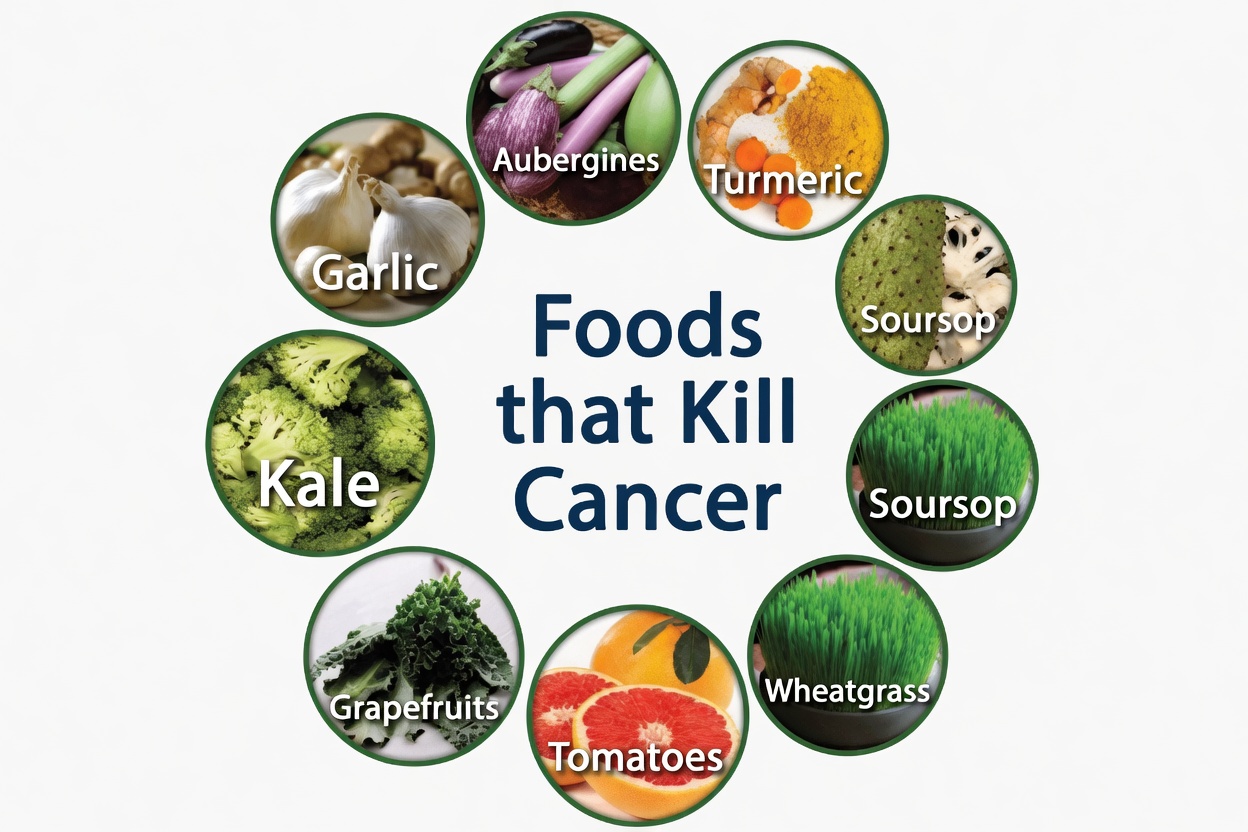
Concern about cancer risk is deeply understandable. Many experts—including organizations such as the American Institute for Cancer Research (AICR)—consistently emphasize plant-rich dietary patterns because they deliver fiber, antioxidants, and protective phytochemicals. Here are 10 standout foods and easy ways to use them.
10. Garlic — A Flavorful, Sulfur-Rich Staple
That unmistakable aroma when garlic cooks isn’t just comforting—garlic contains sulfur-based compounds that research has associated with potential protective effects. Regular garlic intake has been linked in studies to a lower risk of certain digestive cancers, including stomach and colorectal cancers.
Simple ways to use garlic:
- Crush or chop garlic and let it rest for about 10 minutes before cooking.
- Stir it into salad dressings, marinades, roasted vegetables, or soups.
9. Tomatoes — Lycopene for Added Protection
A ripe tomato brings freshness and color to a meal—and it also provides lycopene, an antioxidant studied for its potential role in supporting prostate health. Lycopene becomes more available to the body when tomatoes are cooked, especially when paired with healthy fat.
How to get more lycopene:
- Choose tomato-based soups, sauces, or stews more often.
- Combine tomatoes with olive oil or avocado to improve absorption.
8. Broccoli and Other Cruciferous Vegetables — Detox-Supporting Compounds
Broccoli, cabbage, Brussels sprouts, and kale are widely recognized as cruciferous vegetables. When chopped or chewed, they can produce compounds such as sulforaphane, which has been studied for its role in supporting the body’s detoxification pathways. Population research often links higher cruciferous intake to reduced risk for multiple cancer types.
Best preparation methods:
- Lightly steam broccoli to preserve key compounds, or try raw sprouts.
- Chop cruciferous vegetables in advance to help activate beneficial compounds.
7. Berries — Antioxidant-Rich “Sweet Defenders”
Berries deliver a lot of protective nutrition in a small serving. They’re rich in anthocyanins and vitamin C, and research often highlights berries for their anti-inflammatory potential and support for digestive health.
Easy daily ideas:
- Add berries to oatmeal, yogurt, chia pudding, or salads.
- Keep frozen berries on hand for year-round smoothies.
6. Whole Grains — Fiber for Gut Health
Whole grains like oats, brown rice, and whole wheat provide dietary fiber, which supports the gut and is consistently associated with lower risk of colorectal cancer in large observational studies. They also make meals more satisfying and steady your eating pattern over time.
Simple swaps:
- Replace white rice with brown rice or quinoa.
- Start the day with oatmeal topped with fruit and nuts.
5. Legumes — Budget-Friendly, Nutrient-Dense Powerhouses
Beans, lentils, chickpeas, and peas are packed with fiber and folate, and are frequently connected in research to better colorectal health and broader dietary quality. They’re also one of the easiest ways to build a plant-forward plate without spending more.
Versatile ways to eat legumes:
- Add lentils or beans to soups, stews, and salads.
- Use chickpeas for hummus or create satisfying meatless meals.
4. Fatty Fish — Omega-3s for Inflammation Balance
Fatty fish such as salmon, sardines, and mackerel provide omega-3 fatty acids, which are studied for their role in reducing chronic inflammation. Moderate intake has been associated in some research with potential protective effects for certain cancers.
Smart choices:
- Bake, grill, or roast fatty fish about twice per week.
- Choose wild-caught options when available and appropriate.
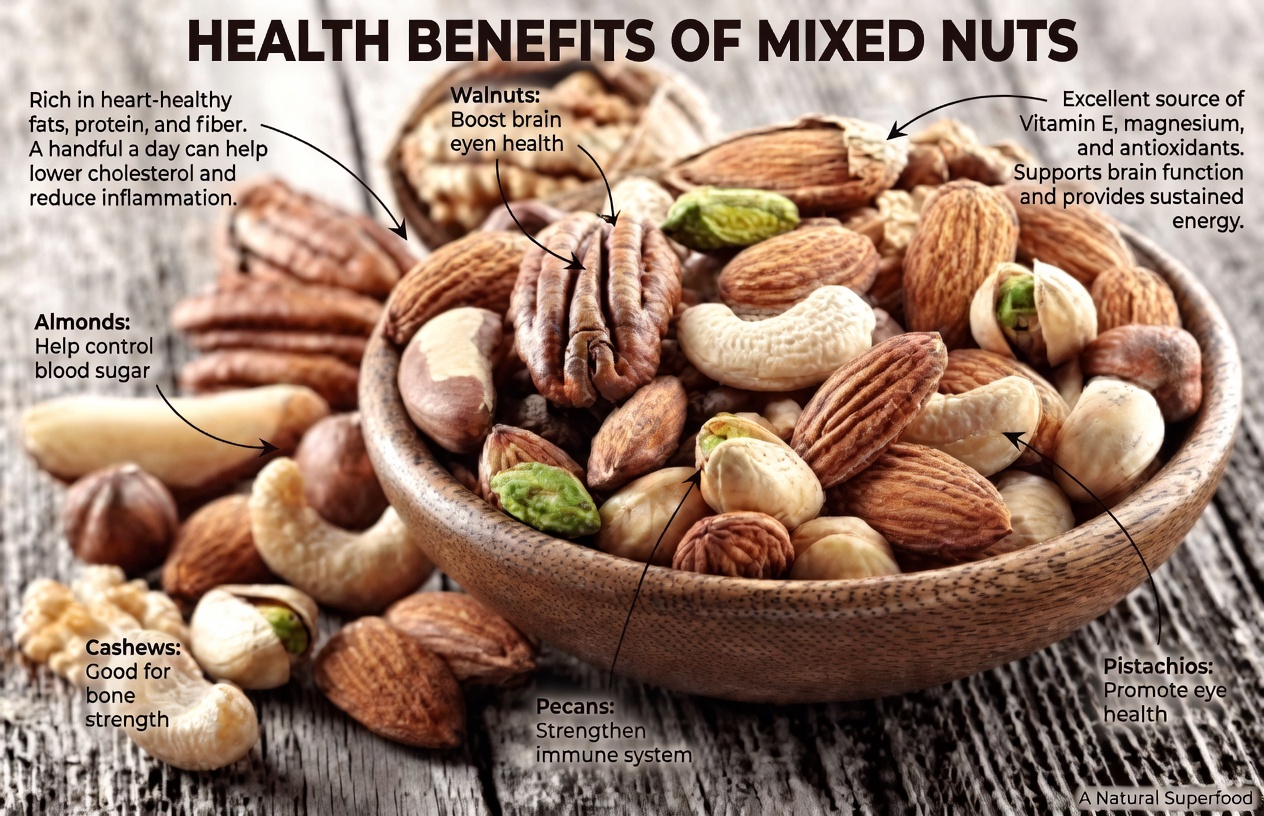
3. Nuts — Small Portions, Big Nutritional Value
Nuts offer a concentrated source of healthy fats, antioxidants, and plant compounds. Research has linked nut consumption with improved overall health outcomes, and some studies suggest a relationship with lower overall cancer risk.
Portion guidance:
- Aim for one small handful per day.
- Rotate different nuts (walnuts, almonds, pistachios) for variety.
2. Dark Leafy Greens — Carotenoids and Folate in Every Bite
Spinach, kale, arugula, and collard greens deliver carotenoids and folate, nutrients associated with cellular protection and healthy DNA function. Including leafy greens regularly is a practical way to increase nutrient density without dramatically changing your diet.
Quick ways to add more greens:
- Sauté greens with garlic and olive oil.
- Blend a handful into smoothies, soups, or pasta sauces.
1. Cruciferous Vegetables (Especially Sprouts) — A Top Research Favorite
Cruciferous vegetables deserve another spotlight because they consistently rank among the most studied foods for potential cancer-protective compounds. A notable “surprise” is that broccoli sprouts can contain especially high concentrations of certain beneficial compounds compared with mature plants—meaning small additions can make a meaningful difference.
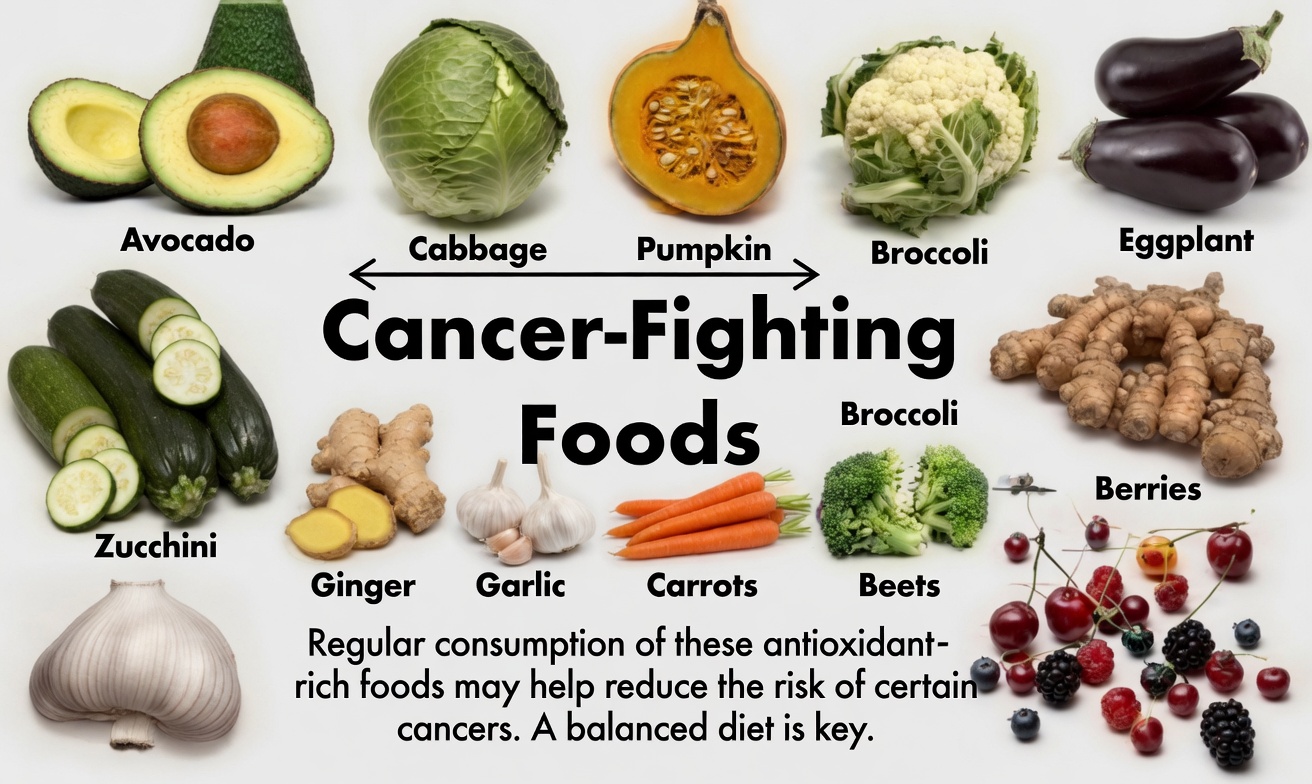
At-a-Glance: These Protective Foods and How to Eat Them
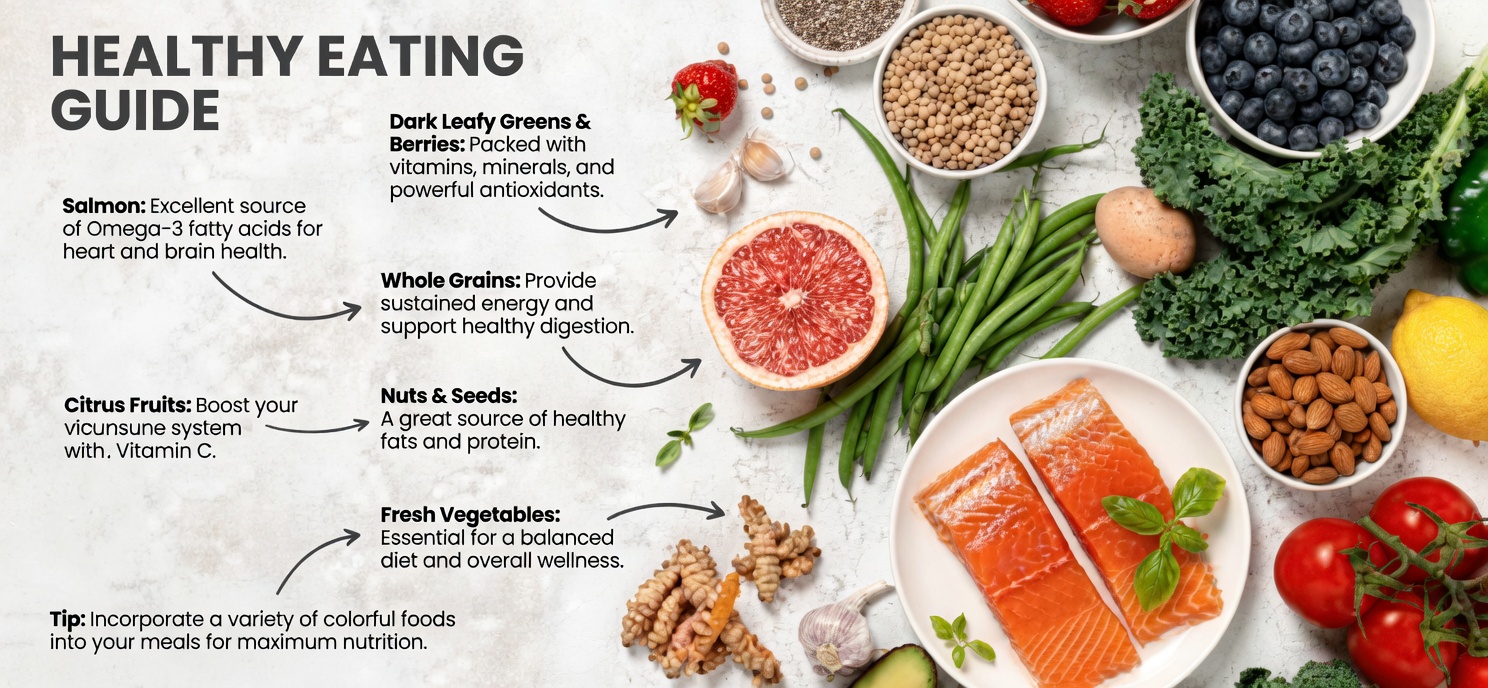
- Garlic: sulfur compounds → digestive health support → roast or mince into meals
- Tomatoes: lycopene → prostate support → use cooked sauces with olive oil
- Cruciferous vegetables: sulforaphane-related compounds → detox pathway support → lightly steam or add sprouts
- Berries: anthocyanins, vitamin C → anti-inflammatory support → fresh, frozen, or blended
- Whole grains: fiber → gut health support → bowls, sides, breakfast oats
- Legumes: folate, fiber → colorectal/breast health support → soups, salads, hummus
- Fatty fish: omega-3s → inflammation balance → bake or grill regularly
- Nuts: healthy fats, antioxidants → overall risk reduction association → small daily handful
- Dark leafy greens: carotenoids, folate → cellular/DNA support → sautés, salads, smoothies
Tip: Benefits compound with variety—aim for a colorful, plant-forward mix across the week.
A Simple Plan to Add These Foods Without Feeling Overwhelmed
Instead of changing everything at once, choose a few realistic upgrades:
- Pick 2–3 foods from this list to focus on this week.
- Build meals so half your plate comes from plant foods.
- After a month, note changes in energy, digestion, and overall consistency—small habits are easier to sustain.
Weekly goals to aim for:
- 3+ servings of cruciferous vegetables
- Daily berries or leafy greens
- Whole grains included in most meals
- Legumes added several times per week
FAQ: Foods and Cancer Risk
Can foods that research suggests may help lower cancer risk actually make a difference?
Yes—large studies consistently show that plant-forward dietary patterns are associated with lower cancer risk. However, no single food works alone; overall dietary pattern and lifestyle matter most.
How many servings should I eat each day?
Prioritize variety. Many guidelines recommend at least 5 servings of fruits and vegetables daily, plus regular whole grains and legumes throughout the week.
Are supplements as effective as whole foods?
Usually not. Whole foods contain fiber and multiple compounds that work together. Most experts recommend focusing on food first rather than relying on isolated supplements.
Medical Disclaimer
This article is for informational purposes only and does not provide medical advice. For personalized guidance on diet and cancer risk, consult a qualified healthcare professional.