Coffee Hair Care at Home: What to Expect After 45 (and How to Do It Right)
When your hair stops catching the light the way it used to—or when gray strands multiply and make your color look muted—it can subtly affect how you feel about your appearance. For many people, these shifts become more noticeable after 45: hair may feel drier, look duller, and resist styling.
Coffee hair care at home has become a popular, low-effort routine because it uses simple ingredients and aims for gentle, visible improvements rather than dramatic transformation. The key is knowing what changes are realistic and how to use coffee on hair without setting yourself up for frustration.
Why Hair Often Looks Different After 45 (and Why Coffee Hair Care Is Trending)
As we age, several things can influence hair color and texture:
- Melanin production slows, so natural pigment fades and gray becomes more prominent.
- Hair cuticles can become rougher, which reduces shine and makes strands feel coarse.
- Product buildup and environmental exposure can create a film that blocks light reflection.
This is where coffee hair care at home attracts interest. Many people are drawn to coffee because:
- Coffee’s dark pigments may temporarily deepen tone, especially on brown or black hair.
- Its mild acidity may help the cuticle lie flatter, which can improve the look of shine for some users.
- Caffeine is often discussed in hair research, particularly for topical use in controlled settings.
Still, it’s best to frame home coffee hair care as a cosmetic enhancement ritual, not a clinical treatment.
What Research Suggests About Coffee, Caffeine, and Hair
Scientific interest focuses more on topical caffeine than brewed coffee itself. In lab (in vitro) studies, caffeine has been shown to interact with hair follicles in ways that may help counter certain growth-suppressing effects and potentially support the growth cycle. However, the caffeine concentration in a home coffee rinse is much lower than what’s typically studied.
That said, many people enjoy coffee hair care at home because it combines:
- Scalp massage (which can feel invigorating)
- Rinsing and conditioning techniques that may improve manageability
- A temporary gloss and depth effect often reported anecdotally, including by beauty and wellness sources such as Healthline
7 Realistic Benefits People Report from Coffee Hair Care
Results vary by hair type, porosity, and base color, but regular users of coffee hair care at home often mention these changes:
-
More Shine and Better Light Reflection
When hair looks lackluster, even a small boost in shine can make it seem healthier. Coffee’s acidity may help some hair cuticles appear smoother, increasing the look of gloss. -
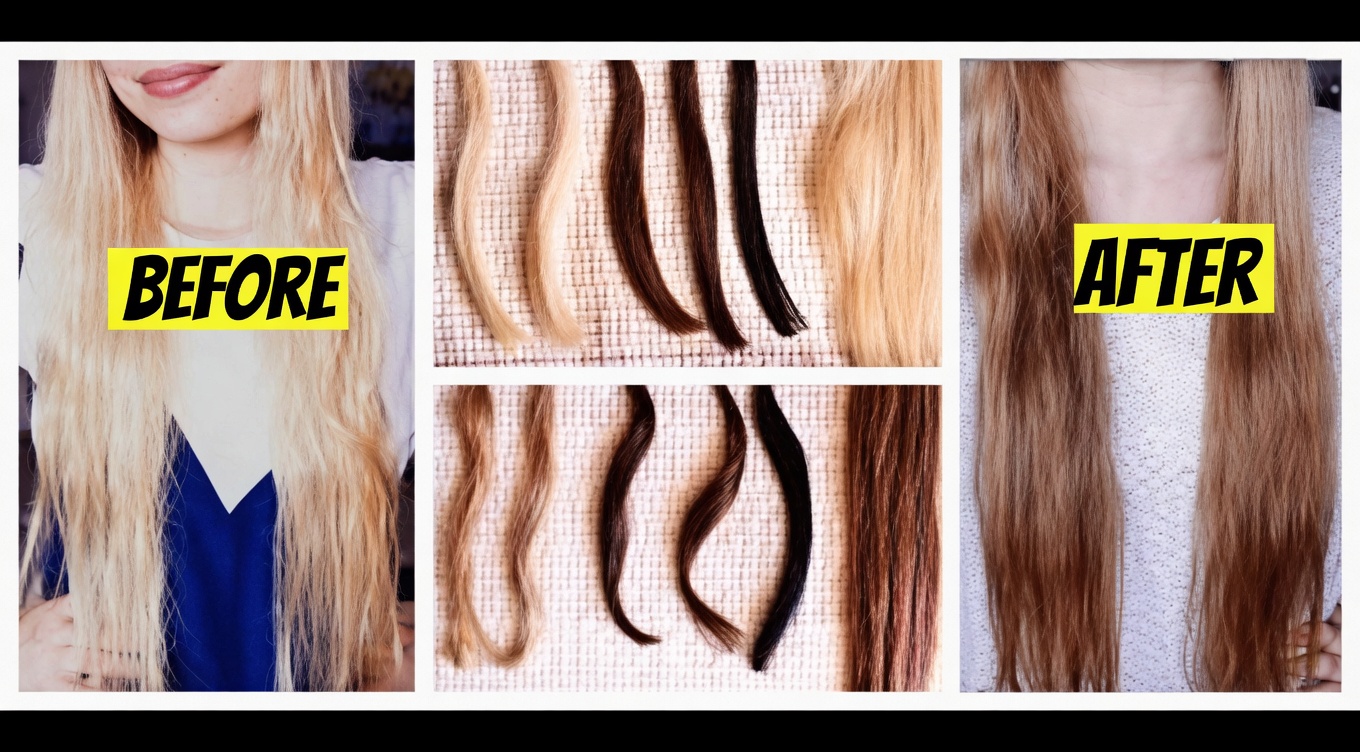
A Temporary Richer Look on Brown or Black Hair
Coffee pigments can lightly stain the outer surface of hair, which may create a warmer, deeper tone—often most noticeable in natural light. -
Softer, More Touchably Smooth Texture (When Paired with Conditioner)
Coffee alone can feel drying for some, but coffee mixed with conditioner is frequently described as leaving hair silkier and easier to detangle. -
A “Cleaner” Feeling Scalp
A coffee rinse can feel refreshing, especially if your roots feel weighed down by styling residue. -
Temporary Softening of Gray Contrast
Coffee won’t reverse gray hair, but it may reduce the starkness between gray strands and darker hair—briefly. -
A Built-In Moment for Gentle Scalp Massage
The application process naturally encourages massage, which many people find relaxing and helpful for scalp comfort. -
Stretching Time Between Chemical Color Touch-Ups
If hair appears slightly deeper or shinier, some people feel comfortable delaying salon visits, which can reduce exposure to harsher chemical processing.
Two Simple Coffee Hair Care Methods to Try at Home
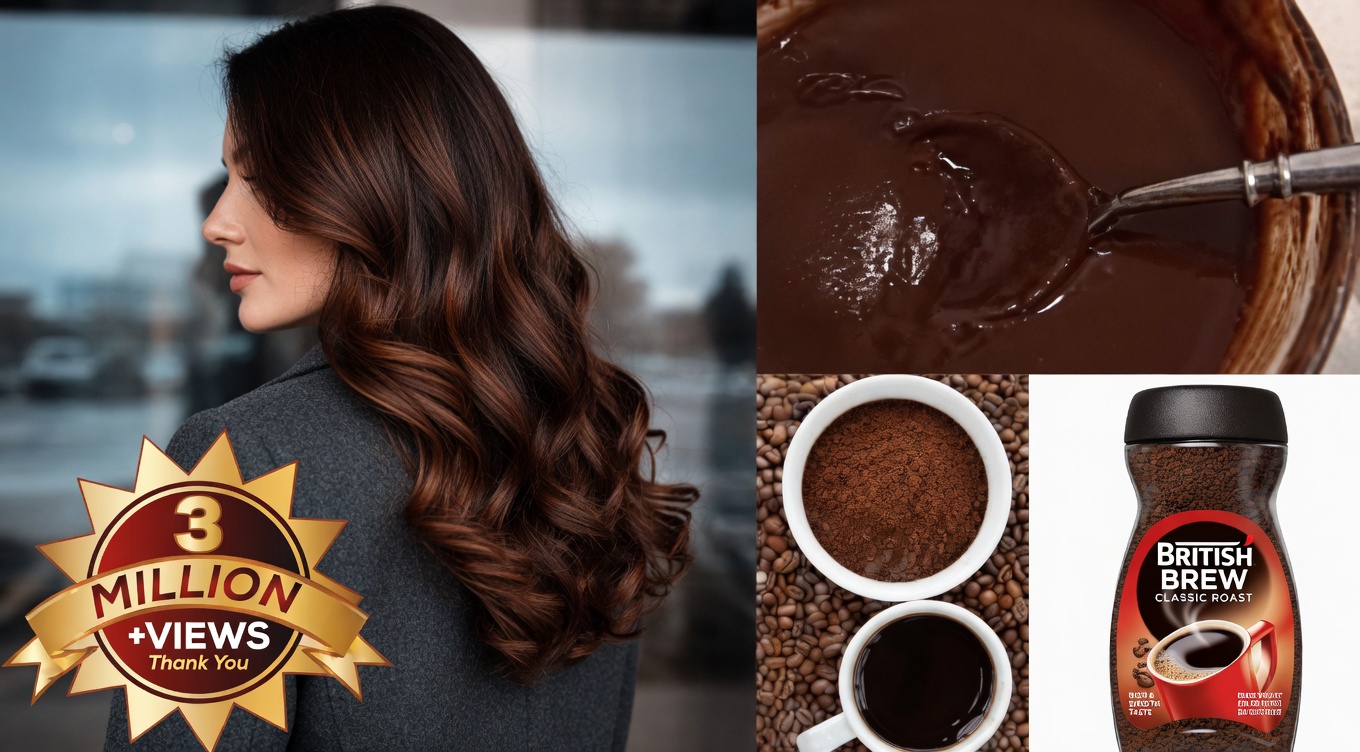
1) The Quick Coffee Rinse (For Shine + Subtle Depth)
This approach is popular for weekly upkeep because it’s fast and low commitment.
Steps
- Brew strong black coffee (about 2–3 Tbsp grounds in 2 cups of water).
- Let it cool completely.
- Shampoo as usual.
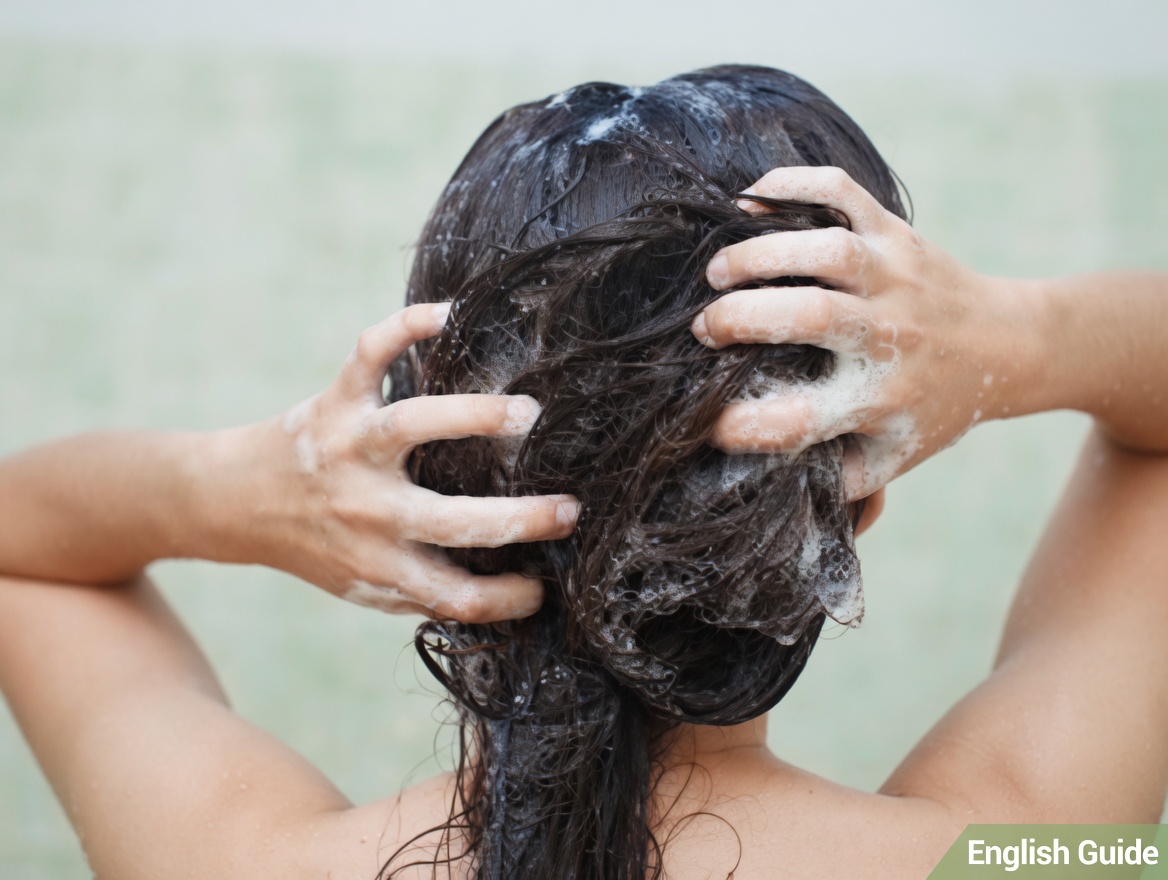
- Slowly pour the cooled coffee through your hair.
- Massage your scalp gently for about 1 minute.
- Leave it on for 5–15 minutes.
- Rinse with cool water, then condition the ends if needed.
Best for: dullness, slight fading, and a quick cosmetic boost.
2) The Nourishing Coffee Mask (For Dryness + Softness)
If your main issue is dryness or frizz, this version is often better tolerated than a rinse alone.
Steps
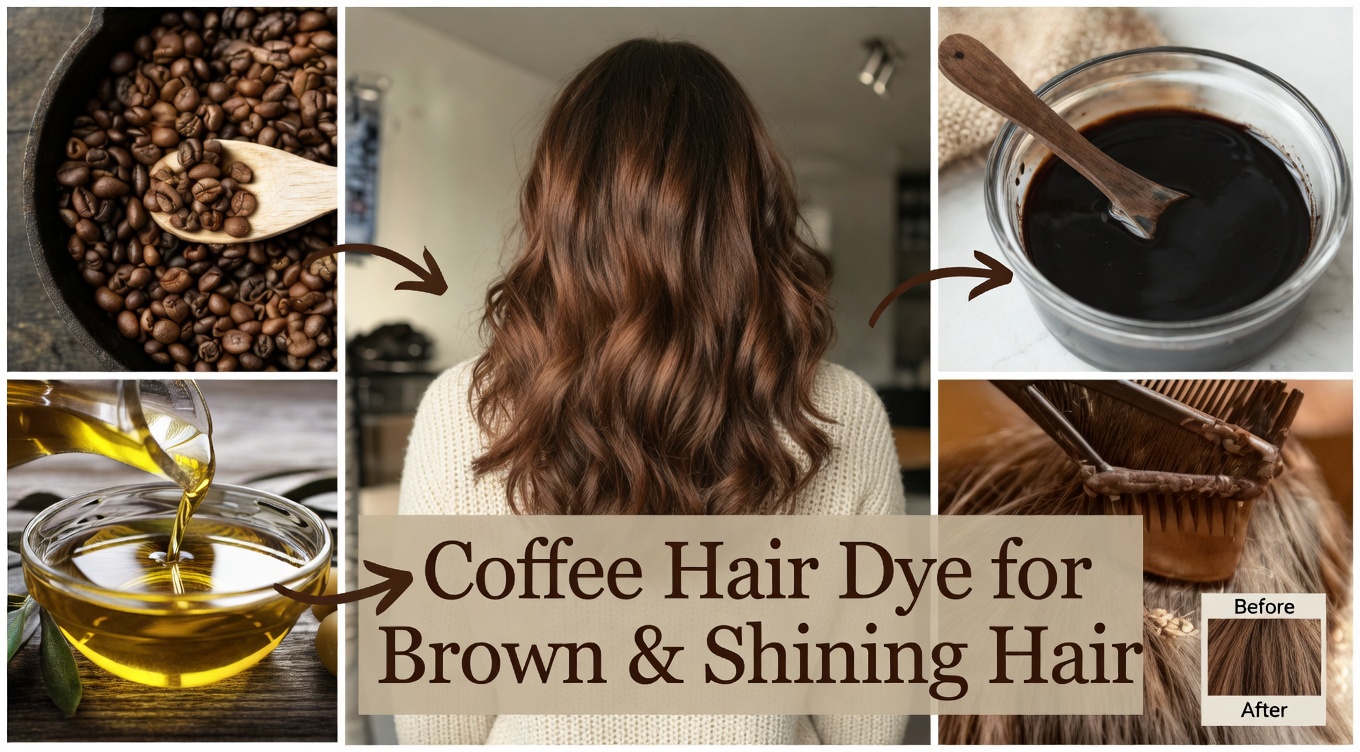
- Mix 3 Tbsp cooled brewed coffee with 2–3 Tbsp of your conditioner.
- Optional: add 1 tsp honey for extra slip and softness.
- Apply to damp hair, focusing on mid-lengths to ends.
- Leave on for 15–25 minutes.
- Rinse thoroughly.
Best for: dry, coarse, or frizz-prone hair that needs more conditioning support.
Mistakes to Avoid with Coffee Hair Care at Home
To get the best experience (and avoid irritation or disappointment), keep these guidelines in mind:
- Never apply hot coffee—always cool it fully to protect your scalp.
- If you’re sensitive, skip coffee grounds; they can feel abrasive and may irritate the scalp.
- Start with once per week, then move up to twice weekly only if your hair responds well.
- Patch-test first, especially if you have scalp conditions or sensitivities.
- Coffee hair care tends to show the most visible results on medium-to-dark hair; lighter hair may see minimal tone change.
Coffee Hair Care Results: A Quick Overview
- Shine: may improve due to a smoother-looking cuticle (often immediate)
- Darker appearance: a temporary pigment effect, mainly on darker hair (fades with washing)
- Softer feel: more likely when coffee is combined with conditioner (noticeable after use)
- Scalp refresh: can feel lighter/cleaner if buildup is present (weekly benefit)
- Gray blending: may reduce contrast slightly on dark bases (temporary)
A Gentle 14-Day Coffee Hair Care Routine to Test
If you want a structured way to evaluate results, try this simple two-week experiment:
- Days 1–7:
- 1 coffee rinse mid-week
- 1 coffee mask on the weekend
- Days 8–14: repeat the same schedule
- Take photos in the same lighting on Day 1 and Day 14.
- Rate shine, softness, and color depth on a 1–10 scale.
Many people notice a modest “polished” look by the end of week two. If nothing changes, your hair may need a different approach (such as more targeted hydration, clarifying, or scalp care).
Frequently Asked Questions
How often should I use coffee hair care at home?
Most people do well with 1–2 times per week. If hair starts to feel dry or rough, reduce frequency and focus on conditioning.
Does coffee hair care work on blonde or mostly gray hair?
The color effect is typically subtle on light hair. Coffee pigments show up best on brown or black bases, while blonde hair may see little to no tonal shift.
Can coffee hair care help hair growth?
Caffeine research is interesting, but home coffee rinses deliver low caffeine levels. It’s more realistic to expect appearance benefits (shine, softness, depth) than noticeable growth changes.
Final Thoughts: A Small Ritual with Noticeable Cosmetic Payoff
Coffee hair care at home is unlikely to transform hair overnight, but it can offer temporary richness, improved shine, and a softer feel with minimal cost and effort. For many people after 45, the biggest benefit is rediscovering a simple routine that makes hair look more alive—without committing to frequent chemical processing.
Disclaimer: This content is for informational purposes only and is not medical or professional beauty advice. Results vary widely. If you have ongoing shedding, scalp irritation, or sudden texture changes, consult a healthcare provider or trichologist. Always patch-test before trying a new routine. Sources referenced include Healthline, PubMed-indexed research on topical caffeine, and user-reported experiences.