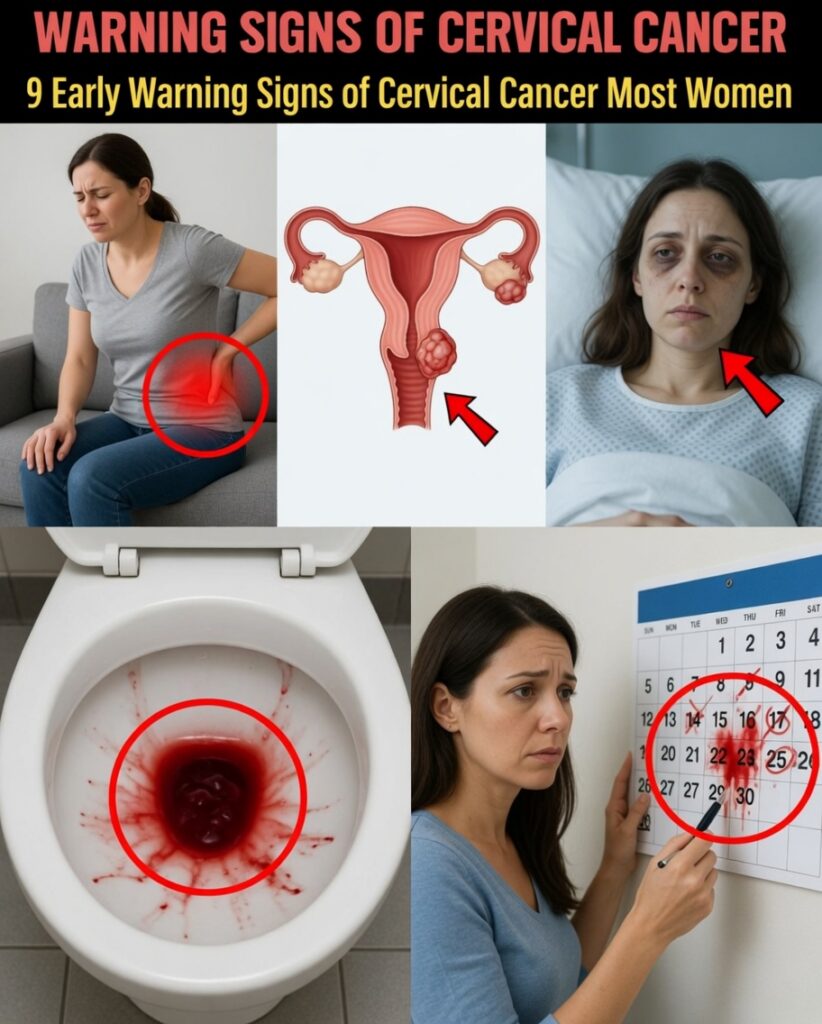
Cervical Cancer: Early Warning Signs Many Women Miss (and What to Do Next)
Cervical cancer affects thousands of women every year, in part because the earliest changes often don’t feel urgent—or don’t feel like anything at all. The National Cancer Institute reports that when cervical cancer is found early, the 5-year relative survival rate is about 91%. Still, many people dismiss subtle symptoms as stress, hormonal shifts, or everyday life—delaying a conversation with a clinician that could make a real difference.
Below are the most commonly overlooked warning signs cited by trusted organizations such as the American Cancer Society, Mayo Clinic, and the National Cancer Institute, along with practical ways to stay proactive about cervical health.
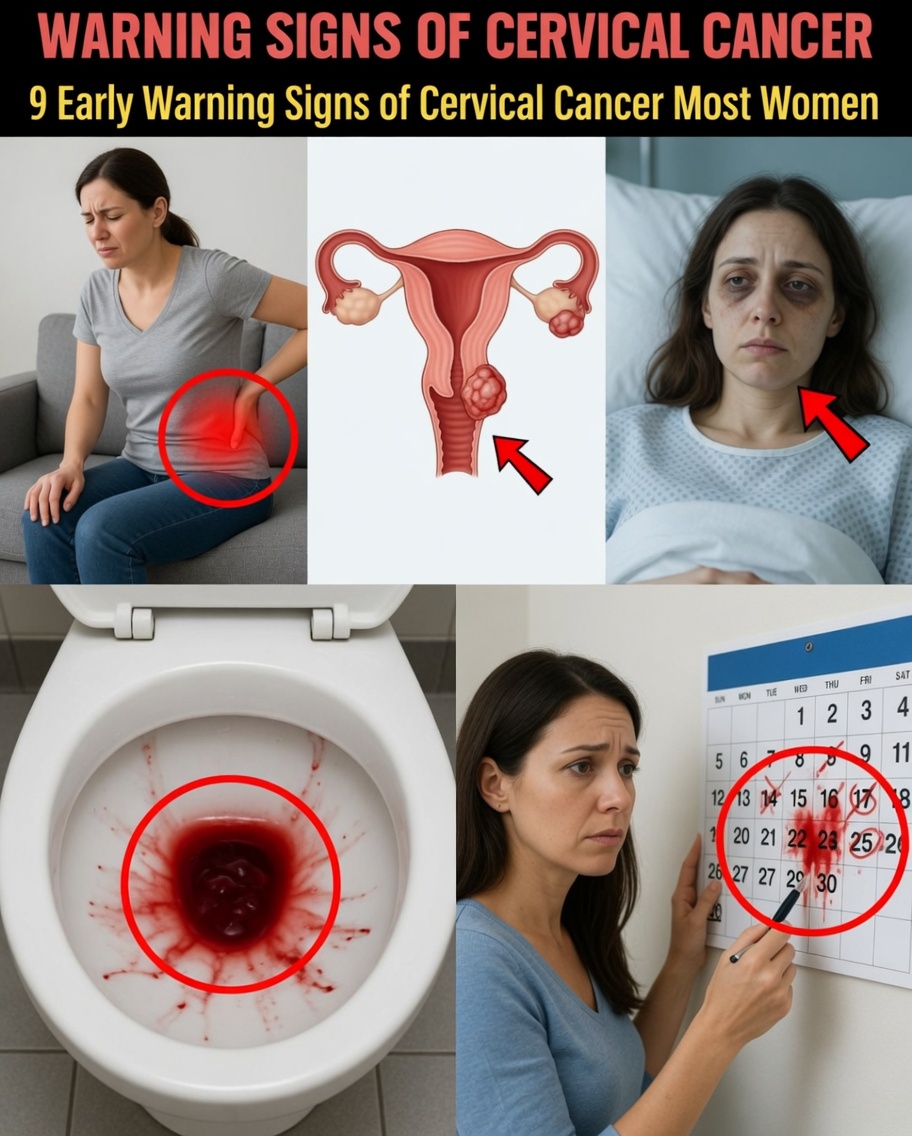
Why Cervical Cancer Is Often Missed in the Early Stages
Cervical cancer usually develops gradually over years and is frequently connected to a long-lasting infection with high-risk human papillomavirus (HPV). Health authorities note that HPV is extremely common—around 80% of sexually active people will encounter it at some point. In most cases, the immune system clears the virus. When HPV persists, however, it can trigger abnormal cell changes that may progress without monitoring.
The main problem is that early cervical cancer often causes no clear symptoms, which is why it’s sometimes described as “silent.” When symptoms do appear, they can resemble far more common issues such as mild infections or menstrual changes. This is why routine cervical screening is consistently emphasized by medical experts as the most dependable way to detect precancerous changes before symptoms start. Even so, recognizing possible signals can help you seek timely evaluation.
Sign #1: Abnormal Vaginal Bleeding (Often the First Noticeable Clue)
The American Cancer Society lists unusual vaginal bleeding among the most frequently reported early signs. It may look like:
- Spotting or bleeding between periods
- Bleeding after sex
- Bleeding after menopause
- Periods that become heavier than normal or last longer than usual
These patterns may occur because abnormal cervical tissue can make nearby blood vessels more delicate and easier to irritate. It’s common to blame this on hormones or minor irritation, but bleeding that repeats or persists deserves medical attention.
A helpful step: record the timing and context (after sex, mid-cycle, after menopause) so you can describe it clearly at an appointment.

Sign #2: Persistent, Unusual Vaginal Discharge
The Mayo Clinic notes that changes in vaginal discharge can also be an important warning sign. Typical discharge is often clear or white and has little to no strong odor. Discharge that may be concerning includes:
- Unusually watery discharge or a noticeably larger amount
- Pink, brown, or blood-tinged discharge
- Strong or foul odor that doesn’t go away
These changes can occur due to tissue irritation, breakdown, or increased fluid production in affected areas. If the discharge is significantly different from your personal baseline and doesn’t resolve over time, it’s worth documenting.
A simple self-check: any discharge change that lasts more than a few weeks should be taken seriously—especially when combined with other symptoms.
Sign #3: Ongoing Pelvic Pain or Lower Back Pain
A persistent ache in the pelvis or lower back that feels different from normal cramps or a short-lived strain can be another sign reported in oncology references. This may happen when a growth affects nearby tissue or nerves.
This discomfort often:
- Feels deep rather than surface-level
- Persists despite rest
- Doesn’t improve with typical remedies
Many people attribute it to posture, aging, or daily stress. But pain that lingers—especially alongside abnormal bleeding or discharge—should be evaluated.
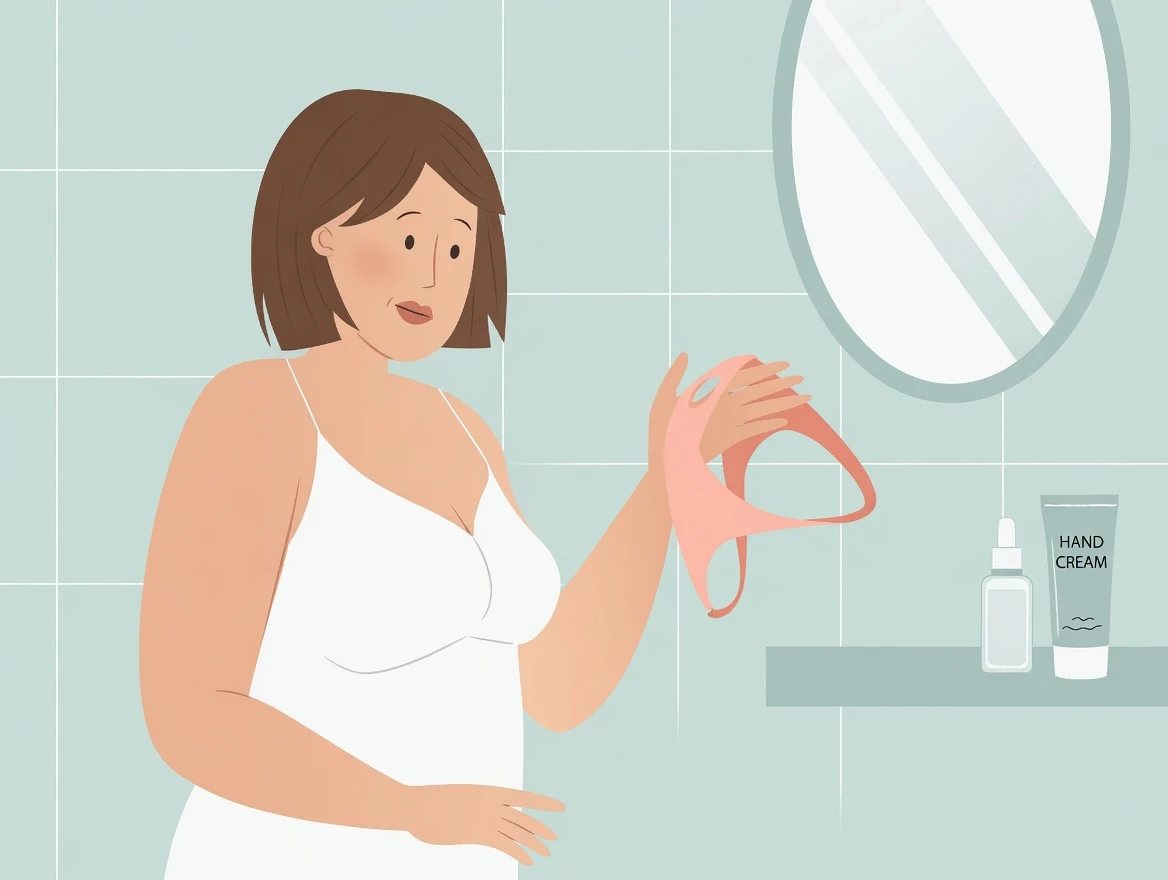
Sign #4: Pain During or After Sex (Dyspareunia)
Painful intercourse—especially when it’s new or worsening—is described in clinical reports including those referenced by the Mayo Clinic. The pain may feel sharp, deep, or accompanied by spotting afterward.
This can happen because cervical tissue becomes inflamed or fragile and reacts to contact. If sex has recently become uncomfortable in a way that’s unusual for you, track:
- When it occurs
- Whether bleeding happens afterward
- Whether the pain is mild, moderate, or severe
Many people write this off as lubrication issues or positional discomfort, but persistence is a reason to talk with a healthcare provider.
Sign #5: Fatigue That Doesn’t Improve With Rest
Severe fatigue is frequently minimized—often blamed on work, parenting, or poor sleep. The National Cancer Institute notes that fatigue affects many cancer patients, and in some cases it may be related to ongoing low-level blood loss that contributes to anemia.
This type of fatigue tends to be:
- Persistent and heavy
- Not explained by activity level
- Not relieved by normal rest
If exhaustion feels out of proportion and continues, consider it in context with other symptoms rather than treating it as “just life.”
Signs #6–9: Additional Symptoms That May Appear (Especially as It Progresses)
As cervical cancer advances, other changes may develop. Sometimes they can also show up earlier, particularly when paired with the signs above:
- Unexplained weight loss (for example, more than 10 pounds without diet or activity changes)
- Swelling or pain in one or both legs (which can relate to disrupted fluid drainage)
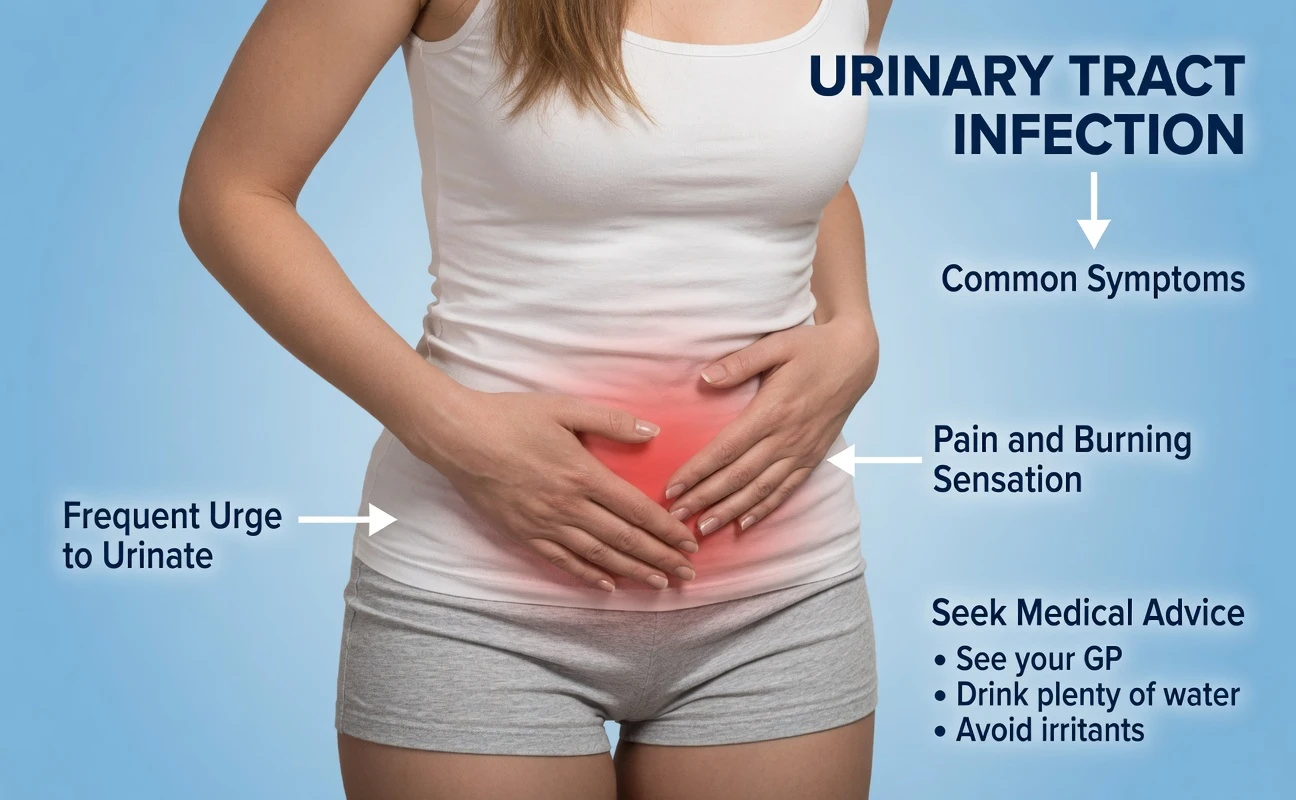
- Urinary symptoms such as frequent urination, pain with urination, or blood in the urine
- Bowel changes including constipation, unusually narrow stools, or rectal bleeding
These symptoms may result from pressure on nearby organs and tissues. Many real-world diagnosis stories share a similar theme: it wasn’t one dramatic symptom—it was multiple “small” changes adding up.
Normal Changes vs. Symptoms That Should Prompt a Check-In
It can help to separate everyday variations from patterns that warrant medical input:
- Often normal: occasional mild mid-cycle spotting, clear/mild discharge, short-term fatigue after a demanding period
- More concerning patterns: repeated abnormal bleeding, watery/foul discharge, persistent deep pelvic pain, extreme fatigue that doesn’t improve
Self-awareness is not about panic—it’s about noticing what is new, persistent, or worsening.
How to Be Proactive About Cervical Health
The strongest advantage comes from screening and early action. Consider this practical plan:
- Keep up with screening:
- Ages 21–29: Pap test typically every 3 years
- Ages 30–65: Pap + HPV testing often every 5 years (or Pap alone every 3 years)
Follow current guidance from major health organizations and confirm what’s right for you with your clinician.
- Ask about the HPV vaccine: It is highly effective in preventing infection from HPV types most strongly linked to cervical cancer and is recommended for eligible age groups.
- Reduce risk factors: Don’t smoke (smoking increases risk), practice safer sex, and tell your clinician about any changes you notice.
- Don’t wait if symptoms stack up: If you recognize multiple signs from this list, contact a healthcare professional this week, not at your next routine visit.
- Track symptoms: Use a calendar or notes app to log timing, severity, and triggers so your provider has clear details.
Peace of mind often comes from taking action early—not from waiting to see if something becomes more obvious.
Frequently Asked Questions (FAQ)
What causes most cervical cancer cases?
Most cervical cancer cases are linked to persistent infection with high-risk HPV. HPV is very common and usually clears, but in some people it lasts long enough to cause abnormal cell changes.
How often should I be screened for cervical cancer?
Many guidelines suggest a Pap test every 3 years from ages 21–29, and Pap + HPV co-testing every 5 years (or Pap alone every 3 years) from ages 30–65. Your personal schedule may differ based on your history—confirm with your clinician.
Can cervical cancer be prevented?
In many cases, yes. HPV vaccination, routine screening to detect precancerous changes, and lifestyle choices such as not smoking can significantly reduce risk and improve outcomes.
Medical Disclaimer
This article is for informational purposes only and is not a substitute for professional medical advice, diagnosis, or treatment. Always consult a qualified healthcare professional regarding symptoms, screening, and personal health decisions.