Many adults in their 40s, 50s, and older start to notice the same pattern: an afternoon energy crash, occasional mental haze, or stiffness that seems to linger longer than it used to. Often, the root isn’t “getting older” alone—it’s the modern eating routine of frequent snacking, oversized portions, and late meals. Research increasingly connects this constant intake to ongoing metabolic strain and less time for the body’s built-in cellular maintenance.
That’s why it can feel so discouraging when you’re making “healthy choices” but still don’t feel steady or clear. A more gentle, time-tested approach comes from Okinawa, Japan—long known for exceptional longevity in earlier generations. Their traditional habits focused less on strict dieting and more on portion awareness and meal timing. The most useful part is that you can apply these rhythms in everyday life without extreme rules.

Okinawa’s Longevity: What Changed Over Time?
Japan is regularly ranked among the world’s longest-living nations, and for decades Okinawa stood out as a standout “Blue Zone,” historically associated with a high number of healthy centenarians. Long-running observations—including those led by researcher Dr. Makoto Suzuki, who studied Okinawan elders from the 1970s onward—showed that older, pre-war generations followed distinct eating customs that shaped both health and metabolism.
In contrast, many younger Okinawans shifted toward more Western-style patterns: higher-calorie meals, more processed food, sugary drinks, and eating more often throughout the day. Alongside these changes, some of Okinawa’s historical longevity advantages became less pronounced. The lesson is important for anyone pursuing better health: daily routines and eating rhythm can matter more than chasing individual “superfoods.”
And there’s another piece that modern science now explains clearly—one that closely matches the old Okinawan pattern.
Autophagy: The Body’s Built-In Cellular “Cleanup”
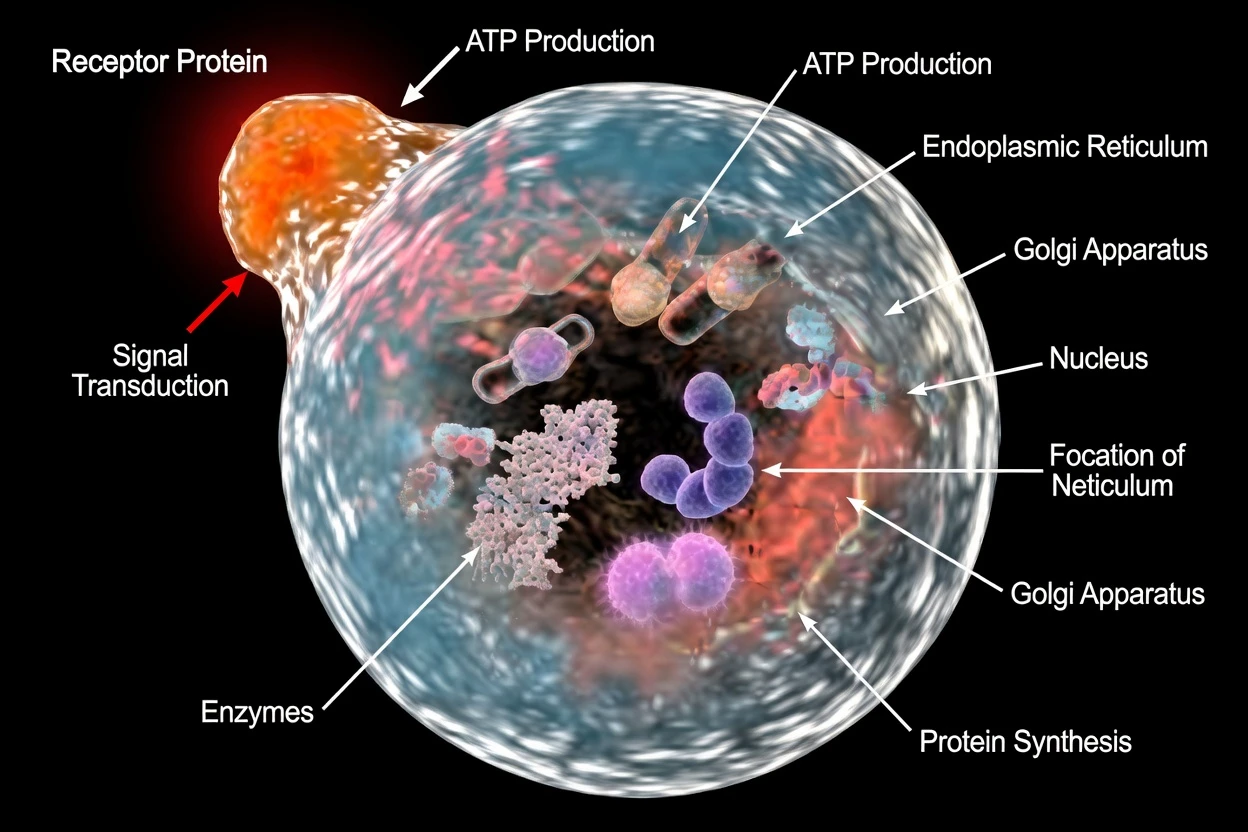
In the late 1980s, Japanese scientist Dr. Yoshinori Ohsumi identified a process in yeast cells called autophagy—a cellular recycling system where the body breaks down worn-out components and reuses the materials for repair and energy. This work later earned him the 2016 Nobel Prize in Physiology or Medicine, highlighting how essential autophagy is for helping cells handle stress and maintain healthy function.
A major takeaway from current research is that autophagy increases when the body is not constantly processing food. When you eat throughout the day, cells remain in a continuous “fed” mode, which can reduce this natural maintenance window. In simple terms: regular digestive breaks help create the conditions where cellular cleanup can do its work.
Traditional Okinawan habits—without calling it “intermittent fasting”—often provided these breaks naturally. Moderate calorie intake (without under-eating) supports the same overall direction.
Hara Hachi Bu: Stop at 80% Full
One of the most well-known Okinawan principles is “hara hachi bu”, meaning you stop eating when you’re around 80% full. Instead of eating until you feel stuffed, the goal is to leave the table comfortable—still satisfied, but light.
Long-term accounts of Okinawan elders suggest that this habit supports:
- Easier digestion
- More stable energy
- Better long-term metabolic balance
- Less habitual overeating
A simple way to test this: after your next meal, rate fullness from 1 to 10. If you frequently hit 9–10, experimenting with stopping closer to 7–8 may feel surprisingly relieving.
Meal Timing: The Overnight Break (Okinawan-Style)
Many Okinawan centenarians reportedly ate their last meal fairly early—late afternoon to early evening—and didn’t eat again until morning. That created a natural 12–16 hour overnight break, similar to what modern research often describes as intermittent fasting patterns.
This longer nightly pause can support:
- Gut rest
- More stable blood sugar
- Better energy consistency
- Stronger alignment with nighttime repair processes
For example, Dr. Shigeaki Hinohara, who remained active into his later years and lived to 105, followed a light breakfast, modest lunch, and early dinner approach. While no single routine works for everyone, studies commonly associate earlier dinners and consistent overnight breaks with improved metabolic markers for many adults.
Foods That Fit These Habits Naturally
Traditional Okinawan meals were largely plant-forward, built around colorful, nutrient-dense ingredients that support steady energy—without sharp blood sugar swings that can disrupt the body’s repair rhythm.
Key foods often associated with Okinawan-style eating include:
- Purple sweet potatoes: a traditional staple carbohydrate rich in fiber and antioxidants for sustained energy
- Bitter melon (goya): commonly stir-fried; often used to support balanced blood sugar
- Seaweed: provides minerals and is commonly linked with healthy detox and metabolic pathways
- Tofu and other soy foods: plant-based protein that fits well with lighter meals
- Green tea: rich in polyphenols that may support cellular protection when consumed regularly
A helpful target is to build meals that are mostly vegetables and plant foods (roughly 85–90%), with smaller portions of protein and starch—while keeping the overall plate colorful and moderate.

A Simple 4-Week Okinawan-Inspired Starter Plan
Small steps tend to last longer than dramatic overhauls. Here’s a practical four-week progression you can adapt to your schedule.
Week 1: Practice Hara Hachi Bu
- Aim to stop at 80% full at each meal
- Slow down, chew thoroughly, and notice satisfaction signals
- Many people report a lighter feeling within days
Week 2: Build the Overnight Fasting Window
- Start with 12 hours without food (example: finish dinner at 7 p.m., eat breakfast at 7 a.m.)
- If it feels comfortable, gradually extend toward 14–16 hours
Week 3: Add a Gentle Morning Routine
- Begin with a simple vegetable-based drink (such as carrot or apple juice) plus a small splash of olive oil
- Wait 20–30 minutes before eating solid food for a softer start to digestion
Week 4: Make the Core Foods a Daily Pattern
- Add options like purple sweet potatoes, bitter melon, seaweed, and leafy greens daily
- Keep portions moderate and meals visually colorful
These steps are meant to be flexible. Adjust based on your energy, sleep, work schedule, and how your body responds.
Modern Eating vs. Traditional Okinawan Rhythm (Quick Comparison)
-
Meal timing
- Modern pattern: frequent snacks, late dinners
- Okinawan approach: 12–16 hour overnight break
- Why it may help: supports rest, metabolic balance, and repair cycles
-
How full you eat
- Modern pattern: eat until stuffed
- Okinawan approach: hara hachi bu (80% full)
- Why it may help: encourages mindful intake and easier digestion
-
Main carbohydrate sources
- Modern pattern: refined grains, processed foods
- Okinawan approach: purple sweet potatoes
- Why it may help: steadier energy and lower glycemic impact
-
Plant emphasis
- Modern pattern: inconsistent vegetable intake
- Okinawan approach: 85–90% plant-based, colorful variety
- Why it may help: rich in protective compounds and fiber
The Core Benefit: Rhythm Over Restriction
The most powerful idea here isn’t extreme dieting. It’s aligning meals with natural cycles:
- Eat earlier when possible
- Stop at 80% full
- Prioritize whole, plant-forward foods
- Give your digestive system consistent breaks
Many people who apply these principles report more stable afternoons, clearer focus, and a lighter overall feeling within a few weeks—without feeling deprived.
FAQ: Okinawan-Inspired Eating Habits
How long should my overnight fast be to notice benefits?
A practical range supported by many studies is 12–16 hours. Start at 12 and increase gradually if it feels sustainable.
Can I still enjoy social meals and occasional treats?
Yes. Consistency most days matters more than perfection. Make the routine your default, and keep flexibility for real life.
Are these habits right for everyone?
Needs differ by person. Start slowly and monitor how you feel, especially if you have unique health circumstances.
Disclaimer: This article is for informational purposes only and does not provide medical advice. Speak with your healthcare provider before making major dietary changes—particularly if you have medical conditions or take prescription medications.