
Knee Discomfort After 50: A Food-First, Science-Backed Way to Support Joint Health
More than 32 million U.S. adults live with osteoarthritis, and knee discomfort is a major reason mobility declines after age 50. For many people, it shows up as daily stiffness, sudden sharp twinges during movement, or that familiar creaking feeling on stairs. If you’re in your 40s, 50s, 60s, or beyond, these “small” annoyances can quietly compound—making it harder to enjoy walking, traveling, hobbies, and time with family.
The encouraging news: growing research suggests that everyday foods—used strategically—can support the body’s natural joint-maintenance systems, especially those related to collagen, inflammation balance, and oxidative stress. And at the end, you’ll find a practical, evidence-informed smoothie approach that brings multiple joint-supportive nutrients together.

Why Knee Discomfort Often Increases With Age
After about age 45, joint changes tend to become more noticeable. This is rarely caused by just one factor. Common contributors include:
- Long-term “wear and tear” from normal use
- Past minor injuries (even ones you stopped thinking about years ago)
- Carrying extra body weight
- Extended sitting and reduced daily movement
Research also indicates that about one in four adults over 60 reports ongoing knee concerns, which can turn ordinary activities—gardening, walking the dog, climbing stairs, playing with grandchildren—into frustrating challenges.
It’s not only about pain. When movement drops, a ripple effect can begin:
- Less activity can lead to weight gain
- Muscles may weaken (including the muscles stabilizing the knee)
- Discomfort may feel worse over time due to reduced support and mobility
If your knees feel tighter after sitting for a while, it’s a common experience—and small, consistent habits can be meaningful.
Common Misconceptions About Cartilage and Joint Health
A widespread belief is that cartilage stops rebuilding after a certain age. That’s not fully true.
Cartilage is made of roughly 70% water, and collagen helps form its supportive framework. While collagen production typically slows by about 1–1.5% per year after age 30, the body still produces collagen throughout life.
What appears to drive tissue breakdown more strongly than age alone is chronic low-grade inflammation, often influenced by diet and lifestyle. Studies repeatedly link whole-food dietary patterns—especially Mediterranean-style eating—to:
- Lower inflammatory markers
- Better overall joint-related outcomes
The key takeaway: supporting balanced inflammation and steady nutrient intake often matters more than people expect.
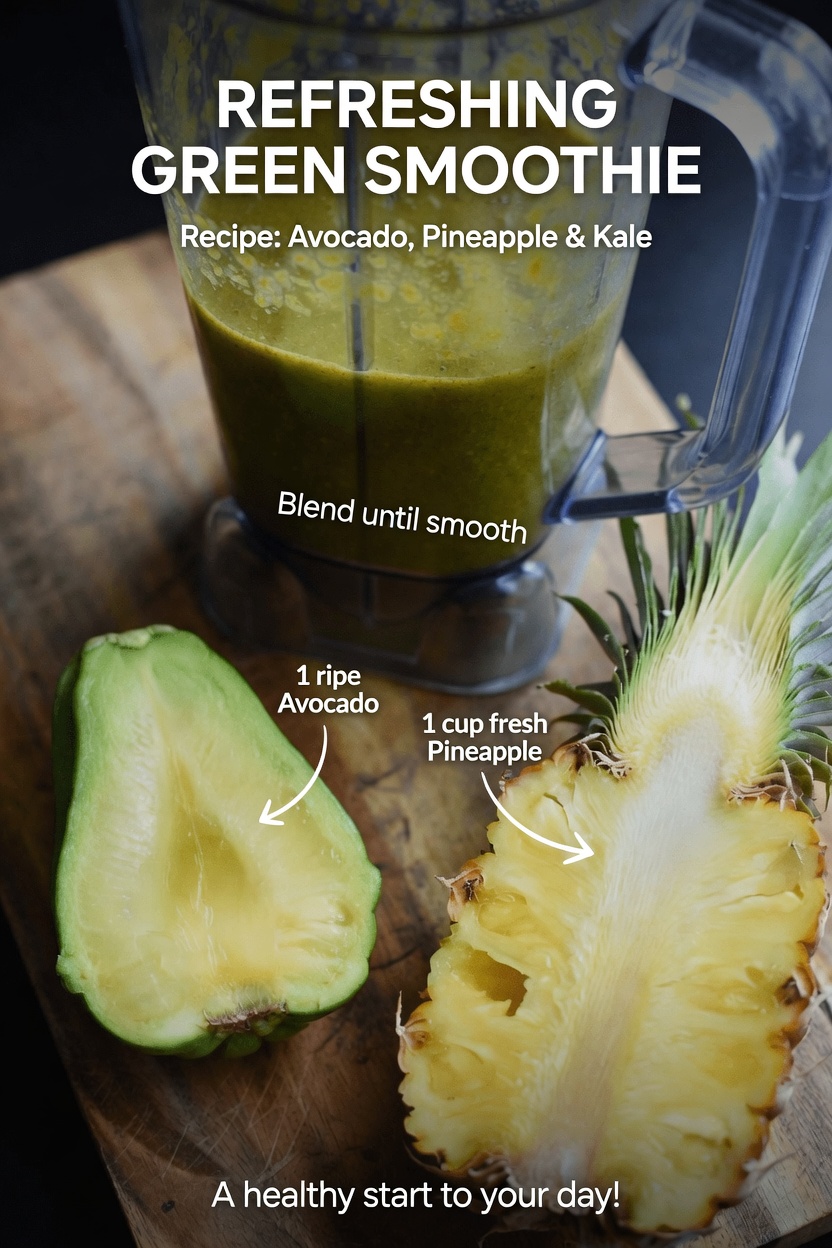
Real-World Progress: Gradual Improvements That Add Up
Lifestyle-based improvements usually aren’t instant—but they can be real.
-
Margaret (76), a retired nurse, began avoiding stairs due to stiffness. After prioritizing more anti-inflammatory foods and adding a daily smoothie habit, she reported steady progress. After about six months, she felt comfortable climbing stairs again—and her physical therapist noticed changes as well.
-
David (62), a former construction worker, worried discomfort might force an early retirement. He started consistently eating more vitamin C–rich foods and omega-3 sources. Within a few months, he noticed less morning stiffness and better movement at work.
These outcomes reflect what research often supports: food-first consistency, not overnight fixes.
15 Research-Supported Ways Key Nutrients May Support Joint Wellness
Studies suggest multiple nutrients and habits can help support the body’s joint and connective-tissue maintenance. Here are 15 evidence-aligned mechanisms to know:
-
Vitamin C supports collagen formation
Collagen is essential for cartilage structure and resilience. -
Bromelain (from pineapple) may help regulate inflammatory responses
Research has explored bromelain for its role in inflammation balance. -
Omega-3s (including from flaxseed) support healthy inflammation levels
Omega-3 fatty acids are widely studied for inflammation-related pathways. -
Polyphenols (green tea, berries) provide antioxidant protection
Antioxidants help counter oxidative stress that can affect tissues. -
Sulfur-containing compounds (leafy greens) support connective tissue maintenance
Sulfur plays roles in structural compounds within the body. -
Healthy fats (like avocado) improve absorption of fat-soluble nutrients
Nutrients often work better when absorption is optimized. -
Hydration supports synovial fluid production
Joint lubrication depends partly on adequate fluid balance. -
Amino acids from gelatin provide building blocks for tissue support
Gelatin contains amino acids used in connective tissue. -
Curcumin (turmeric) shows promise in inflammation research
Curcumin has been studied for inflammation-related mechanisms. -
Ginger compounds are linked to reduced discomfort in studies
Ginger has research suggesting benefits for discomfort and function. -
Manganese (present in pineapple and other foods) supports bone and joint health
Manganese is involved in connective tissue and bone metabolism. -
Potassium and fiber (chayote) support overall nutrient balance
Better dietary balance helps support whole-body health, including joints. -
Nutrient synergy often outperforms single-ingredient approaches
Foods deliver compounds that work together, not in isolation. -
Daily consistency compounds over time
Repeated small actions can create measurable change. -
Movement + nutrition works better than either alone
Gentle activity supports joint lubrication and muscle strength, complementing diet.
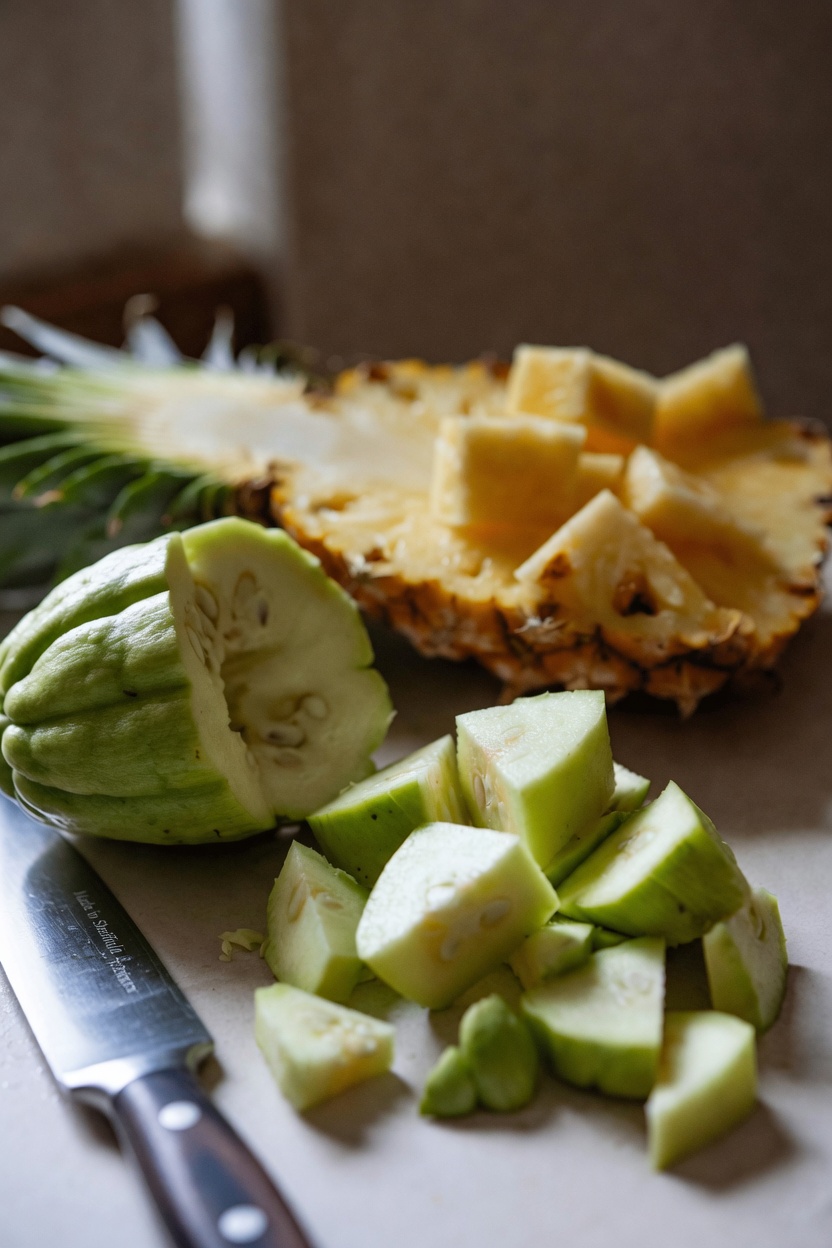
The Evidence-Informed Joint-Support Smoothie (Easy, Practical, Nutrient-Dense)
This smoothie combines multiple nutrients associated with collagen support, antioxidant protection, and inflammation balance—into one routine-friendly drink.
Ingredients (1 serving)
- 1 cup chayote, peeled and chopped (vitamin C–rich)
- 1 cup fresh pineapple chunks (include some core for natural bromelain)
- 1 Tbsp ground flaxseeds (plant-based omega-3s)
- 1 tsp turmeric powder
- 1 cup cooled green tea (polyphenol antioxidants)
- 1 Tbsp unflavored gelatin, dissolved first (amino acids)
- 1 cup spinach or kale
- 1 inch fresh ginger
- Optional: 1 tsp honey for mild sweetness
Instructions
- Dissolve gelatin in 2–3 Tbsp warm water and let it sit for 5 minutes.
- Add all ingredients to a blender.
- Blend until smooth and creamy.
- Drink fresh, ideally 4–5 times per week.
Helpful tip: Batch-prep ingredients on Sunday to make weekday blending easy. Add a squeeze of lemon if you want an extra vitamin C boost.
A Simple 4-Week Plan to Build the Habit
-
Weeks 1–2: Foundation
- Focus: Start the smoothie + increase vitamin C foods
- Possible changes: Less morning stiffness for some people
- Tip: Start gradually and pay attention to how your body responds
-
Weeks 3–4: Add consistency with key anti-inflammatory nutrients
- Focus: Regular omega-3 sources + turmeric/ginger presence
- Possible changes: Improved comfort during everyday tasks
- Tip: Pair with short walks
-
Week 5 and beyond: Full routine
- Focus: Smoothie + gentle strength work
- Possible changes: Better overall mobility over time
- Tip: Keep a simple weekly note of energy, stiffness, and activity level
How This Food-First Approach Stacks Up Against Popular Alternatives
-
Cost
- Smoothie + whole foods: typically lower (standard groceries)
- Glucosamine/chondroitin: moderate to high over time
- Collagen powder alone: moderate
-
Evidence
- Whole-food patterns and inflammation research: generally strong
- Glucosamine/chondroitin: mixed long-term results
- Collagen alone: promising but still limited compared with whole-diet patterns
-
Synergy
- Smoothie: multi-nutrient, multi-pathway
- Supplements: often single-focus
- Collagen alone: mainly one nutrient category
-
Side effects
- Whole foods: usually minimal
- Some supplements: may cause digestive upset in some individuals
- Collagen: uncommon issues, but results vary
-
Sustainability
- Whole-food routine: easier for many to maintain long-term
- Supplements: require ongoing purchase and adherence
The Bigger Picture: Long-Term Joint Support Habits That Matter
Food can be powerful, but it tends to work best alongside other supportive routines:
- Gentle movement helps maintain synovial fluid dynamics and muscle support
- Weight management, even modest changes, can reduce knee loading significantly
- Sleep quality and stress reduction affect inflammation balance
If you have persistent swelling, severe pain, or morning stiffness lasting longer than an hour, it’s important to speak with a healthcare professional.
What to Do Next
Try one smoothie this week, then monitor how you feel over 7–14 days. Meaningful improvements often come from small actions repeated consistently.
Save the recipe so it’s easy to revisit, and share it with someone who might find it useful.
Quick FAQ
-
Will this smoothie fix everyone’s knee problems?
No. Results vary. This is a supportive, food-based habit—not a guaranteed solution. -
When might changes show up?
Many people notice subtle shifts in 2–4 weeks with consistency, but timelines differ. -
Is it safe to drink daily?
For most people, yes—these are whole foods. If you have medical conditions or take medications, check with your clinician first.
Medical disclaimer: This article is for informational purposes only and does not provide medical advice. Always consult a qualified healthcare professional before making dietary changes, especially if you have existing conditions or take medications.