Pumpkin Seeds: 8 Common Mistakes That Can Reduce Their Benefits (and How to Fix Them)
Pumpkin seeds are a go-to snack for many people because they’re compact, affordable, and naturally rich in magnesium, zinc, healthy unsaturated fats, and antioxidants. However, common habits—from how you prepare them to how you store them—can limit nutrient absorption or cause mild digestive discomfort.
Nutrition research shows that preparation techniques can change mineral bioavailability in seeds and nuts, partly due to naturally occurring compounds such as phytic acid, which may bind to minerals like iron, zinc, and magnesium.
The good news is that you don’t need complicated routines to get more out of this “superfood.” Below are eight frequent pumpkin seed mistakes and practical, evidence-informed ways to avoid them.
Mistake 1: Eating Pumpkin Seeds With the Shell Still On
Whole pumpkin seeds with intact shells are often chosen for the extra fiber. The downside is that the tough outer layer can make it harder to chew thoroughly and may reduce access to the nutrient-dense inner seed. Many people also find shells harder to digest.
What to do instead
- Choose shelled pumpkin seeds (pepitas) for easier digestion and better access to key minerals like magnesium and zinc.
- If you prefer shells, chew very well to help break them down mechanically.
Mistake 2: Skipping Soaking (Especially If You’re Sensitive)
Like many plant foods, raw pumpkin seeds contain phytic acid, which can bind certain minerals and potentially reduce absorption. While the impact depends on the overall diet, soaking may modestly reduce phytic acid and improve digestibility for some people.
What to do instead
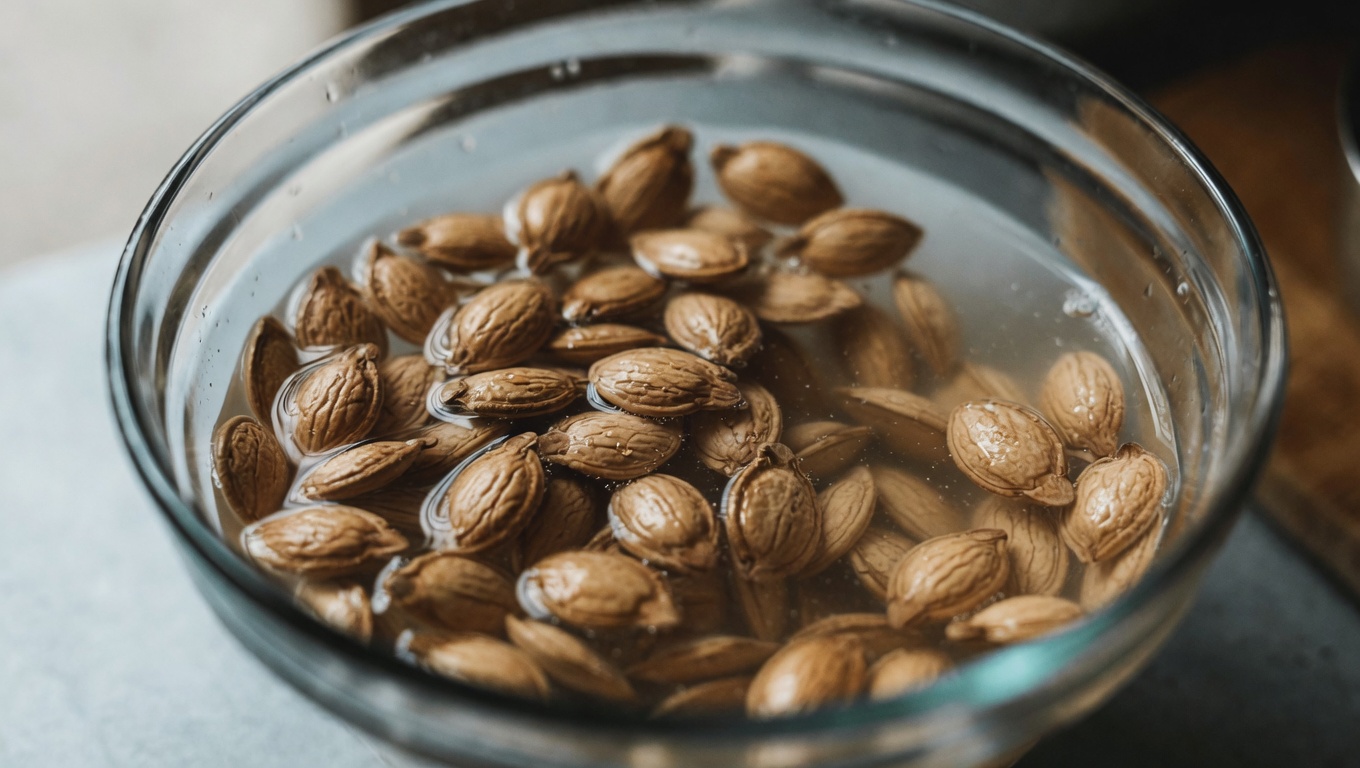
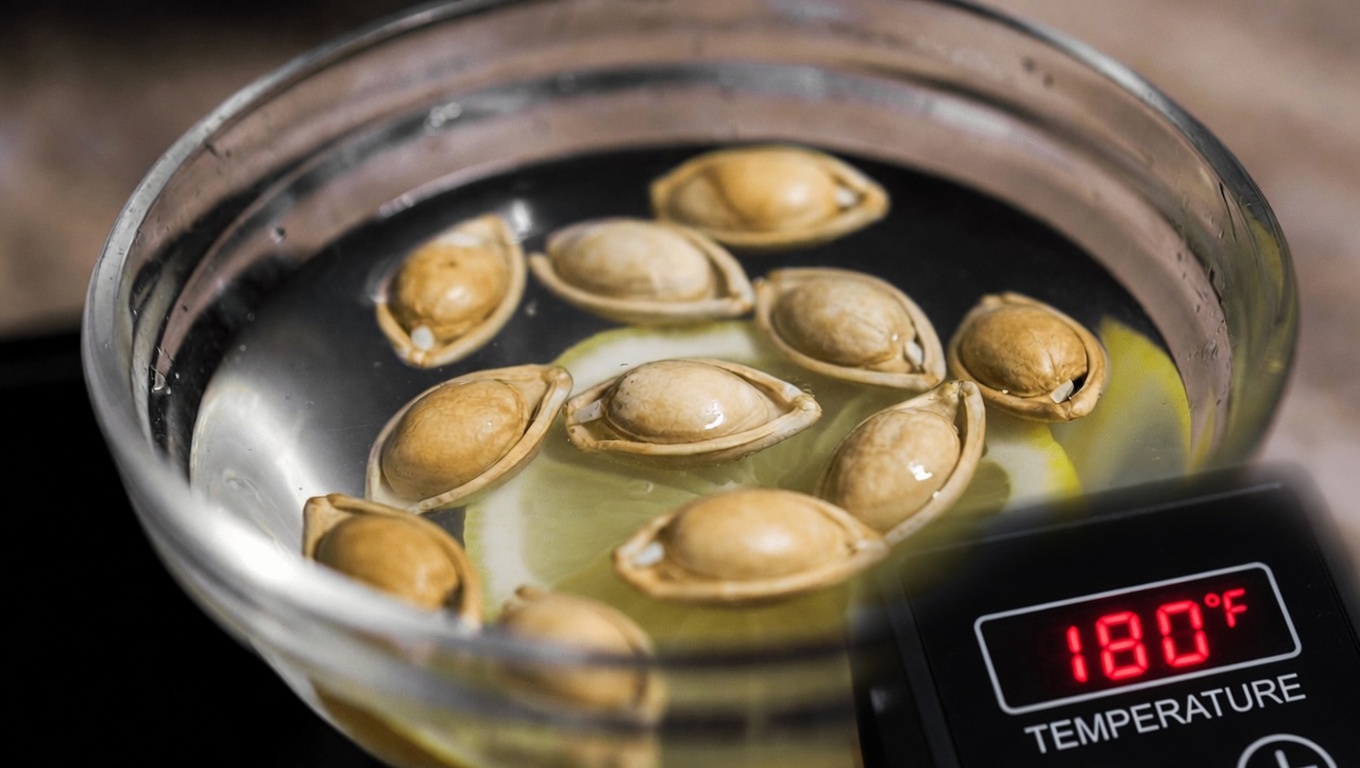
- Soak seeds in water for 6–8 hours or overnight.
- Optional: add a small splash of lemon juice to the soaking water.
- Drain, rinse, and dry before eating or roasting.
Mistake 3: Buying Heavily Flavored or Processed Seed Snacks
Many store-bought seasoned pumpkin seeds contain added sodium, sugars, and low-quality oils. These extras can undermine the naturally heart-friendly profile of pumpkin seeds and may contribute to bloating or make it harder to manage blood pressure goals.
What to do instead
- Look for raw or dry-roasted options.
- Choose unsalted (or lightly salted) varieties.
- Read labels and prioritize short ingredient lists: ideally just “pumpkin seeds.”
Mistake 4: Storing Pumpkin Seeds the Wrong Way
Pumpkin seeds are rich in oils that can oxidize when exposed to heat, light, air, or moisture. Over time, this can lead to rancid flavors and reduced quality.
What to do instead
- Store seeds in an airtight container.
- Keep them in a cool, dark place, or use the refrigerator/freezer for longer freshness.
- Buy quantities you can finish while they still taste clean and nutty.
Mistake 5: Treating Them Like a “Free” Snack (Ignoring Portions)
Pumpkin seeds are nutrient-dense—but also calorie-dense (about 540–560 calories per 100 g). Large handfuls can add up quickly, especially if you snack straight from the bag.
What to do instead
- A practical daily range is 1–2 tablespoons (about 1 ounce / 28 g).
- Pre-portion into small containers to make consistent habits easier.
Mistake 6: Overdoing Intake If You Have Thyroid Concerns
Pumpkin seeds provide nutrients that support thyroid health—particularly zinc and selenium—when consumed in balanced amounts. That said, very high intakes of certain seeds and nuts may affect sensitive individuals, especially those already managing thyroid conditions.
What to do instead
- Keep servings moderate and consistent.
- If you have a thyroid disorder, discuss regular intake with a healthcare professional—especially if you’re adjusting your diet broadly.
Mistake 7: Not Thinking About Blood Pressure Context
Magnesium intake is often associated with cardiovascular support, including healthy blood pressure regulation. In people taking blood pressure medication or those prone to low blood pressure, large amounts of magnesium-rich foods may contribute to lightheadedness in some cases.
What to do instead
- Stick with moderate portions.
- If you notice dizziness or unusual fatigue—especially with medication—check in with your clinician.
Mistake 8: Adding Pumpkin Seeds Without Considering Possible Medication Interactions
Pumpkin seeds contain vitamin K and other bioactive compounds. While strong evidence for interactions is limited, anyone taking blood thinners (e.g., warfarin) should be cautious about sudden dietary changes involving vitamin K–containing foods.
What to do instead
- If you use anticoagulants, ask your healthcare team before making pumpkin seeds a daily habit.
- Aim for consistency rather than large fluctuations in intake.
Quick Comparison: Popular Pumpkin Seed Prep Options
- Shell-on: more fiber, but can be harder to digest and chew
- Shelled (pepitas): easier digestion and nutrient access
- Raw, unsoaked: convenient, but phytic acid remains
- Soaked: may improve mineral availability and gut comfort
- Roasted: stronger flavor; may slightly reduce phytic acid
- Properly stored: better taste, freshness, and oil quality over time
How to Maximize Pumpkin Seed Benefits (Simple Steps)
- Start with unsalted, shelled pumpkin seeds whenever possible.
- Soak in batches: cover with water (optional lemon), soak 6–8 hours, drain, rinse, dry.
- Keep daily intake around 1–2 tablespoons:
- sprinkle on salads
- mix into yogurt or oatmeal
- add to soups for crunch
- eat plain as a snack
- Store in an airtight jar in the fridge for best freshness.
- If eating shell-on seeds, chew thoroughly.
The Bottom Line
Pumpkin seeds can be an easy way to add magnesium, zinc, healthy fats, and antioxidants to your diet—but small details matter. By avoiding common mistakes like poor storage, oversized portions, or relying on heavily processed snack versions, you can improve both digestibility and the value you get from every serving.
Frequently Asked Questions
Should you always soak pumpkin seeds?
No. Most people tolerate small servings of raw seeds well. Soaking can be useful if you’re focused on mineral absorption or notice digestive discomfort.
Are pumpkin seeds good for heart health?
They’re often associated with cardiovascular support because they contain magnesium and unsaturated fats, which can fit well into a heart-friendly eating pattern.
How many pumpkin seeds should I eat per day?
For many adults, about 1 ounce (28 g)—roughly 1–2 tablespoons—is a balanced daily serving, depending on calorie needs and diet goals.
Disclaimer: This article is for informational purposes only and does not provide medical advice. Consult a qualified healthcare professional before making major dietary changes, especially if you have a health condition or take prescription medications.