You can eat a balanced diet, stay active, and follow common wellness advice—and still feel uneasy about the possibility of a serious illness in the future. Part of that worry comes from factors you can’t change, such as genetics and even your blood type. So when news stories suggest that one blood group may have a lower cancer risk, it’s easy to feel both hopeful and uncertain. The important detail many headlines skip is that these differences, when they appear, are usually small and statistical, not life-defining. Let’s break it down clearly.
Blood Types: What They Are and Why They Could Matter
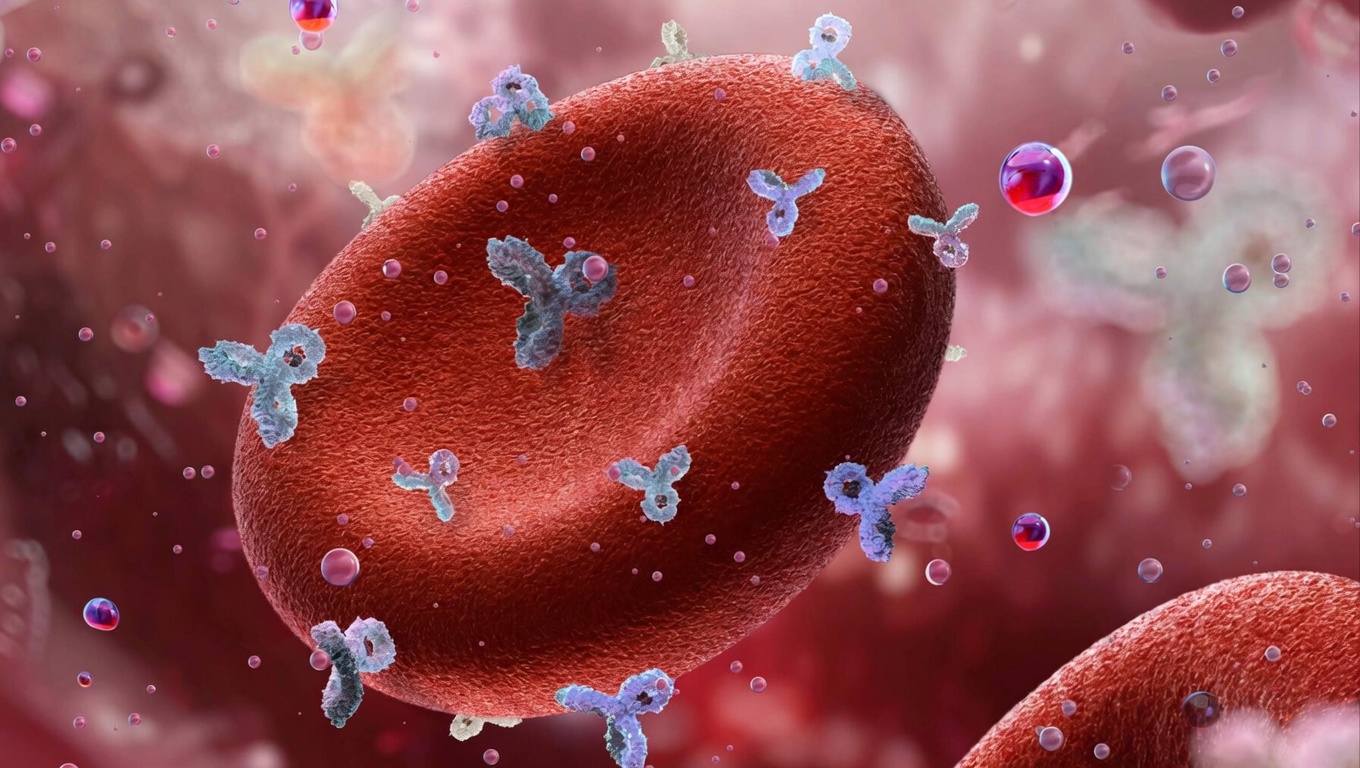
Your blood type is defined by specific antigens (markers) on the surface of your red blood cells. The most widely used system is the ABO system, which includes:
- Type A
- Type B
- Type AB
- Type O
Each blood type can also be Rh-positive or Rh-negative, but most long-term health research focuses primarily on the ABO types.
These antigens don’t only matter for blood transfusions. Scientists have explored whether ABO markers may be linked to differences in:
- Inflammation pathways
- Immune system behavior
- How cells and tissues interact, especially in the digestive tract
What Studies Suggest About Blood Type and Cancer Risk
Large population studies have examined whether cancer rates vary slightly across blood groups. In peer-reviewed medical research, a few recurring patterns have been reported:
- Type O is sometimes associated with a slightly lower risk of certain cancers, most notably pancreatic cancer, compared with non-O groups.
- Types A, B, and AB have shown modest associations with higher risk for some gastrointestinal cancers in certain populations.
- These are risk trends, not promises—meaning they reflect averages across large groups, not individual destiny.
The central takeaway: blood type effects (when observed) are typically modest, while lifestyle and environmental factors often contribute far more to cancer risk overall.
Why Pancreatic Cancer Comes Up So Often
Pancreatic cancer is one of the cancers most frequently mentioned in blood type research. Multiple observational studies have reported that people with type O may have a lower relative risk compared with those who have A, B, or AB.
Researchers have proposed several possible explanations, including:
- Differences in inflammatory signaling
- Variation in immune responses
- Interactions between ABO antigens and certain gut bacteria
Still, it’s critical to interpret this correctly: an association is not proof of cause. These findings do not mean blood type directly triggers or prevents cancer. They only describe patterns seen across large datasets.
Blood Type Risk Trends: A Simple, Practical Summary
The chart below reflects general trends reported in some studies. It is not a diagnostic tool and should not be used to predict personal outcomes.
- Type O: Slightly lower observed risk for some digestive cancers in certain studies (the difference is usually modest)
- Type A: Slightly higher observed risk in some research (lifestyle still matters far more)
- Type B: Mixed findings depending on the population studied (no consistent global pattern)
- Type AB: Sometimes grouped with non-O patterns (less common blood type, smaller study samples)
In reality, most cancers are influenced much more strongly by behavior and exposures than by blood group alone.
Blood Type Is Not Your Future
It’s understandable to see blood-type headlines and wonder if your health is already “written.” But cancer development is complex and usually involves many overlapping factors, such as:
- Genetic susceptibility
- Environmental exposures
- Chronic inflammation
- Diet and physical activity
- Tobacco and alcohol use
- Hormonal and metabolic influences
Even if type O is linked to slightly lower risk in certain studies, people with type O can still develop cancer. And many individuals with A, B, or AB live long lives without major illness.
Also, the science is not one-directional: some blood types may look “protective” in one cancer type and show neutral or inconsistent findings in others. The relationship is not universal.
Inflammation, Immunity, and the Digestive Tract Connection
ABO antigens aren’t limited to red blood cells. They can also appear on certain tissues, including parts of the gastrointestinal lining. This has led researchers to investigate whether blood type may subtly influence:
- Immune reactions to infection
- Tissue-level inflammation
- How the body responds to abnormal cellular changes
However, the best-supported drivers of chronic inflammation are usually lifestyle-related, including:
- Smoking
- Excess body weight
- Highly processed diets
- Long-term inactivity
So even if blood type contributes a small background influence, daily habits typically create a much larger effect.
What You Can Do Today (Even Though You Can’t Change Your Blood Type)
Focusing on blood group alone can distract from what consistently makes the biggest difference. While you can’t change your ABO type, you can improve many factors that major health organizations repeatedly link to lower cancer risk.
1) Eat a Balanced, Fiber-Rich Diet
Diets emphasizing whole, minimally processed foods are associated with stronger long-term health outcomes. Prioritize:
- A wide range of colorful vegetables and fruits
- Whole grains instead of refined grains
- Beans, lentils, and other legumes
- Lean or minimally processed protein sources
- Limiting ultra-processed foods when possible
Small improvements done consistently tend to matter more than perfection.
2) Move Regularly
Physical activity supports immune function, metabolic health, and weight balance. Common guideline targets include:
- Around 150 minutes of moderate activity per week
- Strength training twice weekly
- Reducing long periods of sitting
Consistency is usually more important than intensity.
3) Avoid Tobacco (Including Secondhand Smoke)
Tobacco remains one of the strongest known risk factors for multiple cancers. Avoiding smoking—and minimizing secondhand exposure—reduces risk regardless of blood type.
4) Keep Alcohol Intake Moderate
Higher alcohol intake is linked to increased risk for several cancers. If you drink, follow public health recommendations for moderation.
5) Follow Screening Recommendations
For certain cancers, screening and early detection can significantly improve outcomes. Discuss age-appropriate screening based on:
- Your age
- Personal health history
- Family history
The Emotional Side of “Genetic Risk” Headlines
Hearing that one blood type may have a lower risk can make others feel anxious or discouraged. That reaction is human—but headlines often exaggerate what the data actually means.
A “relative increase” can sound dramatic, even when the absolute risk remains small—especially for rarer conditions. Context helps replace fear with clarity and brings attention back to what you can genuinely influence.
So, Which Blood Type Has the Lowest Observed Cancer Risk?
Across current research trends, blood type O is most often associated with a slightly lower relative risk of certain cancers—particularly pancreatic cancer—compared with non-O blood types.
The nuance that matters most is this: your blood type is not the strongest protective factor. The biggest impact usually comes from lifestyle behaviors—including smoking status, diet quality, body weight, physical activity, and preventive screening—because these consistently outweigh ABO blood group in long-term health outcomes.