Many people gradually notice their hair looking less dense or shedding more than usual. Everyday pressures—like stress, lifestyle shifts, or an unbalanced scalp—often play a role. These slow changes can be discouraging and may lead to cycling through “instant fix” products that don’t provide lasting relief. In contrast, a gentle, steady focus on scalp care can be a more supportive path toward healthier-looking hair over time. If you’re looking for something simple and low-effort, a DIY herbal scalp spray can fit easily into your routine—along with a realistic timeline for what you may (and may not) notice.
Why Scalp Health Is a Key Part of Hair Care
Hair concerns typically develop over time rather than appearing overnight. Common contributors include:
- Ongoing stress
- Hormonal shifts
- Product buildup
- Scalp irritation or flaking
When the scalp is uncomfortable, many people respond with harsher products or over-washing, which can worsen dryness and sensitivity. Dermatology-focused organizations such as the American Academy of Dermatology often emphasize that a balanced scalp environment supports overall hair vitality. When your scalp feels calmer, it becomes easier to maintain a consistent, sustainable routine.
Why Neem, Rosemary, and Hibiscus Are Often Used for Hair
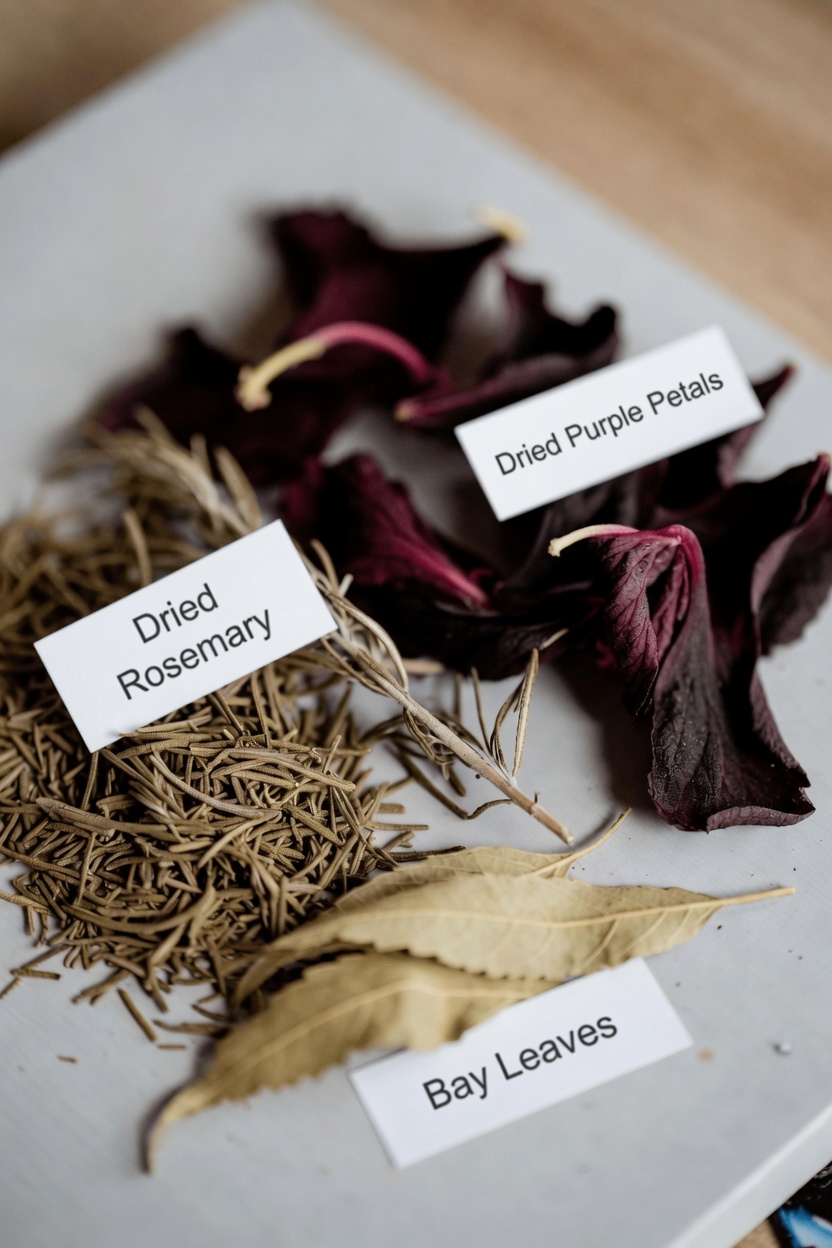
Neem, rosemary, and hibiscus have long been used in traditional hair practices, and each targets a different part of the hair-and-scalp experience:
- Neem is commonly associated with cleansing and soothing the scalp.
- Rosemary is often used topically to support an energized scalp feel and may complement massage routines.
- Hibiscus is valued for its slip and moisture, helping hair feel smoother and more manageable.
Used together, they offer a “multi-angle” approach—comfort, scalp support, and hydration—without relying on aggressive ingredients.
How Each Ingredient Supports Your Routine
Neem for Scalp Comfort
Neem leaves (or neem powder) are frequently included in natural scalp remedies due to their antimicrobial associations. For people dealing with mild flaking or minor irritation, a calmer scalp can mean fewer disruptions—like constant scratching or the urge to wash too often.
Rosemary for Scalp Support
Rosemary has been studied for topical use in hair and scalp contexts. A frequently cited example is a 2015 study published in Skinmed that compared rosemary oil and minoxidil in a scalp-focused setting. While individual results vary, many people like rosemary because it pairs well with gentle scalp massage, which can make the scalp feel more responsive and refreshed.
Hibiscus for Moisture and Strand Protection
Hibiscus petals contain plant mucilage, which acts like a soft, natural conditioning agent. This can reduce friction during detangling and styling, helping minimize breakage. Smoother strands also tend to look shinier and can appear fuller.
Potential Benefits of Adding This Herbal Spray to Your Hair Routine
Results with natural approaches are often subtle and gradual, but many people prefer them for daily comfort and long-term consistency. Here are nine reasons this neem-rosemary-hibiscus spray may appeal to gentler hair-care routines:
-
Supports a calmer scalp feel
A balanced scalp can make styling and wash days more comfortable. -
Encourages awareness of shedding patterns
Consistent routines help you notice trends—especially when stress affects hair fall. -
Works well with scalp massage
Applying the spray alongside a light massage can enhance the experience. Scalp massage research (including publications such as Eplasty) suggests it may help support surface circulation. -
May reduce the look of breakage over time
Less friction during detangling can help preserve length. -
Can improve the appearance of hair density
Smoother hair reflects light better, creating a fuller-looking effect sooner than true growth changes. -
Gentle support for fragile edges
If you’re transitioning away from tight styles, a light spray routine can reinforce careful handling. -
Herbal antioxidant associations
Neem and rosemary contain compounds discussed in herbal literature (including reviews in Phytotherapy Research) for their calming and protective potential. -
Easy to fit into busy schedules
Spraying and massaging takes only a few minutes, making consistency more realistic. -
A balanced, “trio” approach
Cleansing (neem), scalp support (rosemary), and moisture/slip (hibiscus) work together.
How to Make Neem, Rosemary, and Hibiscus Hair Spray
This is a simple, water-based herbal infusion intended for scalp-focused use.
Ingredients
- 2 cups water
- 1–2 tablespoons dried rosemary (or an equivalent amount fresh)
- 1–2 tablespoons dried hibiscus petals
- 1 tablespoon dried neem leaves (or 1 teaspoon neem powder)
Step-by-Step Instructions
- Bring the water to a gentle simmer.
- Add rosemary, hibiscus, and neem.
- Keep on low heat and steep for 15–20 minutes.
- Remove from heat, cover, and let it steep for an additional 20 minutes.
- Strain carefully to remove all particles.
- Allow to cool completely, then pour into a clean spray bottle.
- Store in the refrigerator.
How to Use It
- Spray lightly onto the scalp 3–4 times per week.
- Massage gently for 1–2 minutes.
- Avoid soaking the hair to reduce the chance of residue or buildup.
Storage: Keep refrigerated and use within 5–7 days. If you add essential oils, use proper dilution and skin-safety guidelines.
How This DIY Spray Compares to Other Options
| Option | Strengths | Downsides | Best For |
|---|---|---|---|
| Neem-Rosemary-Hibiscus Spray | Emphasizes scalp comfort and natural moisture | Needs weekly preparation and refrigeration | Mild dryness, minor irritation, routine support |
| Minoxidil | Supported by clinical evidence for certain thinning concerns | Can cause initial shedding; not for everyone | Targeted scalp support needs |
| Hair Gummies | May help fill nutrient gaps | Benefits depend on whether a deficiency exists | General wellness support |
| Salon Treatments | Professional assessment and customization | Higher cost and time commitment | Those who want expert-led plans |
Safety Tips to Reduce Common Issues
- Patch test first: Apply to the inner arm and wait 24 hours.
- Watch for residue: If you notice buildup, rinse regularly and reduce frequency.
- Monitor dryness: If your scalp feels tight, pair with a suitable conditioner on hair lengths.
- Keep tools clean: Sanitize bottles and discard old batches weekly.
Stop use if irritation or unusual reactions occur.
A Realistic Timeline: What to Expect
This type of routine is about gradual support—not instant transformation.
- Weeks 1–2: Scalp may feel more comfortable; less daily irritation for some users.
- Weeks 3–4: Styling may feel easier as breakage and friction reduce.
- Month 2 and beyond: Subtle improvements in manageability and overall hair feel may become more noticeable.
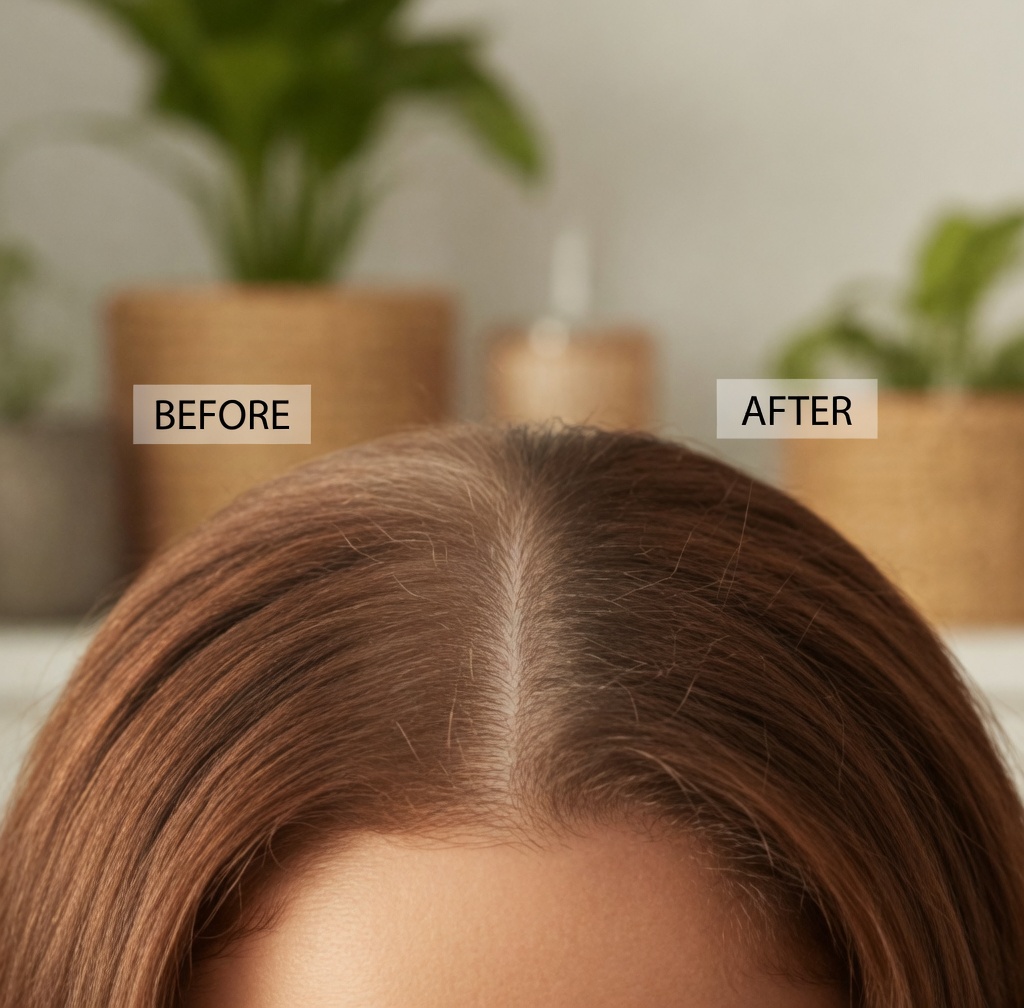
To track changes objectively, take photos in consistent lighting and keep notes on shedding, itchiness, and styling ease.
Final Thoughts: A Gentle Upgrade to Your Hair Habits
A neem, rosemary, and hibiscus spray won’t replace medical care or guarantee dramatic regrowth, but it can be a practical addition to a scalp-first routine. The real value comes from gentle ingredients, consistency, and realistic expectations. Try it for 6–8 weeks, and evaluate how your scalp and hair respond—keeping in mind that lifestyle, stress, and health factors strongly influence results.
Frequently Asked Questions
What if I have sensitive skin?
Patch test first, start with light application, and reduce frequency if needed. If symptoms persist, consult a qualified professional.
Can I use this alongside other hair products?
Yes. Introduce it gradually and apply it after cleansing so the scalp is more receptive.
How can I tell if it’s helping?
Look for small, practical changes: less irritation, easier detangling, reduced breakage, and improved scalp comfort over time.
Disclaimer: This content is for informational purposes only and does not replace medical advice. If you notice significant shedding, sudden changes, or underlying scalp conditions, consult a healthcare provider for personalized guidance.