
Knee Discomfort and Daily Life: Why It Feels So Draining
Knee pain can turn ordinary routines into a challenge. Walking longer distances, climbing stairs, or simply getting out of bed may come with stiffness, a grinding sensation, or a persistent ache that doesn’t fully go away. Over time, natural wear on the cartilage that cushions the knee increases friction inside the joint—often affecting sleep, limiting favorite activities, and reducing overall quality of life.
Because many people prefer gentle, natural options that don’t rely entirely on medication, cartilage broth (a bone broth made to be especially rich in joint-supporting compounds) has become a popular choice. When used consistently as part of a balanced lifestyle, it may contribute to day-to-day knee comfort—especially for those focused on long-term joint wellness.

What Is Cartilage Broth?
Cartilage broth is a type of bone broth made with extra attention to cartilage-heavy bones and joints, such as:
- Chicken feet
- Knuckles
- Wings with joints
- Beef oxtail
By simmering these ingredients slowly for many hours, the broth pulls out connective-tissue components. The finished liquid is savory and, when chilled, often becomes slightly gel-like—a sign that it contains more gelatin and collagen-related compounds than typical quick stocks.
In short: it’s similar to regular bone broth, but intentionally designed to maximize connective tissue nutrients.
Why Knees Wear Down—and How Nutrition Can Support Joint Comfort
Knee cartilage works like a shock absorber, but it has limited blood flow. That means it depends heavily on nutrients delivered through diet and joint fluid. As people age, collagen production declines, which may contribute to gradual joint wear.
Research on hydrolyzed collagen (a processed form of collagen similar to what the body breaks down from collagen-rich foods) suggests it can help support joint function. Meta-analyses of randomized trials have linked collagen peptides with improvements in pain and mobility, particularly among people with osteoarthritis-like symptoms.
Cartilage broth contains amino acids such as glycine and proline, commonly described as building blocks the body uses to support connective tissues. It may also provide naturally occurring glucosamine and chondroitin, two compounds frequently associated with joint structure and lubrication, plus minerals that support the musculoskeletal system.
It’s important to note: evidence specific to bone broth is still developing. The strongest clinical data is tied to collagen supplementation, while broth offers related components in a whole-food format.
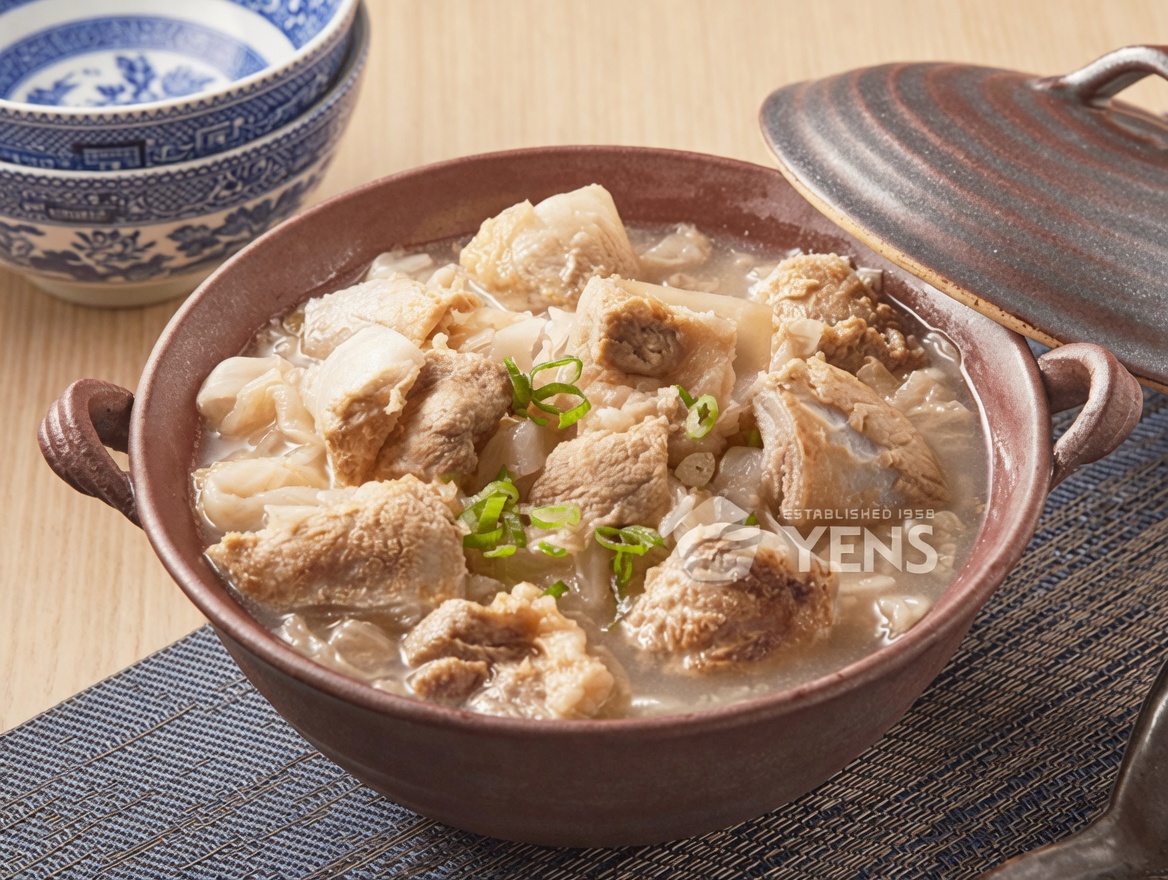
Key Nutrients in Cartilage Broth (and Why They Matter)
Cartilage broth is valued because it combines several supportive elements in one food:
- Collagen and gelatin: break down into peptides that may help support cartilage maintenance and a balanced inflammatory response
- Amino acids (glycine, proline): support the body’s ability to build and repair connective tissue
- Glucosamine and chondroitin: naturally present in cartilage-rich parts; often linked with joint comfort and lubrication
- Minerals (calcium, magnesium, phosphorus): contribute to bone strength and overall skeletal support
Many people prefer this “nutrient package” approach because it may complement a healthy routine better than relying on a single isolated ingredient.
What People Commonly Notice After Adding Cartilage Broth
Experiences vary, but consistent use over weeks to months is often associated with gradual, practical changes, such as:
- Less knee stiffness first thing in the morning
- Easier movement after sitting for long stretches
- More confidence staying active without as much hesitation
Results depend on multiple factors, including overall diet, hydration, strength and mobility work, and body weight. Cartilage broth can fit naturally into a broader joint-support plan because it also helps with hydration and provides satisfying protein—both useful for healthy habits that reduce knee strain.
How to Make Cartilage Broth at Home (Simple Step-by-Step)
Homemade cartilage broth lets you control ingredient quality and cooking time. Below is a beginner-friendly method.
Ingredients (makes about 8–10 cups)
- 2–3 lbs cartilage-rich bones/joints (chicken feet, knuckles, wings, beef oxtail; a mix works well)
- 1 onion, quartered
- 2 carrots, chopped
- 2 celery stalks, chopped
- 2–3 garlic cloves, smashed
- 2 tbsp apple cider vinegar (helps draw minerals from bones)
- Optional: bay leaves, peppercorns, fresh herbs
- Water to cover (about 4–6 quarts)
Instructions
- Put the bones in a large pot or slow cooker. Add apple cider vinegar and let sit for 30 minutes before heating.
- Add vegetables, optional herbs/spices, and enough water to cover everything by about 2 inches.
- Bring to a boil, then immediately reduce to a gentle simmer. Skim off any foam that rises.
- Simmer for 8–24 hours (longer cooking usually creates a richer, more gelatinous broth).
- Strain through a fine-mesh sieve. Cool, then refrigerate. Skim the fat layer if you prefer.
- Store in the refrigerator up to 5 days, or freeze in single-serve portions.
How to use it: Drink about 1 warm cup per day, or use it as a base for soups and stews. If you’re new to broth, start with ½ cup and increase gradually.
Tip: For the most collagen-rich result, choose bones with visible joints, cartilage, and connective tissue.
Ways to Get Better Results for Knee Support
Cartilage broth works best when paired with habits that reduce stress on the knees and support joint function:
- Hydrate consistently to support joint lubrication
- Choose low-impact exercise (walking, swimming, yoga) to strengthen muscles around the knee
- Maintain a healthy body weight—even small changes can reduce knee load
- Emphasize anti-inflammatory foods like berries, leafy greens, olive oil, and fatty fish
Small improvements compound over time, especially when done consistently.
Conclusion: A Comforting, Nutrient-Dense Habit to Consider
Cartilage broth is a traditional, nourishing drink that supplies collagen-related compounds and other nutrients often associated with joint comfort and knee health. It isn’t a quick fix or a cure, but it can be a practical addition to a balanced lifestyle—especially for people seeking natural support.
Try adding it regularly for several weeks and pay attention to how your knees feel during daily activities.
FAQ
Is cartilage broth the same as standard bone broth?
They’re closely related, but cartilage broth focuses more on joints and connective tissue, typically increasing collagen and gelatin content compared with basic stock.
How long does it take to notice changes in knee comfort?
Many people report subtle shifts after 4–8 weeks of consistent intake, though results depend on diet, movement, and individual health factors.
Can I drink cartilage broth with dietary restrictions?
It’s generally gluten-free and low-carb, but you should consider specific meat allergies and discuss it with a clinician if you have concerns such as gout or sodium restrictions.
Disclaimer
This article is for informational purposes only and does not provide medical advice. Cartilage broth is a food—not a treatment or cure. If you have knee pain, osteoarthritis, or other health concerns, consult a qualified healthcare professional before making dietary changes. Individual results vary, and dietary choices are best made with professional guidance.