Can Cold Weather Cause Pneumonia? The Science-Based Answer
For decades, many people have believed that simply stepping into cold air can “give you pneumonia.” The logic sounds convincing: you feel chilled, start coughing, and assume the cold has gone straight to your lungs. In reality, medical evidence points elsewhere. Cold temperature by itself does not cause pneumonia.
What actually leads to pneumonia is infection from microorganisms—most commonly bacteria or viruses. Winter weather can indirectly contribute by creating conditions where germs spread more easily, but the cold air isn’t the direct trigger. Understanding this difference helps you focus on prevention that truly works, rather than worrying about myths.
What Pneumonia Actually Is
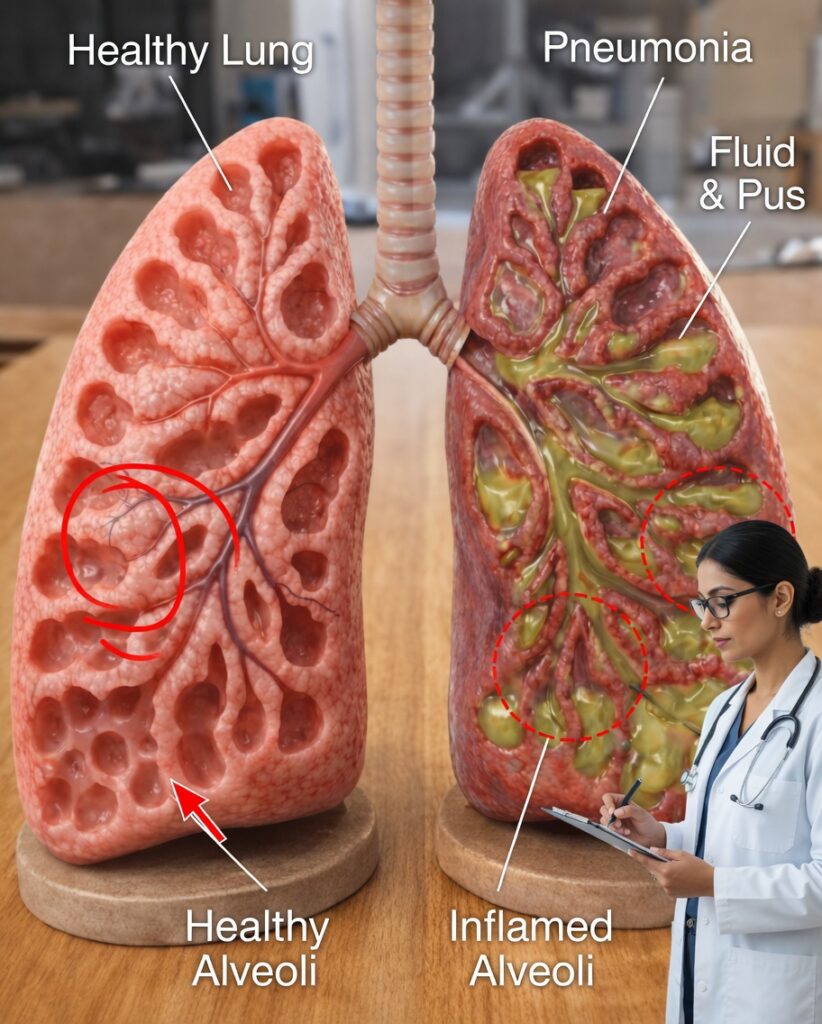
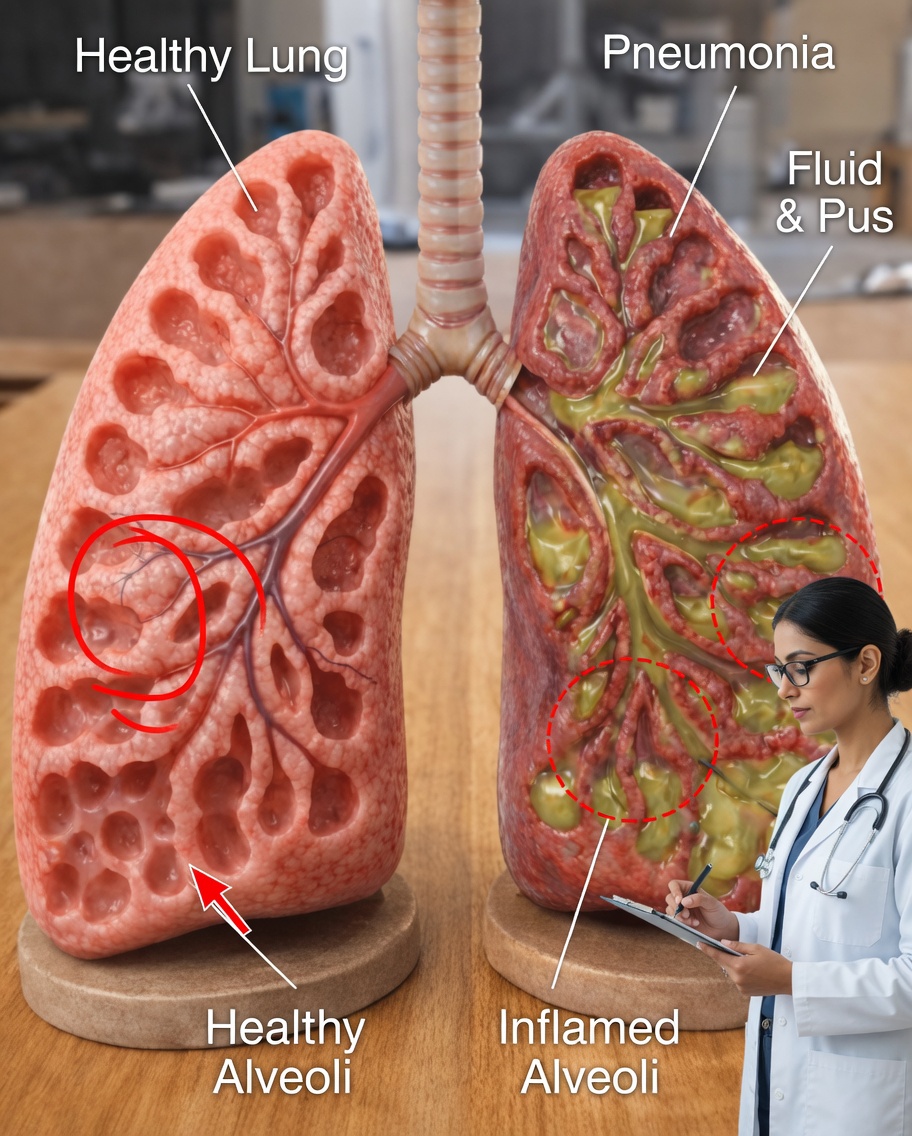
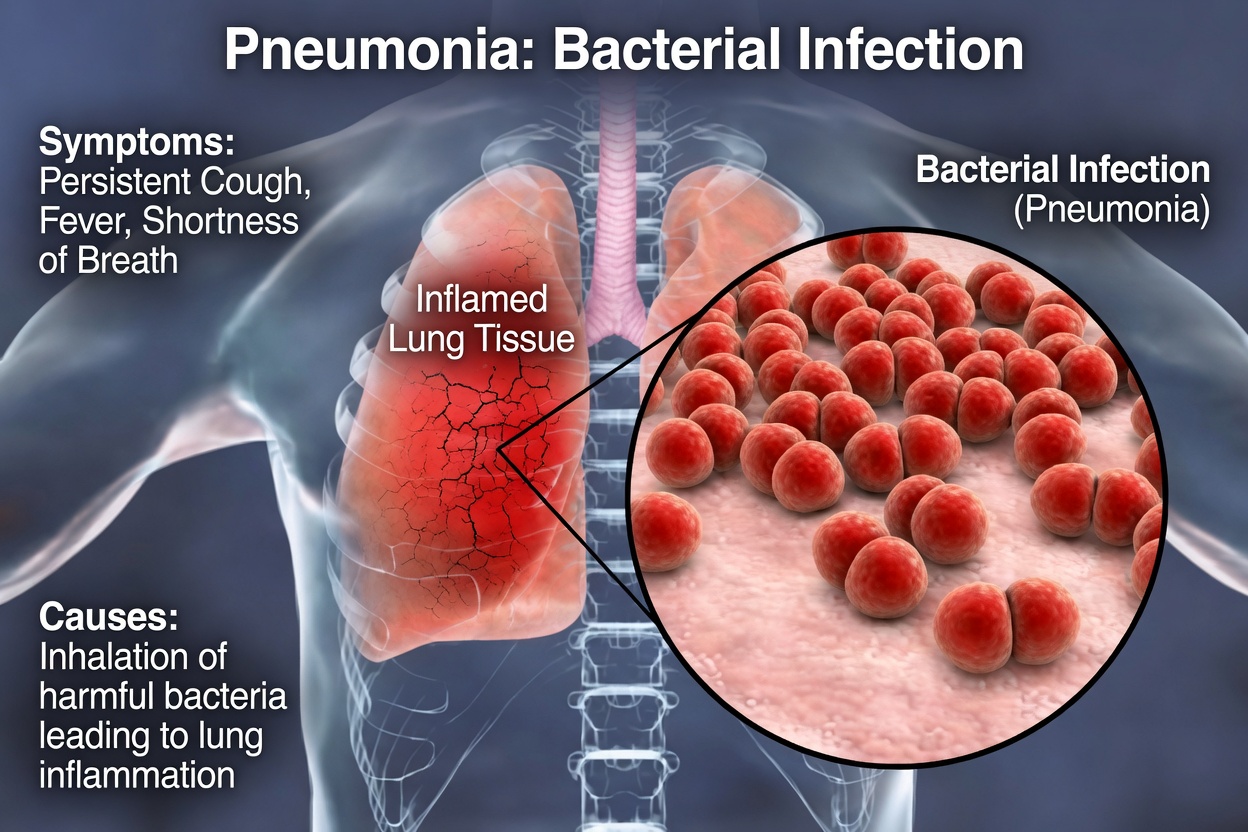
Pneumonia is a lung infection that inflames the small air sacs in the lungs, called alveoli. When these sacs swell and fill with fluid or pus, breathing can become painful and less effective, reducing oxygen delivery throughout the body.
Trusted medical sources such as the CDC and Mayo Clinic note that pneumonia can affect people of all ages—from young children to healthy adults and older adults. It often shows up after a respiratory illness (like a cold or flu) weakens the body’s defenses, but it can occur in any season, not only in winter.
The Myth That Won’t Go Away: Does Cold Air Directly Cause Pneumonia?
Many long-standing beliefs claim pneumonia comes from:
- getting chilled outdoors
- sleeping near a fan or in a draft
- having wet hair or cold feet
These ideas persist because cold weather can make coughing or airway irritation feel worse, which makes it easy to blame the temperature. However, authoritative references (including Merck Manual and Mayo Clinic) are clear: cold air does not introduce infectious organisms into your lungs, and it does not directly create pneumonia.
The real danger isn’t the temperature—it’s the germs and how they spread.
The Real Causes of Pneumonia
Pneumonia starts when harmful pathogens (or inhaled material) reach the lungs and cause infection. The main categories include:
-
Bacterial pneumonia
Common in adults and often linked to Streptococcus pneumoniae. It may occur on its own or develop after a viral infection such as a cold or influenza. Without timely treatment, bacterial pneumonia can worsen rapidly. -
Viral pneumonia
Triggered by viruses like influenza, RSV, and COVID-19. Viral pneumonia is frequent in children and can also set the stage for a secondary bacterial infection, which may be more severe. -
Fungal pneumonia
Less common and more likely in people with weakened immune systems. Certain fungi found in soil, bird droppings, or specific regions can cause lung infection in vulnerable individuals. -
Aspiration pneumonia
Happens when food, liquid, saliva, or vomit is inhaled into the lungs. Risk is higher in people with swallowing problems, neurological conditions, sedation, or heavy alcohol use.
In short: pathogens and aspiration cause pneumonia—not cold weather.
Why Pneumonia Is More Common in Winter
Although cold air doesn’t directly cause pneumonia, winter can raise infection rates through several indirect factors:
- More indoor time and close contact, which increases droplet and airborne spread
- Higher circulation of seasonal respiratory viruses such as flu and RSV
- Cold, dry air that can dry out nasal passages and reduce natural protective barriers
- Lower sunlight exposure, which may contribute to reduced vitamin D levels for some people
- Seasonal stress, poor sleep, and fatigue, which can weaken immune resilience
Health guidance from organizations like the CDC and Mayo Clinic links winter spikes to these behavioral and environmental changes—not to cold air “causing” pneumonia.
Who Is at Higher Risk of Pneumonia?
Pneumonia can affect anyone, but risk increases in certain groups, including:
- Adults over 65 and children under 5
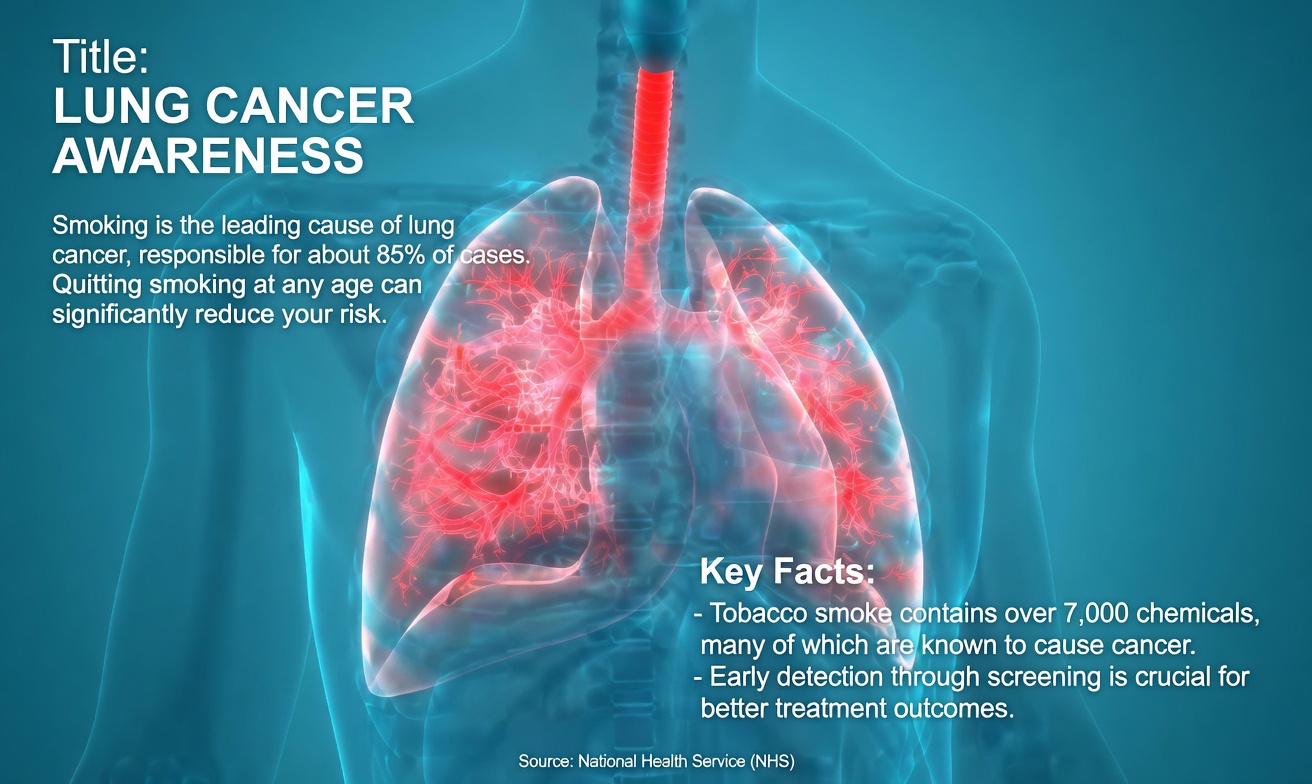
- People who smoke or vape
- Individuals with chronic conditions such as asthma, COPD, heart disease, or diabetes
- Those with weakened immune systems (due to illness or medications)
- People recovering from a cold, flu, or other respiratory infection
- Hospitalized, bedridden, or long-term care patients
Knowing your risk profile helps you take prevention more seriously and seek care sooner if symptoms appear.
Symptoms of Pneumonia to Watch For
Pneumonia can resemble a severe cold or flu at first, which makes early recognition important. Common warning signs include:
- Persistent cough, sometimes producing yellow, green, or bloody mucus
- Fever, chills, and sweating
- Shortness of breath or unusually rapid breathing
- Chest pain that worsens with deep breaths or coughing
- Severe fatigue, weakness, or confusion (especially in older adults)
In young children and seniors, symptoms can be less obvious—such as decreased appetite, unusual sleepiness, or fast breathing—yet still require prompt medical attention.
How to Protect Your Lungs in Winter (What Actually Works)
Instead of relying on “don’t catch a chill” advice, focus on prevention supported by medical evidence.
1. Stay Up to Date on Vaccines
Vaccination can lower the risk of pneumonia and, importantly, severe outcomes:
- Annual flu vaccine
- Pneumococcal vaccines (ask your clinician about options such as PCV20 or PPSV23, especially if you’re 50+ or have risk factors)
- Current COVID-19 vaccination/boosters as recommended
Vaccines don’t prevent every case, but they significantly reduce hospitalization and complications.
2. Treat Respiratory Illnesses Seriously
If you’re sick, don’t try to power through:
- rest and hydrate
- monitor symptoms
- seek medical advice if symptoms worsen, linger, or become severe
Early care can stop a respiratory infection from progressing into pneumonia.
3. Strengthen Your Immune Defenses
Support your immune system with consistent basics:
- 7–9 hours of sleep per night
- nutrient-dense meals with fruits and vegetables
- vitamin D from food, safe sun exposure, or supplements when appropriate (with professional guidance)
- stress management through routines like walking, breathing exercises, or mindfulness
4. Avoid Smoking and Secondhand Smoke
Smoking damages lung tissue and weakens local immune defenses, making infections more likely and harder to recover from. Quitting is one of the most effective long-term lung-protection steps.
5. Use Everyday Hygiene That Blocks Germs
Simple habits reduce transmission:
- wash hands regularly with soap and water
- cover coughs and sneezes
- limit close contact with sick people when possible
- improve indoor airflow/ventilation
These actions help year-round, not just in winter.
When to Get Medical Help Immediately
Pneumonia is often treatable—especially when addressed early. Seek urgent medical care if you notice:
- severe trouble breathing
- bluish lips or fingertips
- high fever that doesn’t improve with medication
- strong or worsening chest pain
- sudden confusion or extreme weakness
Fast treatment can prevent serious complications.
Key Takeaway
Cold weather doesn’t directly cause pneumonia. Pneumonia happens due to bacteria, viruses, fungi, or aspiration. Winter simply increases the opportunities for germs to spread and can challenge your body’s natural defenses. By focusing on vaccination, hygiene, smoke avoidance, and smart illness management, you can protect your lungs with facts—not fear.
Frequently Asked Questions
Does breathing cold air damage my lungs and lead to pneumonia?
No. Cold air may irritate the airways and dry nasal passages, which can make it easier for germs to gain a foothold. But pneumonia itself is caused by microorganisms, not temperature.
Can healthy people get pneumonia?
Yes. Even healthy individuals can develop pneumonia, especially after a viral illness. Risk increases with age, smoking, chronic conditions, or immune suppression.
Are vaccines enough to prevent pneumonia completely?
Vaccines reduce the risk of specific causes (especially flu-related and pneumococcal disease), but they don’t cover every type of pneumonia. The best protection is vaccination plus hygiene and healthy habits.