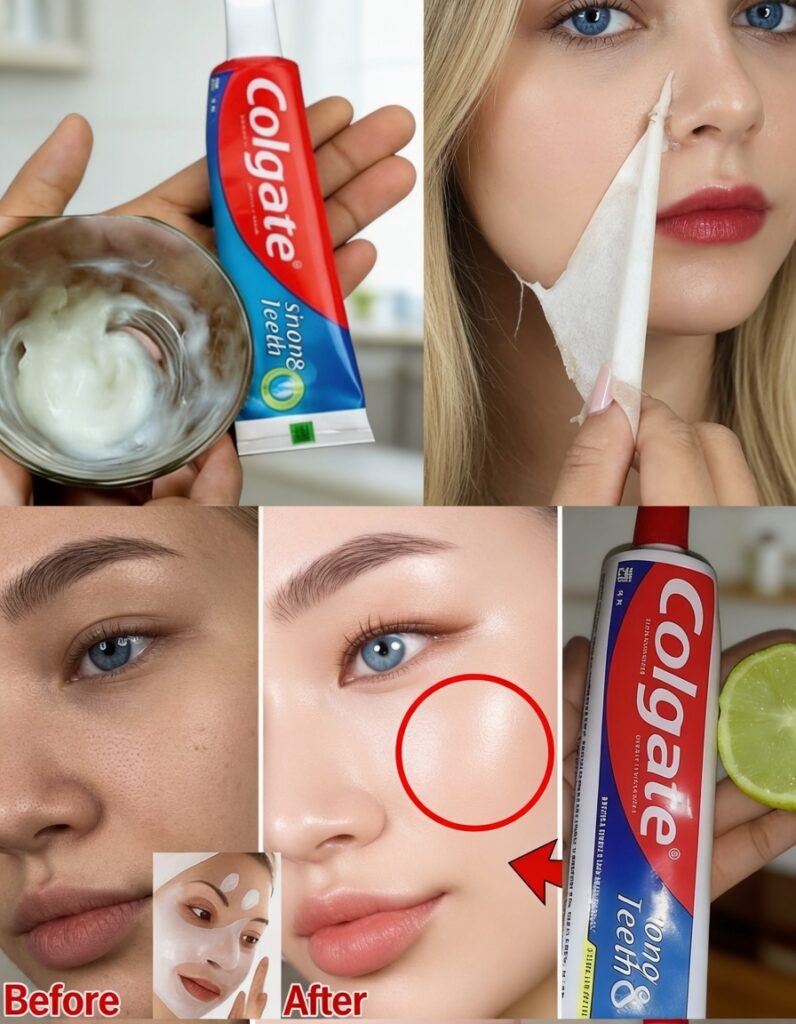
If dark spots and an uneven complexion have been affecting your confidence—making you pause before leaving the house—you’re far from alone. Many people feel disappointed after trying over-the-counter “brightening” creams for weeks with little visible change. That frustration often leads to late-night scrolling and viral DIY ideas that promise fast results without the cost.
One of the most searched trends is Colgate toothpaste for face whitening, especially when combined with lemon juice. Before you try this at home, it’s important to understand what’s behind the hype, what the real risks are, and which safer options can support a brighter-looking skin tone over time.
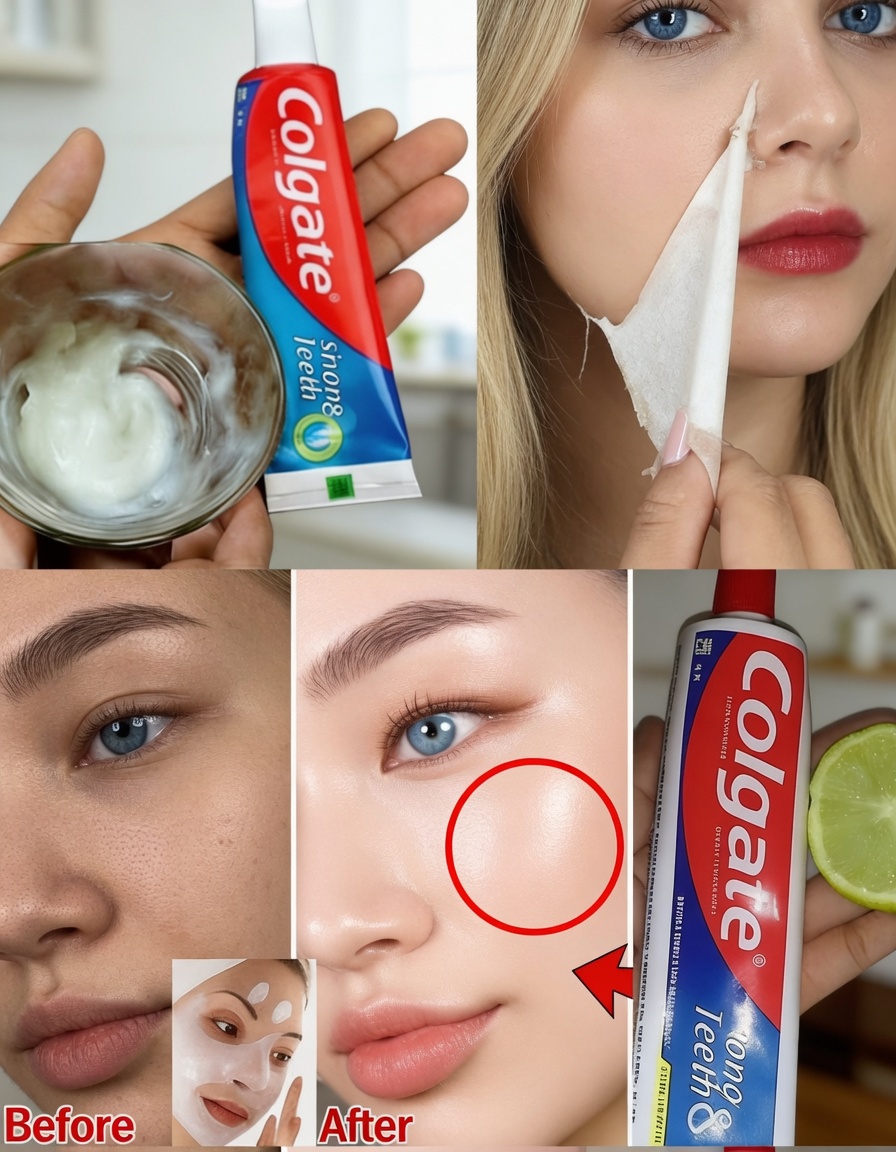
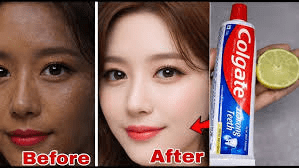
Why “Colgate Toothpaste for Face Whitening” Went Viral
The popularity of Colgate toothpaste for face whitening comes from one simple reason: it sounds like an easy, low-cost fix using items many people already have at home. When hyperpigmentation or dullness makes you avoid selfies or feel self-conscious in bright lighting, a “quick mix” can feel incredibly tempting.
Social platforms amplify this curiosity through short videos and dramatic before-and-after claims. It’s easy to see why the idea spreads—especially for anyone who feels stuck and wants a solution now, not months from now.
Still, viral reach doesn’t equal proven results. Understanding what this trend can and cannot do helps you set realistic expectations and avoid skin damage while chasing a brighter look.

What’s in the Mix: Toothpaste and Lemon Juice Explained
The DIY formula usually relies on two components:
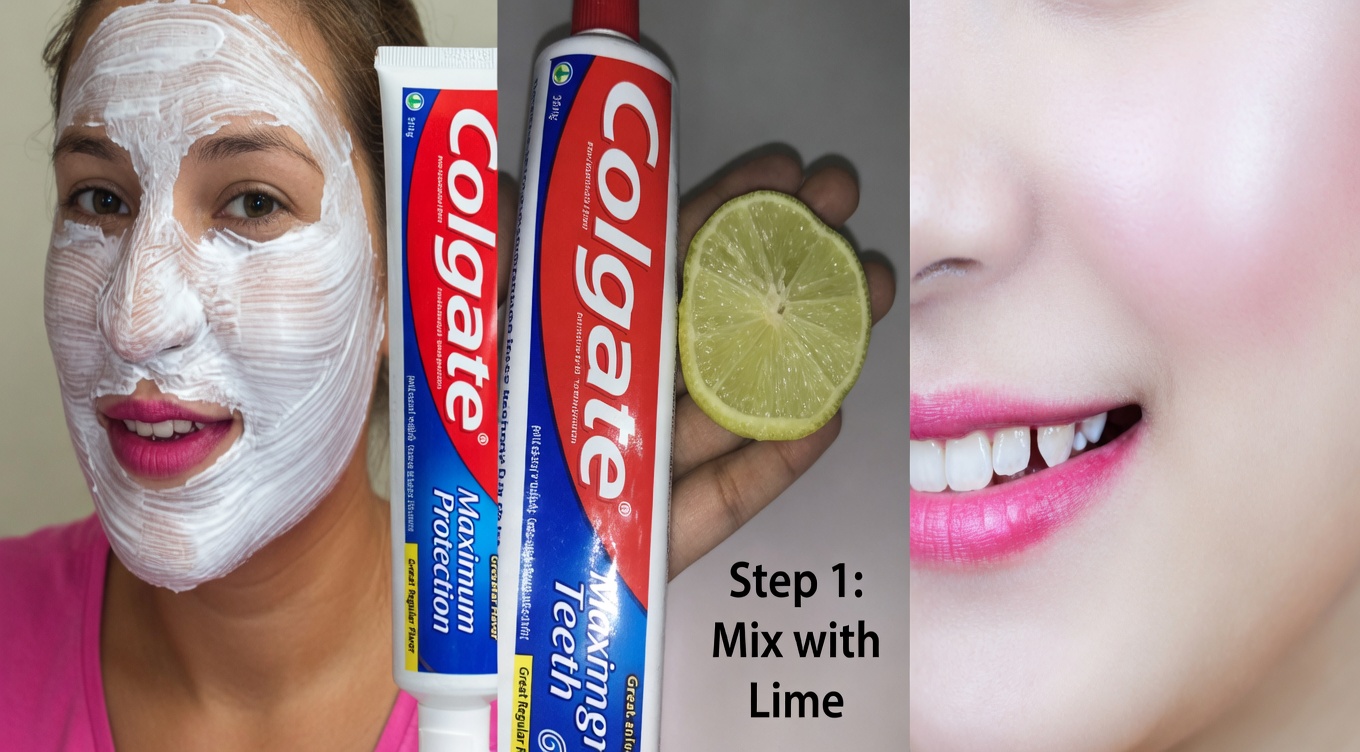
- Lemon juice, which contains vitamin C and natural acids. Many people assume this can “brighten” the skin or fade dark spots quickly.
- Colgate toothpaste, which often includes mild abrasives (such as baking soda or silica) and may contain small amounts of peroxide-like ingredients, depending on the product version.
Toothpaste can also include menthol and cooling agents, which create a fresh sensation that some mistake for “working.” But facial skin is far more delicate than tooth enamel—so the same ingredients that polish teeth can be too harsh for your face.
While stabilized vitamin C in skincare has research supporting its brightening benefits, raw lemon juice is not the same as a professionally formulated product. Its acidity can be unpredictable and irritating, especially when paired with abrasive ingredients.
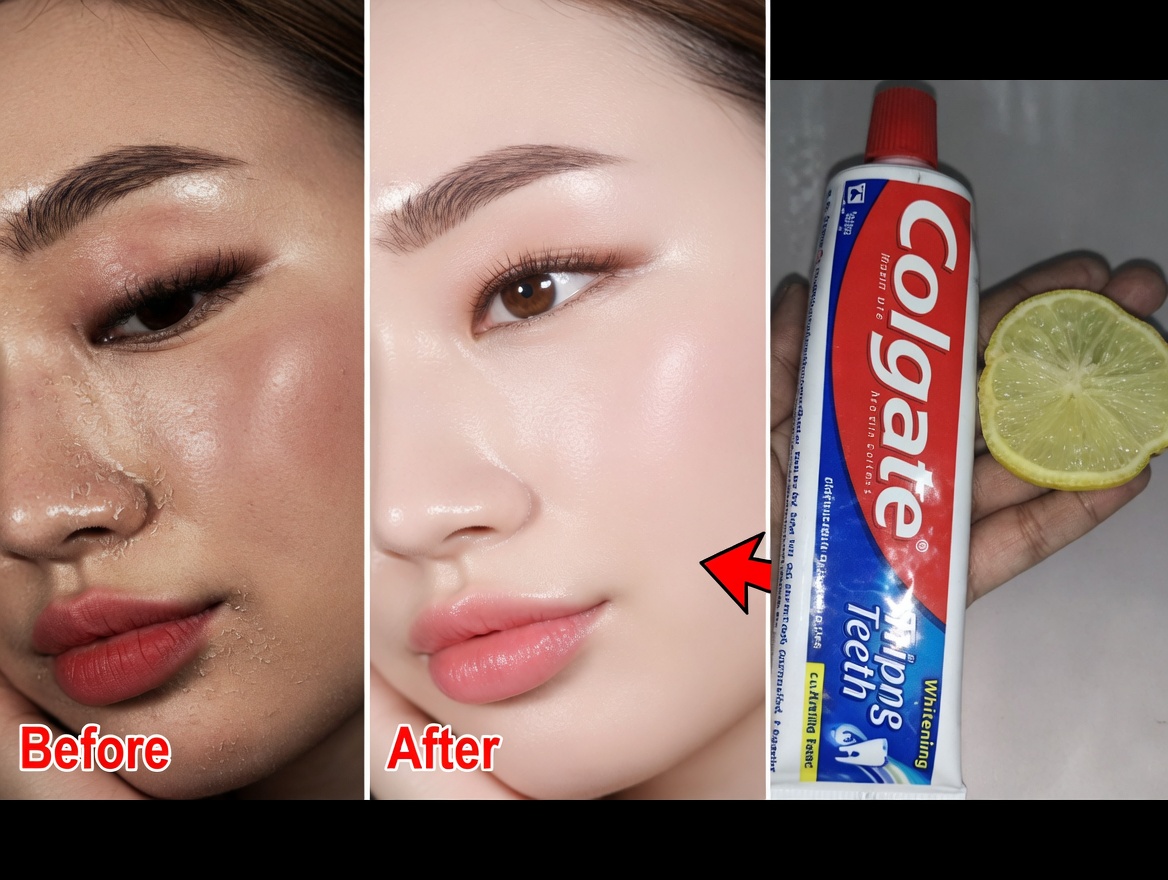
How People Prepare Colgate Toothpaste for Face Whitening (DIY Method)
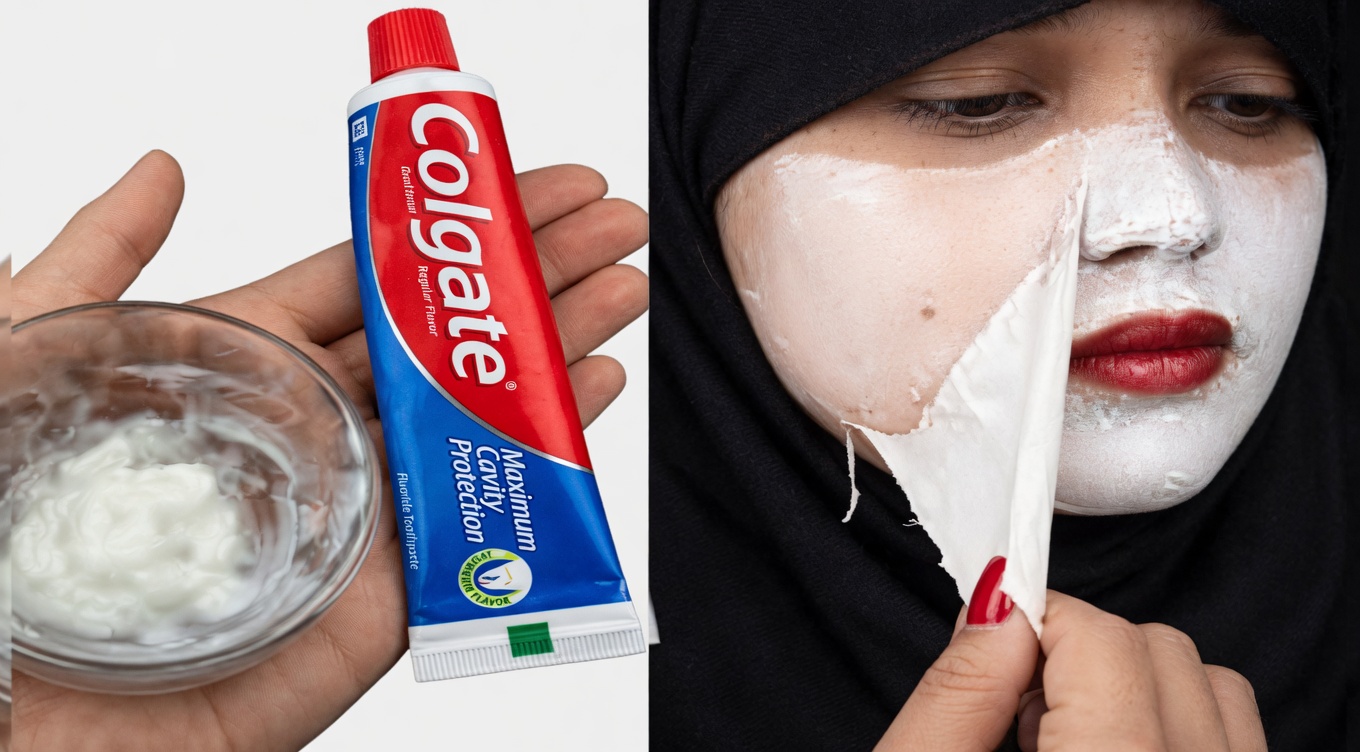
If someone chooses to experiment with Colgate toothpaste for face whitening, the most common approach is a short-contact mask. Keep in mind: this is not a dermatologist-approved treatment, and the goal here is harm reduction and safer decision-making.
Typical at-home preparation
- Choose a plain white toothpaste (avoid gels, colored formulas, or extra “cooling” varieties).
- In a clean dish, mix:
- 1 teaspoon toothpaste
- 1/2 teaspoon fresh lemon juice
- Stir until smooth.
Typical application
4. Apply a very thin layer to clean, dry skin—usually only on the areas with uneven tone.
5. Leave it on briefly (often 5–10 minutes maximum).
6. Rinse thoroughly with lukewarm water.
7. Apply a gentle moisturizer afterward to reduce dryness.
Short contact time matters because both acidity and abrasiveness can stress the skin barrier quickly.
Safety Risks You Should Know Before Trying It
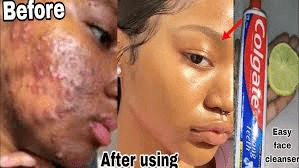
The biggest concern with Colgate toothpaste for face whitening is not that it “won’t work”—it’s that it can trigger irritation and worsen pigmentation in the long run.
Key risks include:
- Skin barrier disruption: Lemon acid + toothpaste abrasives can strip and irritate the surface of the skin.
- Redness, peeling, stinging, and dryness: Reactions are more common on sensitive or thin-skinned areas.
- Increased sun sensitivity: Citrus compounds can raise the risk of photosensitivity, and sun exposure afterward may lead to darker marks rather than fading.
- Post-inflammatory hyperpigmentation (PIH): If your skin becomes inflamed, it can respond by producing more pigment—especially in deeper skin tones.
Quick safety checklist
- Patch test for 24 hours before applying anywhere on your face
- Use plain white toothpaste only (no gels, dyes, or “whitening crystals”)
- Limit frequency to no more than once per week (less is safer)
- Avoid the eye area and corners of the nose/mouth
- Do not use on cuts, active acne, eczema, or very reactive skin
How to Do a Proper Patch Test
A patch test won’t guarantee zero risk, but it can help you avoid an immediate, severe reaction.
- Wash and dry a small section of skin on your inner forearm.
- Apply a tiny amount of the mixture.
- Leave it on briefly, rinse, and then wait 24 hours.
- Check for:
- redness
- itching
- burning
- swelling
- rash-like bumps
If any irritation appears, skip facial use entirely. Even if the patch test looks fine, your face can still react more strongly—so caution is essential.
Gentler, More Reliable Alternatives for Brighter-Looking Skin
If your goal is long-term radiance and a more even tone, safer options usually outperform harsh DIY methods like Colgate toothpaste for face whitening.
Consider these evidence-based approaches:
- Vitamin C serums (formulated for facial skin): More stable, better tolerated, and designed to work at skin-friendly pH levels.
- Daily sunscreen (SPF 30+ or higher): Often the most important step for preventing dark spots from getting worse.
- Niacinamide: Supports a more even-looking complexion and helps strengthen the skin barrier.
- Gentle exfoliants (like lactic acid): Can improve dullness gradually without the rough abrasion of toothpaste.
These options are typically more consistent, more predictable, and less likely to trigger rebound pigmentation.
When to See a Dermatologist Instead of Repeating DIY Fixes
If dark spots persist, spread, or impact your confidence significantly, professional guidance is often the fastest path to meaningful results. A dermatologist can identify whether you’re dealing with melasma, post-acne marks, sun damage, or irritation-related pigmentation—each one may require a different plan.
In-office and prescription options commonly provide better outcomes than Colgate toothpaste for face whitening, including targeted topicals and customized routines designed for your skin type and tone.
Final Thoughts
The idea of Colgate toothpaste for face whitening with lemon stays popular because it feels accessible and inexpensive. However, the combination can irritate skin, increase sun sensitivity, and potentially make pigmentation look worse over time. If you still choose to experiment, patch testing and strict sun protection are non-negotiable—but for most people, gentler brightening ingredients and professional advice are safer and more effective for achieving an even, healthy-looking glow.