Hair thinning affects millions of people worldwide. For many, it begins quietly in their 30s or 40s—more strands left in the shower, a widening part, or hairstyles that suddenly look flatter than they used to. The experience can feel discouraging and can chip away at confidence, which is why so many people cycle through shampoos, serums, and supplements that improve appearance on the surface but don’t always support deeper needs like scalp health and nutrient support.
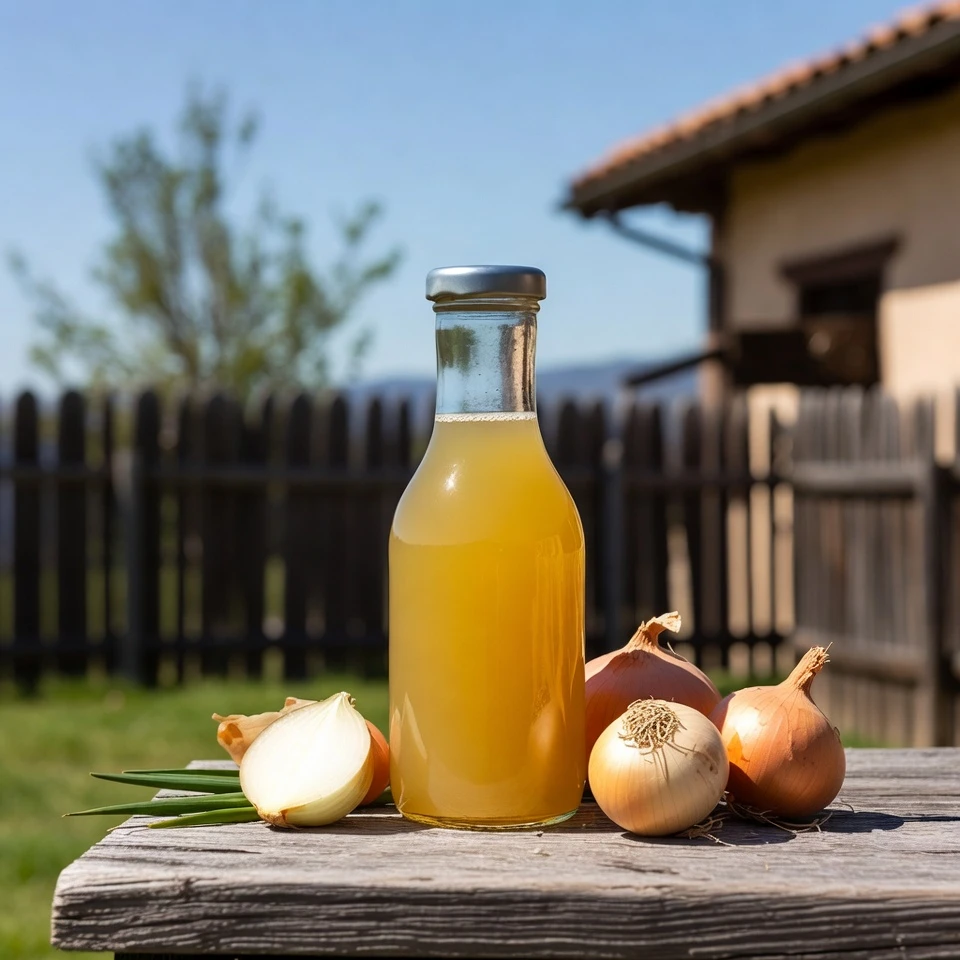
That’s where natural approaches have gained attention—especially remedies that use everyday pantry ingredients. One of the most talked-about options is onion juice for hair. While it’s not a guaranteed fix and results vary, this traditional method is being explored for its potential to support a healthier scalp environment and stronger-looking strands.
The Quiet Reality of Hair Thinning
Noticeable hair thinning becomes increasingly common with age, and by around 50, a large share of adults report visible changes. For others, the shift happens earlier due to factors such as:
- Ongoing stress
- Nutrient gaps in the diet
- Lifestyle habits that affect the scalp and follicles
Beyond the cosmetic impact, thinning hair can influence everyday decisions—avoiding certain hairstyles, skipping photos, or feeling less comfortable in social settings.
Many over-the-counter products focus on volume, shine, or temporary thickening, but they may not fully address issues that often sit underneath, including scalp irritation, inflammation, or suboptimal circulation.
Research interest has grown around sulfur-containing foods and plant compounds that may support hair structure and the scalp environment. Onions stand out because they naturally contain:
- Sulfur compounds, which relate to keratin structure
- Antioxidants such as quercetin
A small study published in 2002 in the Journal of Dermatology examined crude onion juice applied twice daily for alopecia areata (patchy hair loss). After six weeks, more participants using onion juice experienced regrowth compared with those using tap water. While this is encouraging for that specific condition, evidence for broader, everyday hair thinning remains limited, and larger studies are still needed.
Why Onion Juice for Hair? The Science Behind the Interest
Onions are not just a cooking ingredient—they contain compounds that may support the scalp when used topically.
-
Sulfur and keratin support
Sulfur plays a role in the bonds that help keratin maintain strength. In theory, this could help strands appear stronger and less prone to breakage. -
Quercetin (antioxidant support)
Quercetin is a flavonoid associated with antioxidant and anti-inflammatory activity, which may help counter oxidative stress around hair follicles. -
Possible scalp circulation support
Certain onion compounds may help support blood flow in the scalp, potentially improving delivery of oxygen and nutrients to the roots.
Separately, a 2015 randomized trial comparing rosemary oil to 2% minoxidil for androgenetic alopecia found similar improvements in hair count after six months, with some tolerance advantages reported for rosemary (such as less itching). This is one reason many people experiment with onion juice plus rosemary as a combined scalp-focused routine.
12 Reasons Onion Juice Is Popular in Natural Hair Care Conversations
In natural hair communities, onion juice is often discussed for these potential benefits:
- Supports keratin structure due to its natural sulfur content
- Provides quercetin, often linked to reduced inflammation
- May support scalp blood flow and nutrient delivery
- Offers antimicrobial activity, which may help maintain scalp balance
- Adds antioxidant support against free radical stress
- May help create a better environment for healthy growth cycles
- Some users report less itchiness or dandruff-like flaking
- May improve the look and feel of strand strength over time
- Fermenting may improve how some nutrients are utilized
- Can create a more acidic pH, closer to the scalp’s natural range
- Fermentation may provide “probiotic-like” byproducts (direct hair evidence is limited)
- Massage application may improve penetration and scalp stimulation
These points are based on onion’s composition, small-scale findings, and user experience—so outcomes can differ significantly from person to person.
How to Use Onion Juice on the Scalp (Basic Method)
If you want to try onion juice for hair thinning, start simple. Many people choose red onions because they are often higher in quercetin.
Step-by-step:
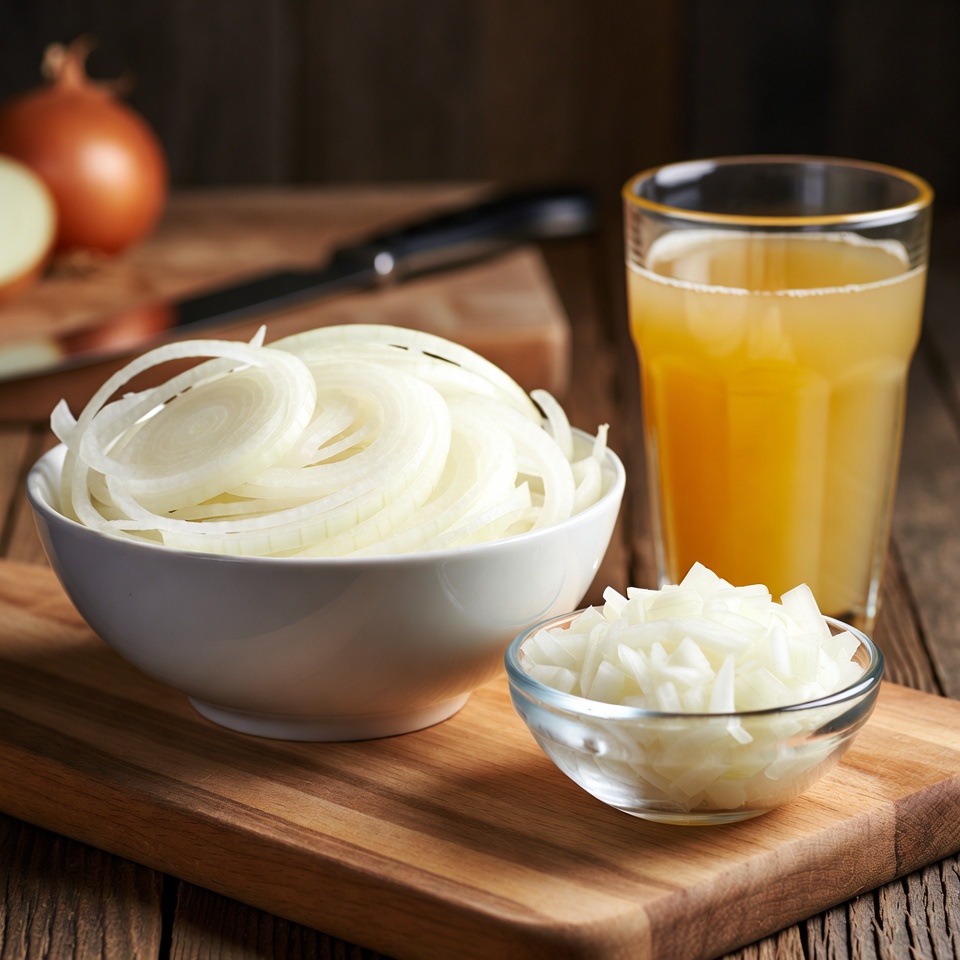
- Chop 1–2 organic red onions and blend into a pulp.
- Strain through cheesecloth (or a fine mesh strainer) to collect the juice.
- Apply to a damp scalp, focusing on thinning areas.
- Massage gently for 2–3 minutes.
- Leave on for 30–60 minutes (a shower cap can help).
- Rinse thoroughly, then shampoo twice to reduce odor.
How often:
- Use 2–3 times per week
- Commit to 4–6 weeks before judging results
Important: Always do a patch test on your inner arm before applying to the scalp.
Upgraded Option: Onion Juice + Rosemary Oil
To combine onion’s scalp-support potential with rosemary’s circulation-focused reputation:
- Mix 5 drops of rosemary essential oil into 2–3 tablespoons of onion juice
- Apply using the same steps as the basic method
This blend is popular among people targeting both scalp comfort and microcirculation support.
Advanced Option: Fermented Onion Juice
Some users ferment onion juice to reduce odor, adjust pH, and potentially improve usability.
How to make it:
- Blend and strain onion juice.
- Add equal parts water.
- Mix in 1 teaspoon sea salt and ½ teaspoon raw honey.
- Cover with cheesecloth and let sit at room temperature for 72 hours (bubbles may appear).
- Strain again and store in the refrigerator.
- Use it like the basic method.
Fermentation is widely used in skincare for its potential to improve tolerability, but direct research on fermented onion juice for hair regrowth remains limited.
Onion Juice Options Compared
-
Basic onion juice
- Prep: Easy
- Odor control: Moderate (usually requires double shampoo)
- Best for: Beginners who want the simplest approach
-
Onion juice + rosemary
- Prep: Easy
- Odor control: Often improved
- Best for: Those prioritizing scalp circulation support
-
Fermented onion juice
- Prep: Moderate
- Odor control: Often best of the three
- Best for: People sensitive to strong onion smell or looking for a pH-friendly option
Support Hair Growth From the Inside, Too
Topical routines typically work best when paired with habits that support hair health overall:
- Prioritize protein intake and key nutrients like iron and biotin
- Consider checking vitamin D, since low levels are associated with hair concerns (speak with a clinician before supplementing)
- Try gentle scalp massage to naturally support circulation
What People Commonly Report
Online experiences vary, but recurring themes include:
- Hair looking fuller with consistent use
- A calmer scalp with less irritation for some individuals
- Improved feel of strand strength over time
These are personal reports—not guarantees—so it’s best to approach onion juice as an experiment, not a promise.
Safety Notes and Possible Downsides
Onion juice is often tolerated, but it can still cause issues such as:
- Scalp stinging, redness, or irritation
- Eye irritation if it drips
- Allergic reactions in those sensitive to onions
Safety tips:
- Always patch test first
- Avoid contact with eyes
- Stop immediately if burning or discomfort occurs
- Speak with a healthcare professional if you have a scalp condition or significant, sudden hair loss
Compared with evidence-backed options like minoxidil (stronger data, but possible side effects) or prescription approaches such as finasteride, onion juice is inexpensive and accessible—but supported by more limited research.
Final Thoughts: Is Onion Juice Worth Trying for Hair Thinning?
Onion juice is a low-cost, kitchen-based approach that may help support the scalp environment and improve the look of hair strength for some people. The best outcomes tend to come from consistency, safe application, and pairing topical care with solid nutrition and scalp-friendly habits.
If you’re curious, consider starting with a patch test and a simple 4–6 week routine, then evaluate changes calmly and realistically.
FAQ
How long does onion juice take to show results on hair?
Many people who notice changes report improvements in scalp feel or strand strength after 4–6 weeks of consistent use. Timelines vary widely.
Does onion juice work for every type of hair loss?
Evidence is most promising for patchy hair loss (alopecia areata) in small studies. For pattern hair thinning, results are less clear and highly individual.
How can I reduce the onion smell in my hair?
Common strategies include:
- Shampooing twice with a gentle cleanser
- Adding rosemary essential oil
- Trying fermented onion juice
Disclaimer
This article is for informational purposes only and does not provide medical advice. It is not intended to diagnose, treat, cure, or prevent any condition. Consult a qualified healthcare professional before starting any new routine, especially if you have underlying health concerns or are experiencing significant hair loss.