Waking Up Tired, Bloated, or with Heartburn? Your Sleep Side Might Be the Missing Link
You went to bed early, did everything “right,” and still woke up feeling heavy, puffy, and oddly exhausted. Maybe you noticed a burning sensation in your chest or a sour taste creeping up your throat—enough to keep you shifting in the dark, waiting for it to pass. Many adults chalk this up to aging, but the cause is sometimes far simpler: the side you sleep on.
A surprisingly common sleep habit can quietly disrupt digestion, breathing, and deep sleep quality for some people. The good news is that a small positional change may help you sleep more comfortably. Near the end, you’ll find a practical method many people use to train their body into a better sleep position—without forcing it.
Why Sleep Position Matters More After 30
It’s easy to assume sleep issues come only from stress, busy schedules, or “getting older.” The reality is often more gradual and physical.
After your 30s, small shifts begin to add up: digestion can slow, recovery may take longer, and occasional bloating, heartburn, or nighttime discomfort becomes more common.
Here’s what many people don’t realize: over 60% of adults sleep on their side, and the side you choose changes how gravity affects your organs overnight.

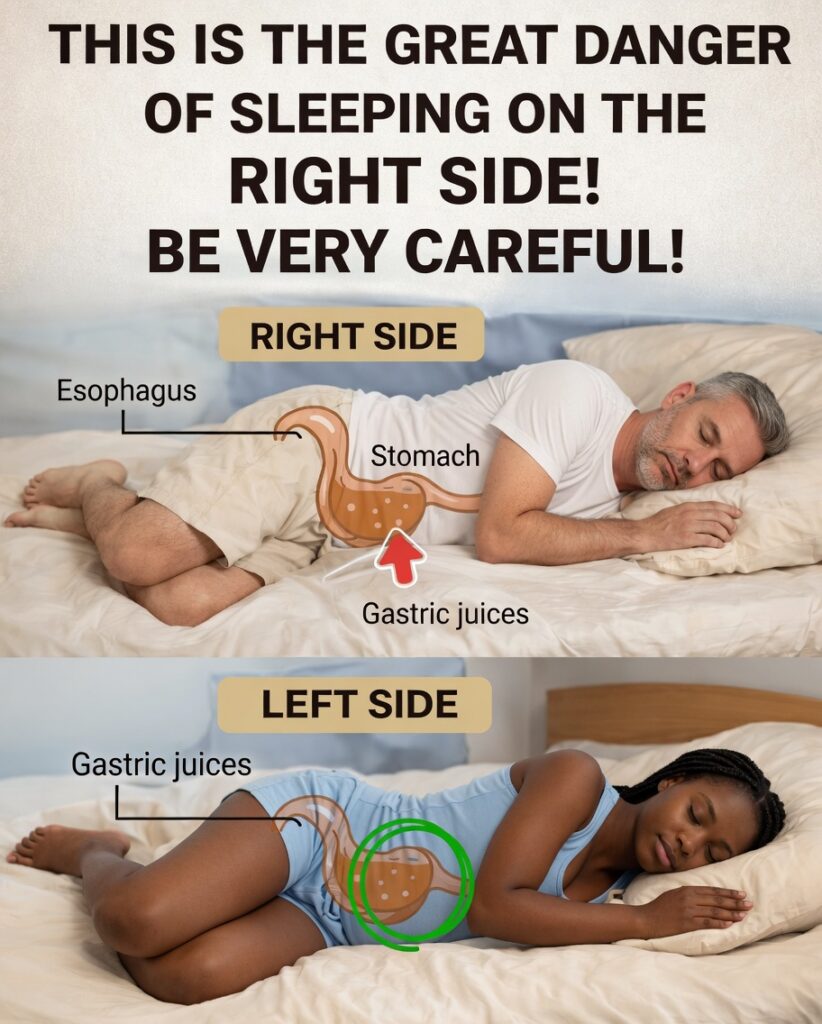
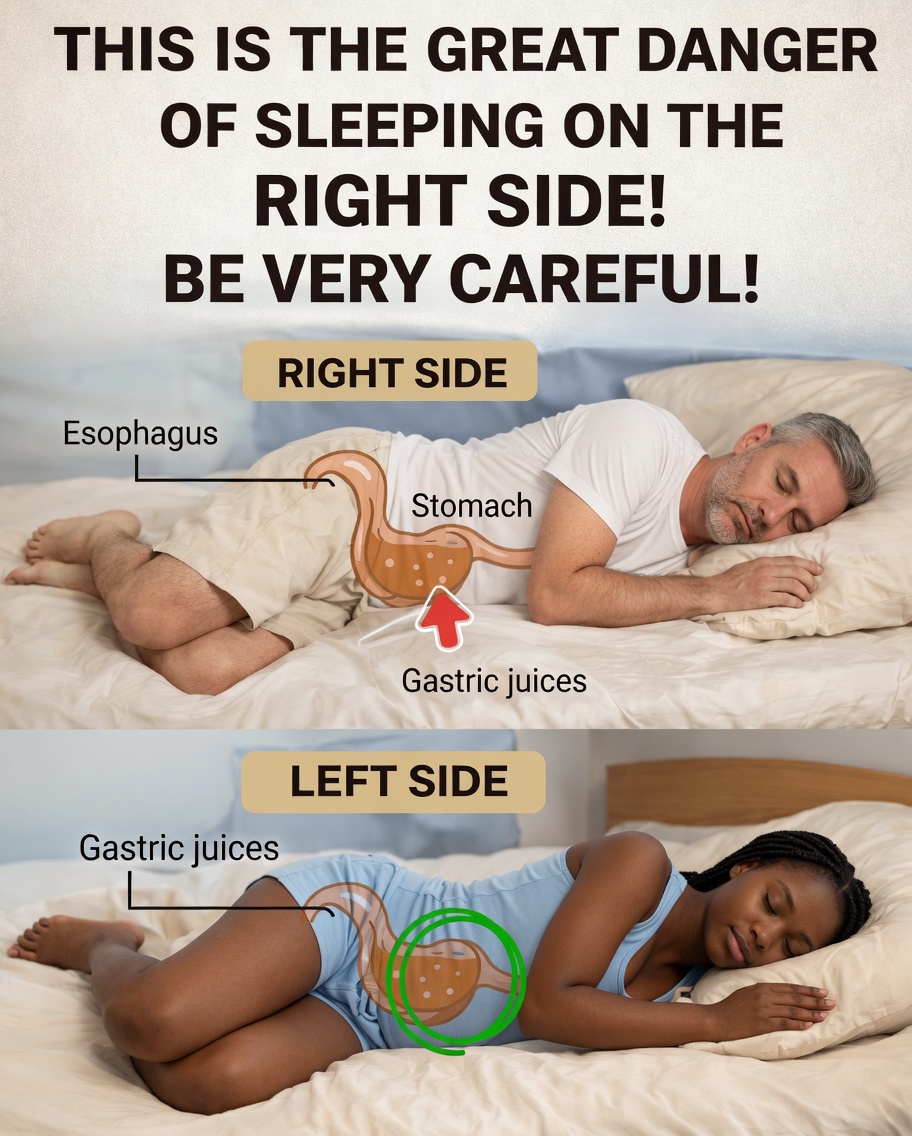
Your stomach sits slightly on the left, while the esophagus connects above it. When you sleep on your right side, gravity may make it easier—especially for certain individuals—for stomach contents to move upward.
This doesn’t mean right-side sleeping is “bad” for everyone. But if you deal with reflux, indigestion, or restless nights, your sleep posture can play a bigger role than you’d expect.
Right-Side Sleeping and Nighttime Heartburn
If you’ve ever woken up with a burning throat or chest, you’re far from alone. Research in gastroenterology suggests that body position can affect how long stomach acid stays near the esophagus during sleep.
For some people, lying on the right side may keep acid closer to the esophagus for longer—raising the chance of nighttime symptoms.
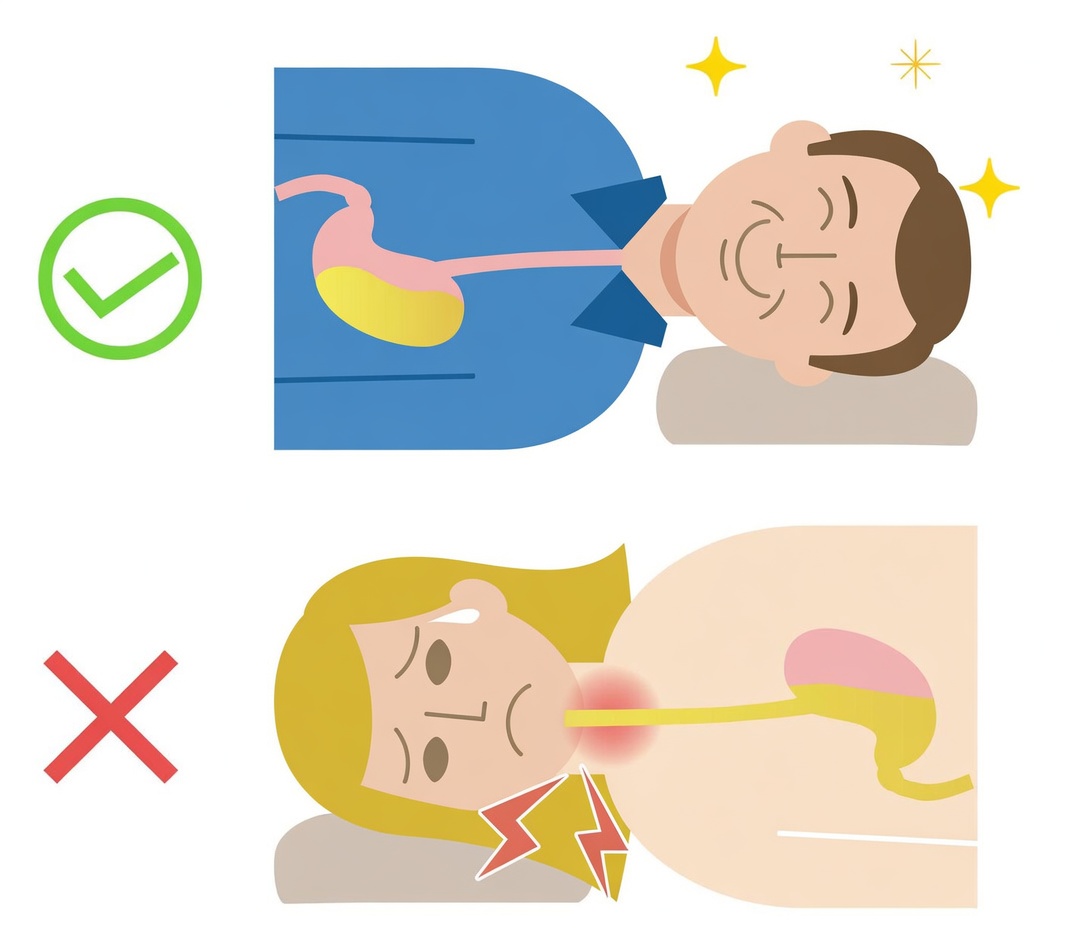
Common reflux-related signs include:
- Burning in the chest or throat
- A sour or bitter taste in the mouth
- Frequent waking during the night
- Morning throat irritation or hoarseness
Interestingly, multiple studies indicate that left-side sleeping may reduce acid exposure for certain individuals because the stomach tends to sit lower than the esophagus in that position—so gravity works more in your favor.
Everyone’s body is different, but many people report fewer disruptions after simply switching sides.
And better sleep isn’t only about comfort—it affects your whole system.
How Sleep Position Can Influence Digestion Overnight
Digestion doesn’t shut down when you fall asleep. Your digestive tract continues moving food forward, while nighttime hormones support metabolism, repair, and regulation.
But your posture can change how comfortable that process feels.
Some sleep and anatomy experts suggest left-side sleeping may encourage smoother movement through the digestive tract due to the natural placement of organs.
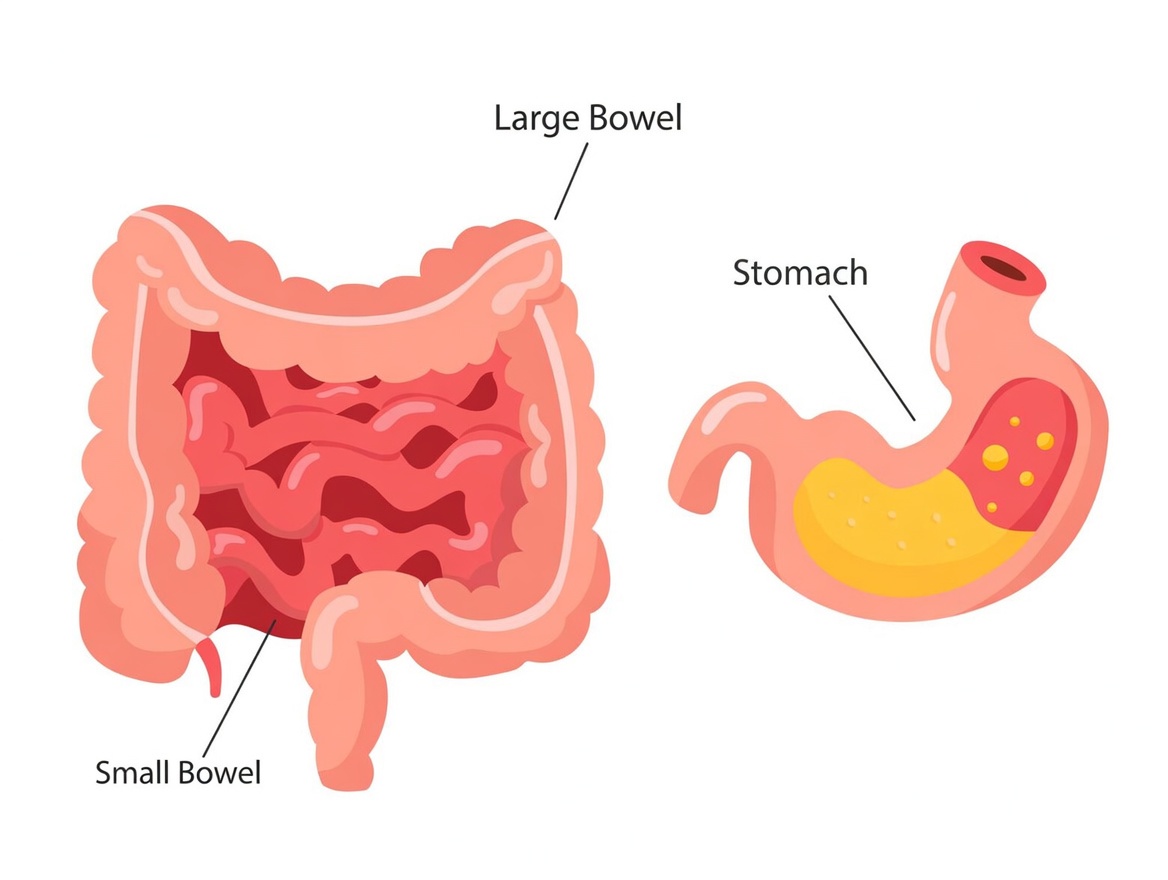
If digestion is interfering with your sleep, you might notice:
- Going to bed feeling bloated
- Waking up with stomach discomfort
- A heavy sensation after late meals
- Morning indigestion
Digestion is only part of the story, though. Breathing during sleep is another major factor many people overlook.
Breathing, Snoring, and the Side You Sleep On
Back sleeping is often linked to snoring—and for many people, that’s true because the airway can collapse more easily when lying flat. But even when you sleep on your side, left vs. right may affect breathing comfort for some individuals.
Certain sleep specialists note that some people breathe more easily on the left side than the right. Why? A combination of small factors may contribute, such as:
- Lung positioning
- Diaphragm movement
- Changes in airway relaxation during deeper sleep stages

If you experience mild snoring or feel like your breathing is “off” at night, experimenting with side position is a simple, low-risk place to start.
There’s also a more mechanical issue long-term side sleepers often discover: joint pressure.
Shoulder and Hip Pain: The Hidden Cost of Sleeping on One Side
Ever wake up with a stiff shoulder, sore hip, or tense neck? Many side sleepers unconsciously choose the same side night after night. Over time, that can create repeated pressure on the same joints and muscle groups.
Potential side-sleeping pressure effects include:
- Shoulder stiffness
- Hip soreness
- Neck tension
- Uneven tightness across the body
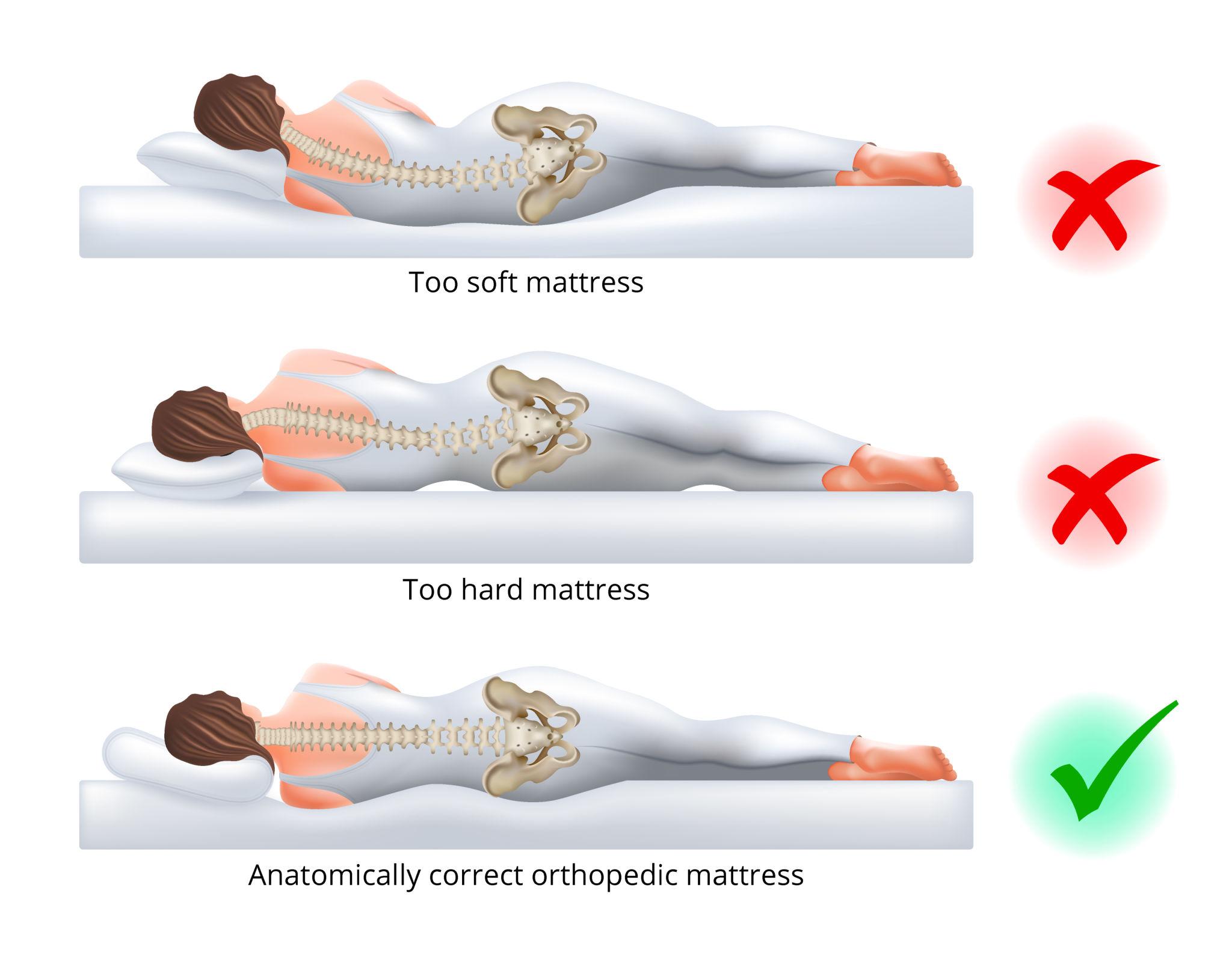
Side sleeping is still widely preferred over stomach sleeping for many people. The key is not avoiding side sleeping—it’s avoiding always sleeping on only one side. Rotating sides can help distribute pressure more evenly.
Right vs. Left Side Sleeping (Quick Comparison)
-
Right-side sleeping
- May worsen reflux symptoms for some individuals
- Often feels natural and comfortable
- Can increase repeated pressure on the right shoulder/hip
-
Left-side sleeping
- Commonly recommended during pregnancy
- May reduce reflux for certain people
- Helps vary pressure points during the night
The main takeaway: flexibility matters. Your body often benefits from small changes rather than one “perfect” position.
Simple Ways to Improve Your Sleep Position Tonight
Changing sleep habits can feel difficult—until you make the change easier on your body. These strategies can help you shift position gradually and comfortably:
-
Use a body pillow
- Place it behind your back to reduce rolling back to your usual side.
-
Support your knees
- A pillow between the knees can reduce hip strain and keep the spine aligned.
-
Avoid heavy meals late
- Large dinners close to bedtime can worsen reflux and bloating.
-
Elevate your head slightly
- A supportive pillow or adjustable base may reduce nighttime reflux for some people.
-
Switch gradually (the training trick)
- Start by falling asleep on the new side for the first part of the night.
- If you wake up later on your usual side, simply reset—no pressure.
- Over several nights, your body often learns the new default naturally.

The goal isn’t “perfect posture.” It’s finding the position that helps you wake up feeling lighter, calmer, and more rested.
Final Thoughts
Sleep is one of your body’s strongest tools for recovery, memory, and long-term health. Yet many people miss small habits that quietly shape sleep quality.
Your sleep position can influence:
- Heartburn and reflux
- Digestion and bloating
- Breathing and snoring
- Shoulder, hip, and neck comfort
- Nighttime awakenings
The encouraging part is that small adjustments often bring noticeable improvement.
Tonight, pay attention to the side you fall asleep on—and gently test what feels best for your body.
Frequently Asked Questions
Is sleeping on the right side bad for you?
For most healthy people, right-side sleeping isn’t harmful. However, if you frequently experience heartburn or nighttime reflux, you may notice fewer symptoms when sleeping on your left side.
Which side is recommended during pregnancy?
Many healthcare providers suggest left-side sleeping during pregnancy because it may support circulation and reduce pressure on major blood vessels.
How long does it take to get used to a new sleep position?
Many people adjust within 1–2 weeks. Using supportive pillows (especially a body pillow and a knee pillow) often speeds up the transition and improves comfort.