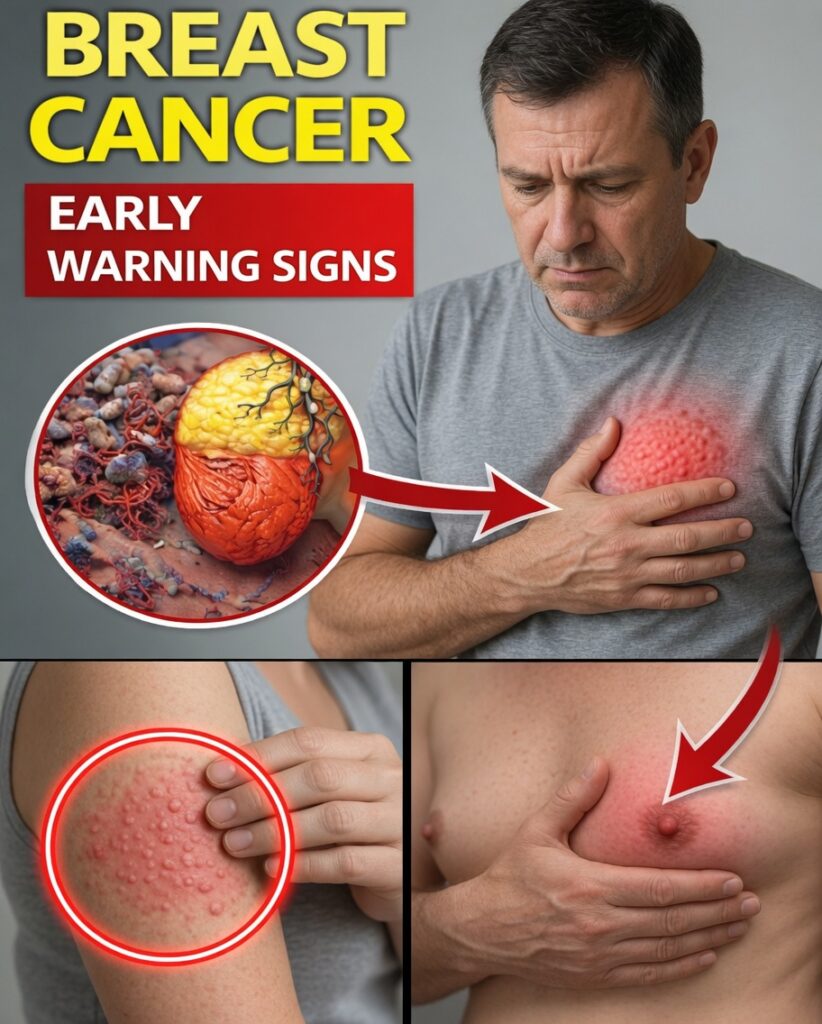
A Small Breast Change Could Be an Early Breast Cancer Sign—Don’t Ignore It
Picture this: you wake up, get dressed, and notice something subtle—maybe a slight change in your breast that you can’t quite explain. It might seem minor, but small differences can sometimes be the earliest breast cancer warning signs.
Early awareness matters. Recognizing possible signs of breast cancer sooner can lead to earlier diagnosis, more treatment options, and better outcomes.
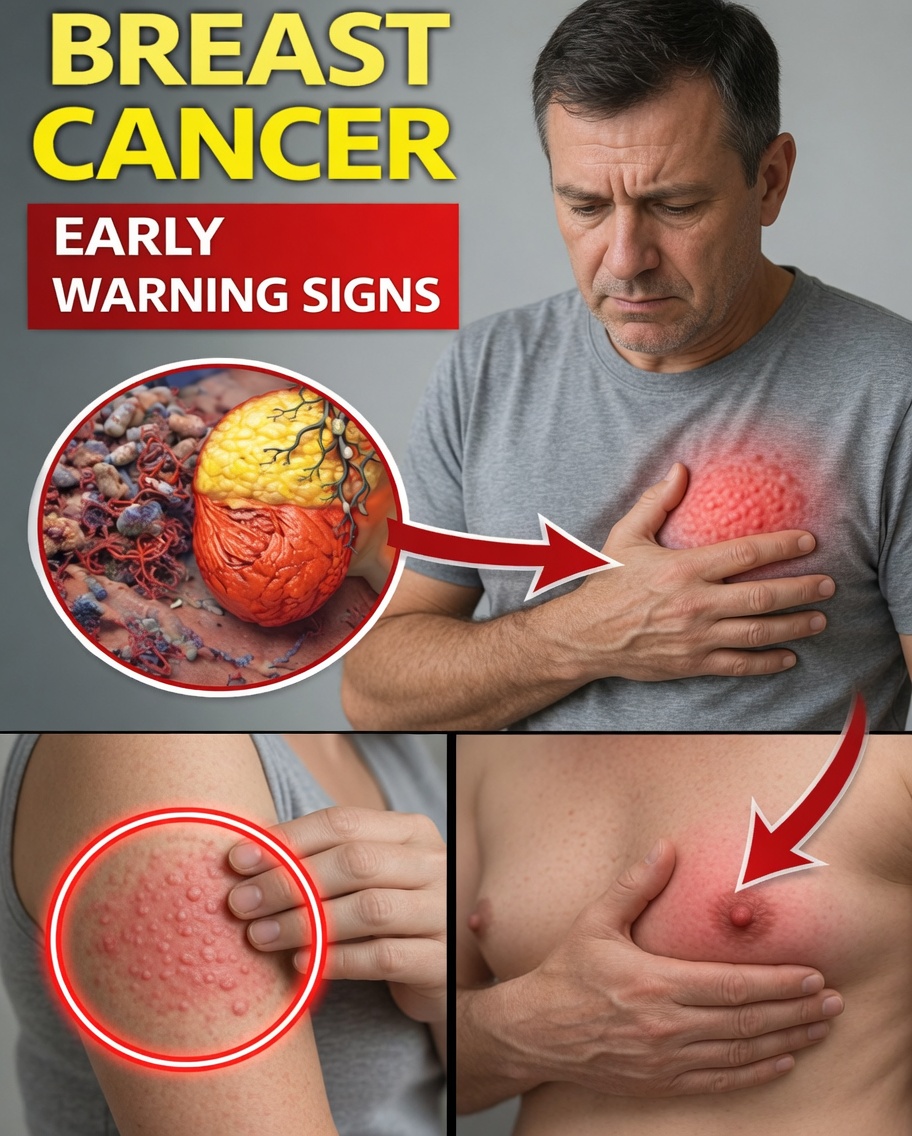
The Hidden Risk: Why Breast Cancer Is Often Missed
Many breast changes appear after age 40 and are frequently dismissed as normal aging, monthly hormone shifts, or stress. That’s exactly why breast cancer can go undetected until it becomes harder to treat.
In the United States alone, more than 310,000 new invasive breast cancer cases are expected each year. A significant portion is still discovered at later stages—when treatment may be more intensive and recovery can be more challenging.
The key takeaway: small symptoms deserve attention, even if they don’t seem urgent.

10 Warning Signs of Breast Cancer You Should Know
Below are ten common breast cancer symptoms to watch for. Having one of these signs doesn’t automatically mean cancer—but any persistent or unexplained change should be evaluated by a medical professional.
1) A New Lump or Mass in the Breast or Underarm
A new lump is one of the best-known early signs. Cancerous lumps are often hard, irregularly shaped, and may not hurt, though pain is still possible.
- What to look for: A firm lump in the breast or underarm area (armpit)
- Why it matters: Early detection can increase the chance of successful, localized treatment
- Practical tip: Do regular self-checks so you can recognize what feels normal for you
2) Thickening or Swelling in Part of the Breast
Sometimes breast cancer doesn’t form a distinct lump. Instead, you may feel a thickened area or notice swelling in one section of the breast.
- What to look for: Unusual fullness, swelling, or firmness in a specific area
- Why it matters: Growth beneath the skin can progress quietly before becoming obvious
- Practical tip: Compare both breasts at different times of the month to spot unusual changes
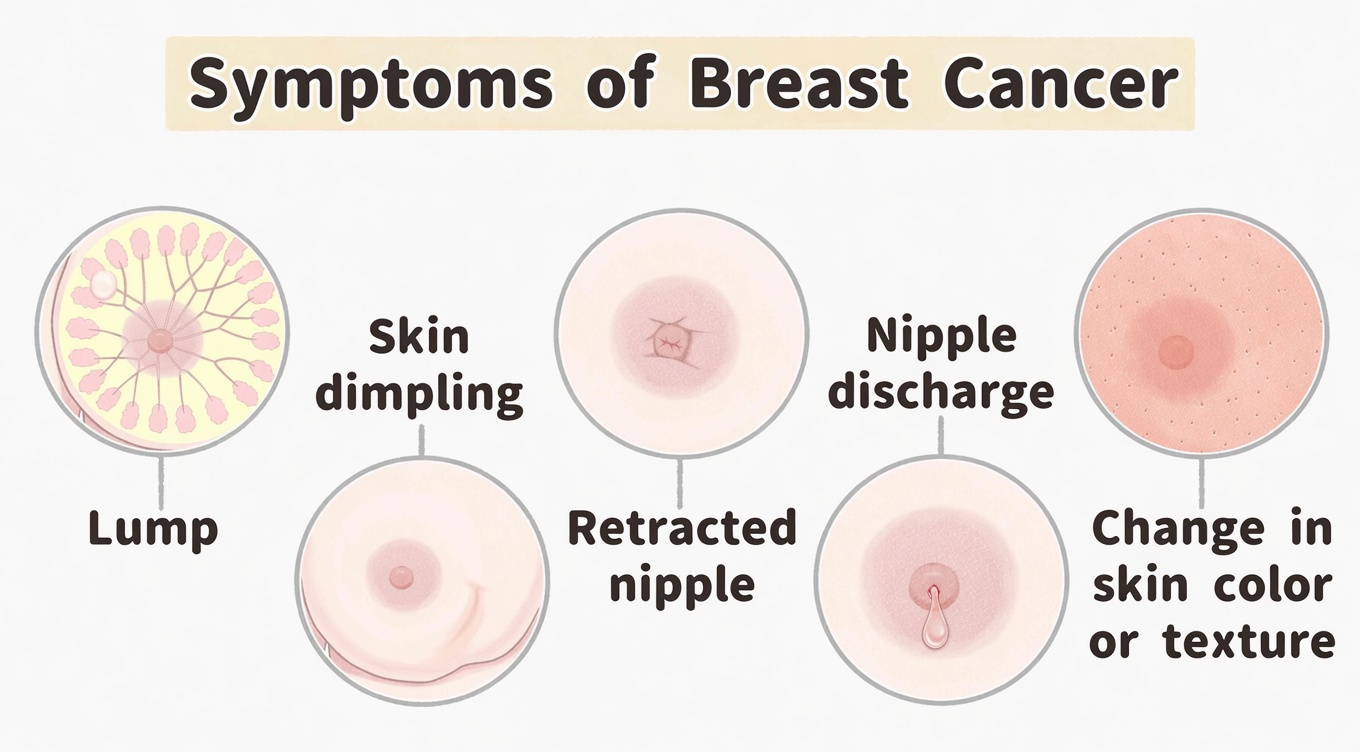
3) Skin Dimpling or an Orange-Peel Texture
If the skin on your breast starts to look dimpled or resembles the texture of an orange peel, take it seriously. This can happen when a tumor affects tissue beneath the skin.
- What to look for: Puckering, dimpling, or bumpy “orange-peel” skin
- Why it matters: It may indicate involvement of skin or underlying structures
- Practical tip: Use a mirror during self-exams to check skin texture from multiple angles
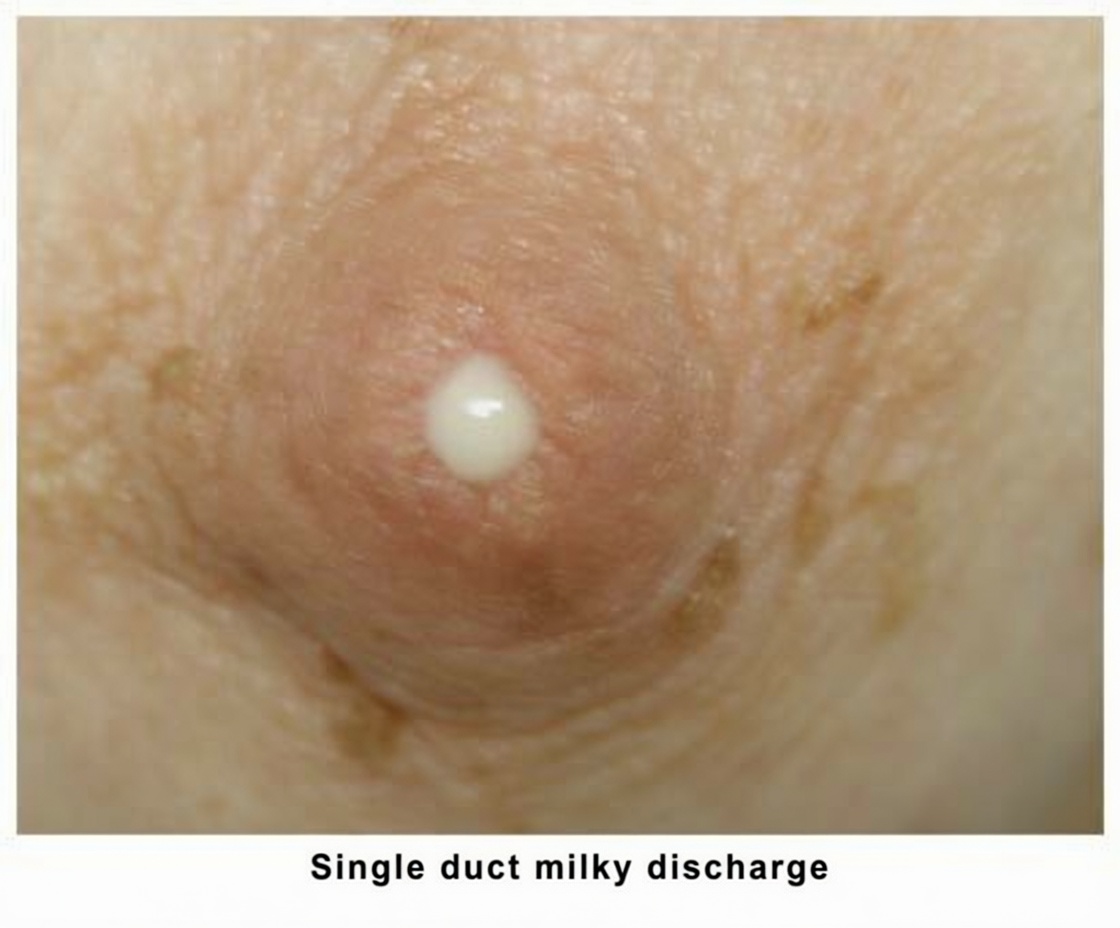
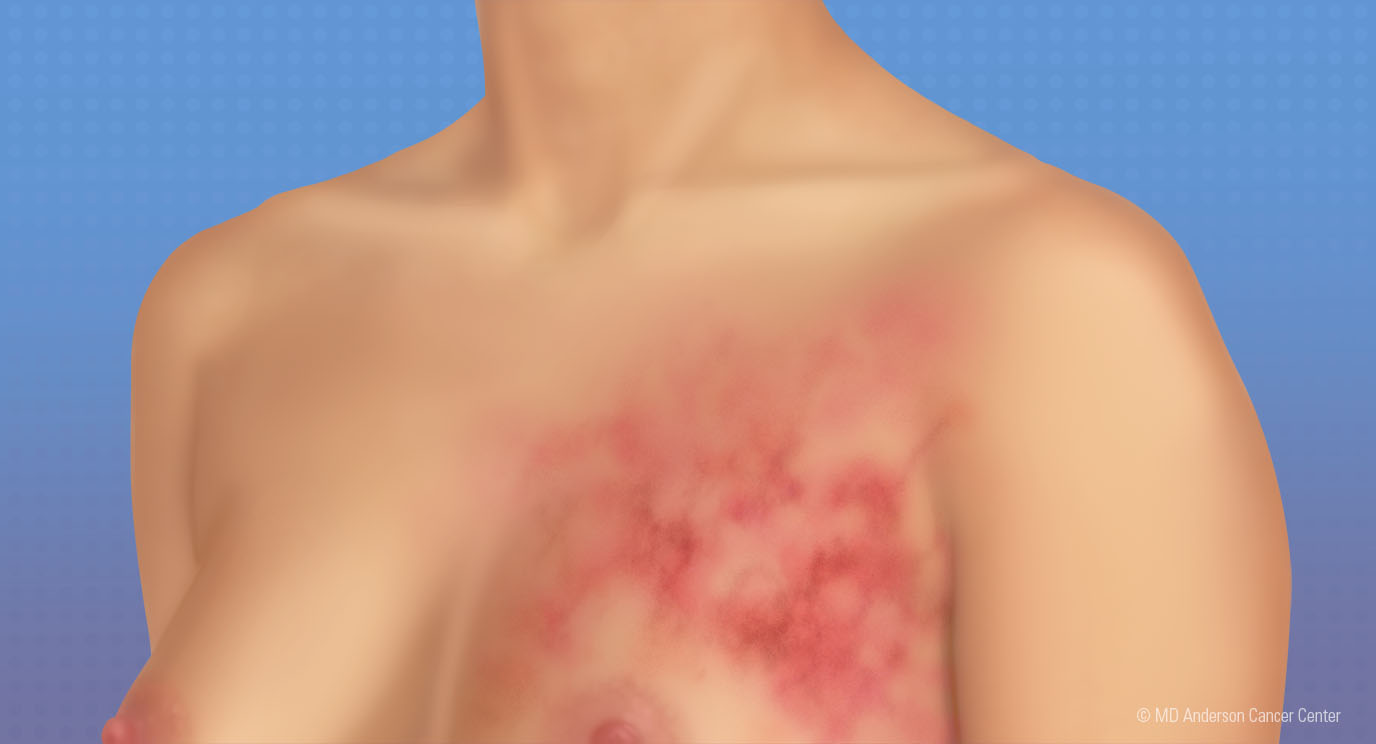
4) Redness, Irritation, or Flaking on the Breast or Nipple
Persistent redness or flaky patches can look like a simple rash, allergy, or irritation. However, when these symptoms don’t improve, they may signal a more serious condition, including inflammatory breast cancer.
- What to look for: Ongoing redness, irritation, peeling, or flaky skin (especially near the nipple)
- Why it matters: Surface changes can be associated with aggressive forms of breast cancer
- Practical tip: If symptoms last more than a week or keep returning, get medical advice
5) Nipple Retraction (Turning Inward)
A nipple that suddenly pulls inward—especially if this is new for you—can occur when a mass affects tissue or milk ducts behind the nipple.
- What to look for: New nipple inversion or pulling inward on one side
- Why it matters: It can reflect changes beneath the nipple area
- Practical tip: During self-checks, look for symmetry between both nipples
6) Nipple Discharge That Isn’t Breast Milk
Unexpected discharge should always be assessed—particularly if it’s bloody or occurs from only one breast.
- What to look for: Clear, bloody, or unusual discharge (not related to breastfeeding)
- Why it matters: Tumors can disrupt normal duct function
- Practical tip: Don’t wait—report new discharge promptly to a clinician
7) Persistent Breast or Nipple Pain
Breast pain is common and often benign, but ongoing, localized pain that doesn’t improve deserves attention.
- What to look for: Pain in one specific area lasting weeks
- Why it matters: While not the most common symptom, persistent pain can accompany underlying disease
- Practical tip: Track the timing, location, and intensity to share with your healthcare provider
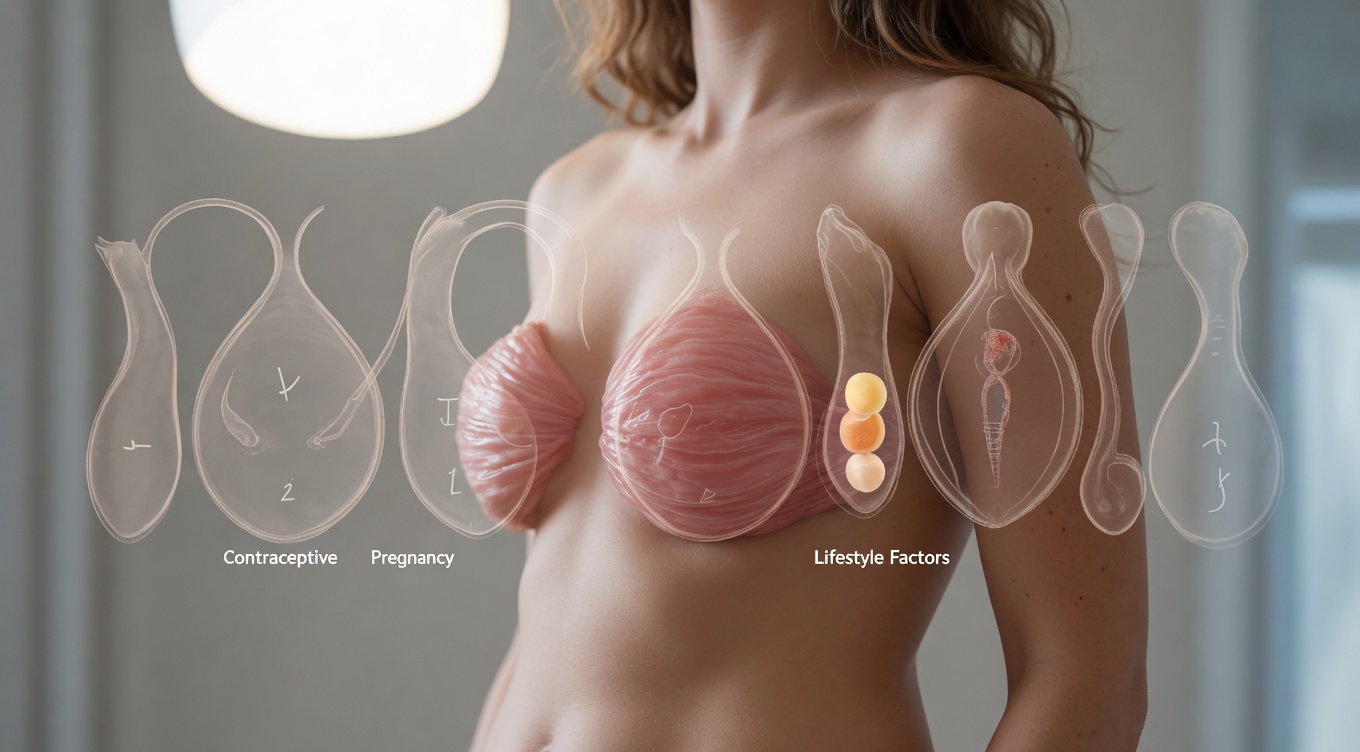
8) Unexplained Change in Breast Size or Shape
If one breast becomes noticeably larger, changes contour, or looks misshapen—especially if it develops quickly—consider it a red flag.
- What to look for: New asymmetry, distortion, or shape changes in one breast
- Why it matters: Rapid changes can reflect swelling, tissue distortion, or a growing mass
- Practical tip: Take note of changes in how bras fit and how your breasts look in the mirror
9) Swelling in the Armpit or Near the Collarbone
Breast cancer can spread to nearby lymph nodes, which may cause swelling or lumps in the armpit or around the collarbone—even before a breast lump is noticed.
- What to look for: A lump or swelling in the armpit or above the collarbone
- Why it matters: Lymph node changes can be an early clue that needs evaluation
- Practical tip: Include these areas in self-checks, not just the breast itself
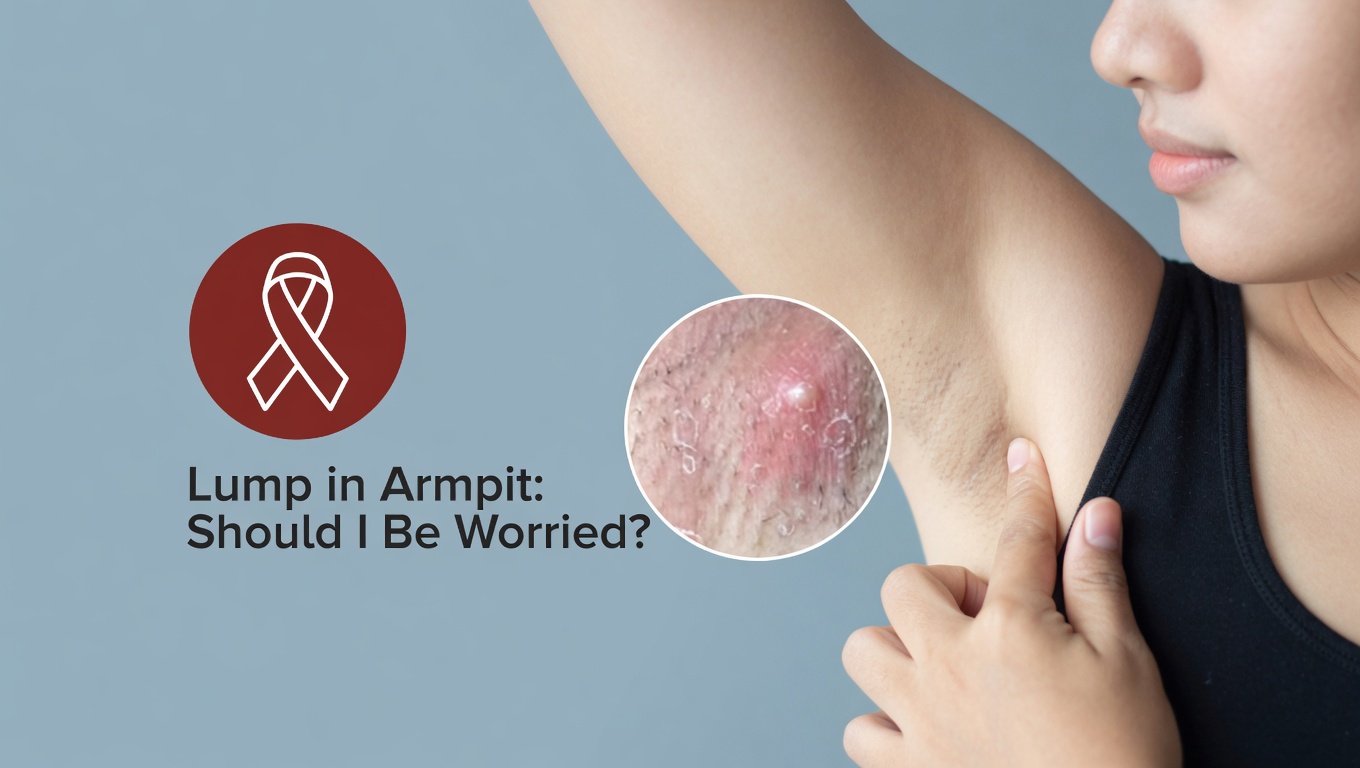
10) Persistent Itching or a Rash on Breast Skin
Itching or a rash that doesn’t improve may be mistaken for dry skin or an allergy. But persistent symptoms can also be linked to inflammatory breast cancer or other serious issues.
- What to look for: Ongoing itching, rash, or skin irritation that doesn’t resolve
- Why it matters: Chronic skin symptoms can signal underlying disease
- Practical tip: If symptoms last longer than a week or worsen, schedule a medical exam
Conclusion & FAQ
1) What should I do if I notice one of these breast cancer warning signs?
Contact a healthcare provider as soon as possible. Early evaluation is critical for accurate diagnosis and timely treatment.
2) How often should I check for breast cancer signs?
A monthly self-exam is commonly recommended—often a few days after your period ends, when breast tenderness is usually lower.
3) Do these symptoms always mean breast cancer?
No. Many breast changes are caused by benign conditions. Still, it’s safer to get checked so serious causes can be ruled out.
Disclaimer
This article is for informational purposes only and is not a substitute for professional medical advice, diagnosis, or treatment. Always consult a qualified healthcare provider regarding any breast changes or health concerns.