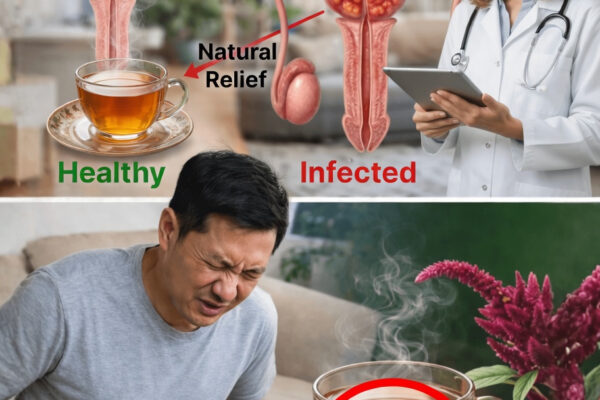
6 Gentle Herbs for Everyday Support: Natural Allies for Pain, Digestion, Blood Sugar, and Minor Infections
Many people look for milder, more natural ways to ease day‑to‑day discomfort—whether it’s achy joints, digestive trouble, worries about blood sugar, or minor infections. Concerns about long-term medication use and side effects like stomach irritation or fatigue often drive this search for gentler options.
The six herbs below have a long history in traditional medicine and are being studied for their potential benefits. They are not replacements for prescribed drugs, but they may offer supportive, plant-based options as part of a broader healthy lifestyle.
Why Natural Herbs Appeal for Everyday Health
Across cultures and centuries, herbs have been used to soothe pain, calm inflammation, and help rebalance the body. Today, many people turn to them because:
- They’re widely accessible and easy to incorporate into daily routines.
- They may have fewer reported side effects when used appropriately for mild concerns.
- Research is beginning to explore how their active compounds work in the body.
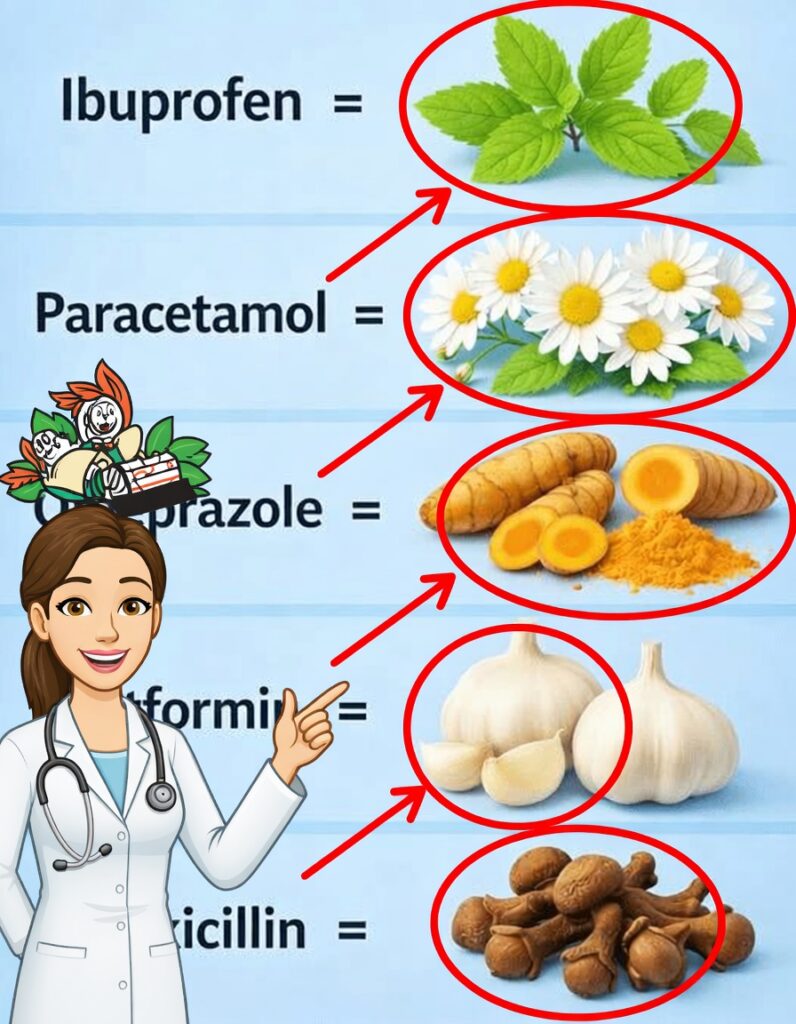
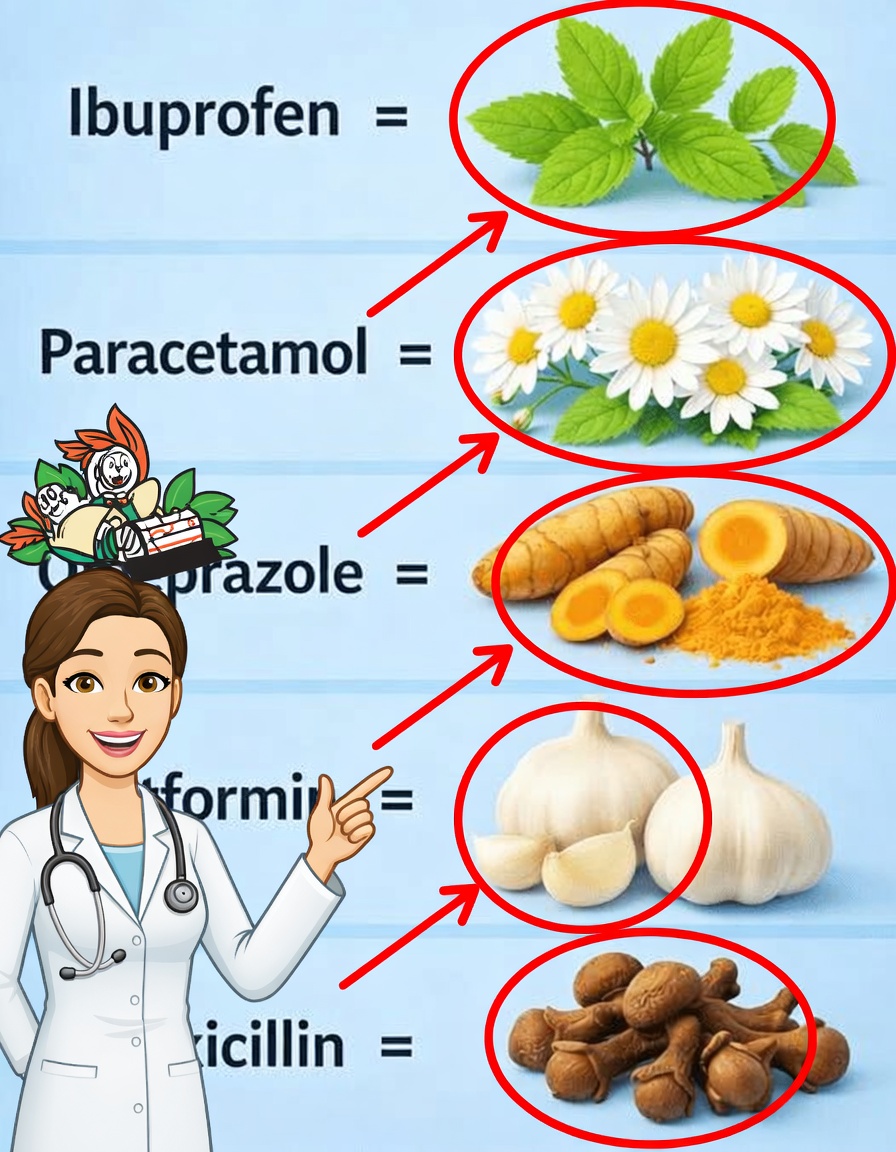
These herbs are not direct equivalents to modern medicines such as ibuprofen, paracetamol, or metformin. Instead, they may offer complementary support under professional guidance. Below is a closer look at each herb and how it is traditionally used.
1. Matalafi (Psychotria insularum) – Traditional Anti-Inflammatory Support
Matalafi is a medicinal plant native to Samoa, traditionally used to ease inflammation, body aches, and fever. For people dealing with persistent low-level pain that interferes with sleep, movement, or focus, this plant has long been valued in local healing practices.
Laboratory studies have found that extracts from matalafi leaves can reduce inflammatory responses in ways that appear comparable to ibuprofen in controlled settings. This is thought to be due to plant compounds that modulate inflammation pathways.
While it should not be viewed as a one-to-one substitute for ibuprofen, matalafi represents a traditional, plant-based option for those interested in natural inflammation support where it is safely and ethically available.
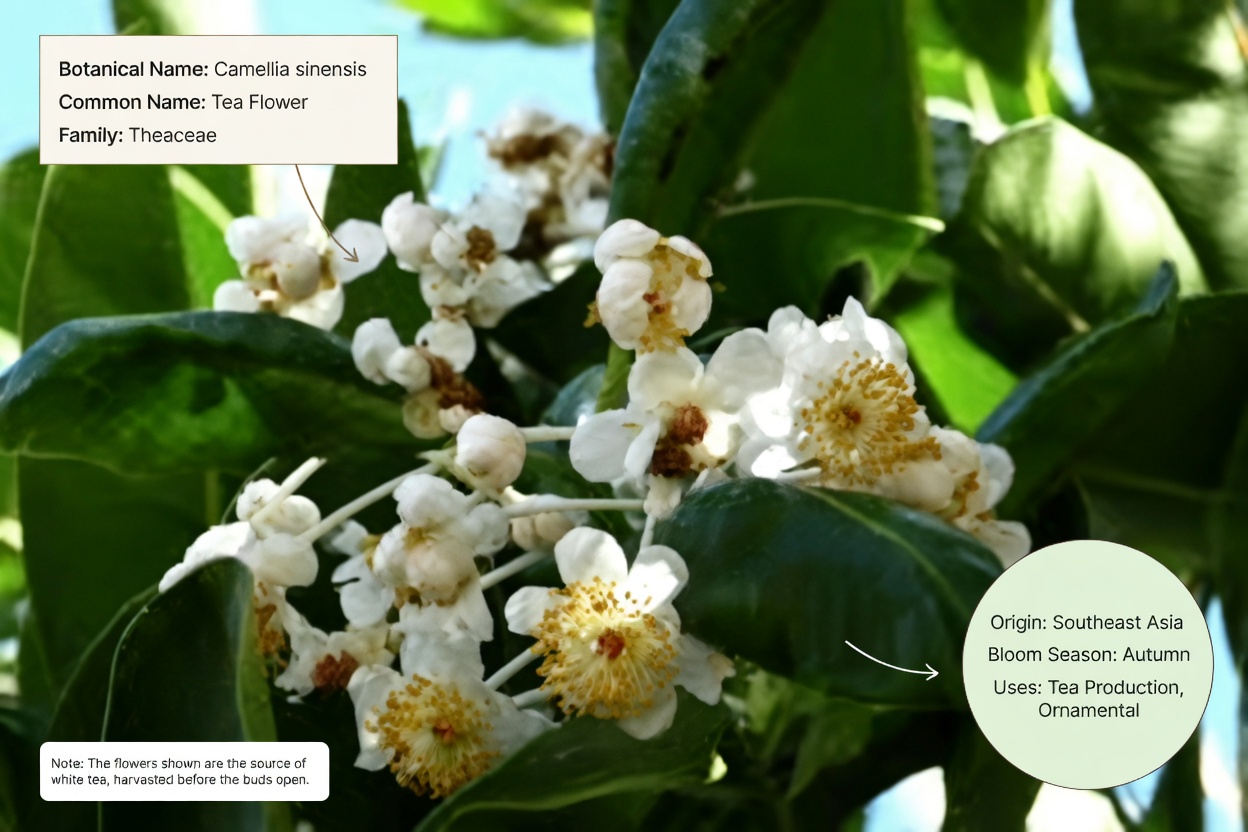
2. Chamomile – Gentle Relief for Tension, Headaches, and Mild Fevers
Chamomile is widely known as a calming herb and is often enjoyed as a tea. It is commonly used to ease mild headaches, low-grade fevers, and tension—situations where people might otherwise reach for paracetamol (acetaminophen).
Ongoing stress and constant minor discomfort can be emotionally draining. Chamomile’s reputation comes from:
- Its mild anti-inflammatory and antispasmodic properties
- Its relaxing effect on the nervous system
- Traditional use for easing pain and promoting rest
Studies suggest chamomile may help reduce certain types of pain and support relaxation without the strong sedative effects of more potent medications, making it a popular choice for everyday, gentle relief.

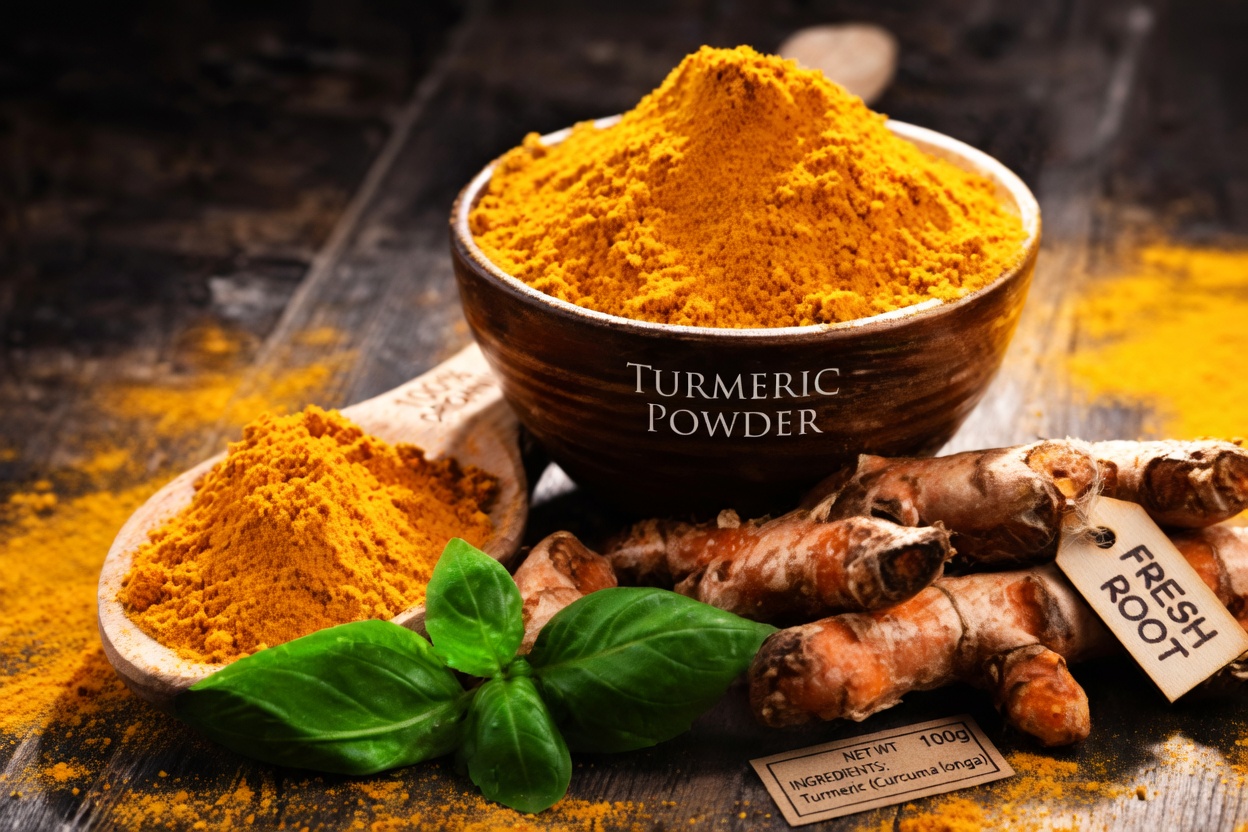
3. Turmeric (Curcuma longa) – Digestive Support and Comfort
Turmeric, especially its active compound curcumin, is well-known for supporting digestive health. It is often explored as a natural way to relieve indigestion, bloating, and discomfort after meals—issues for which medications like omeprazole are frequently prescribed.
Recurring digestive upset can drain energy and enjoyment from daily life. Research has shown:
- In at least one clinical trial, curcumin performed similarly to omeprazole in easing symptoms of functional dyspepsia over several weeks.
- Curcumin has notable anti-inflammatory properties, which may help calm irritation in the digestive tract.
For better absorption, turmeric is often paired with black pepper (which contains piperine) and taken with fat-containing foods. While it is not a direct replacement for acid-reducing medications, turmeric can be a helpful part of a digestive-supportive diet.
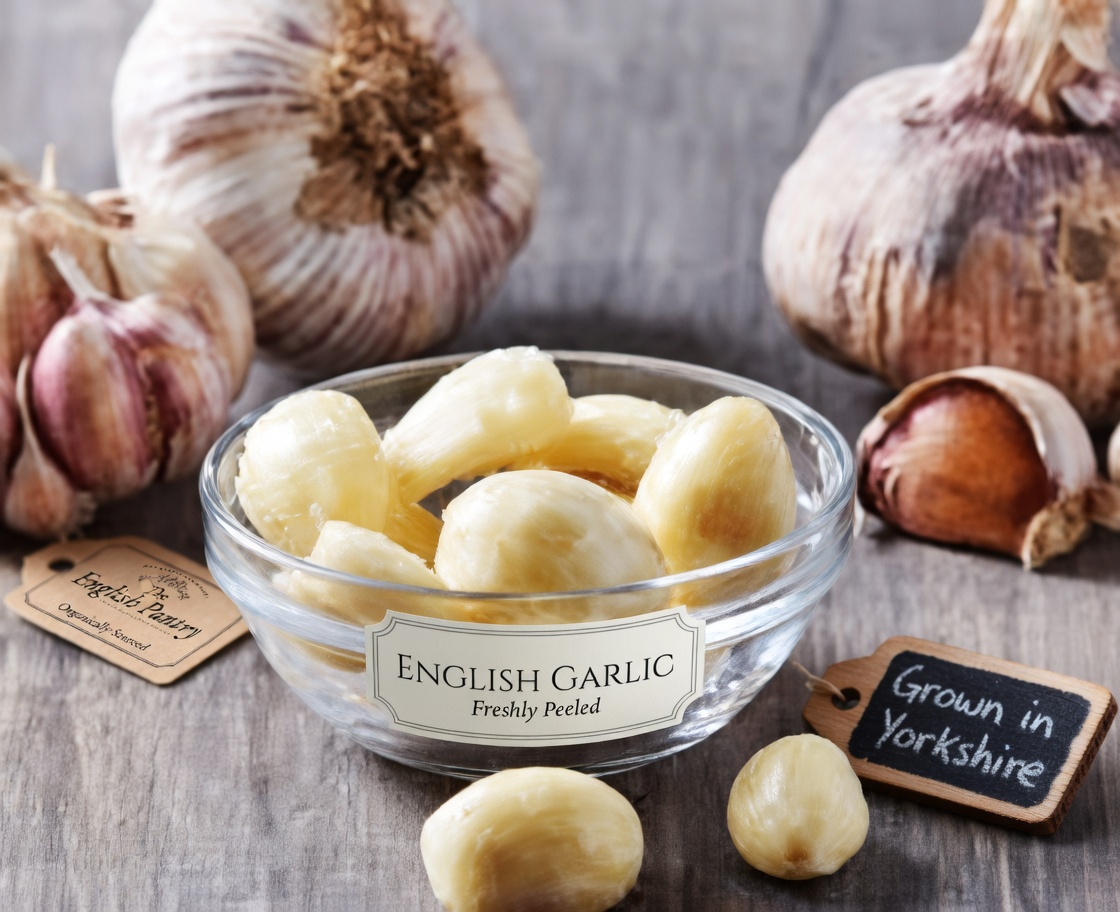
4. Garlic (Allium sativum) – Natural Support for Healthy Blood Sugar
Garlic has been valued not only for its flavor but also for its potential metabolic benefits. For people concerned about blood sugar balance or at risk for insulin resistance, garlic is sometimes considered a supportive addition to diet and lifestyle.
Fluctuating blood sugar can lead to energy highs and lows and long-term health concerns. Research suggests:
- Garlic’s sulfur-containing compounds, including allicin, may support healthy glucose metabolism.
- Some studies indicate improvements in insulin sensitivity and blood sugar markers with garlic supplementation.
While it does not replace medications such as metformin in managing diabetes, using fresh or aged garlic regularly in meals may help support overall metabolic health as part of a comprehensive plan guided by a healthcare professional.
5. Aloe Vera – Soothing Plant with Mild Antibacterial Activity
Aloe vera is widely used for skin care and minor wound support. Its clear gel is applied topically to sunburns, cuts, and irritations, and in some traditions, aloe is also consumed for digestive support.
Slow-healing minor wounds and mild infections can be frustrating and worrying. Research has noted that:
- Aloe vera gel has antibacterial activity against certain oral and skin-related microbes.
- It may support wound healing by keeping the area moist and providing bioactive compounds that assist the repair process.
Like amoxicillin, aloe vera is involved in managing bacterial issues, but on a very different scale and with a much narrower scope. It may help with minor, superficial concerns but is not suitable for treating serious infections, which always require professional medical care.
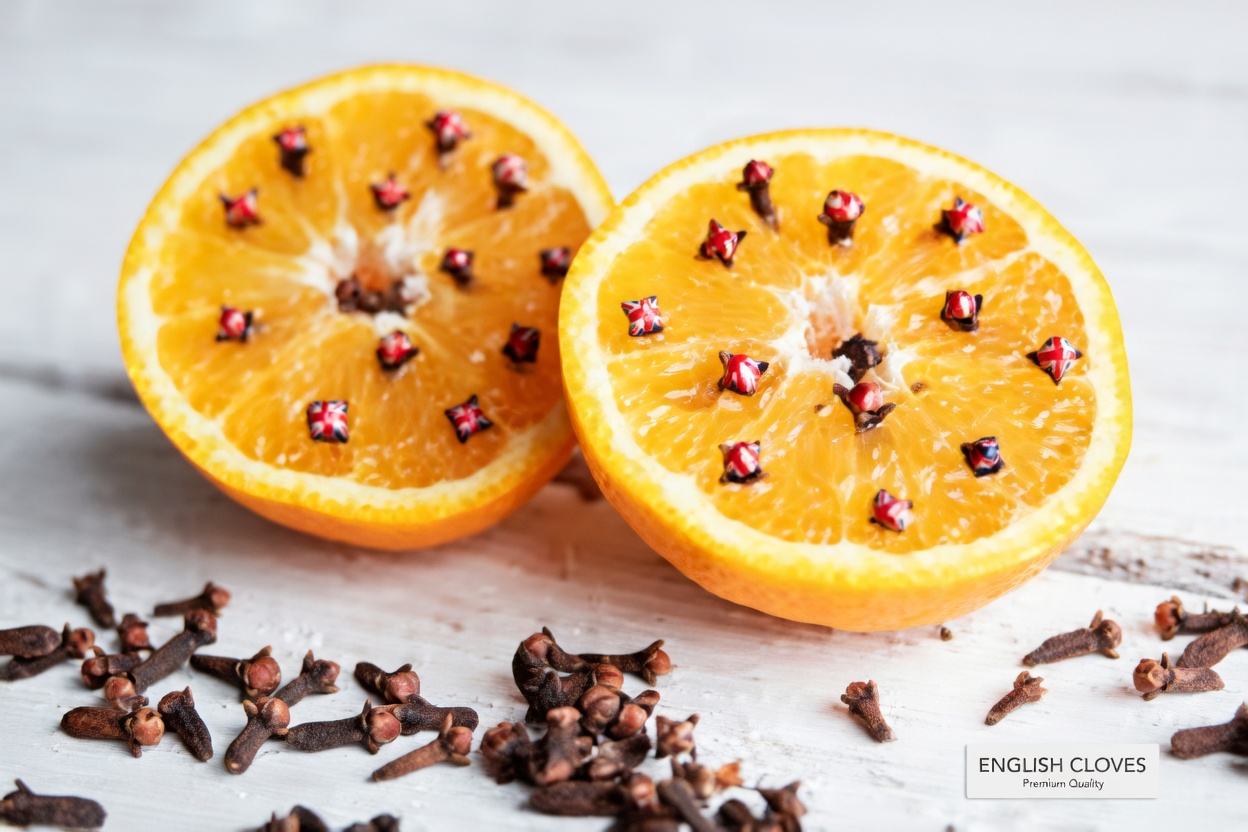
6. Clove (Syzygium aromaticum) – Traditional Aid for Pain and Circulation
Clove buds, often used as a spice, contain eugenol—a compound known for its numbing, anti-inflammatory, and mild antiplatelet (blood-thinning) properties. Clove has a long history in traditional medicine, especially for toothaches and oral discomfort.
Everyday pains, such as dental aches or minor inflammatory pain, can disrupt even simple tasks. Evidence suggests:
- Clove oil and eugenol can temporarily reduce dental pain when used appropriately.
- Clove may have a mild effect on platelet activity, somewhat resembling aspirin’s role in circulation support, though not at a therapeutic drug level.
Clove is often used in small amounts in cooking, teas, or dental preparations. It is not a substitute for aspirin or professional dental treatment, but it may offer short-term natural relief in minor situations.
Quick Overview: Herbs and Their Potential Everyday Benefits
The table below summarizes how these herbs are often discussed in relation to common health needs. These associations are based on traditional use and emerging research, not on direct medical equivalence.
| Herb | Commonly Compared To | Key Potential Benefit | Traditional/Research Insight |
|---|---|---|---|
| Matalafi | Ibuprofen | Anti-inflammatory support for aches | Lab studies show inflammation-modulating effects |
| Chamomile | Paracetamol | Mild relief for pain, tension, and low fever | Known for calming, soothing, and mild pain-relieving actions |
| Turmeric | Omeprazole | Digestive comfort and reduced indigestion | Curcumin showed similar effects in some dyspepsia trials |
| Garlic | Metformin | Support for healthy blood sugar levels | May enhance glucose metabolism and insulin sensitivity |
| Aloe Vera | Amoxicillin | Support for minor antibacterial concerns | Demonstrates activity against some bacteria, aids wound care |
| Clove | Aspirin | Mild pain relief and circulation support | Eugenol has anti-inflammatory and mild antiplatelet properties |
This comparison is meant to help visualize their roles, not to suggest they can replace prescribed medications.
Practical Ways to Use These Herbs Safely
“Natural” does not automatically mean “risk-free.” Start gently and pay attention to how your body responds.
- Brew chamomile tea in the evening to unwind and ease minor discomfort.
- Enjoy turmeric in curries, golden milk, or teas; combine with black pepper for better curcumin absorption.
- Add fresh garlic to sauces, soups, and stir-fries for both flavor and metabolic support.
- Use pure aloe vera gel on minor skin irritations; for internal use (juices or supplements), seek professional guidance.
- Introduce cloves in warm drinks, baked goods, or savory dishes for digestive and comfort support.
- If you have access to matalafi through reputable traditional sources, use it only with cultural respect and, ideally, under guidance from trained practitioners or local experts.
Always combine herbal use with a balanced diet, physical activity, good sleep, and stress management for the best overall results.

When You Should Talk to a Healthcare Professional
Even mild herbs can interact with medications or underlying conditions. Speak with a qualified healthcare provider if:
- Your symptoms persist, worsen, or recur frequently.
- You have chronic conditions such as diabetes, heart disease, or autoimmune disorders.
- You are pregnant, breastfeeding, or planning surgery.
- You are already taking prescription drugs, especially blood thinners, blood pressure medications, or diabetes medications.
For issues like high blood sugar, ongoing pain, or suspected infections, professional care is essential. Herbs should be part of a supervised, broader health strategy—not the only line of defense.
FAQ
Are these herbs safe replacements for medications?
No. These herbs may offer supportive or complementary benefits based on traditional use and scientific studies, but they are not direct substitutes for prescribed medications. Any change to your treatment plan should be made only with your healthcare provider’s approval.
How can I start using turmeric or garlic regularly?
- Turmeric: Add to curries, soups, smoothies, or make turmeric tea or “golden milk.” Pair with black pepper and a source of fat (like coconut milk or olive oil) to improve absorption.
- Garlic: Use fresh, crushed garlic in dressings, stir-fries, sauces, or roasted vegetables. Raw garlic has strong effects and may irritate some stomachs, so increase gradually.
Can chamomile help with sleep as well as mild pain?
Yes. Chamomile is widely used for its calming properties, which can promote better sleep. By easing tension and supporting relaxation, it may indirectly help your body cope better with mild aches and discomfort.
This article is for informational and educational purposes only and does not replace professional medical advice, diagnosis, or treatment. Always consult your healthcare provider before adding new herbs or supplements to your routine, especially if you have medical conditions or take any medications.